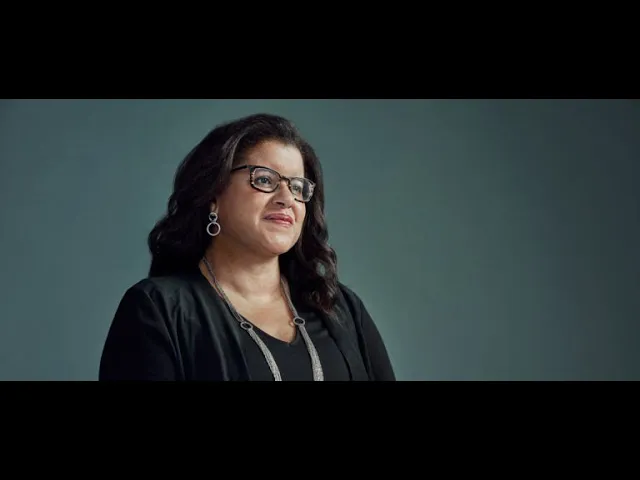
All right yeah that's fine with me wonderful uh thanks ruth uh for joining us again um uh we had a little chat before we started but if it's okay i'm just gonna do a little introduction uh ruth uh is a graduate of osgood law school she has worked in a variety of ngos and uh i kind of pulled up the list of places you have worked in and i figured It would take me 10 minutes to just sort of list them all up but amongst the most important part of uh sort of amongst the highlights
i guess being uh have worked for united nation national repertoire on housing uh she has south commission she has uh she was a commissioner with the ontario human rights commission for 11 years and she has worked in the human rights legal support center uh ruth Has also taught at ryerson university and has worked with leaf legal education action fund uh women's legal education action fund and now is the executive director of black legal action center and we really appreciate you uh doing this interview this is as we were talking about right before it is a
crazy busy time with you so i really appreciate i'm sure my students Are very appreciative of you taking your time too thank you so much thank you so much for inviting me and thinking about black and uh it's an honor to be here with you guys thank you you're too kind uh so i kind of wanted to start off by talking a little bit about rule of law as a lawyer as an officer of the court so to say Uh we you'd uh we kind of take this notion of legal action seriously we take the
notion of law determining a sort of policy in society very seriously but do you think kind of role of law lays in uh establishing boundaries in society establishing boundaries of acceptability establishing boundaries of inclusion equity Uh how do you think law plays into that i think law plays a an important role um i do think though that um uh advocacy um policy is also critical right i mean the work that we do at black is legal work but what we try to do is work with um you know for instance right for instance the city
of toronto we are we brought a lawsuit in coalition With some others around um the in the uh implementation of social distancing rules and shelters the first step we took was to speak with them and try to negotiate right try to try to try to negotiate with them to get them to ensure that there was adequate social distancing in shelters to ensure the safety of the people in the shelters That didn't work out so the law allows us to um it's kind of like a carrot and a stick right the law allows us to get
um to seek implementation from a power kind of greater than us right um and greater than them if that makes sense to you right and the courts do play so that at least theoretically courts do play a role In kind of controlling the exec the executive branch of the government and the log sort of yeah that's exactly right you know i've works with that it's interesting you brought that up i wasn't going to ask you about advocacy much but it's interesting you brought that up because i was just talking to john clark about a week
ago his it was the previous director of ontario coalition against cochran yeah And that then a couple of days after it i talked to a lawyer who's sort of more in favor of not being in front of crowds at all and he likes to do his advocacy in the courtroom yeah uh you seem to kind of have established this sort of connection a bridge between advocacy and legal work what do you see how do you find what would be some of the things that would be useful because a lot of my students are in that
position that they Want to use their academia whether it be their knowledge of sociology and criminology or those who go to law school their knowledge of law not necessarily in a courtroom but in a variety of advocacy way what are some suggestions that you have for them on those regards um i think well first of all i think that advocacy is critical right i think that systemic work is Critical um you know there are a lot of lawyers who think that the law is the only way i'm not one of them i think that um
there are many ways to get to the end of a road right right uh law is one of many uh so um the advocacy piece um is you know i would encourage what's always important i think with respect to advocacy Is to have an objective right to know exactly what you want um to know that uh that you have something to back up what your demands are at the end particularly as lawyers right if you're if you're a lawyer there's no point in me going out and screaming and yelling and demanding something um if i'm
bluffing right so i don't overstep necessarily what i'm asking for In the context of a legal uh in the context of a legal battle right um but i think it is absolutely critical to have i think a coalition of voices is important you know i can give you an example so recently the government has is about to pass a piece of legislation um that impacts the legal aid services act and one of the things that they did Legal aid services in the province of ontario are a critical means of access to justice for low-income communities
and particularly the black community in the indigenous community right um and what they have done is remove the in the new legislation that they want to pass they have removed the purpose in the legislation which is a critical piece a critical part in legislation is the purpose of the legislation They removed the issue of access to justice for low-income individuals and they instead replaced it with cost effectiveness and so um that has a huge impact on how that legislation is interpreted um and so uh the legal community legal clinics who are significantly impacted by the
legislation you know basically formed a massive coalition and we um together um Reached out all over the province to the communities that we serve uh to political you know members of political parties kind of across the board and did a huge amount of advocacy around this legislation right and as a result we i just found out today that the government is returning the issue of access to justice and um specifically naming low-income Individuals in the legislation so we didn't go to court to challenge it but what we did was form a huge um a really
powerful coalition right um that um where there was enough pressure on the government that they recognized they had to make these changes now i will say one of the challenges with working with low-income communities is that often They're going to survive so like having the ability to mobilize um even things as you know having the ability to go to a um a demonstration or write a letter um you know just because of you know work obligations um uh can get in the way right the same thing happened with respect to the government's dis um decision
to stop funding autism Uh services in the school system right the outpouring of opposition resulted in a reversal of that decision right so it's critical i think as a lawyer however if i am making demands i want to make sure um that uh i have some way of um substantiating um what i'm saying right uh Yeah and you want to ask for things that are realistic right right you may not be able to achieve everything but you want to i guess what i'm saying is you want to ask for things that are realistic you don't
want to ask for things that are impossible right because you want to be taken seriously understood um and considered and that's uh i know it's a little bit Off topic but that's sort of what i find is part of the problem with the sort of movements that we have right now happening kind of especially in the united states with the black lives matter movement and uh to a certain extent in canada that there seems to be at least maybe i'm getting too old and i haven't been in the streets in a very long time you
don't know what it is you don't know what all this but I have this nagging feeling that there is a lack of leadership that has clear and concise demands and that is something that uh i don't know if i'm i mean for example i will get to sort of discussion about police reform and definitely there are some really good concrete examples of good advocacy work but sometimes i found we get in advocacy We get too lost in the philosophy of it and we kind of lose track of okay what is achievable on the street today
and there is a big debate in there right like i know the same conversation with like one of this street activists might kind of become well ask for everything under the sun and demand it because you want it how do you find uh sort of what would be Some good resources for us to look into of what would be some good ways for us to look into supporting uh sort of uh street activism from a more kind of organized perspective or do you think that sort of the disorganization is the key to success in a
lot of these uh activities i don't know if my question makes sense or not yeah no i think i think i think what you're asking is um You know sometimes with advocacy they're really big asks right um and they're not always achievable right um but i don't think there's any wrong i actually e i think when i'm talking the previous question you asked me was me as a lawyer right specifically asking for something that i want implemented right i need to Understand that um you know maybe foundational legislation will only allow so much to be
implemented right as i'm making my ask with community advocacy i think there's nothing wrong with a blue sky ask right often it gets the conversation started so you know the issue of defunding the police or abolishing the police you know when everybody i think the First time people heard that language everybody was oh my god right how can you do that but it's it you know that was a blue sky ask i think initially right that was an ask by community members kind of across the united states and some in canada um that seemed absolutely
preposterous when it was first proposed right But it's not that anymore there are actual discussions about it happening so often i think those blue sky asks of those big asks for by community activists um and and uh allow for uh they form narratives i think that are important in how the advocacy takes shape if nobody had asked for the abolishment of the police in minneapolis They wouldn't have thought to disband the police department and reformulate it right in a way that ensures that is uh that it's operating in a way that is equitable and fair
and decent for the black community there i don't know if that no no absolutely well it does because i was actually interested in knowing what you think about sort of Advocacy answered up blue sky activism because bs academics have been saying we should have abolished places or hugely reformed police reform for a very long time uh and uh to us it was very interesting that all of a sudden it became the buzzword of the day yeah six months ago in academia people would have laughed at you and oh yeah okay amir is being too uh
Idealistic too radical right yeah you know that has become you know things that people normally talk about in the street so that's uh to me is a very interesting which brings us to kind of a discussion about police kind of what we want to a little bit talk about uh one of the main things we talk about in class is sort of what we call schizophrenic in Canada or north america in general in that what police does is that police police is one particular the same police officer the same police force police is a particular
way in a rich mostly white neighborhood and the same officer who is very nice and very polite in that neighborhood the same officer for example you know uh uh if you look at for example um this same uh police station that controls uh uh Uh bridal path is the same police station that controls some of the poorest neighborhoods in this city right yeah uh so one of the things that's what we talk about is this notion that how certain communities have become almost outside of that police doesn't necessarily police them anymore police more or less
acts as illegitimate intruders into them yeah yeah uh what do you think Importance of legitimacy of police falls in any discussion about building relationship between communities and the police force the legitimacy is critical and i think right now for the black community certainly and i think also the indigenous community um and probably the muslim community um there and the intersections of all of those Um there is not really any legitimacy with respect to the police right um you know the siu is a perfect example so the the purp the siu was established to um ensure
a kind of transparency right with police and build trust between the community and police there is no transparency really in the way the siu operates it is largely staffed by former police officers The decisions that they make are not transparent right and so there's a huge issue around transparency um just in respect to that one aspect of policing right and as a result there is no legitimacy in the results of siu investigations right right because there's no transparency i think with um policing generally until there is A change in the fact that you know in
toronto black people are 20 times more likely to be killed at the hands of police when they only comprise you know i think eight percent or the right of a population um uh until those not those sorts of numbers start to change i don't think there is any legitimacy and i think it's critical because even when Um even when you need the police right i deal with a lot of people um who maybe at one point or another have needed to call the police right i used to work in immigration and refugee law and i
often dealt with women from all races who because they were immigrants or new immigrants refugees undocumented needed to call the police as a result of domestic violence Right but they would not because they did not trust that the police wouldn't report them or their partners to border services or immigration because that was the pattern right um that for black people certainly calling the police is a risk a significant risk you face a significant risk of harm that um there is no legitimacy in how that Institution operates if when someone calls the police for help they
end up dead so regis korchinsky paquette is a perfect example of that her mother called the police for help and she ended up dead deandre campbell they called the police the family called the police for help he ended up dead so what are the chances when someone in the black community needs to call the police That they are going to given what the potential given what the possibility of the outcome is right that delegitimizes the institution um and therefore it you know anything like investigations um policies i i don't think there's credibility right like they
need credibility um in order to be effective in what they do and right Now i think what the world is saying right and it is really globally is that because of the way certain communities are policed you don't have any credibility and that has resulted in the call to defund right and abolish i think i don't think they can stand like i don't think you can continue to function uh i mean they have ferment they have obviously obviously for many years but you know Like i i you know there's there isn't legitimacy and i think
it's a critical part of them being able to function properly i think we have gotten into that part in society where someone has yelled at emperor has no clothes on and everyone is because i had this happen in our street about four days ago there was a family whose Younger son was in a uh somewhat of a dispute with her with his girlfriend outside and the girlfriend was clearly intoxicated and i walked out and the neighbors were out and they're both black and we were standing there going should we call the police or not because
on one hand we wanted to call the police because someone needed to come do something and i'm one of those people Who wants to call the police yeah on the other hand we don't want our neighbors something happened to them so you know we're running around trying to find their parents to come and deal with this and you know deal with the issue within us whereas and it would have been so much easier for us to call the police and get professionals to come and help and that's what i find is sort of That question
of legitimacy right that it's not just detrimental to the person who has to deal with the police is detrimental to us in society as well because we go yeah now we can't call the police you can't you can't rely on them right i think that's at the end of the day you can't rely on them to do what they're supposed to do right now i don't know you know in the Context of regis prachinsky paquette i would say i don't think the police are meant to um de-escalate right they're not mental health experts right um
but where there's something where there's violence involved even then you're still nervous you know for certainly for people in the black community they're still nervous to call the police Right because of the potential for violence the potential for harm the potential for death and um you know the potential for criminalization and it's i wanted to bring this up as a point uh sort of something we're talking about a couple of weeks ago when before we set up this meeting today that your organization is organization that also advocates for police that you have been advocating for
police Use of uh ability to use protective gear when they throughout their process uh i read a letter that you guys had signed sort of asking for first respondents uh oh okay yes with respect for yeah with respect to um i think what you're talking about is with respect to um first responders um in the context of the pandemic right in the context of covid19 Yeah and so yeah so what what that can i explain a little bit about what of course of course okay so um as a result of the emergency measures um there
was the introduction of a regulation that allowed um first responders to have access to a health database that released information about the person's health um to which they were responding specifically related to covert 19. And we again in coalition with some others um believe that um believe that that is a violation of privacy right what should be happening is that the police and paramedics um and anyone else who is a first responder should there should be uh the universal assumption that everybody that they are interacting with in the context of the Pandemic has covid and
they should have protective gear um regardless of who they're responding to um so i don't know if it's necessarily advocacy for the police although i do think that they should be they should be provided right maybe it is actually because maybe they should be provided they should absolutely be provided With protective gear right um and if the province doesn't have the money or the city doesn't have the money to provide them with that like any essential worker um they need to be protected right in that way because i was talking to an opp officer and
he said he asked me to pass the message along that they had appreciated the advocacy advocacy well yeah but but you know that's That's also that's the other thing about advocacy is i think you need to be principled right yes um and so um and so uh and and i think you know to be honest i'm this i'm not exactly sure um but i'm not sure that like i i don't know if the profit like well i think i think what they need everybody should have everybody everybody who is on the front Lines in the
context of this pandemic shouldn't have to put their life at risk to do their job right whether it's a police officer a grocery store clerk um a nurse a psw um you know nobody should have to risk their lives to do their jobs and i think that is a fundamental human right that we all have right i i think there's an obligation on the state i think there's an obligation on the State to provide that um to provide that gear right absolutely and i think by telling police officers i think what happened in that context
the other part of it is that by the province telling police officers that they had the ability to call you know have access to the database to know whether someone had tested positive is actually a false reality for the police officers too Because there's no way the only way that that system works is if every single person in the province is tested and you have a up a minute by minute up to the date database of continuously tested right and continuously right so by telling police officers and first responders that they can call and know
whether how they can interact with someone that they're caught that they're That they have to go and arrest or someone that they you know have to go and help is actually false information it's giving them false security right which is unfair okay no that police officer was talking to he was saying the century we were talking to interviewing that's interesting in here and he was saying listen i don't pull people over even on Traffic stops because yeah all i think about is what if i have it and i pass it to him and then he
gets his grandmother killed now i've gone to someone killed because of a traffic ticket yeah yeah airs gold yeah i don't i don't do my job properly anymore because i go i don't know what's going on yeah which is why the province should which is why the province And the city should be providing all first responders with the appropriate gear to do their jobs absolutely and they should do their jobs properly no no absolutely so i want to go back to something that you mentioned that i think is a very key in this discussion that
we're having about reforming police you said that that the police police shouldn't be expected To act as a social worker to show up and de-escalate every situation as a social worker as a mental health worker and i think that's part of the discussion about when we when this scream is defund police i think what we're really saying is redistribute the amount of money that we're spending on police into other social services just that doesn't look good on a plaque uh Since this sort of i wanted to maybe ask you to give us a little history
lesson if you will i don't know if i can i'll try since they're sort of in this new liberal age like since early 2000s we have seen a huge shift from moving money started i guess in the mid 90s moving money out of social services and into the police i keep saying this is What police kind of do this do you see that as sort of the result of where we are right now do you see like do you see that sort of what what's happening with police today as a result of all these things
or do you think there's larger systemic issues other than just redistribute the amount of money that we spend okay so you're asking someone who's a human rights lawyer That's right so i am an advocate um for years so there you know in in the context of international human rights laws certainly there are two types of rights right there is civil and political rights which is you know rights where the state has to refrain from doing something so they have to not torture someone they can't arbitrarily detain someone Right all of those things they you know
they can't torture someone um there are what what the state often refers to as positive rights where they have to take actions to ensure that conditions are met so that um people can live with dignity right and we call those economic and social rights and so those are things like the right to livelihood the right to food the Right to education the right to an adequate standard of living right all of those things um the right to the right to adequate housing i don't know if i said that right adequate housing and so um um
i think that what this pandemic so what technically what what happens in courts right is that the government will Always well we'll often our courts will kind of recognize um civil and political rights when it comes to the economic and social rights they say oh no that's the job of the legislature the legislature has to make these decisions right um i think that uh what this pandemic has revealed is that Those rights are fundamental to the dignity of us as human beings right and without them we can't survive right so we are relying on people
who are you know make on the migrant farm workers who have no rights we're to to feed our children we are relying on you know we rely on child care workers we need appropriate it turns out we need child care in order to do our work right right Um and so um i'm trying to think of of um how to articulate it so um with respect to this larger call right what happens i think when there are austerity measures is that those those the services that are associated with those rights right are the first to
be cut right right they're the first to be cut And and i think over the years um throughout all the austerity that has happened in the last you know couple of decades um they're they've it's reached a kind of crisis point right where money is taken constantly from school programs from mental health services from the shelter system i mean just this past year um while we had the police budget go up we had doug ford's government Um cutting you know i think almost a billion dollars from social services right across the across the province right
um he cut i think 25 million from health care and then look what happened when the pandemic hit right they had to put the money back in to ensure the survival of the system and the people in it right right um so um i think there is a bigger there is a bigger issue right in Our reliance because the money isn't in the system where it should be what's an easy sell is handing more and more money over to the police for them to deal with things in a superficial way right they're not dealing it
in the in in a substantive way um that allows for people to have an adequate standard of living that allows for the creation of harm Reduction centers that allows for um you know enough guidance counselors in uh in a high school to to help kids that are at risk right and so it's a kind of a band-aid solution to keep giving more and more and more money to the police when the police are not actually trained in any of these things right when there's when there's a problem in the school system What they've done is
given the police money to to provide uh to to um to establish school resource uh offices in schools well the police are not educators right the police are not meant to be in schools the police are meant to be if they if they're meant to be doing anything it's dealing with violent crime right they're not meant to be um Criminalizing kids and handcuffing six-year-olds which is what is happening which is what happened in peel right handcuffing 14 and 15 year olds um and so i think there is a bigger issue um but i think i
think that the way that you kind of need to think about it is well the police are not trained to de-escalate right at least it's not it's not proper Training i don't think right they're not professionals i'm not trained to de-escalate either right um i'm you know i'm not a social worker i'm not a mental health worker right um i wouldn't put myself in a position where i was being called on to do something that i'm not trained properly to do right and i think what we have done is called on the police to do
these things And they keep saying oh yes we'll do it just give us more money give us more money give us more money um uh and i think that they what needs to happen is there needs to be kind of a fundamental shift in how we think about who is trained and who should be responding like do should we be when we have problems in school sending in the police Who end up criminalizing kids and end up largely criminalizing black kids right even when two do the same thing two kids do the same thing the
black child ends up criminalized when people are suffering from addictions should we be sending the police in to criminalize them or should we be dealing with that as a public health crisis right in in public health if people have hiv We send people in and we criminalize rather than hiv is a public health issue right um um housing instead of funding instead of the government establishing conditions that allow people to access housing access transitional housing um you know have affordable housing right i mean you know have a weight the waiting list I think on social
housing is 10 years right there are hundreds of thousands of people waiting for affordable housing through um through through uh social housing instead of putting money there um uh we end up with large homeless populations and then we send the police in to criminalize the homeless right it doesn't make any sense it doesn't make any sense like think of the Encampments right think of the encampments and people being arrested for trying to live right that's essentially what's happening it's ridiculous and it's that old saying that uh law makes in his majesty makes it illegal for
the poor man and a rich man to sleep under a bridge so that equality and law doesn't really exist when we're talking about these Things right and it's interesting because i'm doing a research project with police officers especially police officers who have ptsd and the number of police officers i've had in my office or over zoom now who have broke down crying discussing these things that you know these are people who got into it wanting to help yeah and they sort of say listen i show Up and i really want to help but i have
to arrest them or my partner jumps on top of someone yeah and drags them out of their house yeah when understand like one of them literally was like i stood there and i just screamed as my partner was beating the kid yeah and uh it's tough hearing these stories uh from it's tough hearing it from members Of the community it's tough hearing it from police officers so what would be but at the same time we do have a problem in culture of police yeah that yes we have downloaded all these problems onto police i don't
think anyone disagrees that individual police officer on the street have been given a gun and told to deal with variety of social Issues yeah they're trained i mean they're yeah they're trained to use they're trained to kill they're trained right when they're when they're when they're um so my spouse is a criminal lawyer actually and i ask him every so often like why would they shoot the person in the chest like why Wouldn't they shoot in the leg right and he says because they're trained to kill they're not trained to shoot in the leg they're
trained to shoot at the chest right they're trained to kill and so do we need someone who is trained to kill um in schools right yeah anyway sorry i interrupted you no no no no no no no no no no no no no no no no no no no no no go ahead if even the uniform itself because we're having That debate right now at our university yeah we have police officers who either take graduate class we have a particular graduate diploma yeah or police officers who are doing some kind of a you know research
process with us we have an agreement and a number of us have objected to police officers coming to school These police officers are students for all practical offices coming to school with their uniform and they're gonna yeah coming into our classrooms giving a speech yeah their uniforms and going on and that uniform itself means something right like it's something to have a police officer without their uniform without their gun as a representation of police existing in community Yeah it's another thing for someone to walk around with a gun yeah and that always like uh about
six months ago i was uh right down on dru i live uh on the east end of toronto and i was on georgia street and there was it was about 2 a.m there are a few bars on gerard and there was this female who was walking down and she looked very drunk so my partner and i kind of pulled over the car And we went to check in these two guys came in in plain clothes and they sort of pushed us to the side and uh i said who are you guys i'm gonna call the
police and one of them showed me his gun and said i am police now later on we found out they were undercover police officers but the fact that they even identified themselves not with their badge but the fact that they're carrying a gun With a gun yeah like that didn't make it yeah i told him i said this doesn't make me feel any safer that now there are two guys with guns who are approaching that drunk woman rather than just which is meant to scare it's meant to yeah you know it's meant to scare you
right yeah not exactly yeah it's meant to be a force yeah it is i think there's no question That it is um and i you know and for the black community certainly um you know you think about um the relationship with police right i think everybody would say you know when you're driving along on the highway and all of a sudden you see a police car behind you your instant reaction is oh you know am i doing everything right imagine if you are a member of a community that Is 20 more likely to end up
dead what that fear is like right so we have um yeah yeah we have you know i have i one of i talk to sometimes do speeches at different places right and one of the things that i try to get across is an understanding of kind of the humanity of people right and in education you know we have situations where a child will a white child will color it or not Necessarily white someone non-black will call a child the n-word and the black child will retaliate and say you know f off right often what happens
is that black child gets um punished right we see that a lot we see black kids being bullied all the time um being called the n-word being billed because of their race because of their hair because of their skin And the trauma that that causes them right and we also have a school system that doesn't really view black children as children right so they don't take seriously the concerns of the parents when the parents call to say like what's happening at school why are you sending my child home my child didn't do anything my child
was responding to aggression from another Child why is my child being punished and what ends up happening is then the parents end up um with trespass orders against them right and so the police will call so what will happen is because of the school resource system when there's a dispute the the schools will often call the police right and we what we see at black every day is that when it's a white child Um often the police are not called but if there's any issue the parents are called and the parents are present for the
interview for whatever has to happen right if the police if the police are called at all when it's a black child often the parents aren't even called the police are called and they're allowed to take the child and interview the child and be with the child without any parental Presence which is against the law right and so um um what i try to get across to people is that that um it you know for any parent if you found out that your child was taken to the police was cut with a police officer came to
school picked up your child took them to the police station and interrogated them for three hours you would be furious and livid Right that's a human reaction imagine if you're the mother of a black teenage boy right that that added burden of the fraught relationship between police and black males right imagine the frantic nature of your call to the school or right and the and the recognition of humanity and all of this in how the and what the dynamic is between the police and the black Community is often forgotten in the work that we do
right with educators and with teachers and with school boards and and right like that's a critical it's kind of a critical piece right like um that that power dynamic is really significant for certain communities and it's that systematic issue that i kind of want to ask you but i know uh We're running short on time but i want to ask you about that systematic issue that culture that exists because for example we know that a black police officer at least in united states in canada unfortunately we don't keep track of too many of those numbers
no we don't uh but we should be really sure that's some advocacy for your students Right like disaggregated disaggregate disaggregated data collection across all sectors it doesn't make any sense to me i mean as a person of color i will not be offended if someone asked what race i am if the purpose was to find out what's happening to us in the streets right the flip side to that is that for many years the race that that Question or that issue was used in a negative way exactly right so part of part of our role
at black as well as educating right like we have to educate around why this is important you know anyway continue sorry uh but a black police officer for the united states twice as likely to shoot a black suspect than a white police officer now that has something to do with the fact that black police officers are more Likely to police black neighborhoods yeah but i cannot and it's the same thing with women that for example women in policing are more likely to act in a hyper masculine way drink on the job do drugs on the
job have sexual relationships on the job things like that use profanity so i'm more inclined to believe that it's not an individual issue it's a systematic it's a cultural issue yeah yeah yeah what are some Ways and i know there is no sort of silver bullet here but what are some ways that we can think about changing the culture changing the system because you see i totally agree with you i totally agree with you that let's take money away from police let's put in the education system but then the education system is racist then the
healthcare system is racist and then sort of you know uh even if you talk to For a while i was doing a project with safe injection sites if you talk to black uh users of safe injection sites they say they tell you safe injection sites are racist yeah you know it's across the board right it really is what can we do here we are faced with this massive system what are some of the things that we can do I think you have to um you know one of the things that happens in law is that
because race is such racism and anti-black racism in particular is so hard to prove right we have lawyers calling us all the time who say you know i just don't raise it because as soon as i raise it it's a problem and i don't get anywhere and then i you Know potentially lose the case um i think that we have to be really vigilant and i think at every turn whenever you see it you name it and you call it out and you demand change right like um i you know and i you know you
talked a little bit at first about police culture um you know i know just through my work that Even internally you know like the gender discrimination in police in the police service is absolutely atrocious the racial discrimination within the police service is absolutely atrocious right um and those officers who deal with that intersectionality i think are subject to um you know trauma as well right right um but i think you know when i when you talk about Culture and i talk about standing up and naming it when you see it you know that instance in
the states where that 75 year old man was pushed down to the ground right i don't know if you saw that it was a video clip yeah it was hard horrifying to watch and i was a sickened by the fact that the two i guess there were two officers that did it but that all the other Police officers just watched this almost 80 year old man lying on the ground with blood pouring out of his head and could in good conscience just walk past him and leave him right that can't happen so when you have
a situation a police officer you know who's trying to do the right thing and the offer the other officer jumps on us you know jumps on somebody right Like i think there's a responsibility to say hey that's not what we're here to do right right um and it has to go it has to come from the top there has to be a culture like there has to be from the top um a real commitment to not penalizing those who stand up for i think what is right right um and i say this in um Employment
places other than police as well so you know with anti-black racism and employment the moment someone raises race and particularly anti-black racism it's a very particular um a very particular narrative emerges right the workplace becomes toxic often people have to go on leave right there's all this stuff that happens um and If they go to a colleague or they go to you know depending on the culture of this the culture of the employee it's either dealt with or it's not dealt with at all it's kind of shoved under the carpet it's ignored right and so
and then the person is is actually penalized for raising it right um there has to be in place and there has to be a willingness um To i think um deal with issues of racism as they arise right and you have to know as an employee that if you support your colleague who has been discriminated against whether it be gender or religion or you know because they're gay or whatever it is that you are going to be supported by whoever is higher up and that comes from kind of the very top Right um with respect
and then i think there also has to be accountability you talked a little bit at the very beginning of um how law can change attitudes i don't actually think i think you can make laws i don't think you can change people's attitudes right i think i think you need to um you can't legislate attitudes right you can legislate you can legislate Consequences um and i think that's what has to happen in you in any culture right no you you can you i mean you can't i guess you can but really for the most part like
look at seat belts right seat belts is a perfect example right the only time people started wearing seat belts is when the fines were big enough to have a consequence on people if they were caught wearing not wearing Their seat belts right right now if a police officer kills someone they're suspended with pay right and i understand of course that there is there has to be some sort of a system and i think this is a much bigger conversation where um i understand that people are innocent until proven guilty but in any other profession if
you are consistently failing at what you're Doing right and really that's what happens when people are ending up dead you know um when they're when they're calling for help um there are consequences in the in the private sector people would just be gone right like it wouldn't would and and i think that um in government and in policing that there have to there has to be Accountability there has to be accountability if you have a teacher in a school that you know streams all of their black kids into general level courses or apprenticeships um you
kind of have to take a look at that and you know there has to be training at the front end right when people are learning to be teachers right in teachers college there Has to be training at the front end that's not just about diversity and inclusion that it has to be true kind of anti-oppression training right that is mandatory not just a a course that you can take if you want to right right right um and then there has to be it has to be tied right like your performance has to be tied to
um to what the outcomes are for you and i think that's the same in policing And it's interesting how racism is learned in a very interesting in a very complicated way i grew up with two parents who are possibly the furthest from being racist that they can be i remember first when we emigrated from iran to england um we went into a store we bought a pair of shoes and i as we were coming out i saw A boy about my age buying the shoes he was a black boy and i walked out and i
said i refuse to wear these shoes because a black person yeah and you could just imagine how horrified my parents were yeah but at the same time they had to think well what did we do yeah that made them think this way did he hold his hand a little messages from everything something yeah you know Which brings me down to kind of what allies can't do because that's something my partner is white and that's something that we have talked about a lot a couple of times when i have said something is racist at the beginning
she would say are you sure like maybe it was this other way yeah and i said well as a woman you know when someone is sexist as a colored person i know when someone is racist what can allies do in the process what Can white allies what can non-black allies do in them i think they have to stand up like i think it has to i think you know this transformation that everybody is talking about now right requires a change in the status quo right and i think that you have to um i think that
what you have to be willing to do is you know nobody wants to give up what They have right you can talk about it a lot and that's what i see a lot in the black it like as a black person right that's what i see a lot in this discussion all this all this um craziness around anti-black racism this frenzy right now right everybody wants to talk about anti-black racism but at the end of the day um there has to be a willingness to sacrifice and make Substantive change i think right so you know
in a workplace like i've seen a situation in our workplace where um the employees all agreed that they needed an employment equity equity policy right everybody was on board all the white lawyers all the black law you know not that there weren't that many but all the indigenous lawyers right like everybody was on board And they went through this process and everybody supported it it was unanimously you know adopted and um and then uh some people like they hired you know um i think indigenous people and they hired some black people and then there were
cuts to their budget and as a result of the employment equity policy It wasn't the indigenous and the black workers who were being let go right right because of the policy and the whole workplace basically fell apart because the people who had who had um said they were in support of an employment equity policy at the end of the day really weren't right if it impacted them they really weren't no right and so i think that you have to recognize that If you are a person in this world who has privilege that there are going
to be times if you genuinely are committed to anti-racism and to really affecting change there are going to be times when you're going to need to step back and say you know what actually i shouldn't be you know like i shouldn't be the person who gets this benefit I'm getting this benefit because of of who i am and the privilege that i have um i think that has to be a part of the conversation as well for allies that's one thing that we talk about in class when we talk about these things that we say
well one of the reasons why we say let's keep the indigenous person is because if you have an indigenous name if you have a muslim name you're going to have a much harder time finding a job Than if your name is just you are you know like we know that put the exact same resume with two different names out one gets more calls than they are yeah uh well i kind of wanted to end this by kind of opening up seeing if there's something that i haven't asked that you think is important i don't know
i think you've asked i'm not sure i don't think there is Actually i don't know if there's anything else or if you have any suggestions comments i have uh about 10 of my students go to become police officers if there's anything that you want to address towards them before they i think i think i think what i talked about with respect to being really genuine right like when you see something wrong you know um when you see something happening that's wrong you have to be Willing to stand up to say it and that was tied
as well to what i said at the very beginning about being principled right like i'm not going to go out and say you know grocery store clerks should or psws um should have should all be provided with protective gear because they shouldn't have to risk their lives in doing their jobs i'm not going to say that and then turn around and say police officers shouldn't Right um i think as i think just i think being principled and ethical in how you advocate being rationed being reasonable um um but understanding it there are many different opinions
and that i think all of them work together right and all of them are of value in some way shape or form you may not see it at first right um but as far as advice i would say you Know just try to do the right thing right you were one of the only thing you were one of the only guests whose advice wasn't don't go becoming police officers yeah but there are you know there are families where entire generations are right our police officers and and i know that police officers um um you know
i think there is a significant problem With culture and training and and all of that stuff um but not all police officers you know like the cache not everybody is not everybody is a bad apple right no there is a system in place that has allowed it to um function in the way that it's been functioning to be honest i worry about some of my students who go to become police officers because a lot of them i see to be Good honest people who want to do good work and i tell them i say it's
going to be very difficult for her i mean i support them i'm usually the one who writes a reference letter but i tell them i say if this is what you want it's going to be very difficult getting in there because you have to be the agent of change you're not going to get into a place that everything is set up for you when you walk in right Yeah yeah well thank you so much it is hard yeah thank you very much thank you very much i really appreciate it