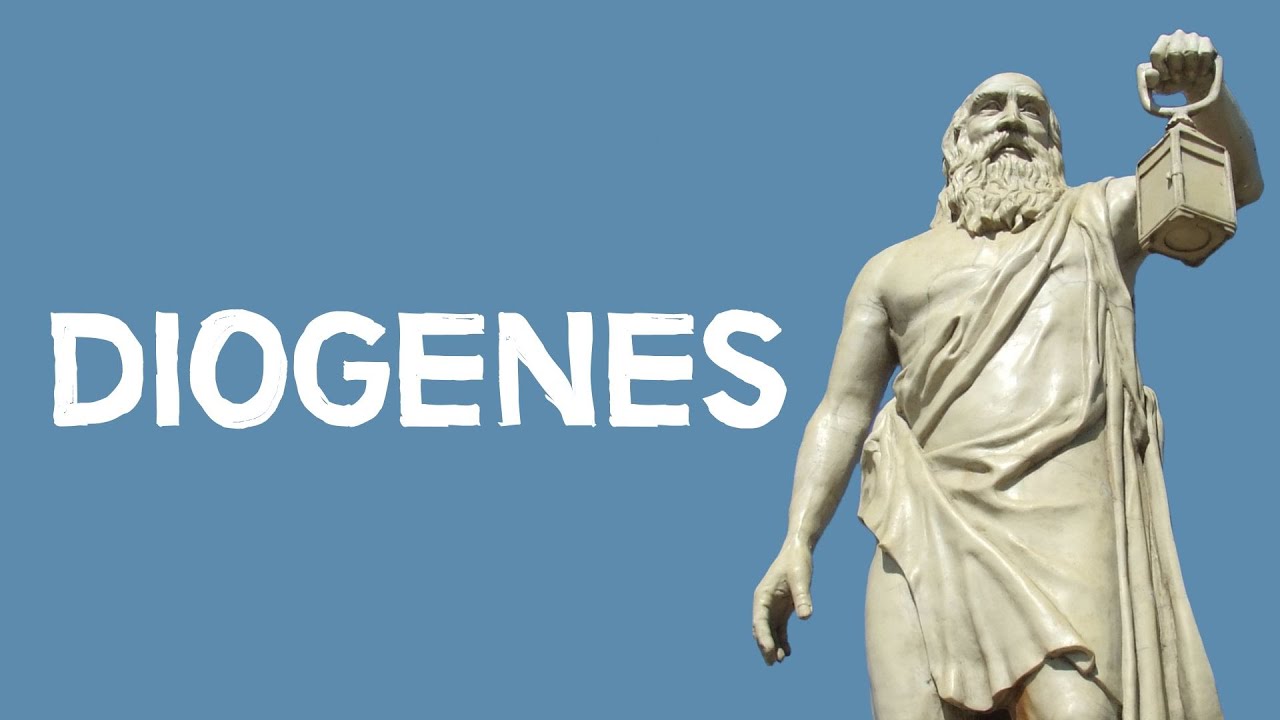
In the 4th century BCE, a banker’s son threw the city of Sinope into scandal by counterfeiting coins. When the dust finally settled, the young man, Diogenes of Sinope, had been stripped of his citizenship, his money, and all his possessions. At least, that’s how the story goes.
While many of the details of Diogenes’ life are shadowy, the philosophical ideas born out of his disgrace survive today. In exile, Diogenes decided that by rejecting the opinions of others and societal measures of success, he could be truly free. He would live self-sufficiently, close to nature, without materialism, vanity, or conformity.
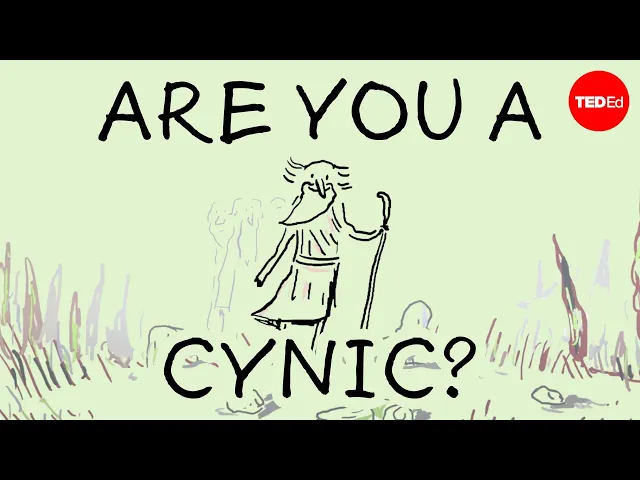
In practice, this meant he spent years wandering around Greek cities with nothing but a cloak, staff, and knapsack— outdoors year-round, forgoing technology, baths, and cooked food. He didn’t go about this new existence quietly, but is said to have teased passers-by and mocked the powerful, eating, urinating and even masturbating in public. The citizens called him a kyôn— a barking dog.
Though meant as an insult, dogs were actually a good symbol for his philosophy— they’re happy creatures, free from abstractions like wealth or reputation. Diogenes and his growing number of followers became known as “dog philosophers,” or kynikoi, a designation that eventually became the word “Cynic. ” These early Cynics were a carefree bunch, drawn to the freedom of a wandering lifestyle.
As Diogenes’ reputation grew, others tried to challenge his commitment. Alexander the Great offered him anything he desired. But instead of asking for material goods, Diogenes only asked Alexander to get out of his sunshine.
After Diogenes’ death, adherents to his philosophy continued to call themselves Cynics for about 900 years, until 500 CE. Some Greek philosophers, like the Stoics, thought everyone should follow Diogenes’ example. They also attempted to tone down his philosophy to be more acceptable to conventional society— which, of course, was fundamentally at odds with his approach.
Others viewed the Cynics less charitably. In the Roman province of Syria in the 2nd century CE, the satirist Lucian described the Cynics of his own time as unprincipled, materialistic, self-promoting hypocrites, who only preached what Diogenes had once actually practiced. Reading Lucian’s texts centuries later, Renaissance and Reformation writers called their rivals cynics as an insult— meaning people who criticized others without having anything worthwhile to say.
This usage eventually laid the groundwork for the modern meaning of the word “cynic:" a person who thinks everyone else is acting out of pure self-interest, even if they claim a higher motive. Still, the philosophy of cynicism had admirers, especially among those who wished to question the state of society. The 18th-century French philosopher Jean-Jacques Rousseau was called the “new Diogenes” when he argued that the arts, sciences, and technology, corrupt people.
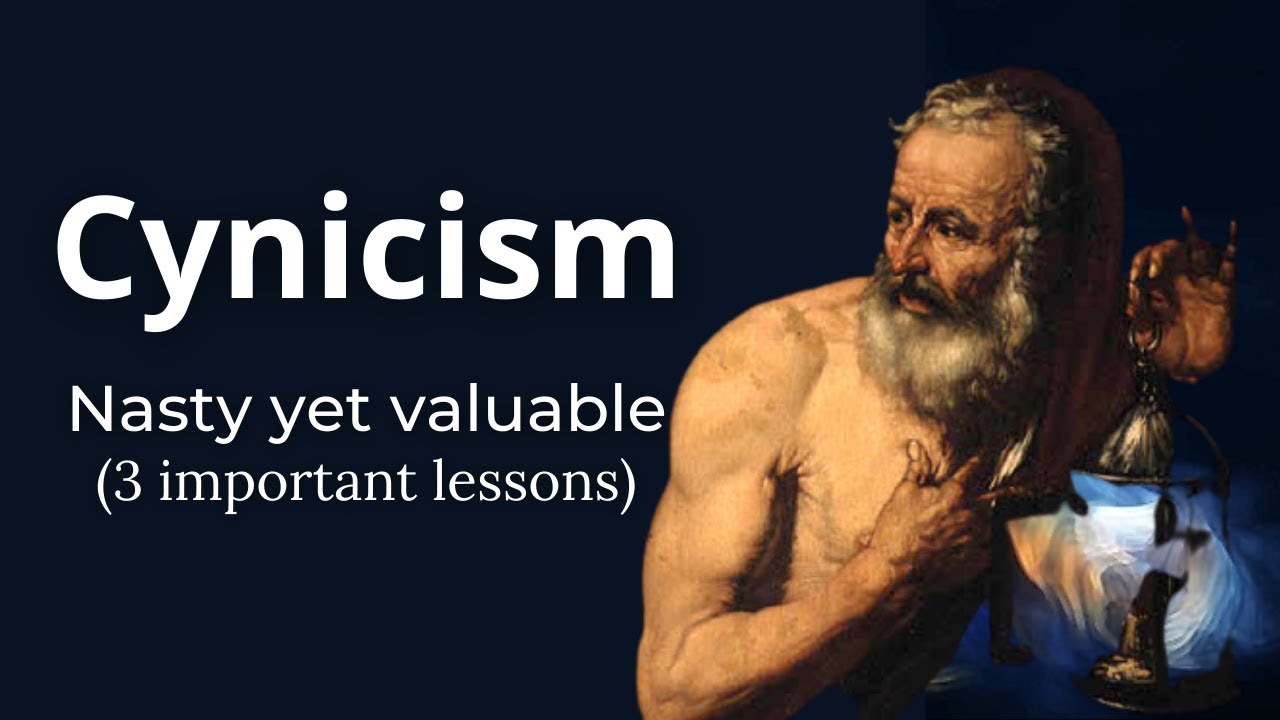
In 1882, Friedrich Nietzsche reimagined a story in which Diogenes went into the Athenian marketplace with a lantern, searching in vain for a single honest person. In Nietszche’s version, a so-called madman rushes into a town square to proclaim that “God is dead. ” This was Nietzsche’s way of calling for a “revaluation of values,” and rejecting the dominant Christian and Platonic idea of universal, spiritual insights beyond the physical world.
Nietzsche admired Diogenes for sticking stubbornly to the here-and-now. More recently, the hippies of the 1960s have been compared with Diogenes as counter-cultural rebels. Diogenes’ ideas have been adopted and reimagined over and over again.
The original cynics might not have approved of these fresh takes: they believed that their values of rejecting custom and living closely with nature were the only true values. Whether or not you agree with that, or with any of the later incarnations, all have one thing in common: they questioned the status quo. And that’s an example we can still follow: not to blindly follow conventional or majority views, but to think hard about what is truly valuable.