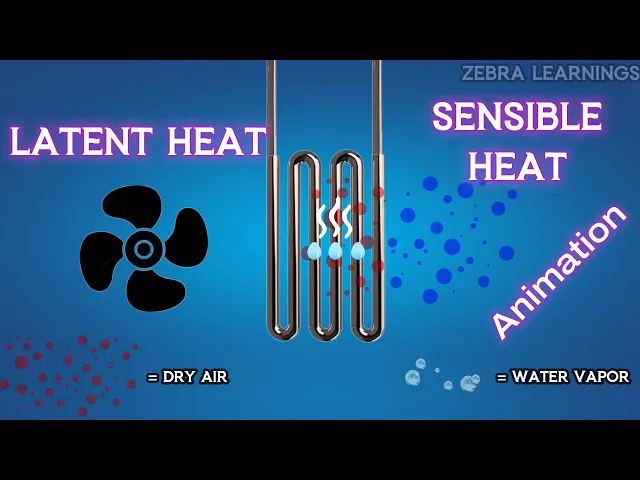
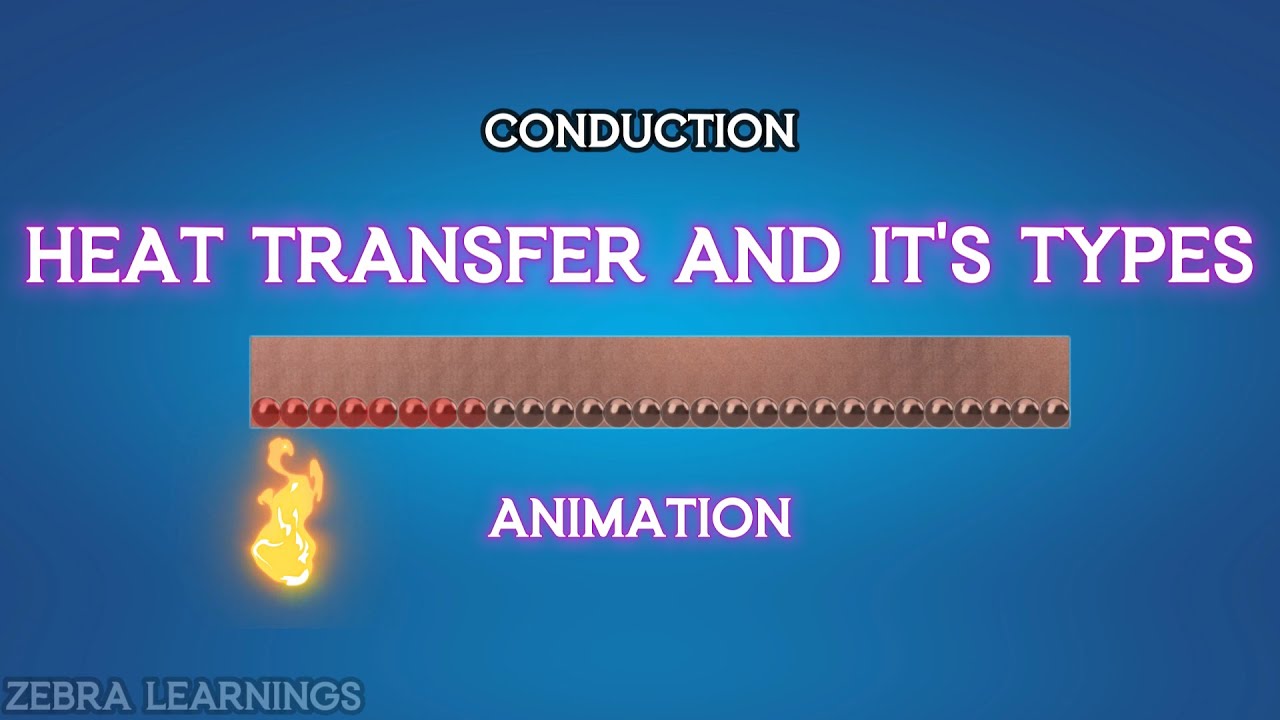
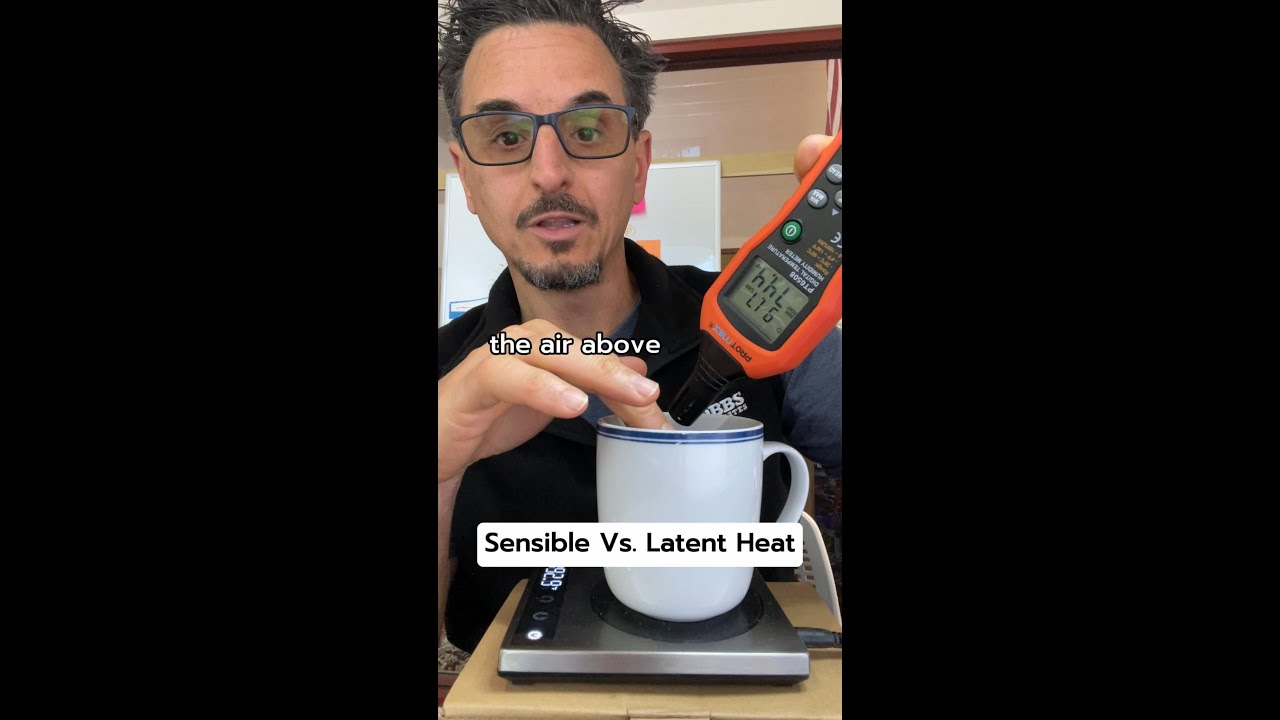
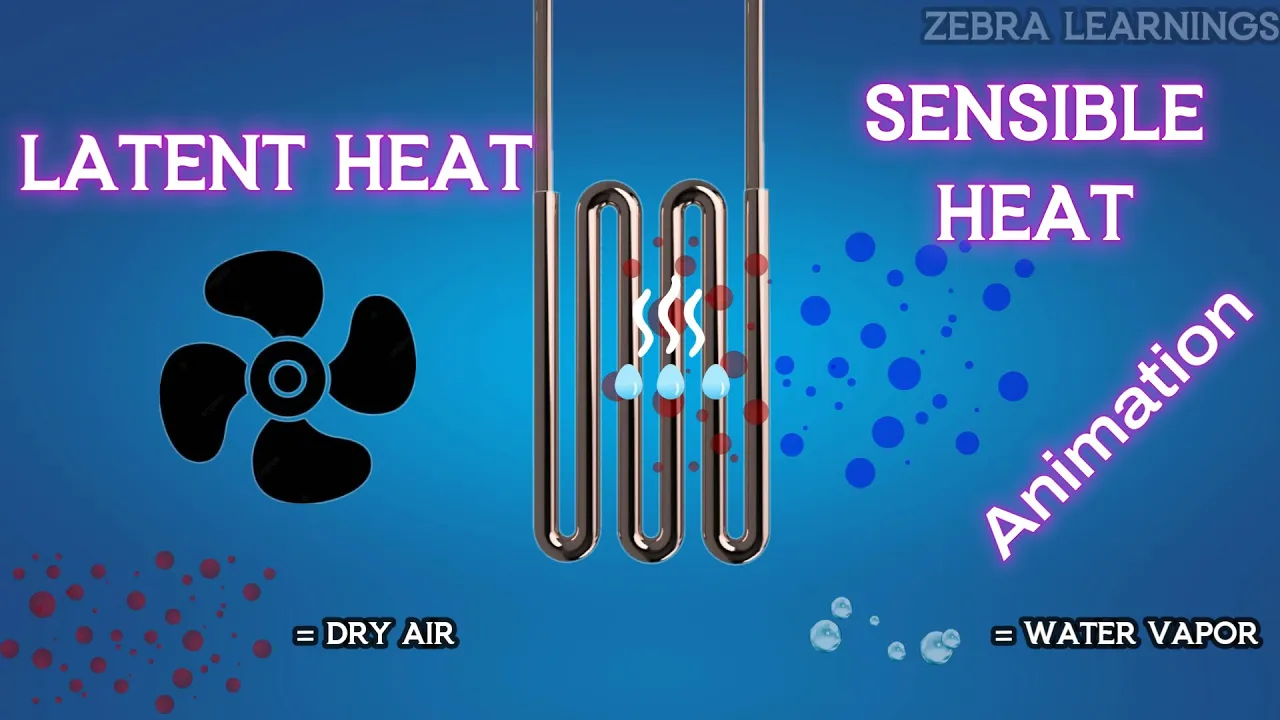
This video will provide a detailed explanation of latent heat and sensible heat. These are two types of heat. Let's look at an example to understand this topic easily.
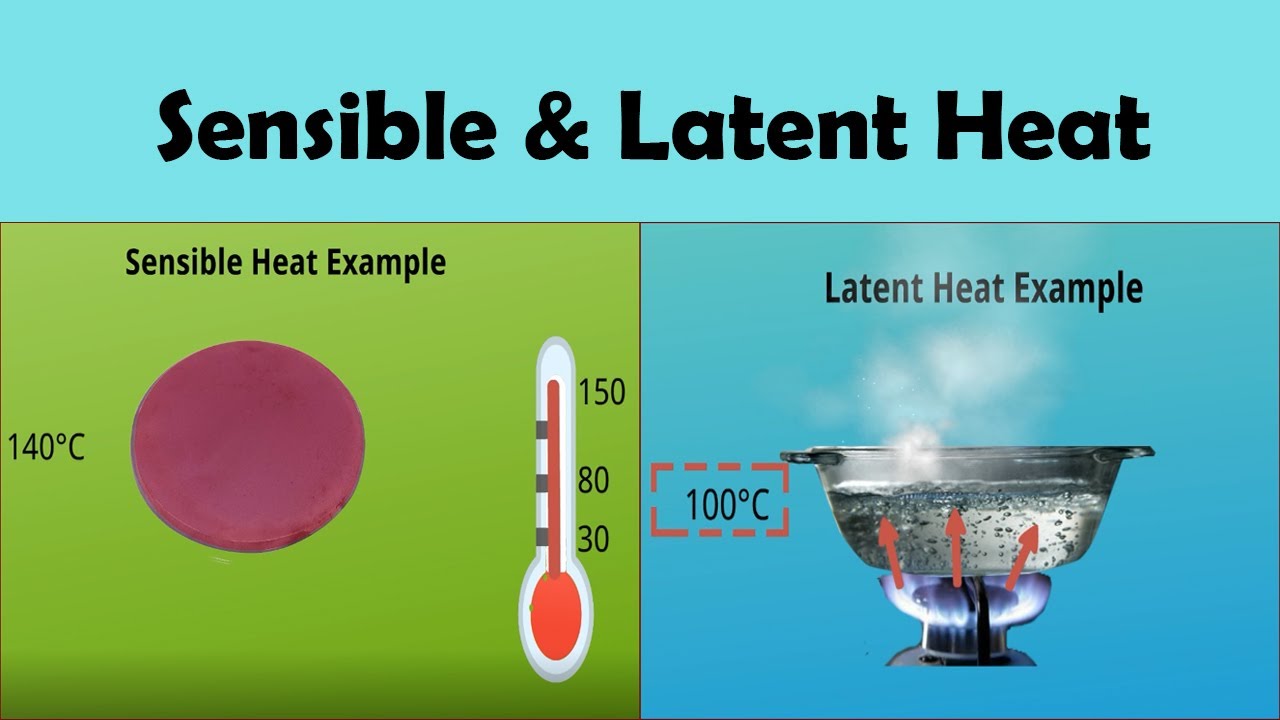
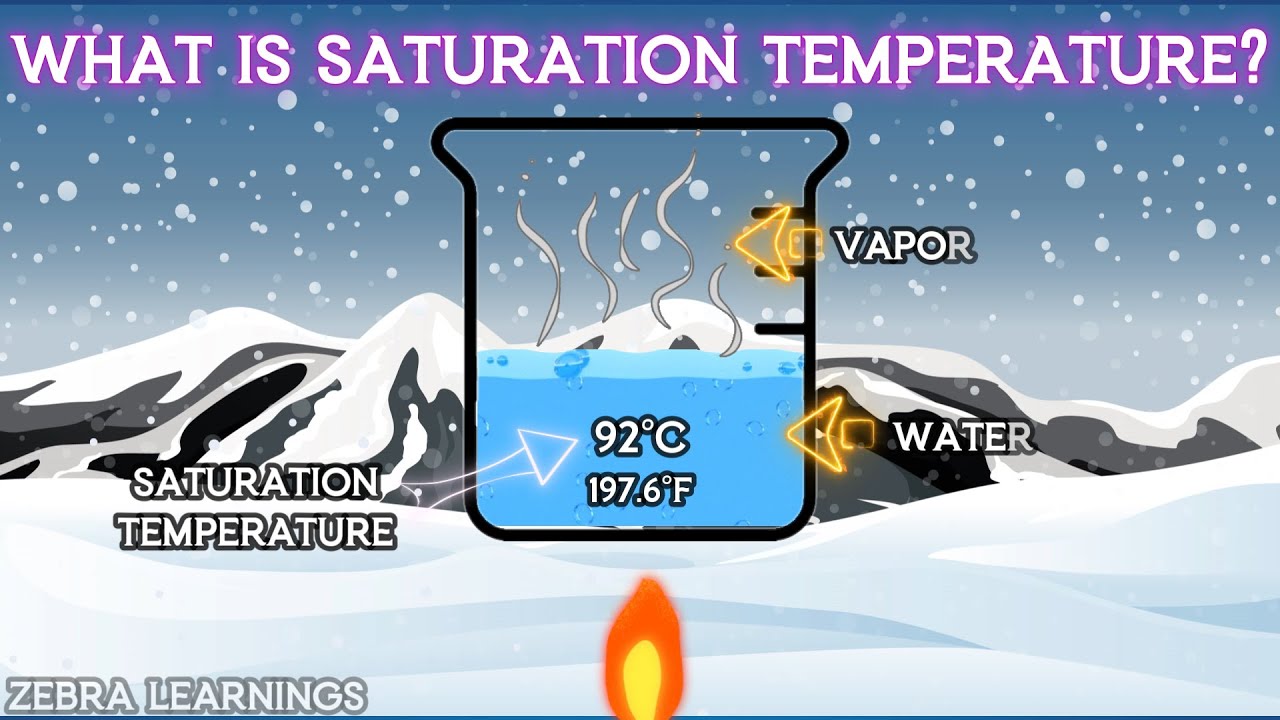
We can take water in a completely closed container. Now, we can heat this container. The heat will be transferred to the water little by little.
The transferred heat will cause the water temperature to increase. We can measure this with a thermometer. This measurable heat is called sensible heat.
If we continuously heat the water, its temperature will increase and reach 100 degrees celsius (212°F). However, after reaching 100 degrees celsius (212°F), the water temperature will not increase further. Even after reaching 100 degrees celsius (212°F), the heat we apply will be used to convert the water from a liquid state to a vapor state.
This heat required for evaporation is called latent heat. The water's temperature will not increase until all of the water has evaporated into vapor. Once all the water has evaporated into vapor, the temperature of the vapor will start to increase.
Let's heat this vapor up to 120 degrees celsius (248°F). At this point the vapor contains both 120 degrees celsius (248°F) sensible heat and latent heat (The heat used to evaporate all of the water. ) Unlike sensible heat, we cannot directly measure latent heat.
Let's understand what happens here in a more technical way. Water molecules are all joined together. When we give heat to water, these molecules vibrate a little.
When we give heat continuously, the vibrations of these molecules will increase. The molecules will vibrate until they reach 100 degrees celsius (212°F). when we give heat above 100 degrees celsius (212°F), the joints between the molecules break and each molecule escapes from the water surface and converts into vapor.
Here, latent heat is not a special type of heat. It is the same heat that we give to the water. The heat we give, makes the molecules vibrate is the sensible heat.
We measure the temperature based on these vibrations. When we give less heat, the molecules vibrate less. So, the temperature is lower.
When we give more heat, the molecules vibrate more. So, the temperature is higher. If the heat we give is used to break the joints of the molecules and make them escape from the water surface as vapor is called latent heat.
Now, the temperature of the vapor is 120 degrees celsius (248°F). After reaching 120 degrees celsius (248°F) We can now cool this vapor. When we cool the vapor its temperature will decrease and reach 100 degrees celsius (212°F).
After reaching 100 degrees celsius (212°F), this vapor will release the latent heat it has absorbed and condensed back into a liquid. The vapor's temperature will not decrease below 100 degrees celsius (212°F) until it has completely condensed into a liquid. Once it has completely condensed into a liquid, the temperature of the liquid will start to decrease.
Water doesn't evaporate only when it reaches 100 degrees celsius (212°F). Water can evaporate at any temperature. For example, we can take water in a bowl at 30 degrees celsius (86°F).
Now, the molecules on the top surface of this water will use the surrounding heat as latent heat and evaporate. But, this process is a very slow process. So, what we learn from this explanation is, latent heat is added to a liquid to make it evaporate into vapor.
When latent heat is removed from a vapor, it condenses back into a liquid. When latent heat is released from a vapor, it becomes sensible heat. Let's see what effect this has on HVAC.
So, I believe that you have a good understanding of latent heat and sensible heat from the explanation above. Now, let's consider a house. It is summertime, so the outside temperature is 35 degrees celsius (95°F).
The temperature inside the house is 27 degrees celsius (80. 6°F). Now, in our house water from sources like cooking, bathing, sweating, cleaning, plants and water leaks will use the surrounding heat as latent heat and evaporates.
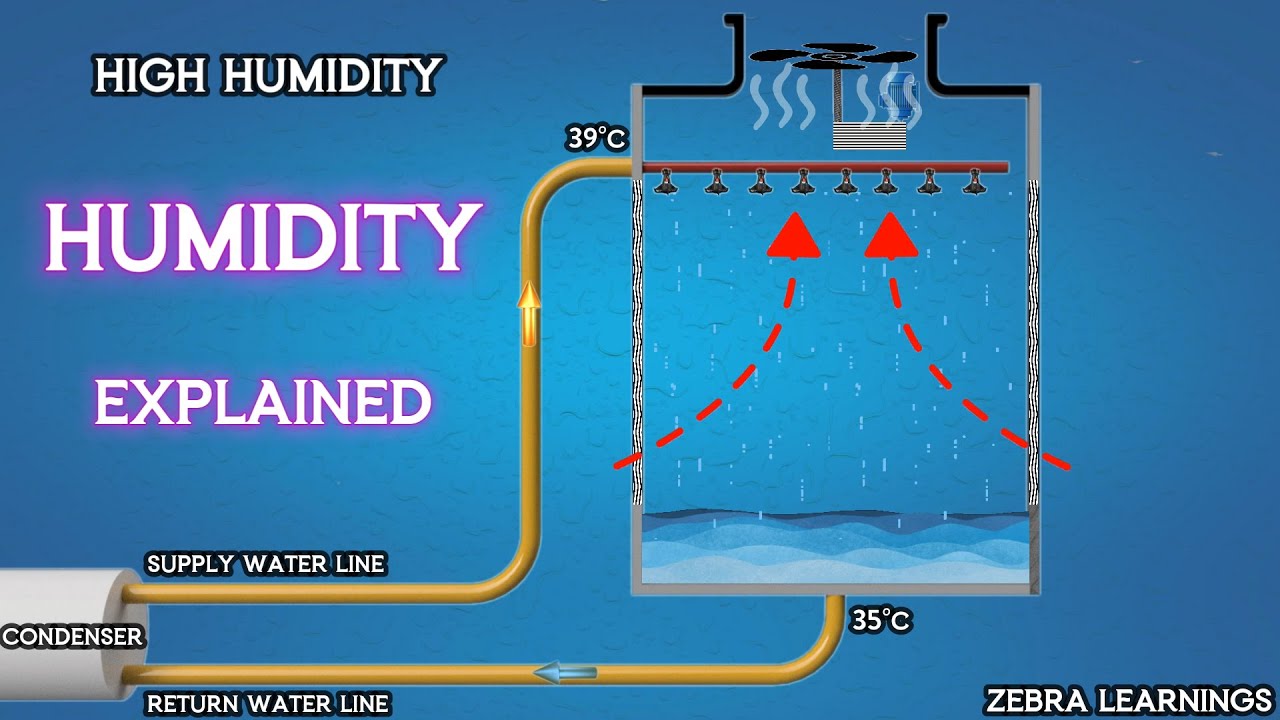
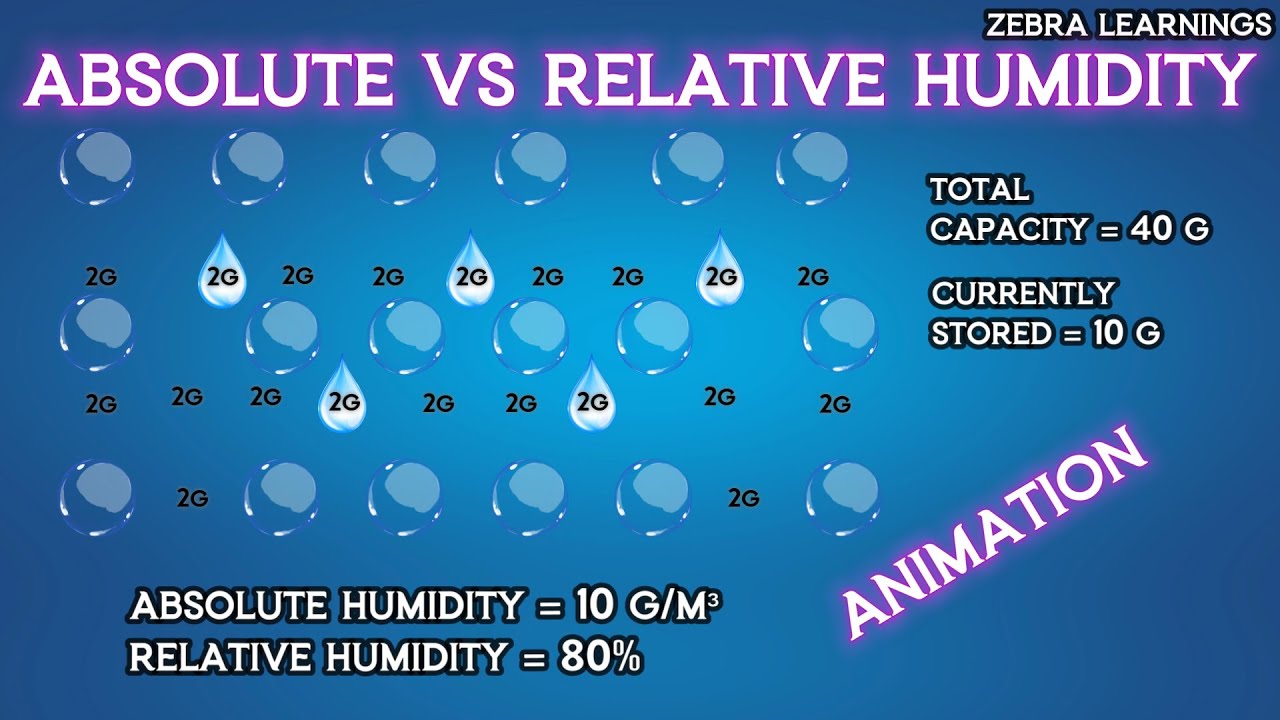
And it's mixed with the dry air inside the house. The water vapor mixed with dry air is called humidity. This humidity is measured as a percentage.
Now, the house has both 27 degrees celsius (80. 6°F) sensible heat and humidity that's mean latent heat. Let's say the humidity is 80 percent.
So, sensible heat is 27 degrees celsius (80. 6°F) and humidity is 80 percent. Now, in the room with a sensible heat of 27 degrees celsius (80.
6°F) and a latent heat of 80 percent humidity, we will feel a temperature of 30 degrees celsius (86°F). Even, if the AC remote shows the room temperature 27 degrees celsius (80. 6°F), we will still feel like it is 30 degrees celsius (86°F).
Because of the latent heat in the form of humidity. This is why weather reports often say that the outside temperature is 27 degrees celsius (80. 6°F) but it feels like 30 degrees celsius (86°F) due to the humidity.
In the future, we will upload a video on the topic of humidity and explain how humidity makes us feel hotter. Now, you have an idea about the problem of latent heat. Now, let's see how to control it.
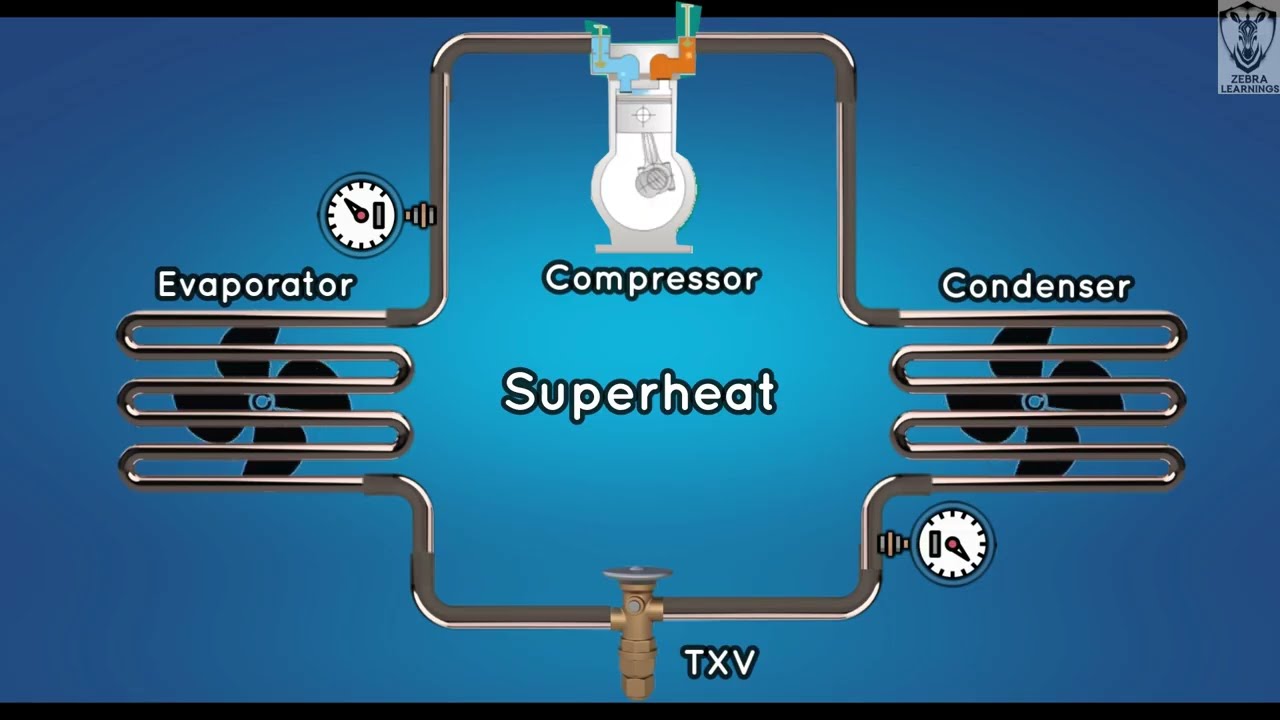
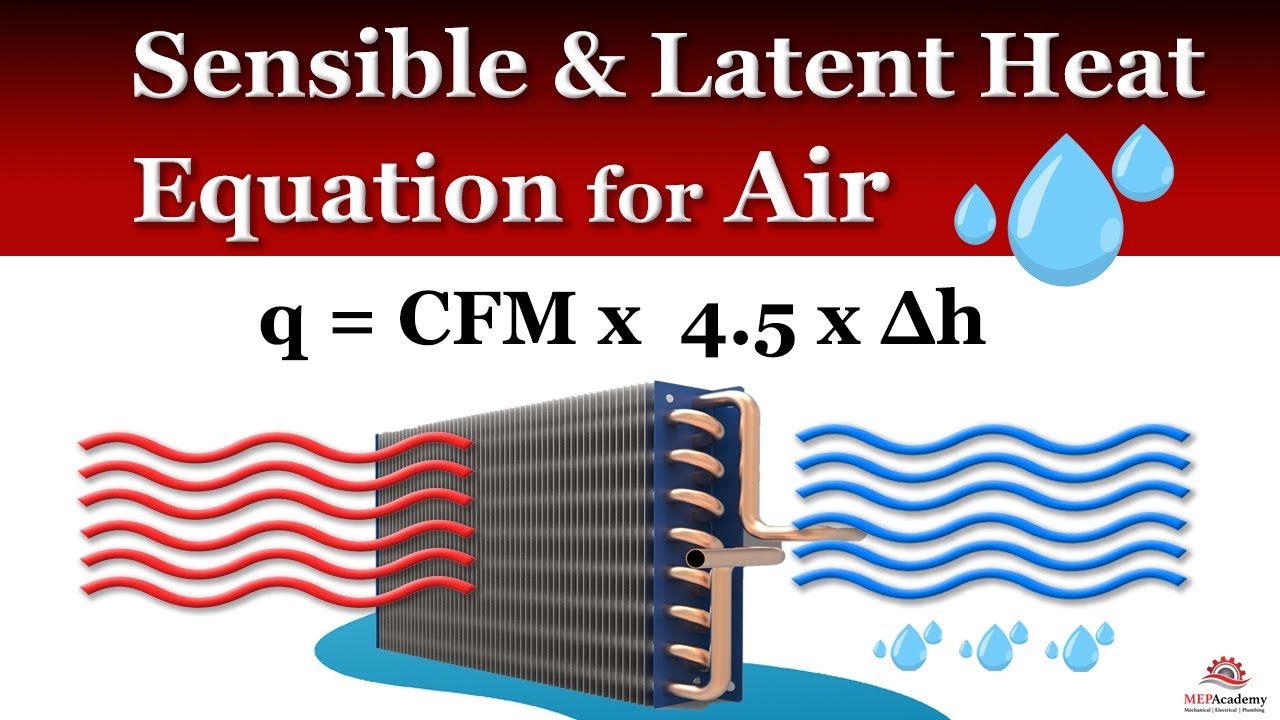
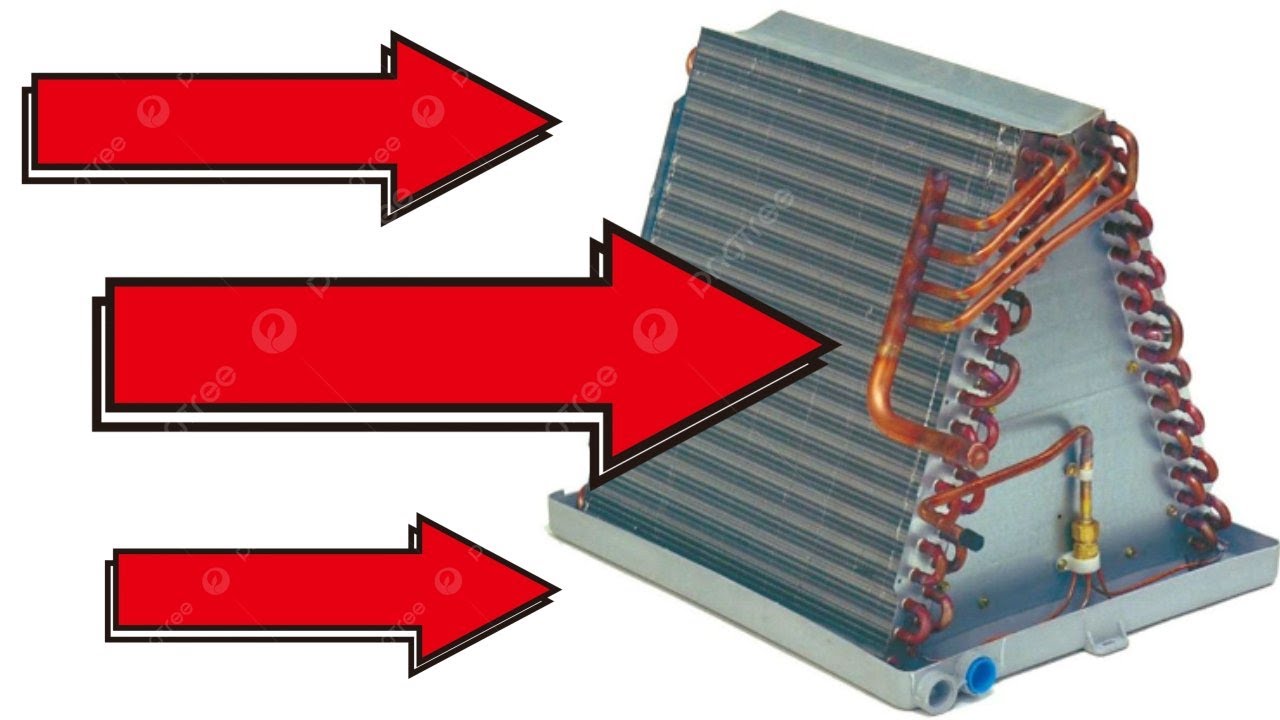
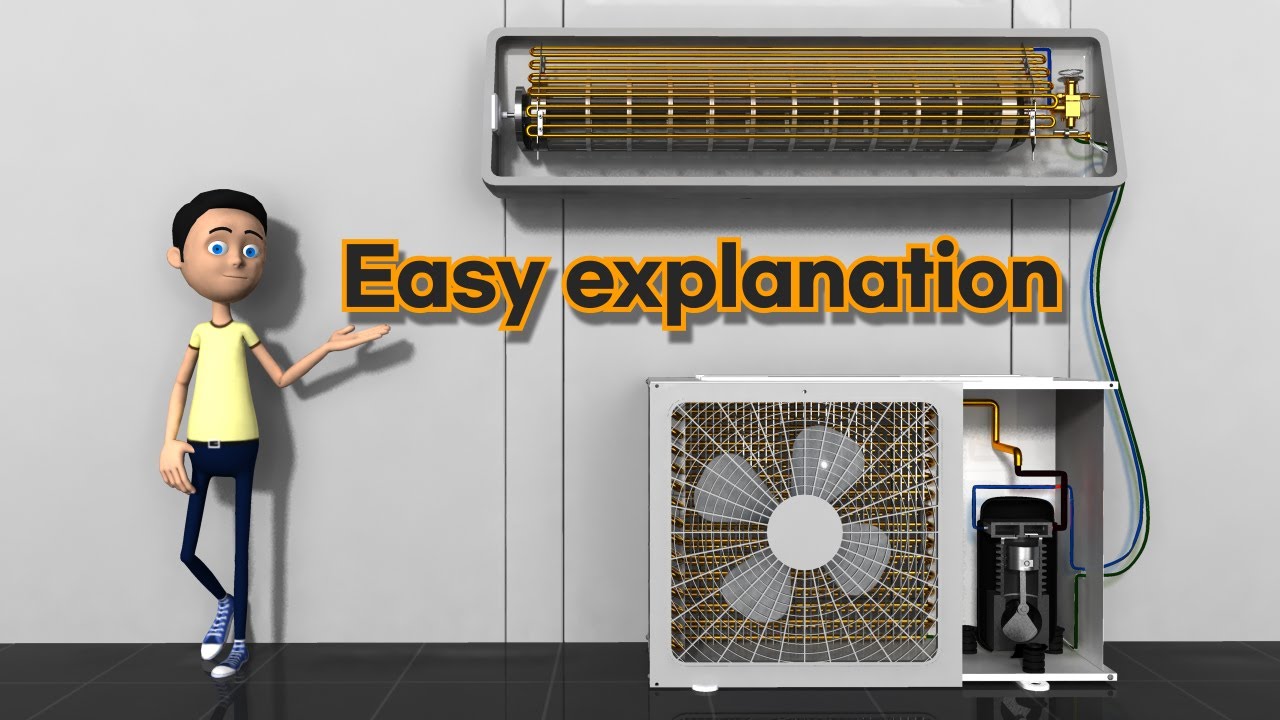
Normally all AC units reduce humidity levels. The entire process of reducing humidity takes place in the evaporator coil. Refrigerant travels at a very low temperature in the evaporator coil.
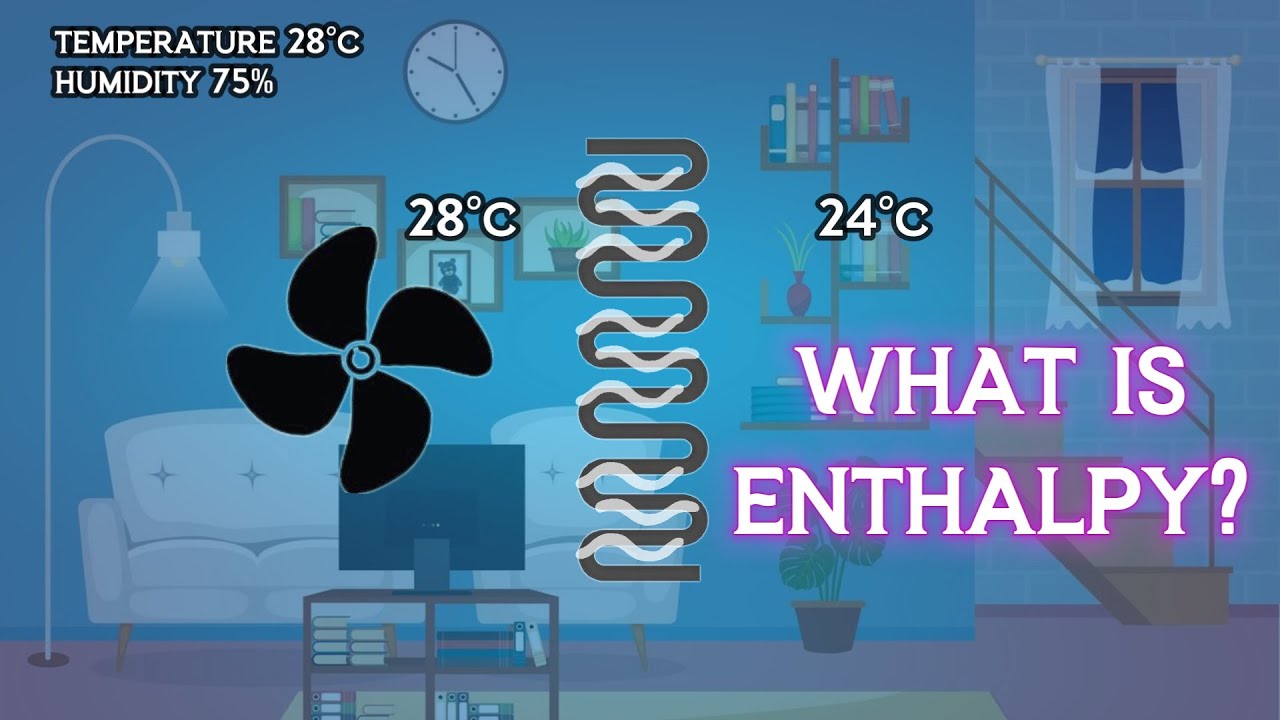
This makes the evaporator coil very cold. All the air in the room travels through the evaporator coil using a blower fan. When the air travels like this, the water vapor in the dry air also travels through the evaporator coil.
When dry air travels through the evaporator coil, its temperature decreases and we get cool air. When water vapor travels through the evaporator coil, its temperature decreases and as we explained earlier the water vapor releases its latent heat and condenses from vapor to liquid. The released latent heat is converted into sensible heat.
. This is how an AC unit reduces the humidity in a house. However, if the humidity level in the house is very high, the ac unit may not be able to control the humidity effectively.
In this situation we will feel a sticky and sweaty feeling when we are in the house. Using a dehumidifier to control the humidity level in the house can help avoid these problems. We can learn more about humidity, how humidifiers and dehumidifiers work and more in our next videos.
I hope you understand sensible heat and latent heat clearly through this video. If you have any doubts, ask them in the comments section. If you liked the video, please like the video and share it with anyone you think will find it useful.
Don't forget to subscribe to our Zebra Learnings channel.