what is geology Geo is Greek for Earth supplemented by the Greek logos account or discourse my 1980 glosser of geology defines it as the study of the planet Earth the materials of which it is made the processes that act on these materials the products formed and the history of the planet and its kinds of life since its origin many fields of Investigation disciplines are involved in this study and no one individual can Master more than one or two of them but the accepted basic premises of the science are few indeed so few than anyone who
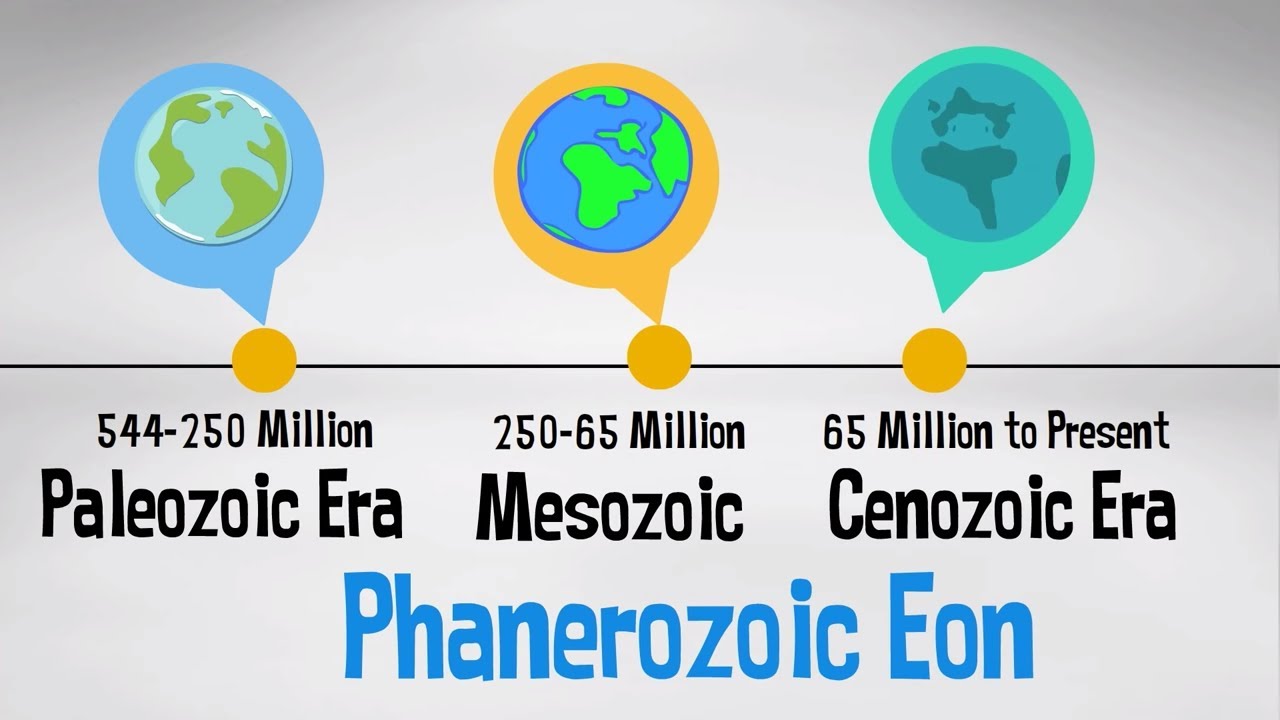
wants to can grasp their import here they are premise 1 states that the planet Earth began its existence 4 and a half billion 4,500 million years ago or was it closer to 4,600 million how can one comprehend such an immensity or depict it in a way that makes it apprehensible here are 10 attempts to do so note that in all of them time is indicated not only in absolute chronometric form mainly millions of years but also in a relative or chronographic form in which names have been given the successions of rocks each with a characteristic
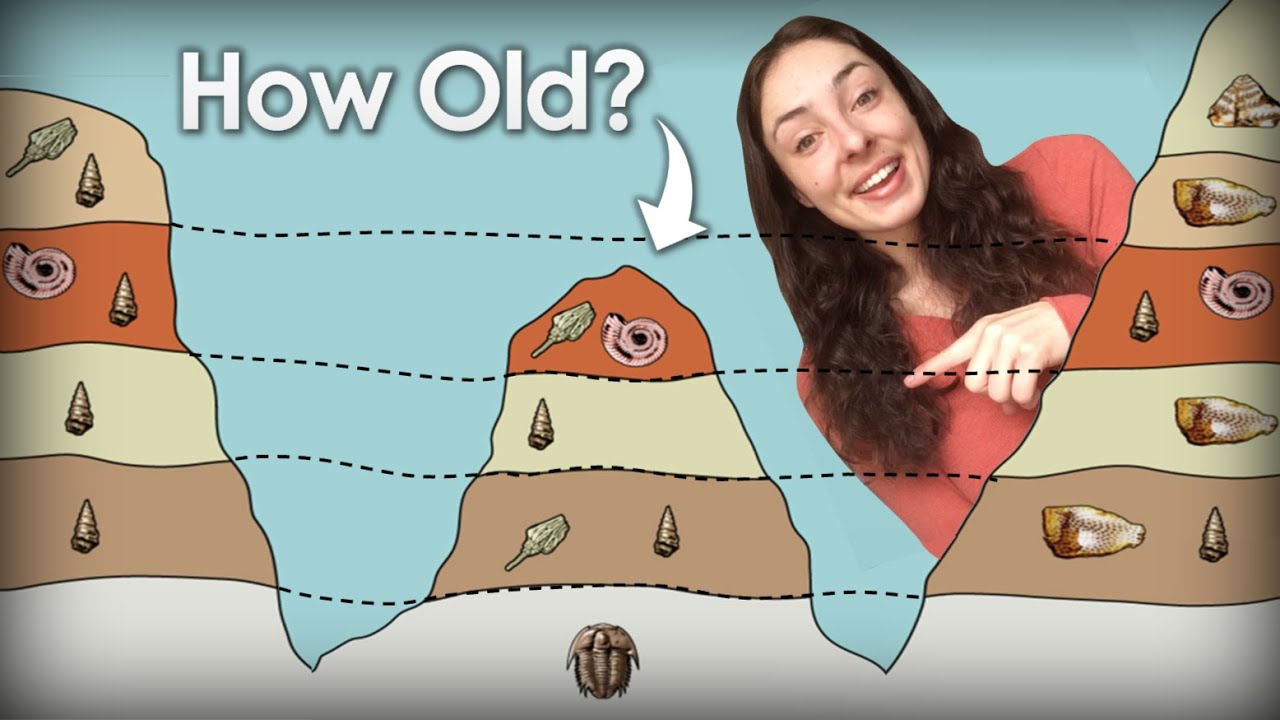
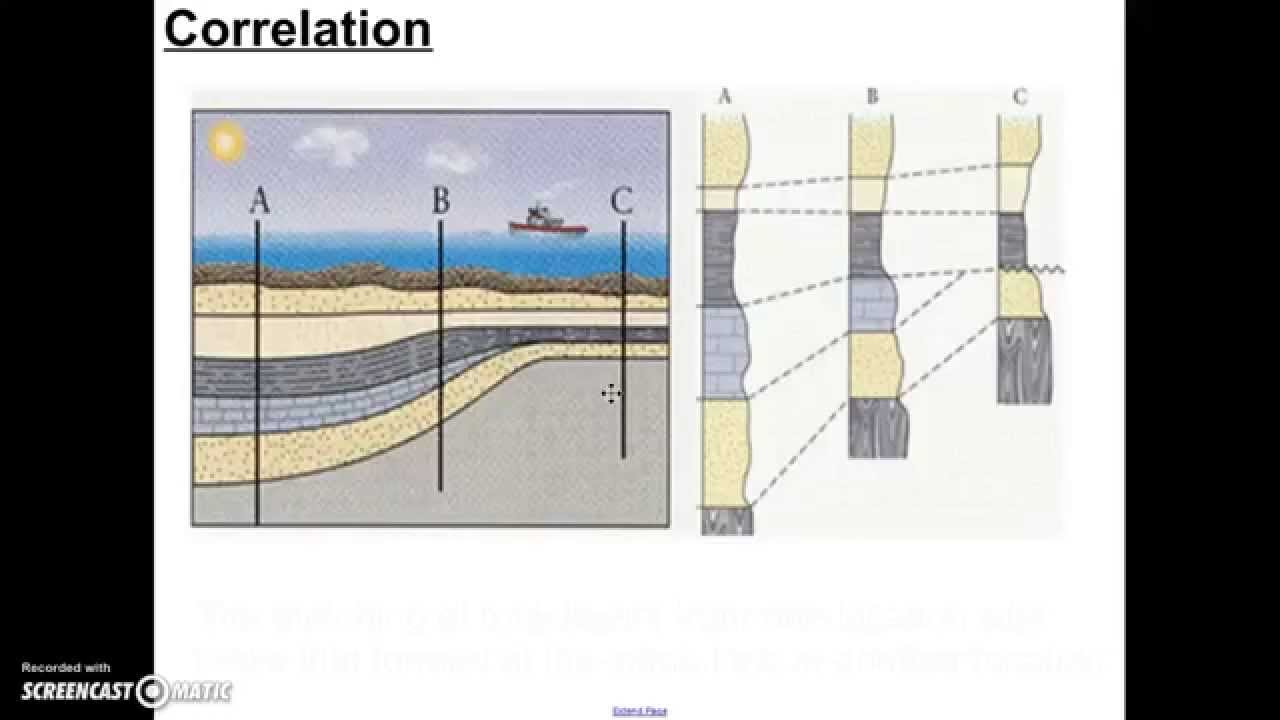
fauna and Flora this method of categorization is called stratigraphy the science of defining Rock St we'll go into that in another show here just remember Eon the largest unit of statgraphic terminology and era and period the that represent successively finer divisions of rock units here is a recent calibration as does the preceding spiral the bar represents geologic time since the Earth formed the portion outlined in red is the feroo Eon 543 million years long but only about 12% of the time that the Earth has existed yet it is only during this last modicum that life
evolved from relatively simple organisms into the infinite variety of forms that once lived or live [Music] today this is the first of a series of slideshows planned to give the interested Layman an overview of the fundamentals of the science of geology the use of many of the terms of its specialized vocabulary is unavoidable but their meaning is made clear on the slides or in the accompanying commentary this installment discusses only premise one geologic time and explains how it is measured give or take a million years or two most geologists are satisfied with the accuracy of
dates for older rocks and refinements are being achieved continually but for the furoic Eon the time during which the evidences fossils of multicellular life are most abundant they want and need more Precision for serle decades the lower limit of the ferzo Eon was calculated to be 570 million years ago and it is so indicated on some of the charts just shown you here but as the red arrows on recent charts point out the lower limit of the feroo Eon is now more accurately determined as 542 or 543 Mill million years ago how do we know
that the number 543 and the others used to calibrate the named Rockers are valid the main thrust of the remainder of this discussion about time is an attempt to answer that question restated the question is how do geologists ascertain the chronological age of the bound iies of the rock units they Define and name answer by refining the measurement of time derived from Nature's calendar and clock the Isotopes of certain elements what are isotopes Isotopes are atoms of any one element of which the nuclei are identical in proton and electron count but differ in the number
of neutrons each isotope also called a nucleid is identified by a number the sum of its protons and neutrons attached as a prefix or suffix to its name or symbol you have just seen five examples of this practice an isotope that disintegrates spontaneously to form another element a daughter isotope is said to be radioactive the pace of the ejection of particles causing transmutation of the parent element into its daughter replacement is called the Decay rate although anyone ejection is unpredictable the periodicity of the expulsions is invariable immutable that fact makes Decay rate usable as a
clock for geologists the Decay rate is expressed in terms of halflife the number of years required to change half of the parent element into its da replacement only a few radioactive nucleid have half- lives commensurate with the duration of beon this table of the elements shows that three long lived Isotopes are rare Earths and two are alkaline metals but on this list of radioactive nucleid suitable for geologic dating six Isotopes are listed for both uranium 238 and uranium 235 have long half lives and two others are unlisted ranium 187 andium 176 this is the expression
used to calculate the age of the Rock in which radio nuclides occur along with the Decay constant Nitro by cellometer the proportion expressed by the fractional ratio of V over p parent is the key to the length of time The Rock has existed in other words the remaining relative amounts of the parent and daughter isotope can be employed to determine the age of a rock this is done by comparing as decimal percentages the ratios of daughter elements of the radioactive decay to that of another stable isotope of the daughter element in the same Rock and
in other rocks their linearity on a straight line graph called an isochron confirms validity note the list of stable reference Isotopes in the upper part of this chart radioactivity is classified into three main categories known is alpha beta and gamma along with fourth called Neutron which is in fact fishing five of the radio nuclei listed here amid a particle made up of two protons and two neutrons the alpha particle a secondary potassium 40 daughter Arron 40 is a product of beta Decay only Arron 40 is used for dating because most rocks already house the alpha
daughter calcium 40 the transmutation of idium 87 to strum 87 is a beta minus event with one Neutron losing an electron to become a proton the alpha disintegration of thorium 232 and many other radio isot also involves an electron capture that raises the energy level of the daughter atom as the level Falls to a lower State a high energy photon is identical to some x-rays a gamma ray is released all of the radio nucleid used to date old rocks were produced by the explosions of supernova long before the solar system existed in a process called
explosive nucleo synthesis but there is a radioactive isto produced every day that can date more recent events see conclusion the second part of this essay on geologic time