a victim and an offender come together in space and time the offender causes harm to the victim perhaps by physical assault or stealing property from the victim the harm can include mental or physical abuse and can occur in the absence of the victim and other parties could be affected by the harm caused family friends colleagues as a consequence of the offender's actions a conflict and harm has occurred between the victim and the offender if or when the offender is identified and the police arrest them for the crime the mechanisms of the criminal justice system comes
into play the purpose of the justice system is to bring about justice it's not about reconciling the conflict or addressing the harm that exists between the victim and the offender in fact if we look at the way the justice system works it becomes apparent that the parties actually involved in the conflict or harm the victim the offender become increasingly separated police investigate the crime and collect the evidence police custody officers ensure the safety the offender whilst in custody victim services help the victim with emotional and practical support the Crown Prosecution Service ensures that there sufficient
evidence to prosecute the offender the defense solicitor represents the offender and advises whether to plead guilty or not guilty witness services look after the needs of the witnesses including the victim if they're required in court if the offender pleads guilty the victim will not be asked to attend court legal Clarkson sure the court process works the jury determines the innocence or guilt of the offender the judge oversees the trial and decides on the sentence for the offender probation services manage the offender during and after they have served their sentence prisons incarcerate the offender for the
length of any custodial sentence so justice is seen to be done but the original conflict and harm is still there the only people who can resolve this conflict are the victim and the offender the person who was harmed and the person who caused the harm with a restorative justice approach the focus is on bringing the victim and the offender together this provides them with the opportunity to communicate with each other directly or indirectly often for the first time since the original conflict or harm this might be by an exchange of letters or it might be
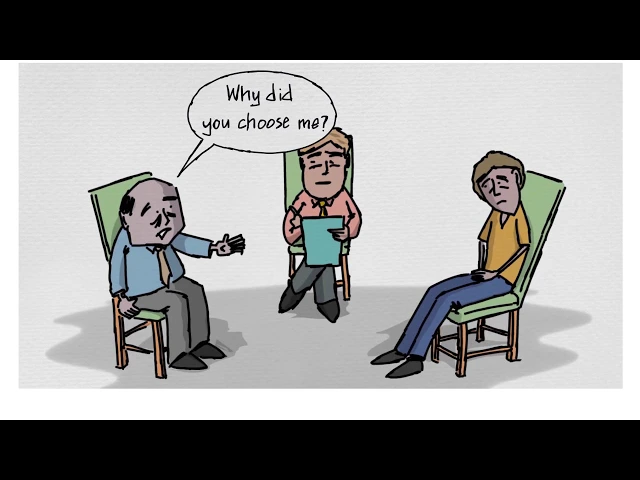
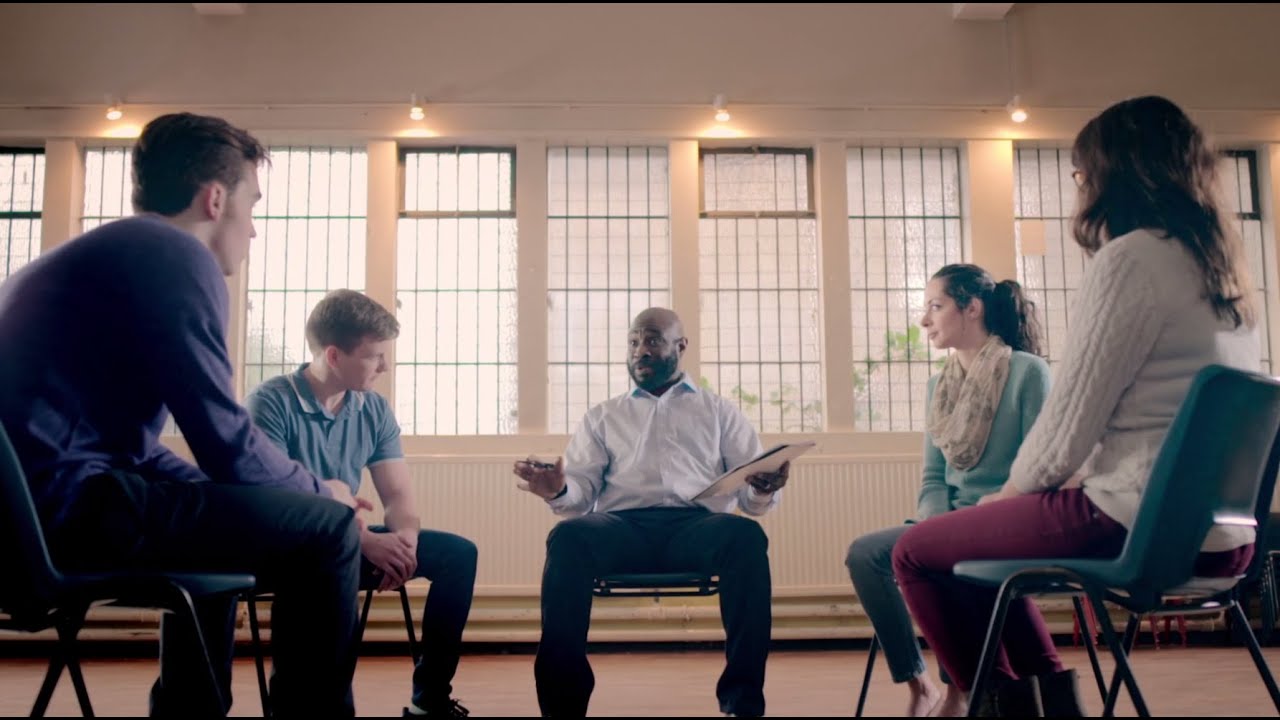
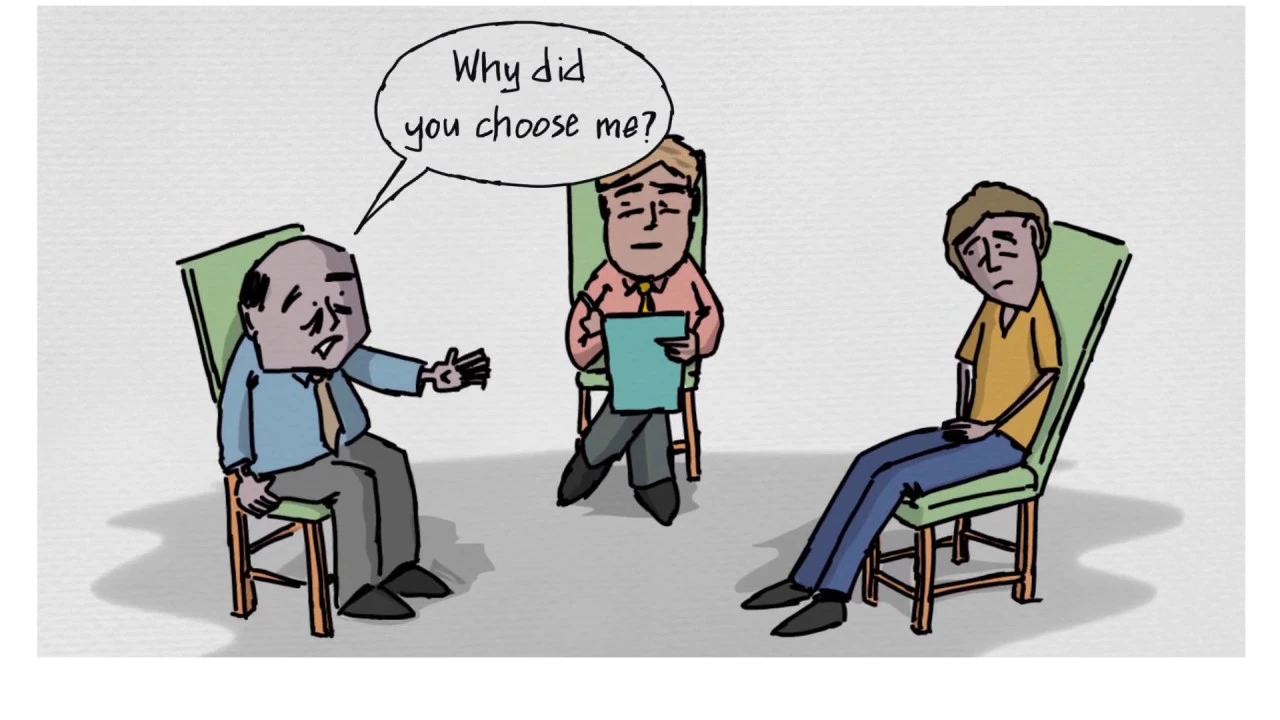
in a face-to-face meeting of course both must agree to the meeting which will only occur following careful preparation and the risk assessments by a trained restorative justice practitioner the meeting facilitated by the practitioner follows a structured approach and takes place in a neutral and safe environment both are given the opportunity to have their say the victim might ask why did you choose me have you been following me what's happened to my iPad do you know how this has affected my children and they might say I want to see you change I don't want this to
happen to anyone else I haven't slept properly since I've had to move house and the offender the offender has the opportunity to answer the questions being asked of them and perhaps to explain their behavior to the victim and for probably the first time they see and hear the real impact of their actions on another human being at the end of a restorative justice meeting the victim and offender decide together how the offender can repair the harm that they've caused and perhaps how the offender can take steps to change or stop their offending behavior in future
this may be by providing answers an apology a promise to change their behavior or not to approach the victim in future it can also be a reparative activity the parties then go their separate ways but the victim has been given a voice answers to their questions and the opportunity to move on which helps them to cope and recover from the crime and the offender is presented with an opportunity to take responsibility for the harm that they've caused display remorse and be motivated to change their lives you