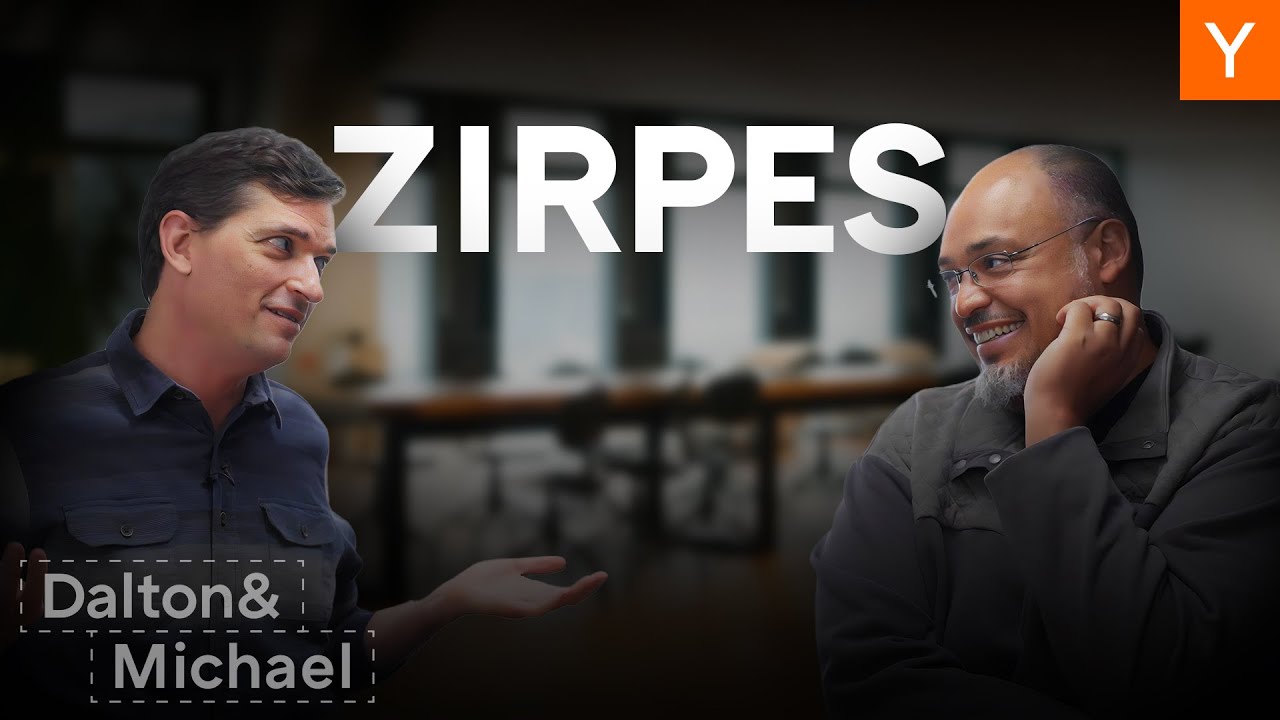
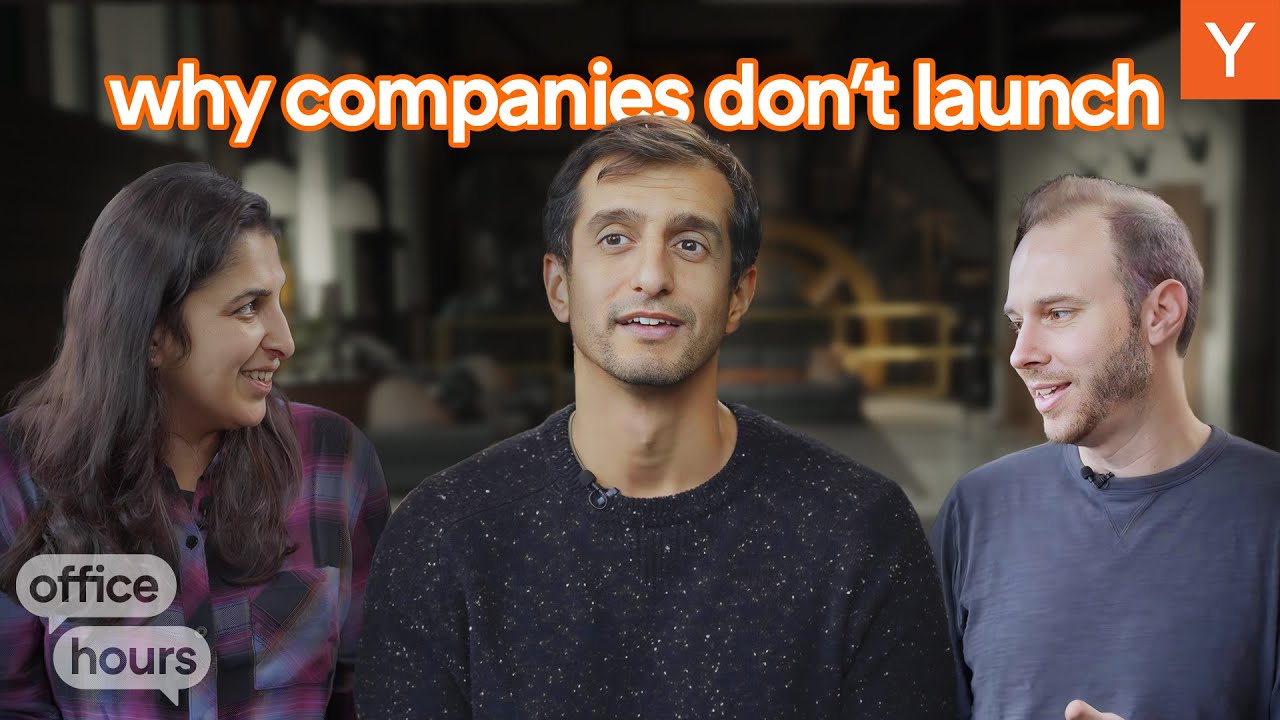
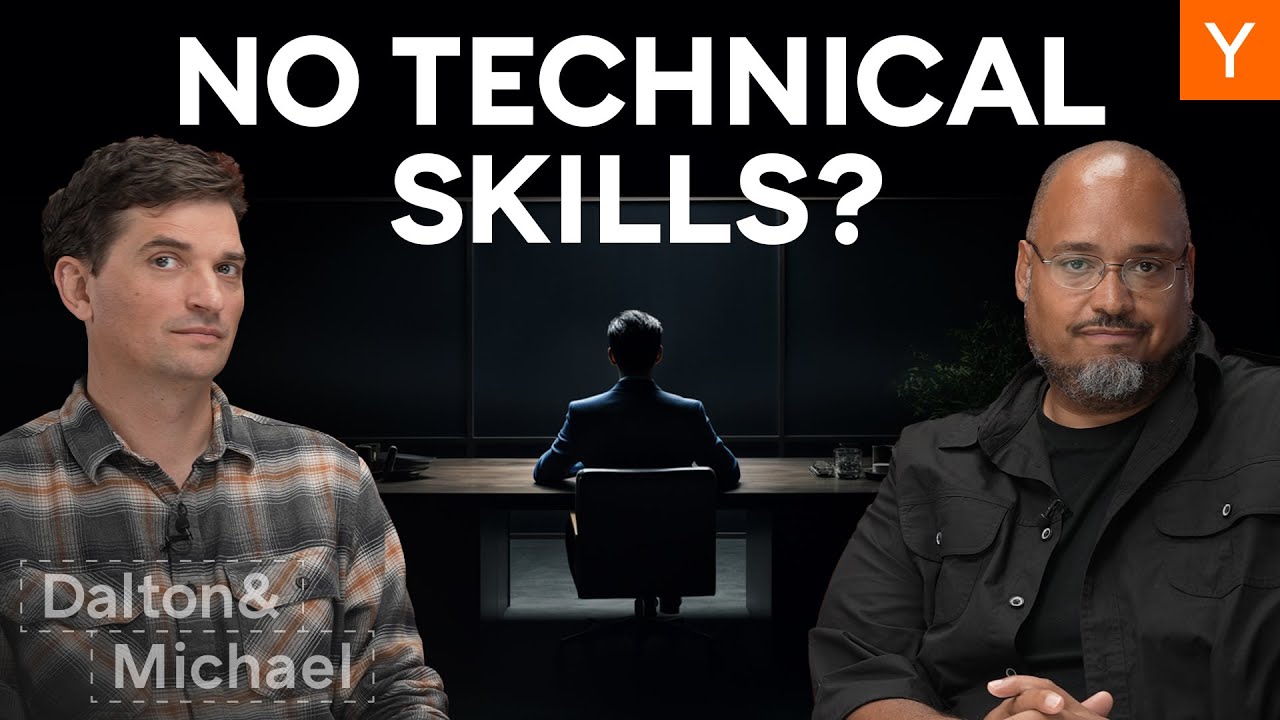
you got to figure out your technique for cutting through the bureaucracy you've built yes to figure out what's going on I think the really encouraging thing from Brian's talk is that it doesn't matter how big your company is and how big your bureaucracy is like you can change it this is Dalton plus Michael and today we're going to talk about founder mode oh jeez founder mode so um we were at the YC alumni event and um saw the founder mode Talk and more than that like we've interacted with tons of YC late stage Founders over
the year and kind of know um a lot about what happens when companies get late stage and um I think a lot of people in the room were really excited yeah yeah I mean so to set this up um we did a special event just for growth stage late stage YC Founders yes you know so picture a room couple hundred people you know pretty full y um all the founders of late stage growth stage YC companies companies making tens of millions or hundreds of millions so not B companies when you think of YC companies you
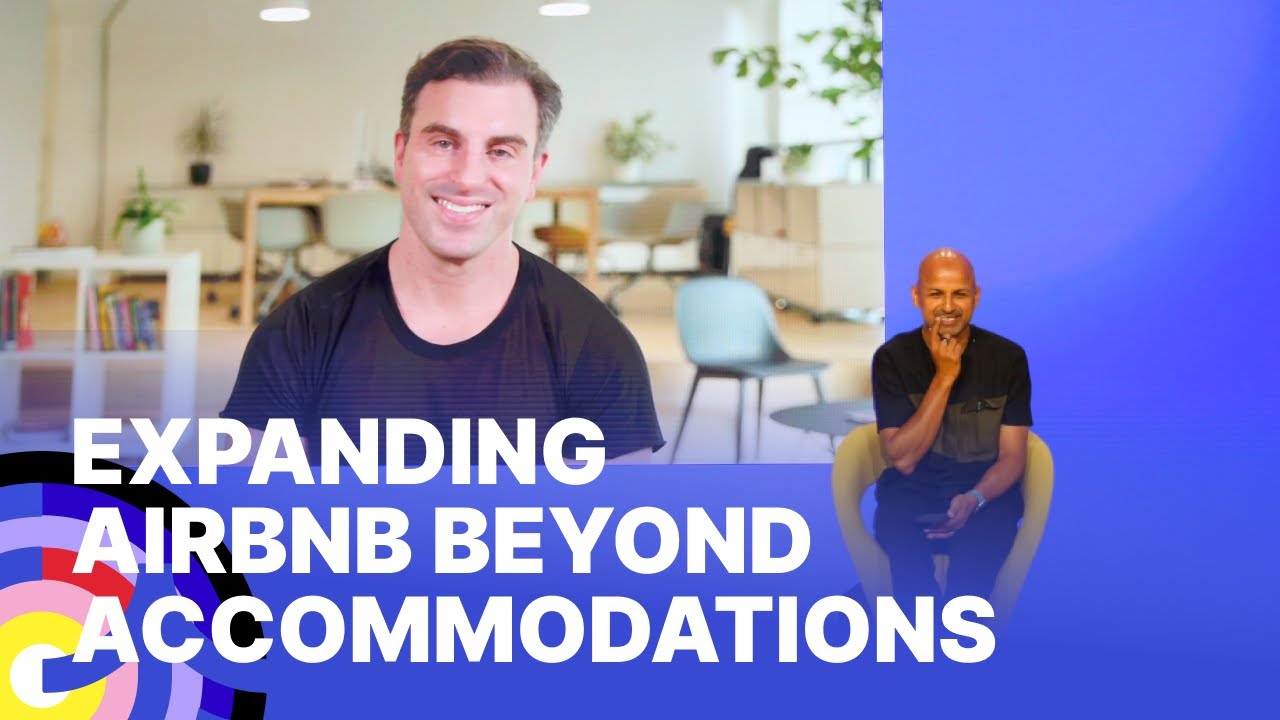
may be thinking oh you know two person startups no not that these were the these were the folks that have hit product Market fit and who have a lot of employees and we brought them together to like learn from each other and share notes and so of course Brian chesky was one of the speakers that we had there because he is a hero of running a late Stage Company and yeah going through all sorts of things and the prompt as I understand that he was given was give a talk specifically tailored for the later stage
companies right like especially for what you went through with Airbnb what do people need to hear that are also late stage Founders yes okay so that's the setup that it's worth mentioning we were we were there pretty relevant pretty relevant setup yes and I think that the core message that I really think is hard for early stage Founders to understand is that when you're a late stage founder and you have to hire Executives and then layers of management it's hard to have a feeling for what's happening in your company you know you very quickly hit
dunbar's number and none of the people include people who are maybe talking to customers or writing actual code or making designs especially if you don't curate that list well and there are a lot of people who are slowly starting to feel like you know almost like they're operating a marionette like it's not my own hands and my own eyes anymore doing the work in a company I'm like so separated it's hard to understand what's happening and I think that's a problem that a lot of later stage Founders have and so that's really kind of yep
the the the kickoff was like hey are you feeling like that yeah well well again the context is if you're a later stage founder I experienced this at my startup and I know you did too it is very typical for your investors and your board to say hey you need a big management team you need to delegate and you need to hire all these experts and they know better than you and so you need to stay out of the details and again you would never investors would never say this to a two person team so
again to the extent people out there in the world are trying to understand how this relates to their tiny startup it does not doesn't it's just what you know if you scale yes scaling means hiring Executives and delegating major parts of your business and kind of assuming they know better than you because they have a fancy resume okay and so the real Point Brian was trying to make and then PG in his blog post I would argue was hey this thing that is considered conventional wisdom about how to operate a growth stage startup seems wrong
and no one's ever talked about that before gee and and I would argue that there's been some critique on this point I think that act that critique is accurate I don't think there's a business book you can find that says like you know what the greatest CEOs did hard a bunch of Zex and went on vacation so like I don't actually think anyone is arguing the other side that's a no one's arguing no one's arguing that I think it's much more like oh hiring Executives and Management's hard yep and when you don't do it well
you kind of get in this trap yeah and I think a lot of what Brian was trying to do is get people advice and like how do you get yourself out of this trap yeah well here's a really concrete example or rubric for it it's just how many layers of management there is relative to how large your company is I was even reading a an article recently that Amazon's about to do a big reorg kind of sounds like it was influenced by founder mode if I'm real Maybe not maybe it's a coincidence but they're just
trying to look at how many layers of management between yes the the entry level folks in the CEO and just try to move several layers and what's hard to understand when you have an org that's like a th000 2,000 plus people is it sounds so cont especially because it's a software company just knowing what's going on is really hard like just like you would be shocked at the questions that a startup can answer about its users and its products that a large company the answers are tricky and like I've heard of companies you know hiring
consulting firms because like we don't really know how to answer the question who are our users and yeah let's pay McKenzie to find out who our users are yeah it's really tricky um and like that doesn't like it's hard it's really really hard I think the other thing that people don't realize is that when a company gets to these thousands of people bureaucracy sleeks in and bureaucracy isn't a a government problem it is a organizational problem and how many people need to weigh on on a decision how many people need to approve a decision how
much how many additional pieces of approvals are created because one bad thing happened once yes so there there's now all this red tape cuz this one thing happened 10 years ago years of oneoff bad thing this can never happen again they just pile up yes and then suddenly the things that are important which are you know talking to your users understanding what the complaints coming in from customer service are using your own product understanding how your product fails people like those things it's it's weird to say it out loud but those things somehow get shoved
down the list and it's easy to trust other people like hey I need to manage this bureaucracy and it's your jobs to do what I used to do which is like serve the customers and I think that mentality is is is wrong is very very wrong it's interesting because you know Parker from ripling came to talk to YC and give a similar talk actually to Brian's talk he Illustrated what he does when a problem gets to his desk and I I love this explanation because he's basically like look if I'm seeing a problem many many
people below me did not fix it right and he's like sending some message like if a problem is sneaking all the way up the uh the chain to get to me sending some message all the way down and expecting the person at the bottom to like hear it that's never going to happen and so he has this technique where he takes every layer of management all the way down to the individual contributor doing the work and they all together go and talk to the individual contributor and figure out what the hell is going on and
how do we fix it and there's like a subtle message that anyone below him I could have done that exercise without him and maybe the problem would have gotten to his desk and I think that like that's one of many techniques of Founders that Founders use to cut through that bureaucracy and to figure out what the hell's going on and I think a lot of what Brian's was really saying is that like you got to figure out your technique for cutting through the bureaucracy you've built yes to figure out what's going on and if people
are preventing you from doing that that you hired well he made an interesting point that he was disinvited from his own meetings at his own company because he was seen as causing problems and not you know and so again this was one of his one of his points which was the bureaucracy was so big that it was trying to keep me out of it and it was my own company yes and so again is this relevant to a two person startup no is this relevant to a 10 person startup no it's a stretch okay I
don't think so no not even close no kind of dysfunctional setup you have is very clearly for what happens when you have such a large number of humans in your organization yes that the founder is sort of put on the sidelines and told to just stay in their Lane and no longer be involved in the mechanics of running their company and what's interesting is like I would flip it around because I think when you hire great managers um and great Executives you get a very different yep Vibe when you hire great managers and great Executives
they understand the power and the authority of a founder and they often are trying to figure out how to use the founder use the CEO to accomplish some goal yeah versus trying to build some Thom or trying to protect you know the the founder from what's really going on and I think that um it's really hard to hire really good Executives um not only are they rare but there are a lot of big companies that pay a lot of money and so for a startup even at 100 million of Revenue what's the likelihood they're going
to nail the best Executives like it's really really hard it's really really hard and I think this is why that talk was so relevant to the people in the room is like you get people trying to figure out how to manage their kind of B and CG grade Executives and it ain't going well I will you should be so lucky to have this problem this is the problem you want this is great yes yes I will say this I think one of the threads that this took which I found weird was it changing it from
a conversation about Executives and management versus founder CEO to a conversation about Investors versus a Founder CEO which was weird it was kind of like oh at the board we know what to do and the founder is not doing it I thought that was kind of a weird take on it but I think if you're an investor commenting on com on Founder mode maybe it's easiest to just make yourself the main character yeah I didn't get that either honestly but that wasn't actually part of the like there was no point in the conversation where it
was like oh my investor told me to do this and I disagree with it like that was irrelevant and I do think that like if your investors are telling you what to do you have a problem it's just it's different than this there's a different there's a different name for that problem yeah it's a different problem has nothing to do with this any idea that goes viral and gets popular yeah becomes a sort of like warshack test where everyone sees in it yeah their own thing and they inadvertently a lot of I saw a lot
of projection yes where you could kind of tell yes who uh yeah who was a little triggered by some of this stuff because I think they may have saw themselves in it I don't know it was it was fascinating to watch all of the yeah the news cycle about this because I feel like I learned a lot about people's yeah Minds that they didn't mean to reveal by their reaction of the founder mode essay yeah well and it was so weird because it was kind of like I didn't realize this would be a conversation for
Twitter at all exactly and so I think this is a good a good tip for just consuming the news or conf consuming things on Twitter in general which is to realize when something gets sufficiently viral it gets decontextualized from the person that said it and what the context was and just turns into like basically a flame War you click whatever a clickbait flame War about whatever your preferred topic is yes you know oh gee here's something that's getting viral let's let's weigh in on it with my preferred thing that I'm mad about yes I remember
when the essay first went out uh being like Oh everyone's going to weigh in on this you could just tell yeah that this is going be one of those things so remember friends don't fall for the clickbait I guess yeah yeah fake news is fake news and and I do think that like if you're one of the very very few Founders who do have this problem like you should talk about it you might be surprised at other people having this problem and like I think the really encouraging thing from Brian's talk is that it doesn't
matter how big your company is and how big your bureaucracy is like you can change it Y and uh you can start running your company again well the key thing is he was saying this was my fault he wasn't passing the buck the point of the story is I made a mistake learn from me don't do what I did it wasn't to blame people working at Airbnb only one person messed up yeah right and he was owning it that was the message yeah all right great chat sounds good thanks [Music]