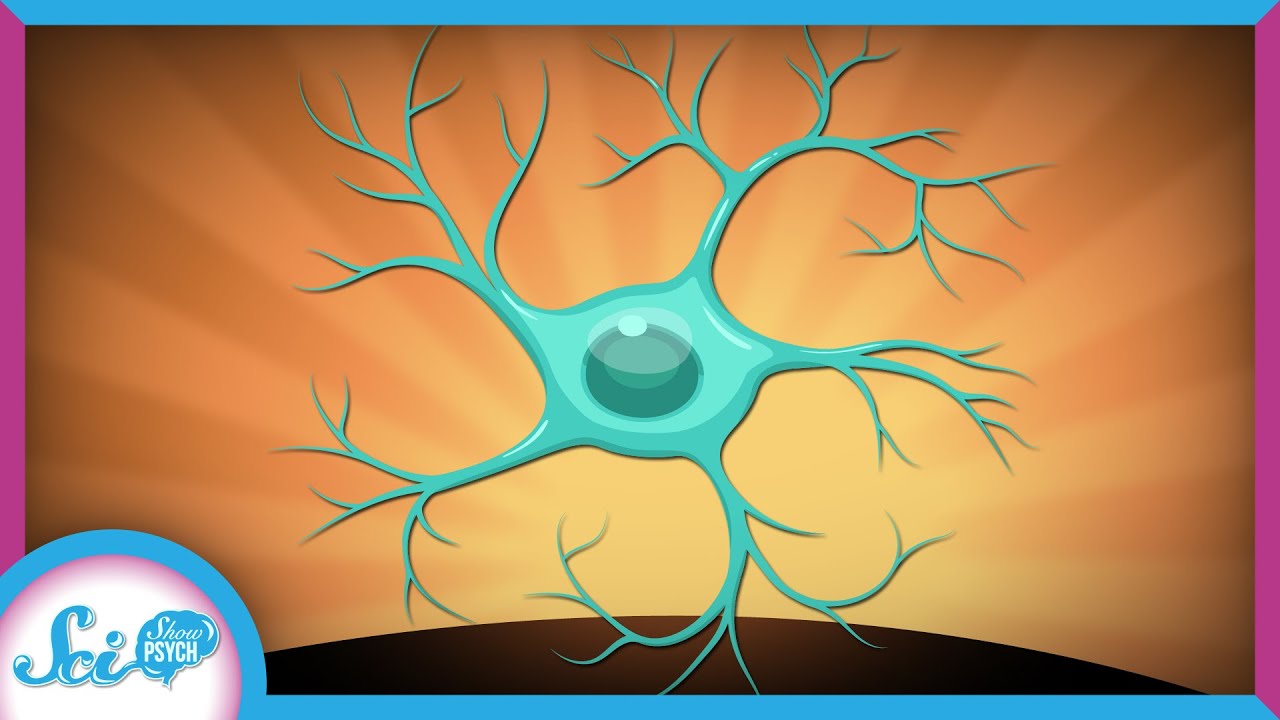
Since Johannes Purkinje discovered neurons in 1832, the world of science has never been the same. The discovery has come to explain almost everything in our human nature, from basic instincts like blinking to how we exist as conscious beings. However, neurons alone aren’t capable of making our brains work like they do.
They carry the information of the nervous system, yes, but to see the whole picture, you need to consider the other cells of the brain –the glial cells. For much of history, glial cells were relegated as a neuroscientific footnote. Many researchers thought that they were simple cells that merely supported the neurons, but recent discoveries are turning that idea on its head.
It seems that glia might control life span, play a part in how we feel pain, affect how we sleep, determine how we form memories and learn, and explain a variety of other behaviors too! So, what exactly do glial cells do in the brain, and why are we only just realizing how cool they are? The neurons only make up about 10 to 15% of the brain.
The remaining 85%-90% is composed of the glial cells. This might be where the “we only use 10% of our brain” myth came from. There are different types of glial cells in the nervous system.
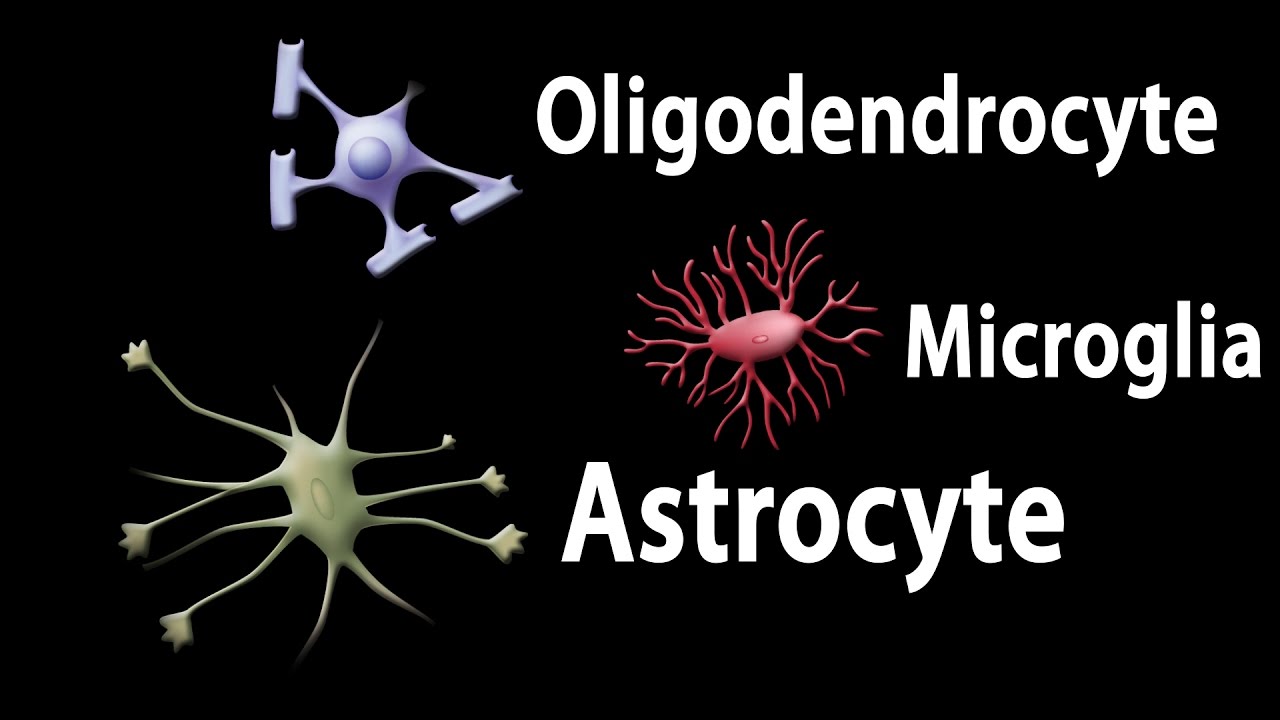
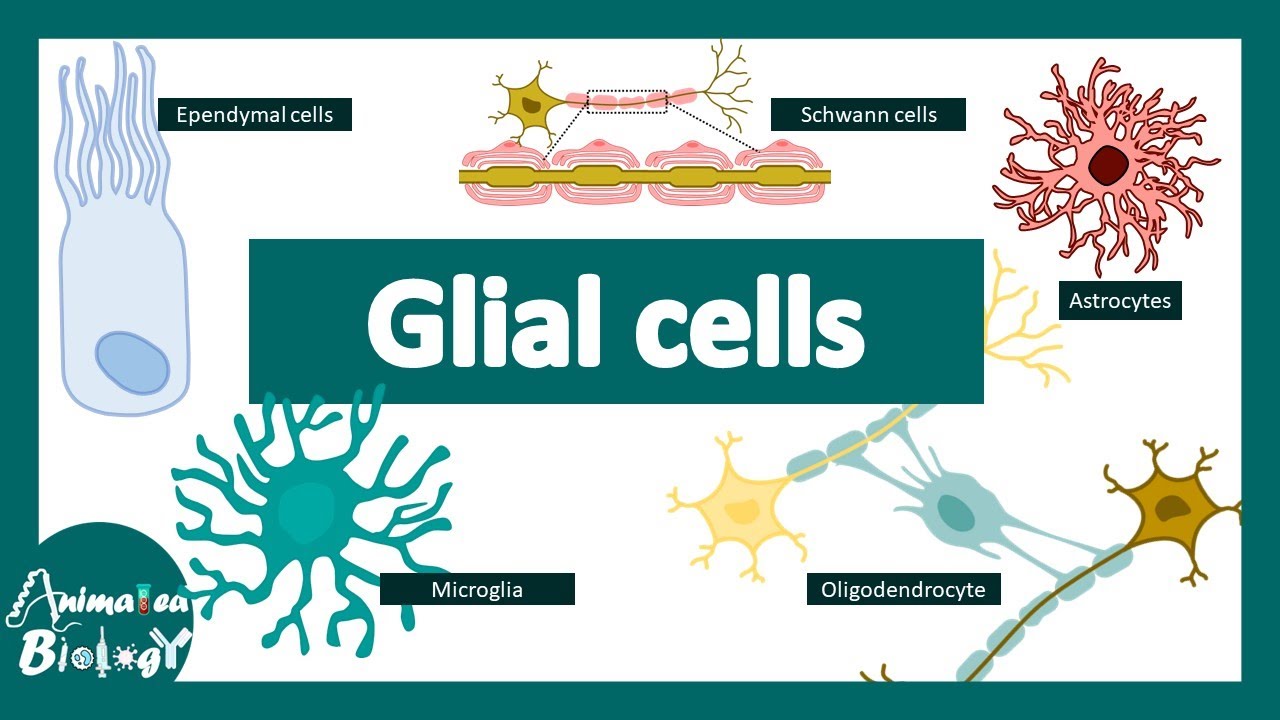
The most abundant are the oligodendrocytes. Present in the central nervous system, they cover the long stalk of the neuron, the axon. This allows the electrical signal to move much faster, like an insulator that prevents an electric charge from getting dissipated.
Without the snug covering, the charge takes about 0. 5 to 10 m/s, but with the cover on, the current zips along at a speed of 150 m/s. The second most abundant glial cells are the astrocytes.
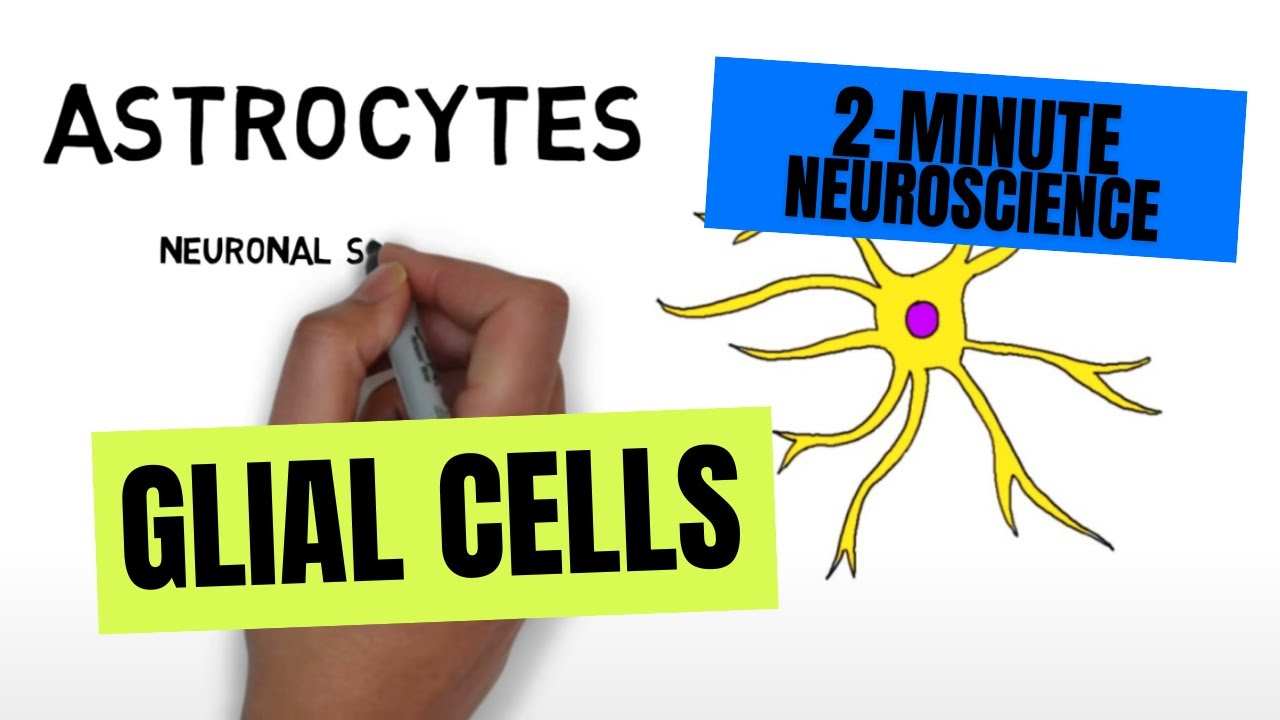
Most of their functions relate to keeping the brain in top form. They maintain and clean the surroundings of the neurons, recycle important chemicals, protect the neurons, and provide them with nutrition. Without the glia, neurons are unable to survive in a cell culture.
Think of this like a manager supporting a celebrity. The microglia is the brain’s immune bodyguard. The brain is a highly privileged and protected part of the body.
Blood and substances that would be freely allowed to interact with other organs aren’t allowed to do so in the brain. The microglia patrol the brain, killing off any invader that dares to enter this VIP organ. Glia don’t only play a role in adult brains.
Even during brain development, a type of glial cell called radial glia act like road signs that guide neurons to form synapses, the small gaps through which neurons chemically pass information. Even after connections are formed, glia prune the neurons that are either defective or redundant. These are all basic nervous system maintenance jobs that keep everything in order, but this is a largely neuron-centric view.
In the last 2 decades, research has shown that glial cells can do even more! For one thing, they not only support the neurons, but they also collaborate with them. They connect with two neurons talking and add their own inputs by secreting their own chemicals and by directly syncing with a neuron.
This has been shown to affect how the information is communicated between the two neurons. Not only this, but glial cells communicate among themselves too. They secrete calcium and other chemicals that trigger other glial cells and even neurons.
These seem to cause changes in blood flow to the brain and affect how neurons operate. Many studies have looked at the hippocampus, the region of the brain involved in long-term memory, and found that these networks with glial cells are crucial for learning new things. One controversial study found that injecting mice with human astrocytes made them better at learning.
They could figure out how to navigate a maze, locate objects, and learn which objects were harmful faster than their normal littermates. In fact, without astrocytes, it might be impossible for the brain to store information the way it does. Studies have also found that the complexity of glial cells in the brain increases in more behaviorally complex animals.
New research speculates that human astrocytes are larger and communicate quicker than rodent astrocytes. This has exciting implications to explain the computational differences between different mammalian species. All of this is important and highly relevant for treating many neurological diseases.
To treat diseases like Parkinson’s and Alzheimer’s, which result from brain cell death, scientists are looking to better understand the problem through the lens of glial cell function. With scientists trying to map out every neuron in the brain, it seems like figuring out glial cell connections would add a 3rd dimension to how we understand the brain, leading to potential therapies to treat disorders like anxiety, depression and schizophrenia. It might also unlock doors into understanding more abstract concepts like creativity, intelligence and maybe even human consciousness itself!