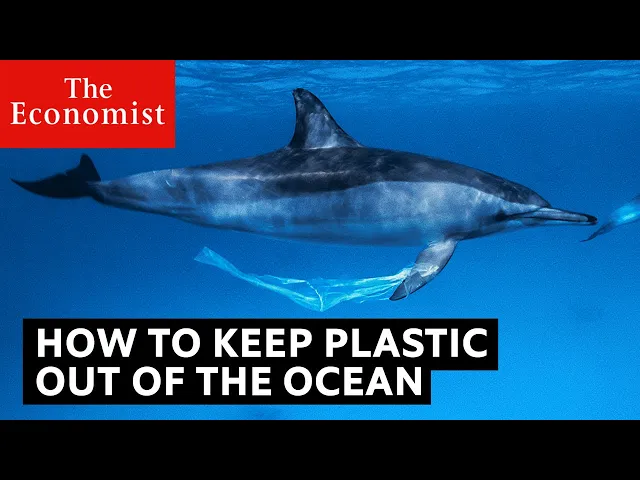
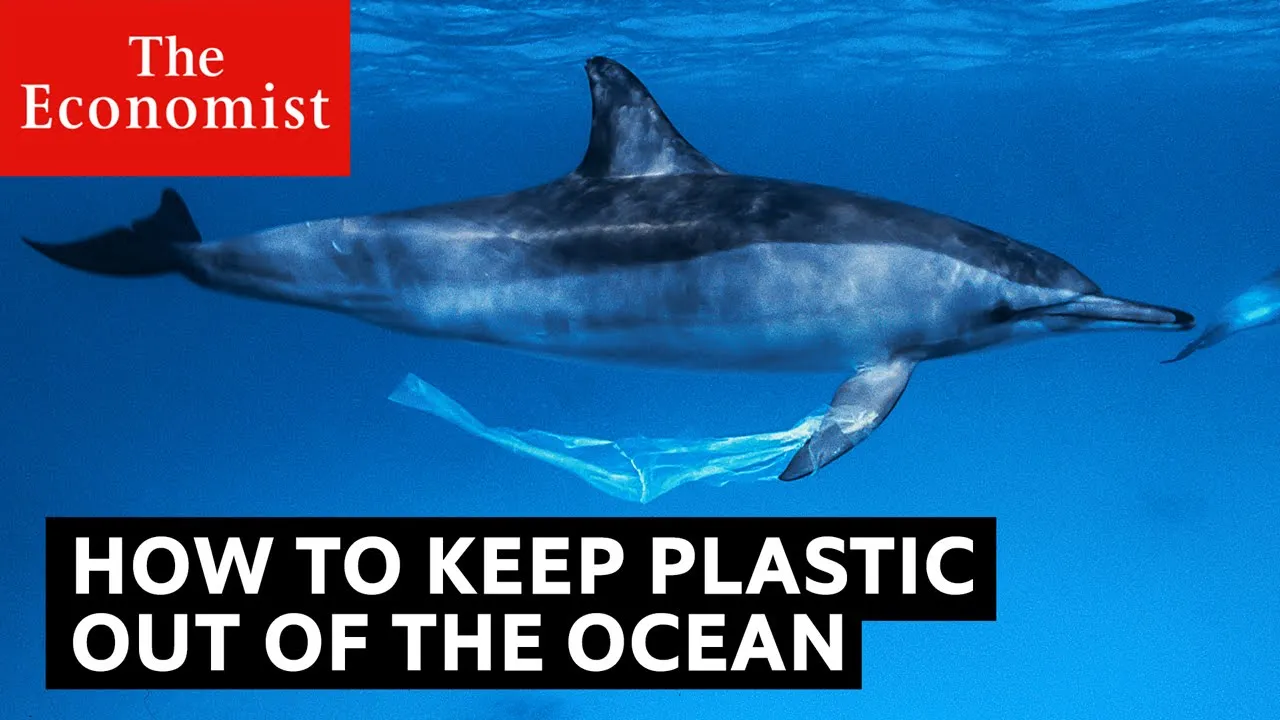
by 2050 there could be more plastic in the ocean by weight than fish my solution is definitely one of the largest threats our oceans face today every year millions of tons of plastic flows from rivers into the sea polluting ecosystems and even getting into the food chain one group of Engineers is applying technology in new ways to tackle plastic pollution rivers are really the arteries that carry the plastic from land to sea by stemming the flow at the source [Applause] [Music] roughly four million people live in the basin of the Klang River in Malaysia it's
one of the most polluted rivers in the world this team is trying to clean it up and stop the rivers harmful waste from flowing into the ocean they're pinning their hopes on this rubbish eating boat called the Interceptor the river's current directs the debris onto a barrier from where it's funneled into the boats conveyor belt this is one of four boats being trialed by the ocean cleanup a pioneering engineering company based in the Netherlands the idea was dreamt up by Boyan slat who is a 16 year old school boy decided to dedicate himself to ridding
the ocean of plastic I went scuba diving in Greece and I was really hoping to see these these beautiful things like you've seen the David Attenborough documentaries and looked around me and I just saw more plastic bags than fish and that was rather disappointed by that and this question came to mind why can't we just clean this up since then his organisation has devised a number of innovative ways to apply technology to the problem when we started the ocean cleanup back in 2013 we said let's focus our attention on plastic that's already out there and
doesn't go away by itself yet two years later we realized to rip the world's oceans of plastic you really have to do to both the prevention and the cleanup side and start looking at the rivers [Music] every year millions of tons of plastic finds its way into the ocean most of which floats down rivers that run through heavily populated areas areas where waste collection systems are flawed or non-existent meaning millions of people are forced to use the waterways as a means of disposal but the first step to solving the problem is to understand the scale
of it what you see the first studies that try to estimate how much plastic is flowing into the ocean there were of just assumptions heavily extrapolated over the entire globe at the beginning there's nothing better than than those kind of studies but to truly calculate the amount of pollution in the rivers they need to be monitored continuously so the ocean clean up has come up with a new way to do just that using a camera monitoring system that can detect the size and type of plastic and the speed at which it's traveling it plans to
install these cameras on bridges above rivers all over the world in the hope that this will give a clearer idea of where they should concentrate their efforts current analysis suggests that 80% of ocean plastic comes from around 1,000 rivers the vast majority of the worst polluting rivers are in Asia Africa and South America the Pasig River in Manila is one of the worst polluters it's calculated that every year ninety six point five million kilograms of plastic travels along the river some of which ends up in the South China Sea plastic pollutions impact on tourism fisheries
and governmental cleanup projects is estimated to have cost coastal countries around nineteen billion dollars per year but the long-term environmental effect could be far greater Matias Eggar is a lead scientist at the ocean cleanup and this is what marine based sources of debris looks like big with his team he's studying plastics collected from the so-called Great Pacific Garbage Patch a 1.6 million square kilometers own near Hawaii littered with marine debris but the hard work is done in a lab in Rotterdam she's extracting the plastics from the sample she's measuring them to put them in different
size classes and different types this laborious process allows them to understand the amount composition and often the origin of plastic that ends up in the ocean it looks like Japanese to me we never see them this size the impact on marine life is very different for the different kind of plastic and also time of sizes if you have very large pieces of plastic like a ghost that for example entanglement this main ways the smaller the plastic pieces the more impactful they are on an ecosystem sunlight and seawater can break plastic down into micro plastics which
ocean creatures often mistake for food when they eat the plastic they absorb chemicals that then enter the food chain the long-term effect of these plastics in the food chain and on humans are still unknown there's a lot of research being done at the moment the tricky part is blessing it's very diverse it's not just one type of plastic it comes in different sizes shapes the data we have so far indicates there is potential negative impact on the marine life so we really need to have an understanding of how much plastic is where and what kind
of plastic do we find in a different marine systems marine compartments interceptor boats have been installed in rivers in Malaysia Indonesia Vietnam and the Dominican Republic where each boat has been collecting on average fifty thousand kilograms of rubbish a day so far we've caught roughly two-thirds off the plastic that flows by the team collaborates with governments to ensure that the plastic collected from the boats is disposed of at local waste management facilities but that's not the end of the ocean cleanups efforts for us it's not enough to say oK we've taken out of the rivers
so we feel responsible to actually guarantee that the plastic doesn't end up back into the river again the ocean cleanup isn't the only group that's trying to solve the issue of plastic pollution in the world's rivers but it believes they have a solution that can scale we didn't design it for one specific River we designed the Interceptor to work in a fast flowing river in Thailand versus as well as in a slow moving River in Indonesia over the next few years the team plans to gain more investment through crowdfunding and independent benefactors to add hundreds
more interceptor boats to its fleet they also have plans to recycle some of this plastic and create products that can sell to make the initiative self-sufficient but removing plastic pollution from the world's dirtiest rivers will take more than just clever technology with our interceptors it's not a replacement to having good infrastructure or good policy right so what we should believe is that these things can be complementary to each other where with these interceptors a lot of data is being collected which can actually help steer the policy and other types of campaigns of streams until adequate
waste collection is implemented globally the ocean cleanup will struggle against the growing tide of plastic but protectors like boy and [ __ ] are developing new approaches that could benefit the ocean for future generations [Music] hi I'm Claire and I directed this film if you want to learn more about other types of pollution threatening the ocean and the people work from hard to edgy cent then click on the link on set if you want to watch more of the protector series they click on the other lady please remember to subscribe and thank you for watching