last year when we met we explored how to engage students in higher-level thinking through the use of visible thinking routines today we'll be exploring how asking our students to think and asking our students to speak intersects when we look at the FCPS learning model we know there are four components that make up what we want our students education to look like in our classrooms we have learner centered environment concept based curriculum meaningful learning experiences and purposeful assessment all of these work together to give our students what they need to learn but today we'll be focusing
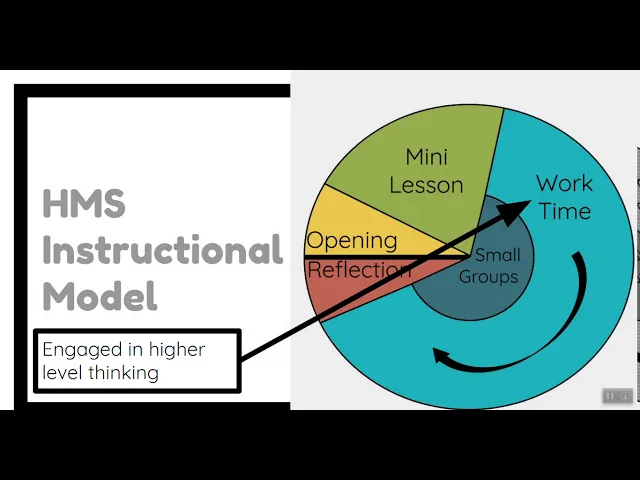
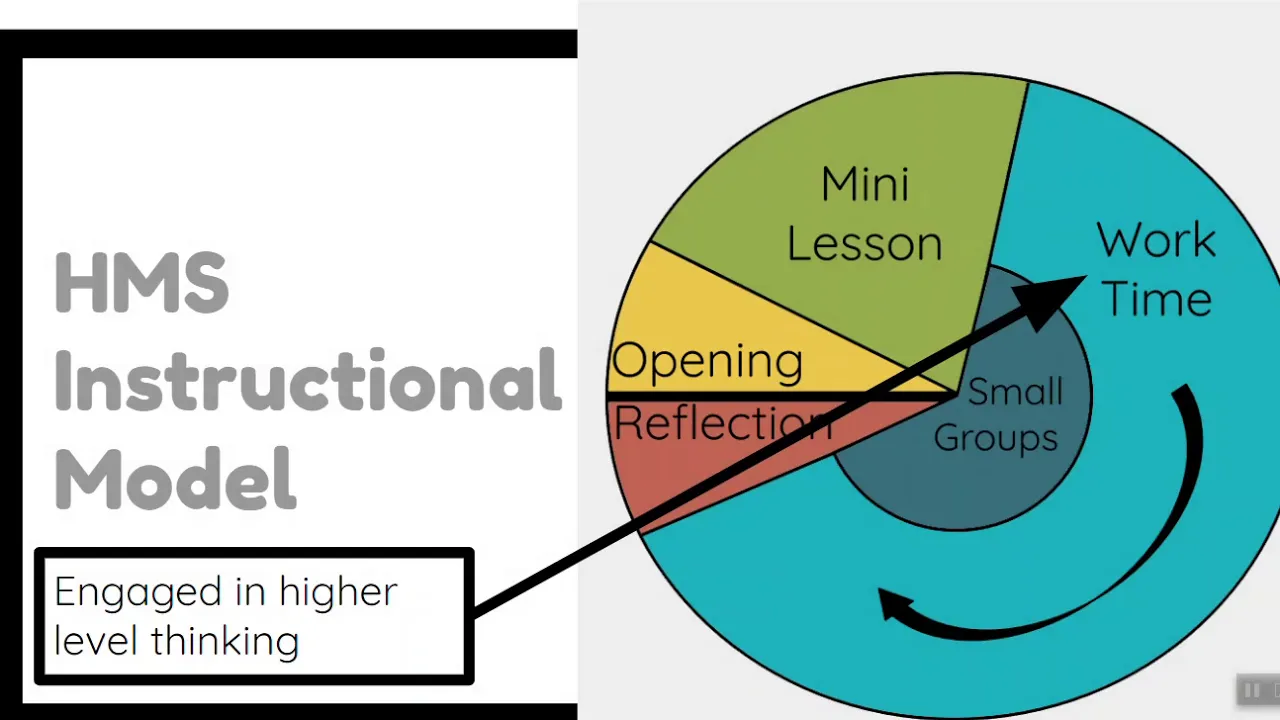
on meaningful learning experiences our instructional model here at HMS gives us a vehicle to drive meaningful learning for all students and when we think about meaningful learning experiences we're really thinking about what students are doing and saying during work time when we're considering our specific curriculum and we're planning lessons with our teams we're probably asking ourself this question what meaningful learning tasks might we offer students to help them show a deep understanding of this content today that's something that we should be constantly coming back to and thinking about with every lesson that we're delivering our
goal is to get students engaged in higher-level thinking keep in mind though students aren't going to be engaged in higher-level thinking all the time in a lesson we can't even do that as adults but we should be providing students opportunities to practice this thinking we also might need to be asking ourselves what does this student need in order to learn at high levels we know that all of our students can achieve at high levels with the right supports so if you take a look here this probably looks familiar it's the secondary literacy framework available on
FCPS net the Trinette as we consider how to engage students in higher-level thinking within our disciplinary content areas we can consider different high leverage actions to implement the secondary literature literacy framework has identified four actions but we'll be focusing in on two of those actions today the first high leverage action that we can implement in our classrooms is providing opportunities for students to discuss disciplinary content so we'll be doing that through visible thinking routines but for speaking giving us a different lens to look at those familiar routines in a new way the second high leverage
action that we'll be looking at is designing learning tasks that encourage higher-order thinking and the tool that we'll be using to do that is Kostas level of thinking you can also consider consider Bloom's taxonomy to think about what we're asking students to engage in so now a new case for looking at visible thinking routines again in a different way as we talked about last year the important word here invisible thinking routines is routine we don't just engage in a see think wonder one time we engage in this routine multiple times throughout the year and likely
in different innovative ways in order to train students brains we are breaking down complex thinking into manageable concrete steps when we use visible thinking routines for abiding equitable access for all students to be able to engage in higher-level thinking and we're providing an entry point for a higher level disciplinary discourse so it gives students a structure within which to speak the last thing that I'd like to draw your attention to as you prepare to learn on our Google site is the teaching toolkit page so at any time during your learning or planning please really think
about the higher-order thinking that you're trying to get students engaged in and you can reference Kostas house for levels of thinking and Bloom's taxonomy with example key verbs and questions is also available