did you know that eating the wrong kind of nuts regularly could increase your risk of heart disease by up to 48% especially if you're over the age of 60 that's not a random number pulled from thin air it comes directly from a multi-year study published in the Journal of the American College of Cardiology the scary part many seniors think they're making healthy choices but some of the most common nuts found in kitchen cabinets can silently raise blood pressure trigger inflammation clog arteries and even worse in cognitive decline one particular nut that we'll reveal later has
been linked to elevated levels of a toxic compound that accumulates over time and can damage your liver kidneys and brain function if consumed frequently yes the same nut that's often recommended in low carb diets could be doing irreversible harm to aging bodies and it's probably in your snack jar right now but don't worry because in this video we're breaking it all down from the safest heart-friendly brain boosting nuts you should be eating more of to the ones you need to start avoiding immediately this is your ultimate guide and stick around until the very end because
nut number one in the bad list has a dark secret that almost no one talks about and it could be seriously harming your health Without You realizing it before we begin let us know in the comments below where you're watching from and don't forget to like this video And subscribe to our channel for more videos like this now without any further Ado let's get started with the four nuts seniors should be eating number four almonds the bone strengthening Powerhouse almonds stand as one of Nature's most perfect foods for aging bodies particularly because they contain remarkable
amounts of calcium and vitamin E that work synergistically to maintain bone density as we age our bones naturally become more porous and fragile making fractures increasingly dangerous just a qu cup of almonds daily provides about 97 mg of calcium which helps counteract the natural bone loss that accelerates after age 65 what makes almonds truly special isn't just their calcium content but how they package it alongside magnesium which many seniors are deficient in this magnesium acts as a transport system helping calcium actually reach your bones rather than settling in arteries where it can cause damage the
healthy monosaturated fats in almonds also support heart health by helping reduce LDL cholesterol levels which becomes increasingly important as cardiovascular risk Rises with age I recommend seniors consume about 15 to 20 almonds daily preferably raw or dry roasted without added salt the fiber content in almonds about 3.5 G per serving also helps combat constipation a common problem that affects nearly 40% of older adults perhaps most impressively research from tus University shows that the unique antioxidant profile in almonds helps protect brain cells from oxidative damage potentially slowing cognitive decline that many fear as they age when
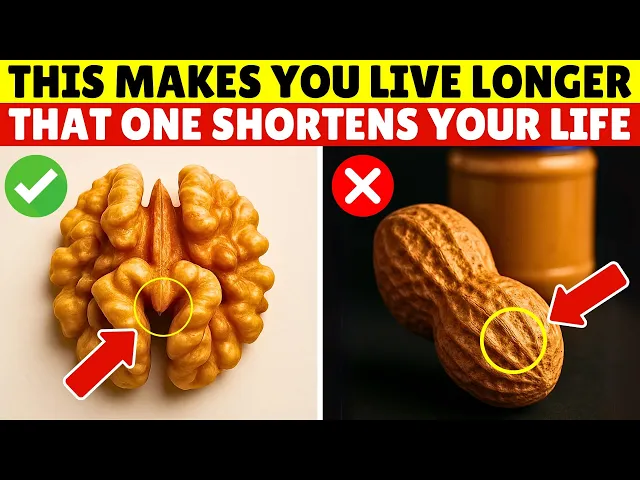
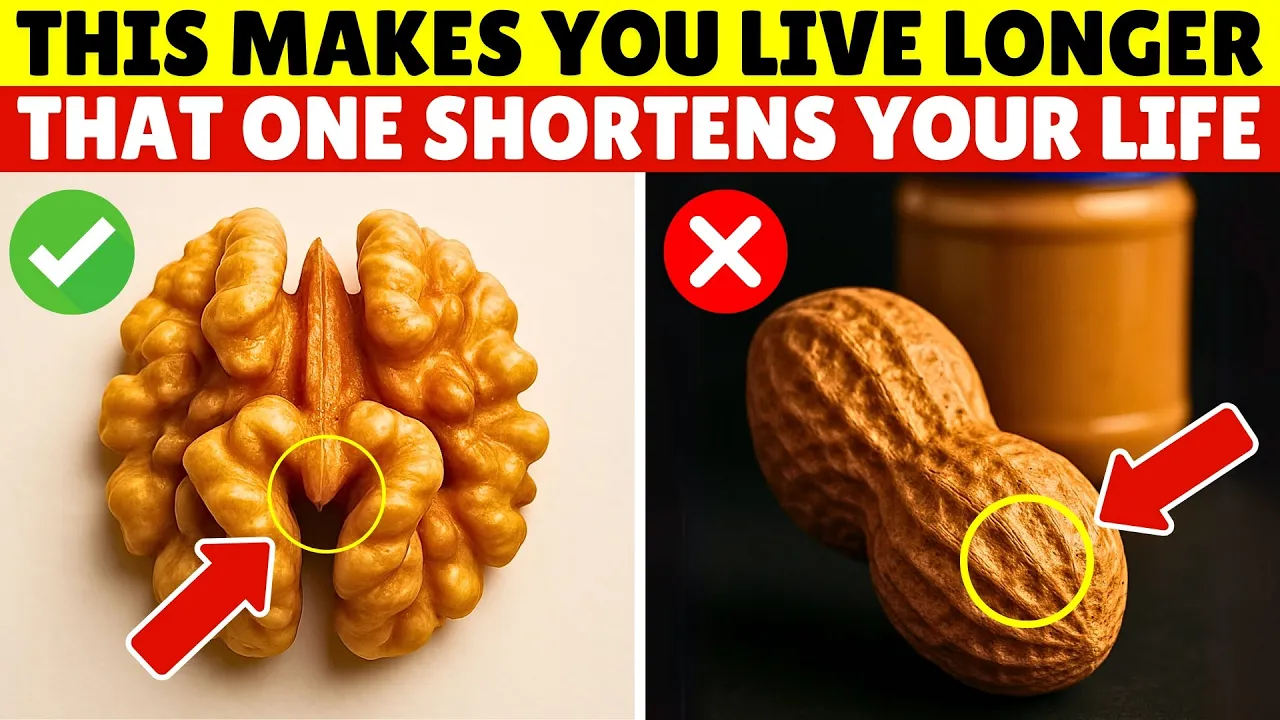
purchasing almonds look for those Still In Their Skin as the skin contains flavonoids that work with vitamin E to double the antioxidant power just be mindful that chewing almonds thoroughly is important as they can pose a choking hazard for seniors with swallowing difficulties number three walnuts the brain boosting nut walnuts are perhaps the most impressive brain food available to seniors and it's no coincidence that they physically resemble the very organ they protect which is the brain these remarkable nuts contain the highest amount of alphal linolenic acid of any common nut which is a plant-based omega-3
fatty acid this matters tremendously for aging brains because Omega-3s help maintain the Integrity of brain cell membranes and facilitate neurotransmission a groundbreaking study published in the Journal of nutrition found that seniors who consumed just 1.5 ounces of walnuts daily for 8 weeks showed significant improvements in cognitive processing speed and mental flexibility the unique polyphenolic compounds in walnuts cross the bloodb brain barrier to fight inflammation directly in neural tissues potentially slowing the progression of conditions like Alzheimer's and Dementia what many people don't realize is that wall W nuts also contain melatonin which naturally decreases as we
age contributing to The Sleep disturbances many seniors experience by incorporating a small handful of walnuts into your evening routine you may help regulate your sleep wake cycle more effectively walnuts also provide impressive cardiovascular benefits through their combination of arginine an amino acid that improves blood vessel function and polyphenols that reduce oxidative stress for seniors taking blood pressure medications walnuts can actually complement these treatments by helping maintain arterial flexibility to maximize benefits store walnuts in the refrigerator to prevent their delicate oils from oxidizing and aim to consume about 7 to nine Walnut halves daily we also
suggest cracking them yourself when possible as the activity provides a gentle hand exercise that maintains fine motor skills the slight bitterness in walnuts is actually a sign of their powerful antiox accidents so don't be deterred by this natural protected flavor number two pistachios the blood pressure regulator pistachios might be the most underappreciated nut when it comes to senior health particularly for maintaining healthy blood pressure what makes pistachios Stand Out is their exceptional potassium to sodium ratio providing roughly 285 mg of potassium pres serving while being naturally low in sodium this mineral B balance is particularly
crucial for seniors as it helps counteract the sodium retaining tendencies that develop in aging kidneys potentially reducing systolic blood pressure by 3 to Five Points which is comparable to the effect of some prescription medications but without side effects the lutein and zenin in pistachios also deserve special mention as these catenoids specifically Target the macula of the eye which means that it protects against age related macular degeneration which is the leading cause of vision loss in people over 60 unlike some harder nuts that might pose Dental challenges for seniors pistachios have a uniquely satisfying crunch while
still being gentle on Aging teeth and gums their distinctive green and purple Hues aren't just visually appealing they signal the presence of antioxidants that help neutralize the free radicals that accelerate aging throughout the body there's also a practical aspect to pistachios that's perfect for seniors the act of shelling them naturally slows down consumption preventing overeating while providing a mindful eating experience that can be both meditative and stimulating for cognitive function research published in the international Journal of obesity found that the visible empty shells serve as a visual cue of consumption Helping Seniors better regulate their
intake for those with arthritis in their hands look for pistachios that are partially opened making them easier to access while still providing the benefits of the shelling process aim for about 49 pistachios daily 1 o preferably unsalted or lightly salted varieties the fiber in pistachios about 3 G per ounce also helps regulate blood sugar levels particularly important for the 25% of Americans over 65 who have diabetes or pre-diabetes number one Brazil nuts the thyroid healer Brazil nuts earn the top position on our list because they address a critical yet often overlooked aspect of senior health
thyroid function these remarkable nuts are the richest known food source of selenium with just one nut containing 96 microgram which is 137% of your daily requirement this matters tremendously because thyroid disorders affect up to 20% of people over 65 with many cases going undiagnosed as symptoms are often misattributed to normal aging the selenium in brail nuts is essential for converting thyroid hormone into its active form directly supporting energy production metabolic function and even mood regulation Beyond thyroid support Brazil nuts contain unique fatty acids that help maintain myin which is the protective coding around nerve cells
that tends to deteriorate with age this preservation of myin may help seniors maintain better coordination reaction time and cognitive processing speed what's particularly fascinating about Brazil nuts is that they provide a form of selenium that's organically bound and therefore more bioavailable than synthetic selenium supplements mean your body can utilize it more effectively the rich creamy texture of Brazil nuts also makes them satisfying even in small amounts which is important since their potency means you need very few to reap benefits in fact I recommend senior's limit consumption to just one to two Brazil nuts daily as
excessive Selen can actually be counterproductive When selecting Brazil nuts choose those still in their shells when possible as the natural packaging helps preserve the delicate nutrients longer store them in the refrigerator to prevent their high fat content from turning rancid for seniors who struggle with constipation Brazil nuts offer additional benefits through their combination of fiber and natural oils that help maintain bowel regularity their naturally sweet buttery flavor makes them an excellent replacement for Less healthy snacks that many seniors turn to for Comfort perhaps most impressive is emerging research suggesting that the specific antioxidants in Brazil
nuts may help protect telam which are the protective caps on chromosomes that typically shorten with age potentially influencing how we age at the cellular level these were the best nuts to eat after 65 now let's shift gears and talk about nuts that seniors might want to limit or approach with caution now number four peanuts the inflammatory trigger despite their popularity peanuts pose several risks that make them problematic for many seniors first it's important to understand that peanuts aren't true nuts at all but legumes that grow underground making them particularly susceptible to mold and AP toxins
which are naturally occurring mot toxins produced by certain molds that can damage the liver and contribute to cancer risk when consumed regularly this risk increases with age as the body's detoxification systems naturally become less efficient even more concerning for seniors specifically is that peanuts contain proteins that can trigger inflammatory responses in many people even without a true allergy this low grade inflammation can exacerbate joint pain increase cardiovascular stress and even accelerate cognitive decline which are three areas already vulnerable in aging adults the high omega-6 fatty acid content in pean further contributes to this problem as
most Americans already consume far too many omega-6 relative to anti-inflammatory Omega-3s for seniors taking blood thinners like warrin the vitamin K in peanuts can interfere with medication efficacy a dangerous interaction that many doctors fail to mention commercial peanut butters often compound these issues by adding hydrogenated oils excess sodium and sugars that further burden aging cardiovascular systems even natural peanut butter frequently contains added salt that can elevate blood pressure which is already a concern for the 63% of American seniors with hypertension storage issues present another problem as improperly stored peanuts develop rancidity that creates harmful free
radicals the typical dry roasting process used for most commercial peanuts also creates acrylamide which is a compound that research suggests May accelerate cognitive decline particularly concerning for those already worried about memory loss if you've been enjoying peanuts without apparent issues transitioning to one of our recommended nuts even just 3 days per week can start providing better nutritional benefits while reducing exposure to these problematic compounds number three cashews the hidden Shar Spike cashews present a particular concern for seniors because of their surprisingly High carbohydrate content and glycemic impact unlike true tree nuts cashews contain significantly more
carbohydrates about 9 G per ounce and fewer fiber protective compounds this creates a blood sugar response that can be problematic for the estimated 25% of adults over 65 with diabetes and the additional 48% with pre-diabetes what makes this especially troubling is that cashews have a health halo effect leading many seniors to consume them liberally without realizing their potentially disable stabilizing their glucose levels the shape of cashews which is curved and smooth also makes them one of the most commonly aspirated nuts among seniors presenting a choking hazard that shouldn't be underestimated particularly for those with swallowing
difficulties from a nutritional standpoint cashews contain high levels of oxalates which are compounds that can bind to calcium in the digestive tract reducing calcium absorption which is a significant concern for seniors already at risk for OS osteoporosis these same oxalates May exacerbate kidney stone formation in susceptible individuals with risk increasing substantially after age 60 the processing required for cashews presents another hidden issue cashews must be extensively processed to remove urushiol the same toxic compound found in Poison Ivy and this processing often involves high heat that damages their nutritional profile commercial varieties are frequently oil roasted
and he salted adding unhealthy fats and sodium that can elevate blood pressure and increase cardiovascular strain what many don't realize is that cashews also contain enzyme Inhibitors that can interfere with protein digestion which is particularly problematic for seniors who often already struggle with reduced digestive efficiency and protein absorption the creamy texture that makes cashews so appealing also makes them easier to overc consume potentially contributing to weight weight gain at a life stage when maintaining healthy weight becomes increasingly challenging if you've been regularly consuming cashews consider gradually replacing them with walnuts or almonds which provide better
nutritional profiles with fewer risks specifically relevant to aging bodies number two macadamia nuts the caloric balb macadamia nuts while delicious represent one of the most problematic choices for seniors primarily due to their extraordinary caloric dens it at approximately 200 calories per ounce they're the highest calorie nut available this becomes especially concerning as metabolic rates naturally decline with age making weight management increasingly challenging for older adults their extremely high fat content about 22 G per ounce places additional strain on gallbladder function which typically becomes less efficient as we age for the estimated 15% of seniors who
have asymptomatic G stoms macadamias can trigger painful episodes that might otherwise remain dormant beyond their caloric impact macadamias contain one of the highest proportions of saturated fat among nuts around 3 G per ounce contributing to elevated LDL cholesterol levels which is already a concern for many seniors their hardness and density also present significant Dental risks for seniors with crowns Bridges or weakened teeth which is a common issue after 65 when years of wear and reduced calcium absorption can compromise Dental strength from a practical standpoint macadamias are among the most expensive nuts potentially leading budget conscious
seniors to purchase lower quality versions that may be rancid or improperly stored increasing exposure to harmful oxidized fats commercially available macadamias are often heavily salted and oil roasted adding unnecessary sodium and damaged fats to an already problematic nutritional profile their Rich buttery flavor can trigger overc consumption especially for seniors who may have diminished taste sensitivity and therefore SE out stronger flavors what's particularly concerning is that many seniors consume macadamias believing they're making a heart healthy choice not realizing that the studies supporting nut consumption for cardiovascular health specifically excluded or limited high fat varieties like macadamias
so if you've been enjoying macadamias regularly consider transitioning to pistachios which provide a sarly satisfying eating experience with a much better nutritional profile specifically suited to aging bodies number one pine nuts the medication disruptor pine nuts claim the unfortunate position as the most problematic nut for seniors due to several serious concerns that directly impact older adults most alarmingly they contain compounds that can interact with over 60% of commonly prescribed medication for seniors potentially reducing drug efficacy or creating dangerous side effects these interactions are particularly pronounced with blood pressure medications statins and certain anti-depressants which are
all frequently prescribed to adults over 65 what makes this especially dangerous is that most Physicians and pharmacists never warn patients about this food drug interaction perhaps most concerning is Pine syndrome which is a condition where pine nuts cause a persistent bitter metallic taste that can last for weeks after consumption while this might seem merely annoying for seniors it can be devastating as taste disturbances often lead to reduced appetite and nutritional decline studies show that up to 42% of affected individuals experience significant weight loss as a result the syndrome appears to affect older adults at higher
rates possibly due to age related changes in taste receptors and detoxification pathways pine nuts also contain particularly high levels of pollen saturated fats that oxidize quickly creating harmful compounds that promote inflammation throughout the body which is particularly problematic for seniors already managing inflammatory conditions like arthritis their small size and slippery texture create a significant aspiration risk especially concerning for older adults with swallowing difficulties or those taking medications that cause dry mouth which is common in over 70% of SE ERS on multiple prescriptions from a nutritional perspective pine nuts contain enzyme Inhibitors that can interfere with
protein digestion at a life stage when protein absorption efficiency naturally declines even in pesto their most common colonary application the high oil content combined with pine nuts creates a calorie dense food that can contribute to weight management challenges common after 65 most concerning are emerging studies suggesting compounds certain pine nut varieties May accelerate age related macular degeneration which is the leading cause of vision loss in seniors these were the four nuts you should try to avoid after 65 by making informed choices about which nuts to include and avoid in your daily diet you can significantly
impact your health energy and cognitive function in your golden years at the end remember that small changes consistently applied yield remarkable results over time now we want hear from you have you ever noticed a good or bad change in your health after adding or removing certain nuts from your diet Which nut made the biggest difference for you share with us your experiences and opinions in the comments below we'd love to hear them thanks for watching [Music]