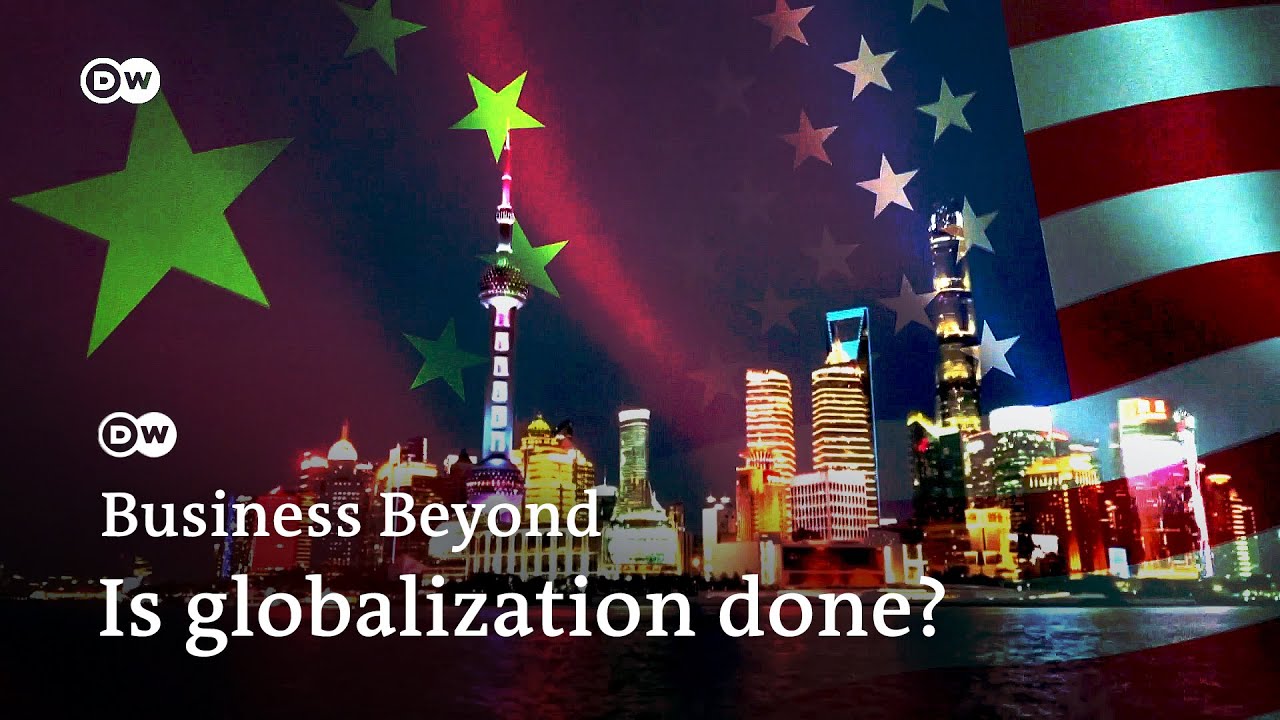
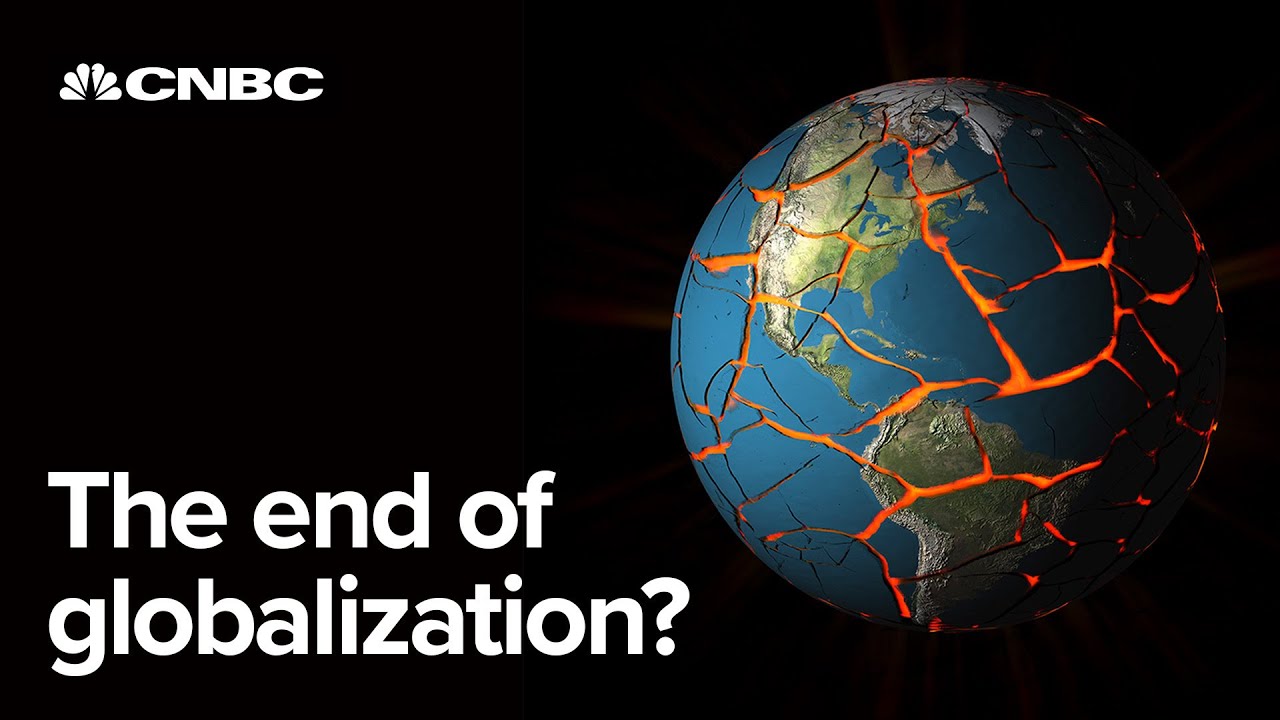
foreign ation is a movement towards a less connected World characterized by powerful nation-states local Solutions and Border controls rather than Global institutions treaties and free movement it would be wrong to say the world is definitively in a period of deglobalization while covid-19 and climate change demonstrate the continuing Reliance of global collaboration brexit trumpism and the past decades decline in foreign direct investment all suggest we're entering a period of deglobalization since the 1990s the West has tipped towards greater suspicion of globalized approaches a surge in populist politics in Europe and the US has written a wave
of opposition to globalized economies leaving the European Union is written into the Constitutions of many populist parties the United Nations is widely viewed as weak and deadlocked while the World Health Organization struggled to drive an effective response to the covid-19 pandemic in large part due to uncooperative governments the greatest evidence of deglobalization is perhaps the politics of both democracies and authoritarian States during recent election campaigns in the U.S and Germany climate change an inescapable International issue was discussed as a national challenge in China globalized infrastructure such as the internet is heavily restricted with the great
firewall turning the free flow of information into an incredibly effective method of political control policy makers increasingly struggle to talk about the balance that's needed between the global and the local when should International Trade be curved and when should it be facilitated how can the climate crisis be tackled by competing Nations and to what extent should responses to health emergencies be managed by International organizations this effect on the political imagination inevitably has a knock-on effect on global trade weakening confidence in the safety of international Investments but is deglobalization knew some economists argue there has been
a previous period of de-globalization following the end of the Napoleonic wars in the 19th century and Lasting to the beginning of World War One This Was Then followed by a period of de-globalization which lasted until the early 1950s deglobalization isn't inherently bad there are many issues that may be best handled domestically covid-19 illustrates the danger of relying on Global Supply chains for Essential Medical Supplies while climate change demands reductions in the enormous carbon footprint of international trade and globalization also contains inherent disadvantages leading to the emergence of unaccountable world monopolies such as Amazon and worsening
Ecom inequality both between and within countries however a deglobalizing approach does not offer Clear Solutions for dealing with these issues a national government's attempt to regulate Amazon or Google will not be strengthened in isolation and developing nations cannot be more fairly represented in global trade without worldwide trade standards the greatest threats governments must contend with are Global and cannot be contained by borders the world's uneven fragmented response worsen the pandemic's effects from the outset China failed to inform the world of the threat for crucial weeks hoping to restrict knowledge of the virus to its own
National structures governments from Europe to the U.S took independent and uncoordinated measures to contain transmission the pandemic shows where there is a big mismatch between a global threat and deglobalized instincts a crisis is likely the same principle applies to other areas International crime cannot be effectively counted without more integrated policing and accepted standards of Justice the climate crisis cannot be met by States setting their own independent goals without referencing to others activities and cyber attacks cannot be prevented without Universal standards of cyber hygiene and international conventions to limit the creation of offensive cyber weapons the
effects of deglobalization deglobalization has contributed to the considerable erosion of international treaties and accepted Norms relating to democracy human rights and arms control over the last decade the same period saw Democratic backsliding take place across the world from India and Brazil to Hong Kong and Hungary in parallel human rights conventions have been undermined in the 1990s International humanitarian law was strengthened with the establishment of the international criminal court through the 1998 Rome treaty but major Powers such as China Israel Russia and the U.S never ratified the treaty many citing National sovereignty while under the Donald
Trump presidency the White House announced it would no longer cooperate with the court the 1990s and 2000s also saw considerable progress on International arms control with the 1997 Ottawa treaty on landmines the 2008 convention on cluster Munitions and new start in 2010 continuing limits on strategic nuclear weapons however the threat of proliferation has increased in recent years cluster bombs are alleged to have been used in the Syrian conflict while landmines are said to have been deployed in Myanmar the future of deglobalization human history is characterized by an ever-close integration between local Powers first in small
city-states then bigger National political entities then larger regional political entities such as the EU it is the creation of the larger International political blocks able to manage the effects of globalization which is currently faltering National politicians are naturally reluctant to concede power to International institutions but can make them useful scapegoats for the failure to address International crises and worry about losing national identity and cohesion with the merging of their states into supranational blocks but technology has Unleashed powerful globalized forces which are here to stay whether that is an international travel finance and trade or borderless
criminal terrorists and health threats allowing International agreements and institutions to Decay only makes the world less able to hold International corporations to account keep citizens safe and healthy and prevent exploitation of the world's poorest and most vulnerable people