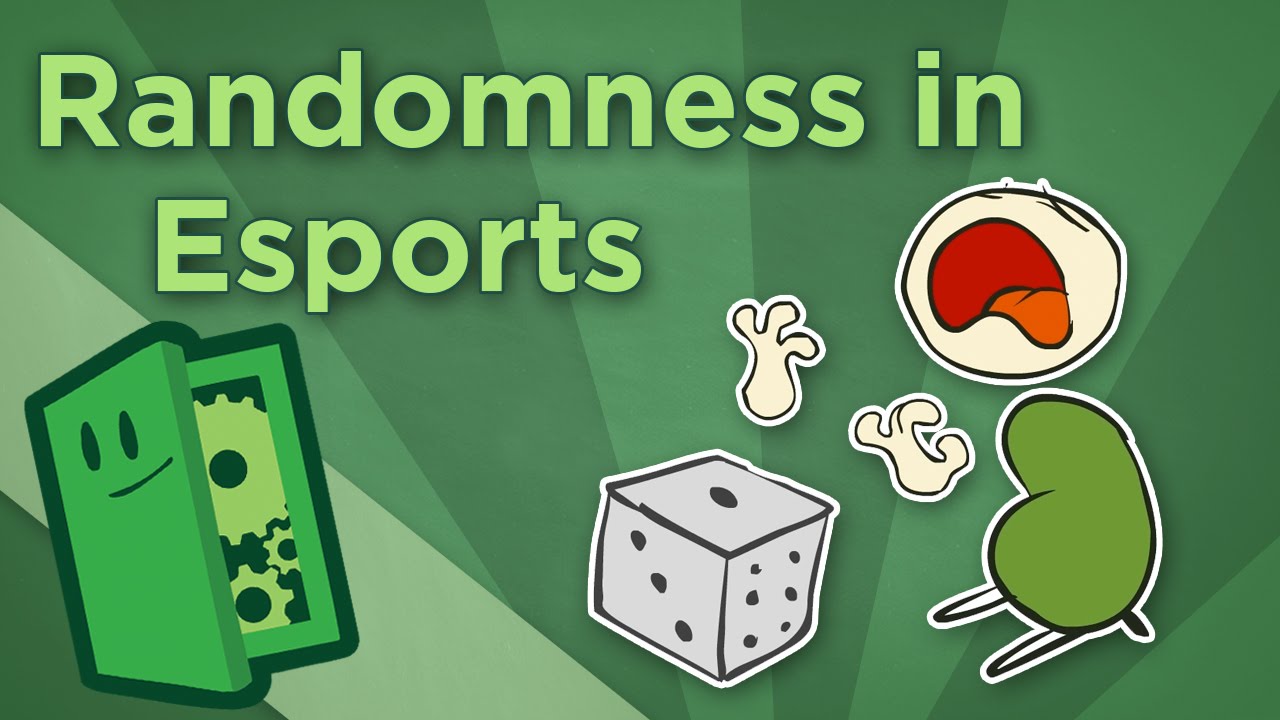
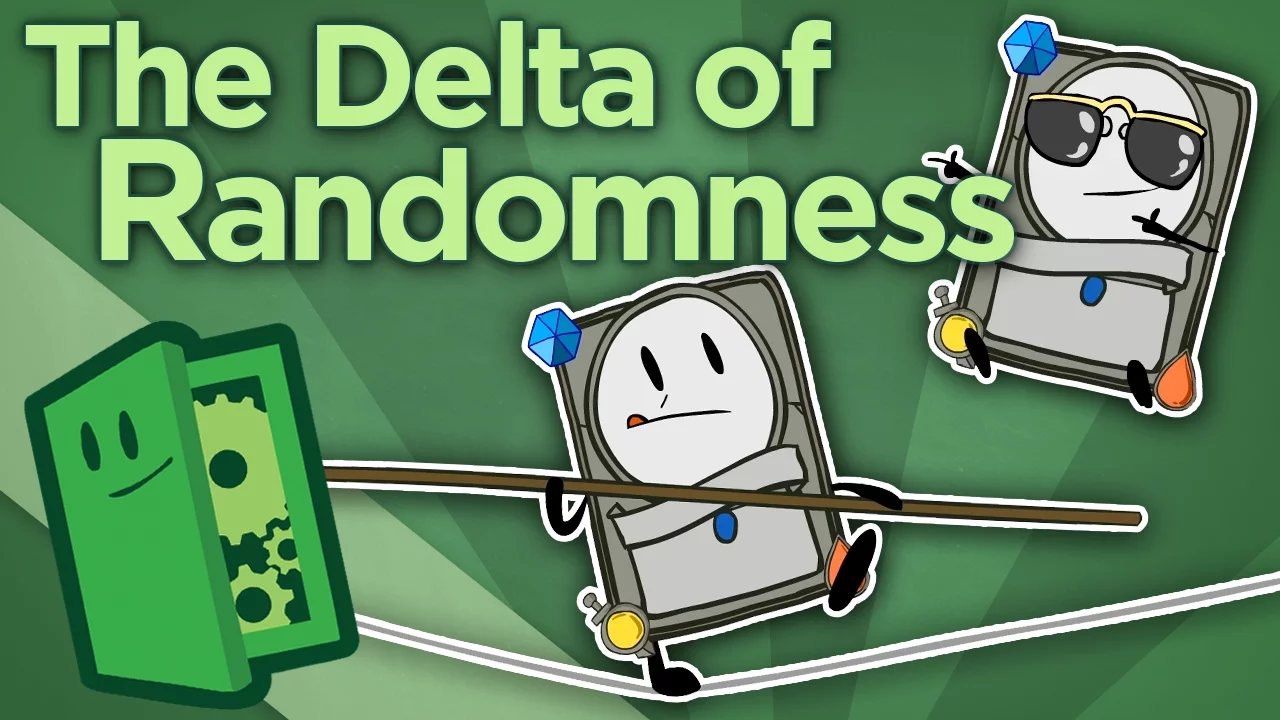
we've talked a few times before about the use of Randomness and skill-based games but James had a couple of designer friends ask us to go really in depth on it to really on a fairly technical level dive into how random chance affects the player's experience of the game and how you build a random element into an otherwise skill-based game so Randomness does three things first it creates exciting moments second it occasionally lets the weaker player win third it forces players to adapt to circumstances rather than always follow a plan as you build Randomness into your
game you have to decide which of those effects you're going for so you can emphasize it with the specifics of your design once again I'm going to use Hearthstone as an example of this because Hearthstone is a game where all of the randomness is right there on the surface and very visible to every player but no matter what game you're looking at the same principles apply basically all of these things come down to the Delta of Randomness now you may think that the Delta of Randomness simply refers to the difference between the maximum and minimum
impact a given card can have on play but it's actually a little more complicated than that it actually refers to a given card's maximum and minimum distance from the power curve now sometimes this is easy to judge for example a card like fist of derais is so far below the curve that even if random chance gave you the best possible result it would still not be worth playing most of the time though cards with a random effect will fall both above and below the curve and that's where accurately determining a card's Delta of Randomness becomes
a lot more complicated see having an unpredictable effect is inherently negative for the player it prevents them from planning around exactly what's going to happen and thus it can't be counted on in clutch situations this means that for a card with a random factor to be even remotely playable the random effect has to have some upside that'll put the card above the curve if it goes off but the fact that these cards have to have an above curve upside means that the designer has to balance for that possibility which in turn means that cards with
a positive random effect have to be tuned to be below the curve if you ignore the random effect because after all if a card that already sits right on the power curve is given a random chance of Simply being better sometimes that random chance bumps it up above the power curve and threatens to push out other cards so that leaves the question of the Delta of Randomness how far above the curve and how far below the curve do you balance a card that involves some random chance the further above the curve you allow a card
to go and the more likely the card is to have its above the Curve effect the further below the curve you have to make that card in its default form when you ignore the random element and as that Delta gets wider and wider as a card's potential to spike above the curve increases the more you have to incorporate chances that the random effect won't make up the difference between the base card and the standard power curve because otherwise again the card would just be above curve the larger you make that Delta the swinger the card
is that is to say the more likely it is that a player will lose the game if the random element goes badly for them and the more likely a player is to win the game if the card randomly does well now you could argue that this creates exciting moments like playing an unstable portal and pulling out exactly the right legendary card that sort of thing does feel exciting but the problem is that often these moments are exciting for only one player a bad result on the randomness table in this situation is fun for nobody and
a good result may give one of the players a bit of a rush but it's just going to leave the other player feeling like the game was unfair and that's not the result you want as a designer exciting results can actually be much more consistently produced from smaller Deltas in random because when the cards aren't quite so swingy players don't immediately dismiss a match's result because of one good or bad role of the dice for example let's say Spell slinger gets played which adds a random spell card to each player's hand if one player draws
a board clearing flame strike and the other player draws deadly poison when their deck doesn't even have weapons to use it with that's not really exciting it doesn't create a grand moment it just made the game feel arbitrary on the other hand take something like flame juggler the Delta of Randomness there is pretty low if you ignore its random effect it's just a two strength three Health minion for two Mana cost which is just slightly below the curve factoring its random effect in at its worst this is a two three for two that does one
damage directly to the opponent Hero's face which isn't great but in Arena mode that's still totally playable and even in a best case scenario where you're playing a two three for two that does one damage to a Target enemy minion when played that's quite good but it's not gamebreaking now as a player about 20% of the time you're just going to be playing this card as a two3 minion because you just want a two three minion on the board you don't really care about the random effect and that's fine about 60% of the time you
play it you may have a specific Target you'd love to see take that one bonus damage but even if you get your way it's only going to change play a little bit but that last 20% of the time when you play this card that one damage could mean all the difference in the world and you've got your fingers crossed and your opponent just doesn't breathe until they see where that random damage goes and it just creates this intense moment that is awesome and it's exactly how Randomness should work the reason that this is such a
great example of ideally designed Randomness is that even in that 20% case while one point of damage hitting the right target can indubitably have a big impact on the game it's never going to win the game by itself the player is going to have to capitalize on the advantage that lucky roll got them by following it up with board dominance in the early game or finding a way to have it help them stabilize things in the late game but it's never going to Simply end the game on its own it may put a player who's
already behind even further Out Of Reach of catching up or it might give a player who's on the verge of defeat a small chance to stabilize but the randomness on the card doesn't become the game in and of itself and so those moments are still exciting for both players giving them both something to hope for or to fear so in general you want a low Delta of Randomness not necessarily zero and it's not that the higher the Delta of Randomness is the worse it is what I'm saying is that for every game there is some
line past which too high a Delta creates a feeling of being arbitrary rather than exciting one important thing to note here is that a good way to deal with this is to to give the player a way to shrink the Delta of Randomness through play bomb lobber is a good example of this its stats are certainly far below the curve for a five Mana card but the fact that the player has the opportunity to eliminate the randomness from this card entirely by trying to reduce the opponent's board to one minion before playing it makes it
a card that's good in Arena and yet can still give those exciting hope and a prayer moments where the player throws it out without being able to temper the random chance and just crosses their fingers the design here is particularly strong and that the only time the player will ever really use the random element of this card is when they're behind allowing a good random role to help them catch up but not giving an extra bonus for a good random role to players that are ahead I've actually got a lot more we'd like to cover
here symmetrical Randomness which is kind of an oxymoron but whatever negative Randomness and there's a lot of cards that are concrete examples that I'd like to dive into as well but we're kind of out of time so join us next time for all of that and a more thorough discussion of spells Slinger and after that we'll lay off the randomness discussion for a while promise see you next [Music] [Music] week