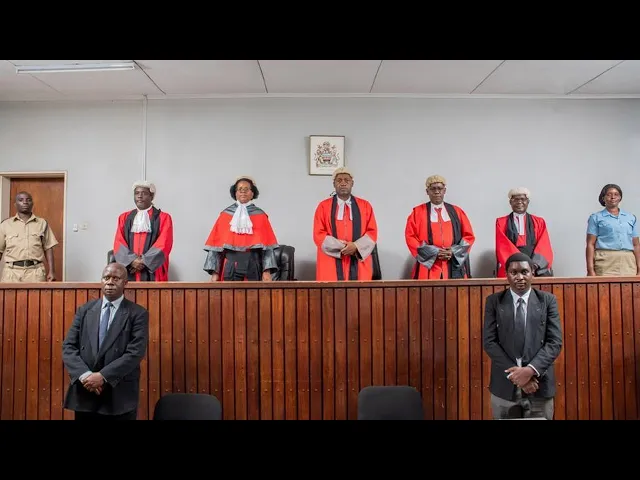
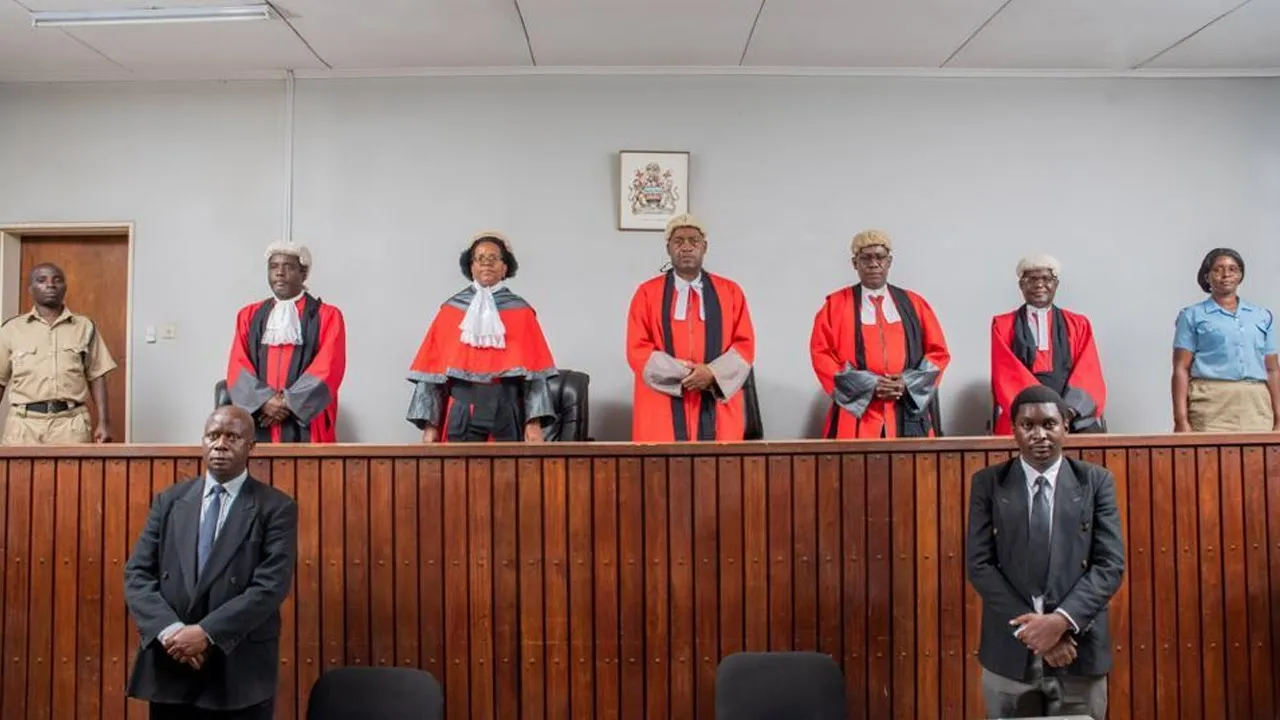
this ruling contributes for the enlargement and consolidation of the democratic space and process in malawi itself for starters this ruling asserts and it helps to assert beyond malawi the independence of the judiciary we know that in many african countries this is an area considered of certain deficit judicial independence that is the ability for a court to decide cases free from political influence is an important tenet of democracy governance basically the democratic space it's a well recognized democratic deficit advice as i said and um and this impacts on the issue of good governance and practice in
many african countries because of it uh of attention the judges are to be given um vehicles for example where we have been under escort by by the meter all the time so there is a lot of pressure on them to to make sure that they uh they rule in a certain way at the same time we have to present vain and making addresses on television at public events already uh referring to the cases like for example claiming that if the court is going to rule in a certain way when we the president is not going
to accept today the ruling so in a sense we were under enormous pressure from all sorts of stakeholders the civil society the citizens we have saved from the from the president of the country and rich business people trying to to bribe them importantly for this discussion the role of civil society organizations as watchdogs and observers in national elections cannot be overstated the case of malawi for example is a case in point where the supreme court and civil society were in fact in alignment as to the importance of ensuring a just result to a very complex
election but only a strong and capable civil society can effectively play its role uh a strong and capable civil society requires access to basic social services health education jobs access to information civic education inclusion in many african countries unfortunately these are areas where many deficits are still observed where many people have actually been left behind where civil society groups especially are an organization for the humanized defenders pollution came in when we noticed that the use we are going on the streets on their own and we are always landing battles between the police and uh and
and youths in the cities but also in uh in towns uh and villages so when they came in they won legitimacy in the eyes of the people because we had clear goals and we had a clear strategy we immediately demanded the resignation of a uh chairperson and the rest of the management of malawi electro commission very electro body and and later on it became very clear that by by pushing uh for for departure with his or his officials they were also demanding that the elections should be uh iran but i do believe that all development
partners needs to learn lessons not just in terms of the immediate engagement let's say with the incumbents and with the governments uh from the perspective of um you know the value of ensuring free and fair elections but also in terms of upholding the result of litigation there is often litigation in courts and all opposition parties are going to are going to contest the results of elections sometimes with good cause sometimes with less but basically there is a process there is a judicial process that guarantees that at the end of the day uh observer missions uh
can be aligned with what the law says uh about what are free and fair elections in actually declaring that elections have been free and fair so it seems that it's becoming increasingly difficult for national governments to ignore the growing voice and the growing strength of civil society and certainly electoral [Music] processes and electoral acts are a good time to assess also to what extent what governments say about civil society is what government actually uh do in terms of the inclusion in terms of the recognition of the voice and of the opinions um of civil society
for what is actually important for the life and development of the nation so i think from that perspective it's hugely important or what happened here and it's it's ramifications across the country continent will be great and i hope even uh in various uh military parks uh from uh across the country people will be able to see what uh our generals did and say maybe we can learn one or two from the media in malawi and to stand on the side of the people for once and stand on the side of the constitution i think that
will also embody civil society across across the country we have already had in uh colleagues from civil society from from zambia from uganda referring to the malawi scenario what what happened in malawi about ensuring that if you want to change all the stakeholders uh are working together i think that that's a long-lasting uh lesson i think which most people we we across the continent and beyond my my take for mala