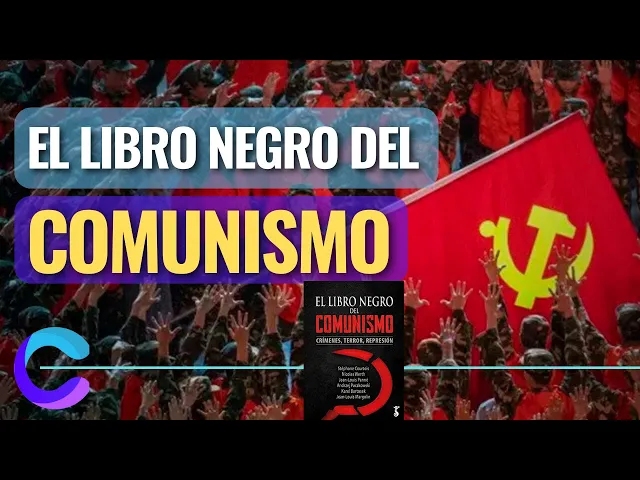
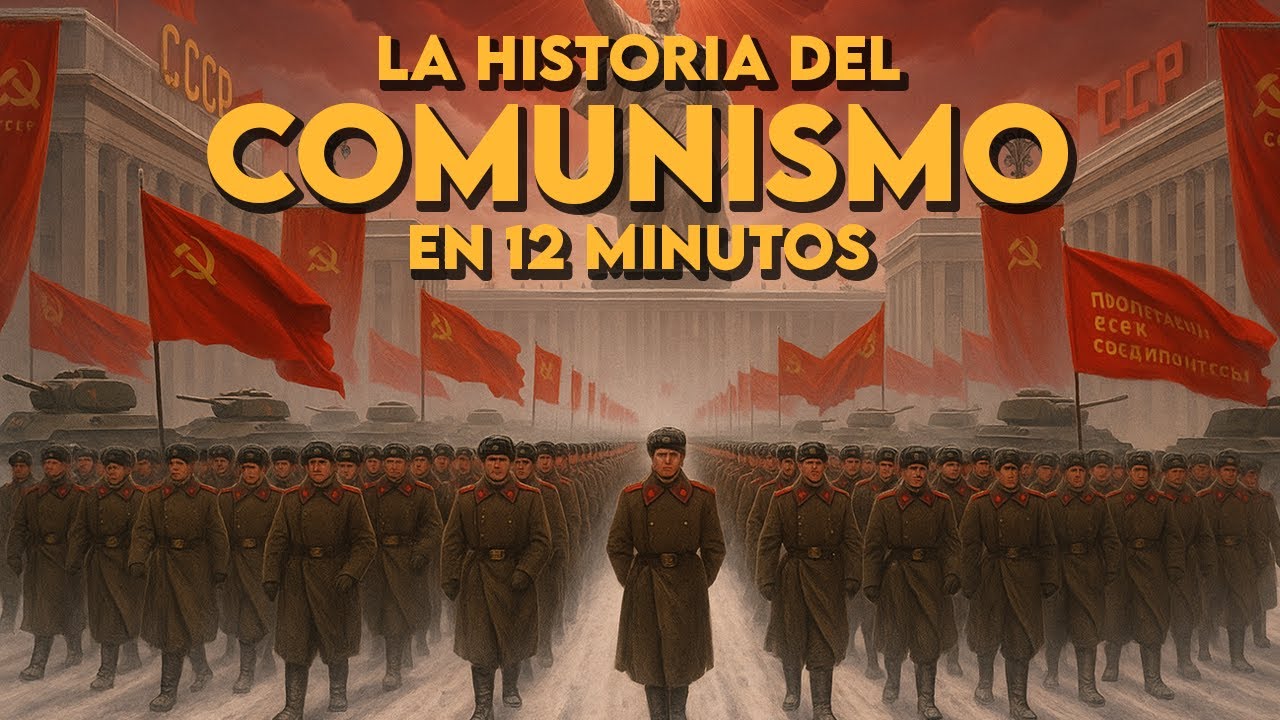
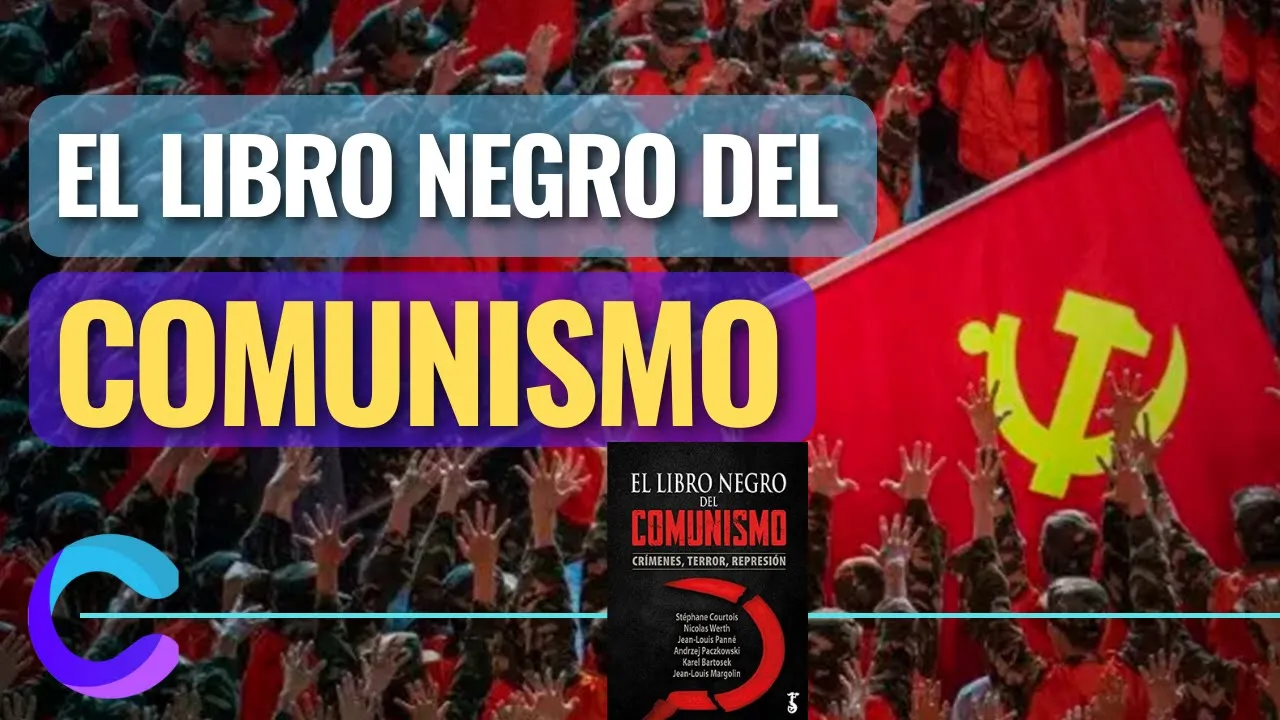
Today we are going to talk about a book that has generated a lot of discussion and controversy since its publication: “The Black Book of Communism. ” This book is an important work that attempts to document and analyze the crimes and abuses committed by communist regimes in the 20th century. Let's break it down and see what it's about, who wrote it, and what its impact has been.
***** “The Black Book of Communism” is a collective work first published in 1997. It was edited by Stéphane Courtois, a French historian, and written by several experts in history and political science. The main objective of the book is to document human rights violations , crimes and atrocities committed in the name of communism in various countries around the world.
Context and Motivation To better understand this book, it is important to know the context in which it was written. At the end of the 20th century, the world was reevaluating the ideologies that had dominated much of the century. With the fall of the Berlin Wall in 1989 and the collapse of the Soviet Union in 1991, there was an opportunity to research and debate communist regimes more openly and critically.
The authors of “The Black Book of Communism” set out to take stock of the damage caused by these regimes. They wanted the world to understand the human cost of communism, in the same way that the crimes of Nazism were understood after World War II. Authors and Contributors The main editor, Stéphane Courtois, is known for his studies on the history of communism.
Along with him, several other historians and academics contributed to the work, including Nicolas Werth, Jean-Louis Margolin, Andrzej Paczkowski, Karel Bartosek and Jean-Louis Panné. Each of these authors contributed specific research on different countries and periods, providing a broad and detailed vision. Structure of the Book “The Black Book of Communism” is structured into several sections, each focused on a specific country or region.
These sections include: 1. The Soviet Union: This part covers from the Russian Revolution to the end of the Soviet era, detailing Stalin's purges, the Gulag, forced famines, and other crimes. 2.
Eastern Europe: Crimes committed in countries such as Poland, Hungary, Czechoslovakia and other satellite states of the USSR are examined. 3. Asia: Included here are analyzes of China under Mao Zedong, North Korea, Vietnam, and Cambodia, with special attention to events such as the Cultural Revolution and the Cambodian genocide.
4. Latin America: The communist regimes in Cuba and other revolutionary movements in the region are discussed . 5.
Africa: Attempts to establish communist states in African countries and the resulting conflicts are examined. Content and Documented Crimes The book documents a wide range of crimes, including: - Mass executions: Many communist regimes carried out mass executions to eliminate political opponents, dissidents, and people considered "enemies of the people. " - Forced famines: The forced collectivization of agriculture in the Soviet Union and China resulted in devastating famines.
The Holodomor in Ukraine is a tragic example, where millions died of hunger. - Concentration camps and forced labor: The Soviet Gulag and re-education camps in China were places where millions of people were imprisoned, forced to work in inhumane conditions and often executed. - Political repression and persecution: The systematic repression of any form of dissent is documented, including the surveillance, arrest and torture of political opponents.
- Genocide and ethnic cleansing: Events such as the Cambodian genocide under the Pol Pot regime are analyzed in detail, showing the attempt to eliminate entire groups of people based on their social class or ethnicity. Impact and Controversies Since its publication, “The Black Book of Communism” has generated much controversy and debate. Here are some key points: 1.
Academic Impact: The book has been very influential in studies on communism, providing an extensive documentary base to understand the crimes committed. It has been translated into several languages and has influenced public and academic perception of communism. 2.
Political Debate: The book has been used in political debates to argue against the viability of communism as a political and economic system. It has been cited by politicians and activists across the political spectrum. 3.
Criticisms: Some critics argue that the book exaggerates the crimes of communism and does not take into account specific historical contexts. Others criticize that it directly compares the crimes of communism with those of Nazism, something they consider inappropriate due to the differences in ideology and historical context. 4.
Responses and Replies: In response to “The Black Book of Communism”, works have been published that defend some aspects of communism or criticize the methodology and conclusions of the book. This dialogue has contributed to a broader and deeper debate about the history and consequences of communism. Conclusion: “The Black Book of Communism” is an important work that has contributed significantly to the understanding of the crimes and abuses committed by communist regimes.
Although it has been the subject of controversy, its impact on historiography and political debate is undeniable. But what do you think, creative communicators? I am Emilio Pineda and I look forward to seeing you in the next chapter of Comunicreando.
Have a good time, see you soon.