Hi guys and welcome back you guys are gluten for punishment here's a third video in our lecture series on police and society the story so far to recap so far we started the first day of lectures talking about what police means that may sort of discuss police can mean different things if you think about it in different ways anywhere from someone who's doing policing to an idea Of enforcing law in order to ideal enforcing social control they also talked about how the definition of police can differ based on how we understand police how the experience
was and how those around us experience grace nonetheless we kind of set police up as a group of people who impose social order upon us whatever those group of people are and mr pointed out that unless if police Exercises his power upon us through a legitimate way by our consent that police is no longer then police is no different if they don't impose their power across in a legitimate way and places no different than an organized again a group like the mafia the only thing that really distinguishes police from mafia organizations that police is legitimate
so therefore police becomes their Sort of extension of the government extension of the state this says do this or else police becomes or else part of that sentence so then they said okay fair enough so therefore before we start talking police we should still talk about the system of government that we have is a system itself legitimate and we talked about uh sort of the idea of democracy we said okay democracy is a good idea You know democracy seeks to prevent the most amount of good for the most number of people so this utilitarian argument
and democracy greatest amount of good greatest number of people but we also point out there is a problem with that you know what john strumming pointed out to us and raised our consciousness to the fact that it's not just greatest number of people need to be happy but we need to take the right of Minority into consideration through discussion they kind of came to this conclusion that may be a good way to think about when is government legitimate and imposing this power upon us is to think of it through harm that government should impose its
power upon us in order to prevent us from harming others or other people's things theirs and Those property in other words garmin is here to protect me and my property against harm by others and that's about it okay so that's where we are so far this lecture i want to kind of start talking about police a little bit let's start i want to spend some time talking about history of policing zoe's friends are outside playing i hope you guys aren't hearing the marking too Much we want to talk about history of policing today [Music] i
have to give some caveats into what i mean by history of policing and why is it i want to do it i don't know this is not a history class i get it well there are a few reasons number one and most importantly we need to study history of police to understand where police came from And where it is today there's a direct connection between policing that we do today and ethos of place in the way that we think about the police today to how police came about in the 1600s so about 400 years ago
now obviously as a second caveat i'm not going to go through details examining the last 400 years of police that doesn't seem like a worthy thing to Do but what i want to do is take bits and pieces of the history maybe jump over a couple of hundreds of years just as a way of drawing a general picture of what police look like now when i say police in this context i literally mean police not groups that they're policing i'm in an institution called police that's what i Mean all right what do i mean by
that well there were always militaries you know it wasn't like the kings before didn't have anyone walking around in the streets doing policing they're rare it's just a military difference a police force first police force in reality came around in about the mid if you would want to put an actual date on it do you mind about 1667. Why did policing come to be well europe was going to a very interesting time at the time right there was a hundred year war was happening the hundred year wa actually lasted about 120 years but i guess
after 100 years not counting it was a century-long bloody battle that destroyed europe you know if you think wars are bad right now it burned the entire continent down For about a hundred years you know iberian wars were happening that sort of these wars were happening all over the place and these wars seek to establish a continent with independent countries you see up until this point it no such a thing really as large independent countries minus the holy uh roman empire in other words the pope had almost monopoly of power over the Entire continent it
was the pope that coronated kings the kings got their legitimacy from the pope and the pope got his legitimacy from god in other words the king said i am your king and you have to listen to me because i was appointed by god our own queen and her tuchen son have a similar argument of why they need to impose their power upon us Okay so here we are they say you know we got our power from god directly it's divine so in the 1600s some kings of europa's are going oh why why do i need
pope to give me legitimacy i am legitimate enough but they needed to unify so here it is the king of france comes out to the pope and goes you can go take a run and jump i don't Really need you to meddle in my affairs in fact i want to have the unified country and how do you go about having a unified country the first thing you do is you have to have a unified law if you have a unified law it's pointless it's meaningless it's useless unless if you have a police force that would
impose those laws a police force that is loyal to the king The person with whom the power lays so this is the time at which policing is born king louis says you know let's have a police force the very first definition of what police is was uh written by uh marquis monska q and this definition in its various ways have been rephrased or sometimes directly quoted in almost all policing handbooks In almost any western nation you look at if you look at policing handbooks in canada united kingdom australia france germany switzerland they all use this
quote or version of it as the beginning of discussion of police and you can find it in their powerpoint slides that are attached to this lecture i don't usually send you back to those powerpoint slides i feel like my lecturer should be good enough they Can just sit here and listen to me but if you want to see the direct quote you can go and check it out this is the only thing i've ever coding for you guys i don't really like using codes i don't like you using them but since this is the foundational
code i say let's talk about it let's break it down and see what it means a month ago says there are criminals Whom the magisteria punishes the others whom he correct the former those whom he punished are subject to the power of the law the latter the ones who are being corrected to its authority the former withdrawn from society said to jail one of jesus obliges the latter to live according to rules of society the rest can't stick around in the exercise of the police Is a magisteria who punishes rather than the law when he
says magister he meets the police okay there's a magister that punishes that at all in the judgments of crimes though it is the law that punishes rather than the magisterians okay and he talks about what police does matters of police are things of every instance which usually amount to but little Scarcity any formalities are needed the actions of the police are quick and the police exerted over things that recur every day therefore major punishments are not proper to it it is perpetually busy with details therefore great examples don't fit it it has regulations rather than
the law the people who belong to it are constantly under the eye of the magisteria Therefore it is a fault of the magisteria if they fall into excess this one must not confuse great violations of the law with the simple violation of the police these things are of different orders adam smith remember it guadalupe one of the most influential philosophers of our time he wrote a book called the wealth of nations in it he laid down the foundation of Capitalism i highly recommend reading the book and he defined place in a very similar way in
uh and he defined it in a british context so let's break it down well the very first line points out to police discretion doesn't it in distinguishing between cases where the offenders are punished by the law and other cases where they are directly subject to the authority of the police They really point is really pointing out to the concept of police discretion and police discretion continues to play a very crucial and important role in policing today police discretion in fact is the foundation of doing policing we don't mean by police discretion well police has more
discretion than judges and prosecutors combined police in fact has more discretion than Anybody else why because what's the best way to make sure you don't show up in front of a judge for judge exercises discretion you don't show up in front of prosecutor you don't show up in front of my mind as if police doesn't arrest you so police is the one who can trigger the rest of the criminal justice process and we have always been both of us but You and i have seen the discretionary power of the police you might have not even
felt that they might not even know maybe you know you're walking down the street with your beer and please see you instead of screwing man like i have enough to worry about maybe you're speeding and police doesn't even pull you over maybe you're doing 120 on the highway police because it's not even Worth pulling you over that's how many of you guys have driven by a police car doing 110 150 and 120 on a highway and police didn't come after you that was police please do i pull you over and my exercise is scratching my
leg you go so place of action is good but then again police discretion can play a crucial role In the way we think about police if places uses this discretion to be nice to us we'll like please if police use this discretion to be rude and mean and unjust to us we don't like police you know so police discretion becomes key and it has remained a hot topic of issue because you know on one hand we say well we don't want police to have discretion because if we want everyone to be treated equally On the
other hand how can everybody be treated equally we can't think about all the different complex social dimensions that exist in human attraction can we deny police discretion in a society in which every single interaction can be a new interaction every single interaction is detailed that's this personal mental health issue are they having a bad day did they just kind of fight with their Spouse did someone die in their household are they trying to get their life together this is what i mean by discretion and power always has this question i have quite a bit of
discretion over you guys the university has this question your parents have discretionary teachers your boss people have discretions over each other Power without um so the power without discretion it's not really power it's just computer if you're interested there's a book called justice without trial uh by uh american scholar skullnick i forgot his name for a second however america has gone in school if you're interested in police suspicion you want to Sort of think more about it i highly recommend the book it's called justice without trial the next thing they point out is a variety
of duties when we call the police when do you pick up the phone and call the police when [ __ ] happens right when something happens that you go someone should do something about this someone do something about it That's what he called the police police shows up when we're going um someone's got to take care of this business that's what we call right place police does have negative duties anywhere from holding a stop sign you know to chasing a criminal to calming down as a person who's uh having a rough time to maybe just
driving around and Imposing you know traffic control police arrest murders and speakers all at the same time so we can't really define police for what they do other than to say they do almost everything in society again i don't really say someone want to do something about this we call the police don't we so they do many things but at the same Time it's a lowly status they don't do grand things and they don't find a cure to cancer or destroy crime or any of those things police does slowly work police does mostly minimal tasks
menial tasks is by definition police hang around help grandma carry her groceries if someone's walking around the street without pants on go and drag them into Your car and take them to the station and put a pencil it's very unpredictable one minute you could be you know sitting around doing nothing drinking coffee two seconds later you might be in a high speed chase chance of it low but nonetheless anything can happen what an important factor that they point out that marcus points out Is uh sort of the idea of police surveillance by suggesting that we
are under the control of police what he's pointing out is that uh police is responsible for imposition of law and order now we'll talk more about if that's fair or not as we go along but police is responsible for employment for example what we mean by that is that if we have If crime rates go up what do we call into the tv stations to come and talk to us about why criminals have gone up invite the chiefs of police to come and talk to us right so if people do bad things that crime is
up you go up to the police and go you were in charge now whenever we put in someone in charge of controlling people of making sure people don't do something Bad they have to use surveillance in other words they have to watch over us surveillance in policing forms a central key in the way we do policing keeping an eye on the population is possibly for police more important than crime science preventing crime is definitely more important than solving crime one thing we want our police to do is Prevent crime right and wait for it to
happen and then solve it last but not least is the idea of infer legality in policing in other words police is outside of the boundaries of law aren't they they can break the law anytime they want as long as they have a decent justification for it and you go from shooting people to Running a stop sign to running a traffic light coming into my house and searching it as long as they have a war intelligence they're able to do that in other words police can do things that are technically illegal for everyone else to they
exist in the edges of the law on the margins of legality and they oftentimes cost the margin as long as the regulations allow in Other words we should think about police regulation rather than police laws so let's sort of talk about history of police well here we are in france king lewis sitting around going you know i need a police force man uh the pope is interfering in the government way too much i need to unify the nation and in order to unify this nation i need A police force but this police force was different
than most other police forces that we know of first of all this place version exists everywhere the word police itself comes from the greek world policia which is the same root word for you know metropolitan it means the city comes therefore police comes from the word the city and its connection to the city is very Obvious the first police force was created in the city of paris at the time the largest city in continental europe most populated city in continental europe so that's where police is in its most widest sense police was a service provided
by the king as a way to govern people this could either mean government of the City or it's a good group of people maybe the clergy's maybe the politicians maybe the aristocrats whatever the case might be and it's worse order in a sense it means sort of establishing law and order that's what police kind of meant at the time and it's in its technical sense it was sort of the power to impose disorder okay so here we are Well french police differ in that it wasn't really a police force the way we're used to it
the way it worked was you had the lieutenant general of the place okay this was one person it's really like an office it was literally one person and the way what kind of think of it as sort of like the chief of police okay this lieutenant general position wasn't Given to someone who had military or policing background rather it was bought so you could pay some money to the king and he would appoint you the uh general there sort of uh head of the police the commissioner of the police the lieutenant general of the police
and in march of uh 1667 louis xiv appointed the first lieutenant General of the police i didn't really create a whole body of policing the way we're used to rather it was an office that had the ability to do pretty much anything they wanted the lieutenant general the police was there judge the prosecutor and executioner all at the same time those of you who like the theater just remember kind of foul Watching the miserable and you'll know all about the police you're gonna have this lieutenant general of the police at the top of this police
force who's directly connected to the king they get the power from the king and they in fact they bought their office from the king am i saying here why would you go around buying your office from the king good question well the potential of the Police had the ability to tax advice at the time sort of publications of novels or any pamphlets was considered vice as well so anything from publications to pornography to gambling to prostitution the lieutenant of the police had the ability to tax these and put that money in his own pocket and
he was a he and it took about a hundred years by sort of mid 1700 by 1750s This office was well established and by this time within this hundred years this office came to be defined through an interesting relationship with criminals in society what do i mean by that well retention of the police would hire a certain number you know anywhere between 50 to 70 80 depends on the year at the time how much money they had all those things the lieutenant general of the police Would hire a bunch of people who kind of were
worked as his cronies within each constitution within each section of the city and they govern any criminal activity that happened how did they govern it well it wasn't a police force it wasn't like they were walking around with their uniforms you know no what they did was they would hire usually thieves Prostitutes gamblers people who belong to the fringes of society as their spies as their watch people and these people will hang around the street looking at what's going on and anytime someone broke a law they would write it down or you know keep it
in their memory then in winter time twice a week it's summertime once a week bunch of these people with you know Batons or whatever in their hands walk around and go arrest all the people who have committed a crime that week okay so we're not really into so for example if i was being stabbed they wouldn't interfere and come and like you know take the guy who is stabbing me away but they will write down you know jean-jacques has a stabbed doctor mistake on tuesday then on friday they will show up and You know arrest
you now what do these people look like well that's an interesting question it looked many different ways some of them were well-trained military personnel they had weapons they had swords they had horses they had training on how to use their weapons some of them came from aristocratic backgrounds at the time if you were the son of an aristocrat Well if you were the first son of an aristocrat you would inherit everything your father had so you were good to go you could just sit at home and wait till your dad dies you wouldn't have to
if you were the second third fourth fifth son you had two options join the catholic church or join the military those are pretty much your two options that was left to you Well the catholic church had some celibacy requirements that discourage the aristocratic young men from joining it too often not that the demand of celibacy was really enforced at the time but nonetheless so a lot of people joined the military throughout these hundred years we needed a lot of about the french need a lot of people But now the 100 year of war has ended
so you have all these military personnel you have all these soldiers who were who knew nothing about war whose father and grandfather were soldiers have them just walk around the city now without a job well they're good people to recruit okay so we have recruited this very well trained group of mostly aristocratic people who have weapons and horses and stuff But then again you have soldiers who had nothing else to do but to be a soldier they didn't have their own weapon they didn't have their own horse maybe they were in the lower levels of
the military maybe they show ups with some training but maybe they have a baton in there and or you know a pitchfork or something like that then you had sort of the thugs in the street maybe they could have joined in The fun too what's a better way for me to make money as a thug on the street to both be a criminal and arrest some criminals that make money that way maybe i'll get rid of my competition along the way so it was really a huge part of sort of monte crew of characters who
were walking around doing this some had training some didn't have training some had horses some didn't have horses Some were very particular type of clothes some are wearing rags um it wasn't a unified group of people the style of this french surveillance also what is what we call an optical observation epileptical observation is when you don't know you're being watched what do i mean by that i mean if the power imposes itself upon you In a way that at any moment you could or could not be watched you never know if you are being watched
then you're going to act as if you are being watched differences between me standing in front of a classroom and talking to you and me sitting in the back of the class and talking to you what am i standing behind you in the class you know you might be being watched but you don't know if you're actually being Watched maybe i'm looking to the left maybe i'm looking to the right maybe if i'm not looking at you at all maybe i'll have my eyes closed we never know imagine if i told you to leave your
webcams on i would say you know i won't always be on but once in a while i'm gonna check it or maybe i'll check it out i don't know you would act as if i'm watching you all the time that's part of the whole point of security Cameras right you put a security camera on the thief doesn't come in not because they're afraid of the security camera but because they don't know if they're being watched or not might be not worth the risk i'm always there job of this police what did they actually do where
their job to reduce crime serve the public well definitely not to serve the public we know that You know if i'm being a stab that you're not interfering you're not serving me i don't care if you caught my murderer later on that wasn't services neither was it protection and we were protected so what was their job what did they do but most of the police force was used to impose itself upon the lower classes upon the destitute upon the poor working class or the Unemployed classes of people if i'm really concerned with sort of criminality
per se rather they started imposing certain kind of moral regulations remember this police didn't come to be because there were large cases of crime all over the place it wasn't that people came to louis xiv and said dude there's a lot of crime in this street we're getting pickpocketed we're Getting our sheeps is stolen we're getting you know our cheese taken away from us please come and help us that wasn't the case at all in fact no one really demanded police well they didn't know what police was you demanded nonetheless someone really demanded such a
force rather this force came to be as a way of solidifying the power of the king Therefore the first job that the lieutenant john the police had was to impose a certain kind of moral regulation they agreed with the way that the king was running the country the job although they kind of arrested criminals here and their their main job was to arrest agitators those who might overthrow the king those who wanted to have a revolution their job was to control riots To bash the heads of the unemployed and send them back to work in
other words their job was to impose a particular state of the mind their job was to impose a particular way of thinking on to people anyone who didn't think the way the king wanted them to think was met with the awesome power of this police force In fact the lieutenant general of the police in 1765 wrote that this response of the state depend on the state of the mind of the working class which constitute the people and form bases of the social edifice the state of the mind must be the principal object of the care
and vigilance of a good place the state of the mind of working class Had to be preserved from contamination by the unemployed poor ah here is a crossover so what they really say and we'll come back to this so let me talk about policing what they're really saying is that police was there to control the unemployed poor the police wasn't there to really control aristocrats You know aristocrats were getting arrested by this police first this police force was a way to control the mass population of poor who live in the city of paris that was
their job since the lieutenant general of the police got its power from the king and in turn king got his power from the god therefore anything that lieutenant john The police said was by definition directly came down from the god therefore police in france at this time had no real regulation the only loyalty was to the king and anything they did was legal because they did it if you're the appointee of god anything you do is by definition sort of solicitable intervention and by definition it cannot be illegal the job of the police at the
same time Wasn't to just go around bashing hands up people in but this police recognize the importance of leniency because pay attention the police what the police wanted to do was impose itself upon people and make people think the way the government want them to think okay they wanted to make people see what the government wanted to see it wanted them to Really embrace the laws of the land therefore it did require some leniency they were being lenient at times as a way of educating as a buildup as a way of building community education was
often favored over punishment why because punishment doesn't really make good subjects education does if you don't do what i tell you to do And i keep beating you to do it you might eventually start doing it but then you don't really want to the moment i turn my way my back to you you're gonna stop doing it the moment i stop beating you up you gotta stop doing it what the police wanted to do was to impose itself upon us in a way that they don't need to look at us anymore that we would internalize
that which the police wants Us in order to do that police had to control public opinions in order to do that police needed to build relationships with the community in order to do that police needed to establish surveillance in the community foreign one of the job of the police was to prevent riots now how do you prepare Eyes there are two ways to prevent rights number one when people come rioting in the street bash their heads that's not a very good way to prevent riots though is it because you still haven't riot now you have
to use force another way to prevent riot is to control public opinion it's to control a pamphlet is being published what books Are being published who's allowed to speak in public ah and that's where that control of opinion by police comes that's what police imposes itself upon us our police imposed it upon the french people not necessarily when they committed a crime but when they committed a type of behavior That might destabilize the unity of the state and the power of the king so that's a french model of police their power is given to one
person and one person only directly from the king the loyalty is to the king and those who are doing policing are not really providing a service no protection but rather their job is to control public opinion and bash the Heads of the unemployed and they're not very well trained they're not very well accountable it could be anybody kind of about working my sister well a few miles across the british channel the english channel was britain now the story of the birth of police in the uk is different than that of france there are some similarities
For example we wanted to have a unified set of laws a unified way of controlling society for example before this it wasn't that there were no such things as police they were there were two different types of police or people that we can call police you know they weren't really police what were thief takers now how did they take him well the way it worked was that you know Let's say my horse was stolen i would put an ad in a newspaper say you know amir's host has been stolen if return i'll give you a
dollar or 20 dollars there was no station as a dollar i'm just making this up here all right my horse is stolen if you bring if you find them bring it back i'll give you this much money and someone would go and find your thief takers their job was to go find your Horse and bring it back to you and they get certain amount of money in return or you know like my son was killed whoever that finds a murder i'll give you this money yeah if you think really hard about it what's a good
way to make some money here well i could either go do a lot of investigation and find your horse or if i'm a little bit sort of on the Shadier side of things what i can do is i can come and steal your horse wait till you put an ad in the newspaper saying if you bring my if you find my horse and bring it back i'll give you some money i'll bring the horse back and go here it is give me my money okay these thief takers are very similar to kind of that uh
french sort of uh informants if you will First of all they were mostly criminals that mostly came from lower sector of the society they were private in a way that they weren't really connected in any way it wasn't like there are a set of rules and guidance as they are controlling them anyone can do anything they want yeah there was no control over them and they had sort of a ambiguous relationship with law and order If you're unnecessary the type of people that you would invite to your house or for dinner they were kind of
the shadier side of things and there were another group of people who did policing and these are sort of you know they call them bat boys or you know various words like that most literature refers to bad boys mostly because they carry the bat around with them and the way that you would do It was that let's say i wanted to go from my house to my friend's house and i was a service to crap with a lot of money what i would do is i would hire one of these guys uh something i call
them chain boys as well i would hire one of these guys who could protect me so as i'm walking down the street he would walk around with a weapon and if anyone wants to attack me and rob me Beat them over the head but what's not a good way to make money you pocket the money off for protection and then you tell your friend that hey there is a rich guy coming around the corner he would wait for the rich guy to come you will put out a feeble fight and then the rich guy would
get robbed so you have made too many here this was happening until about the 1800s in the 1800s some very important things Happened number one up until that point if you got if something bad had happened to you you wanted to prosecute someone you needed to do the prosecution yourself so you need to hire a lawyer to show up to court and prosecute the person who has done you wrong well many people didn't have money to hire a lawyer To sort of prosecute the person who has gotten them wrong but in 1829 british government established
a crown attorney office so from now on prosecution was happening by the state okay that's number one number two the laws the way they were established and this is very interesting this is very important carries on to today the offense wasn't Against the person there the offense was against the crown even to today our court cases you know they read r versus whatever you know rv oak for example it means it is the queen that's offended if i get robbed and they find a thief and they take him to court it is the queen that
is on the other side it is a Regina who's on the other side of that prosecution rather than me so the offense it wasn't that the person was offended by the king the queen was offended the monarch was offended do you see the difference here so now laws are not there as just personal things you didn't just steal my horse you destabilized the entire country you offended The laws of the king okay so the prosecutor came as the representative of the king to seek justice for the king or the queen okay that was number one
another very important thing happened as well there was a massive law reform you see up until that time laws are very sort of old testimony almost everything was punishable either by death or by sending You away to you know some far away flung place that you can never come back you know australia was full of those people almost anything you know still a horse death still a sheep death uh you know still a piece of bread we'll send you to a colony forever things like that i'll tell you a funny story uh there's an old
joke In ah sort of british circles as to the sort of veracity of the scots and the love of their cats and this is not surprising because if you look at the laws you know to the laws of the land stealing a sheep was punishable by death bestiality hover was a misdemeanor you got a ticket for it so it is true that a lot of the scots Were charged by crimes of bestiality at the time but i can imagine that if i had a sheep under my arm and i was running away and someone caught
me and said were you stealing that i knew if i say yes i might get killed i might get hanged maybe i'll say something like no i was just planning to have a you know romantic night with it behind the bar so Here's a leftover of those laws by the 18 uh sort of 20s 1830s we had a massive reform of those laws the laws weren't so draconian anymore things came down we didn't kill everybody anymore things came down as at this place that the english police is born now the english place is almost opposite
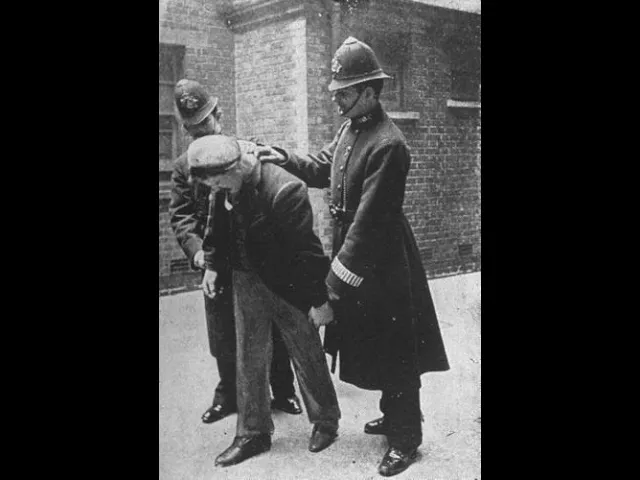
of the french police you might have heard of uh the first uh chief of police In the uk uh we have a whole region named after him just to the west sir robert peel for whom the peel region is named after he was the first chief of police and uh he established sort of his power in 1829 with 800 men and within four or five years by 1834 he had over three thousand men working for him it has some interesting features that made it different than the french police Number one the chief of police sir
robert pill wasn't appointed by the king rather by the parliament in other words his loyalty wasn't to the king but to the law of the land okay that's number one number two this was an organized police force people here wore uniforms every single police officer had the Exact same training as every others police officer they carry the exact same type of weapons they conducted themselves in the exact same way as each other why is uniform important why are these things important well number one uniform is important in two ways one is in surveillance if someone
has a police uniform You know they're watching it so the surveillance is no longer panoptical surveillance is very obvious it's in your face surveillance you no longer going i don't know if i'm being watched or not you're going i know i am being watched the police is right there i see you okay at the same time uniforms allow certain amount of professionalism don't they uniform create certain amount Of belonging uniformity that's that's what uniform means right it creates an amount of uniformity and now you all look the same it also creates accountability if you have
a uniform on with your name on it with your station number on it then i can find you this accountability was very important because it was the first time That police had a code of conduct they weren't allowed to drink they weren't allowed to gamble they weren't allowed to police the neighborhood they lived in had to be good honest people at the beginning turnover in police was huge because if you got drunk you got fired if you got high you got fired if you got in a fight you got fired if you uh gambled you
got fired if you Were found in company of prostitutes you got fired otherwise this was the first time that they said we need to have a police force it's made of good moral people not just criminals we don't in fact want them one good moral people here secondly i guess thirdly peel established a series of codes of conduct a series of regulations by which police must act These regulations were controlled by the parliament in other words they were controlled by the people by us in other words now we have a professional police force that ends
up becoming unionized or later on down the line by the time they very obviously it's policing as a career now not everybody can do policing in this society police does policing so Here's the beginning of that division of labor we'll talk more about these things sort of theoretically in the next lecture but here's that beginning of division of labor and no longer you know you're a thief a gambler prostitute and a pornography producer and a police at the same time policing becomes a job it becomes a profession something you have to train For something you
become for example you know people worked for the detention of the police in uh france they didn't call themselves police they didn't say we're doing policing no one said what's your job with the golovkin police officer there was no such a thing this is the first time that you someone can say i am a police officer this is my job a kid can say i want to grow up to be a police officer It was such a thing as a police officer as a job now this police because it had uniforms on its style of
prevention was different than that of the french police the french place depended on you being afraid enough feel like someone might be watching enough to not do the work this place was a police that hung around if someone screamed i'm being robbed this police will run And try to help you try to arrest the criminal and impose probably just existed if a friendship spy was standing on the corner that didn't prevent you from stealing something or robbing someone or beating someone up or committing murder but not at places stand up with the uniform and you
know they're going to interfere maybe just seeing them enough standing There is good enough target of the british police though continued to be the poor and unemployed so when we look at data how many people they've arrested you know what kind of force they use on them things like that it was mostly the poor and the unemployed that they've arrested it wasn't the rich people that were getting rest in fact it was rare to a point of being unique For uh a person of our socratic household to be arrested technically they could but it was
different uh the work in a book on police surveillance kind of makes a distinction between french policing and sort of the spies and that kind of people who you didn't really know they existed From british police that they call it calls watchmen that you knew they were there you knew they're watching you that's the distinction between a panoptical style of surveillance that you saw in france and a synoptical style of surveillance that we saw in the uk so we're no longer saying going am i being watched or not you knew the answer to that question
action in this synoptical style of Surveillance is triggered by just seeing something now this so what i really want you guys to take away here are three main things number one is the style of surveillance what's the difference between a synoptical and panoptical style of surveillance what's more legitimate you know what's more in your view what creates more peace of mind more Security and legitimacy in society another thing i want you guys to think about is legitimacy of police itself how does uniform add legitimacy to police how does training have legitimacy how does imposition of
a certain codes of conduct and moral behavior at legitimacy those are the type of things i want you guys to think about because you see this british style of Policing got imported from the uk to the united states right after the revolutionary wars okay so the americans become independent they kick the british out they go yay independence this is fantastic we can celebrate it you know a few hundred years from now by getting really drunk at the beach and having uh uh fireworks and maybe some mattress sales But for now we're pretty happy we're independent
but oh no how do we control the society ah and there lies the american conundrum you see the americans didn't want to do it the british way why because well they just finished fighting with them like if you just finish a war in you surely don't want to emulate any of their actions So the americans didn't really like this idea of central authority imposing its well on us central authority imposing its will upon us so american police became really fragmented so i became a schizophrenics you had all these sort of small sheriffs all over the
place shares were elected they continue to be elected isn't that weird imagine if you Had an election for chief of police in toronto now this is different than the british place right the british list the loyalty was to the constitution the loyalty was to the parliament why because they were appointed by the parliament there was a loyalty word to the law itself the loyalty of this style of police is to the people who elected them but Loyalty isn't for the parliament it's not to some notion of freedom and democracy the loyalty to the people who
elected them so really if more can't look like the french police than the english police don't they yeah the french police a loyalty was to the king let's replace king with people here similar things that's different than sort of democrat The parliament right because the parliament can look after the right of the minority a police in a democratic society theoretically that who's sort of commitment is to the parliament would have a commitment to right up the minority as well because a parliament protects the right of the minor right whereas in the sheriff the loyalty lays
In whoever it is that votes for them it's a political position just like the french police it's a political position whereas in the british police is not a political position the chief of police was not a political appointee radha was someone who had knowledge of military action had knowledge of policing behavior who had knowledge of policing science But the american and the french police were anyone who could get elected well in the case of french anyone had enough money to buy the office in the case of the american who were that got elected and the
person who got elected often got elected not based on you know i have good ideas of how they can now you know uh reduce crime what was the best gunslinger in town In other words police in the united states got its legitimacy from the person who was carrying the badge so it wasn't that i'm gonna listen to you because you're the sheriff it was that i'm gonna listen to you because you're the best gunslinger in town and you happen to be the you see the difference here for example you and i We listen to the
police when police tells us something when they have a uniform on not because we don't think we can take that one police officer because we know that we can't take all the police officers in the city for example when a police officer who you know is five foot one weighs 100 pounds comes and tells a six foot two tall man sit down over here and don't Move that man doesn't move not because he doesn't think that he can take her but because he knows that her uniform represents police as general okay american police wasn't like
that though the power rested with the person rather than with the office of the sheriff you see what i mean do you see the difference here the power in here Rest for americans with the person it's even different than the french style right in french stuff the power is still raised uh arrested with the office of the lieutenant general of the police because at the end of the day that office was controlled by the king but sherry since the office was completely independent from the government they got their authority from the very fact that they
Were the best gun slinger in town bring it on you don't like the sheriff oh let's fight it out so that was one difference none of it was american police was very reluctant to wear a uniform because they just finished fighting the red coats they had their uniforms on they're very inclined to bring back uniforms and we just finished the War that kicked people with uniform who were telling us what to do out of our street you're surely not going to you know bring in more people with uniforms on our street so that's one key
aspect another big difference was that although police in france and in uk were connected to big cities police in the united states began not Necessarily in big cities but in port cities why is that important you know in places for example like new york new york city boston these are the first police forces that came around why is that important as you remember we sort of talked about british of french police as a group as an institution that tried to impose a particular way of thinking unto people that's how we Began to think about grace
as an institution of police that was interested in keeping peace in the large cities by controlling the unemployment american police was different though because american police was elected often time their loyalty laid with the majority of people and they were there to control and remember yeah this is an immigrant country American police was there to control their sort of new wave of immigrant summer coming in so oftentimes police was on the site of the old immigrants and was bashing in the heads of new immigrants secondly while the british police had its higher ranks coming from
military and trained people for americans the higher ranks of police were politicians It was a political atmosphere remains political just look at sort of united states today i want to make sure i haven't missed anything here most importantly though police legitimacy didn't really come from this sort of notion that pill had that let's form this organized professional body who gets its legitimacy from the government Rather in united states police got its legitimacy but bashing in the heads of the most new immigrants we continue to see uh american police and its involvement with no longer bashing
but shooting people of particular racial backgrounds for example that blacks especially um black men in the united states are often times The target of police's awesome amount of power pick which are weak we're in and just you know look up who police have shot today on the streets of united states lastly sort of this mistrust that americans have of the government of a centralized governing body also translated into a hybrid policing where public and private police met Together for example pinkerton's detective agency was a private police that brutalized lord sections of united states in the
name of the railway it was really the private police for the railways but they have they had awesome amount of power in the country in canada we have for a large part imported the british model of policing with small differences For example rcmp is more of a militarized police rather type of police ever used to you know pill police toronto police offshore police any of these things pick their choices they look qualitatively and quantity different than rcmp that has to a large extent to do with the fact that rcmp was created as a military force
to expand canada to the west from East to the west it was the rcmp that was uh you know brutalizing native and aboriginal reserves native and aboriginal tribes rcmp was the sort of military force behind colonization of canada at the same time we have city police at the same time we have sort of a pale imagined police looks like so we have a hybrid Police in canada in most other aspects though police in canada looks an awful lot like the british police it's uh it's not a political position supposedly at least they're not political appointees
all they get appointed by politicians it's very well organized it's very well sort of the people have uniforms there's training involved it's a professional unit that gets its Legitimacy from the government for the most to part this there are some conclusions that we can make first are five transitions that we see in police first police kind of went from this general umbrella of governance something very specific whose job is to provide security to provide uh service to the people control Crime and preserve order so the french focus of abstract notions of gov governance were replaced
with very sort of concrete qualification of police became so it sort of went from yeah police's job is to be the judge the jury and the prosecutor all at the same time and police sort of decides what to do by themselves to a set of rules and Regulations that police has to follow policing surveillance went from synoptical to from panoptical surveillance to synoptical surveillance kind of moved away from that panoptical view of police surveillance that you know have these sort of secret police without uniform walking around to a more synoptical style of surveillance where police
is observing us in their uniform We know we are being observed we went from sort of this hodgepodge of sort of group of people who do policing you know this monty crew of people who were doing policing to more concrete to a more a sort of unified style and image of police we started sort of thinking about what are the means of policing right and just watch the end of policing be in other words we all agree that police should provide A service and provide security but we started kind of thinking about well how should
police go about doing those things there is a repetition here we see it all over the place the job of the police has always been and continues to be to control particular segments of society police imposes this power mostly on particular segments of psych Plus imposes power more in canada and to be more specific police impose power more on the unemployed poor on the homeless than they do on the rich you know in other words the target of the police continues to be the poor and the unemployed and that's where our next lecture is going
to begin we're going to think about this notion Of what do we mean by poor and unemployed what are they or what were they the target of police and continue to be the target of police to summarize police was born at the infancy of the industrial revolution it was born at the beginning of the new age of governance it was a way to control public opinions In the big city to maintain law and order in big cities police's style of surveillance might have varied over time and space but their target remained the poor and the
unemployed the target remain at least the powerless if you want to include recent immigrants into this group therefore police has always the target of the police have always been Particular type of people that we see as jeopardizing the unity the enemy of society particularly people that we see them as increasing the enemy in society you know what i mean by anime sort of dysfunction disorganization in society that's what i mean so anyhow that was our uh lecture on history of policing as always i'm happy to talk much more i could talk about this thing for
five six Hours straight i'm more than happy to talk about things as long as you want to get in touch with me we can set up office hours to chat or let's meet up during our weekly town hall meetings i'll see you guys soon bye
![Kaffara Episode 63 - [Eng Sub] - Ali Ansari - Laiba Khan - Zoya Nasir - 25th September 2024](https://img.youtube.com/vi/KZdRrPgFqE8/maxresdefault.jpg)