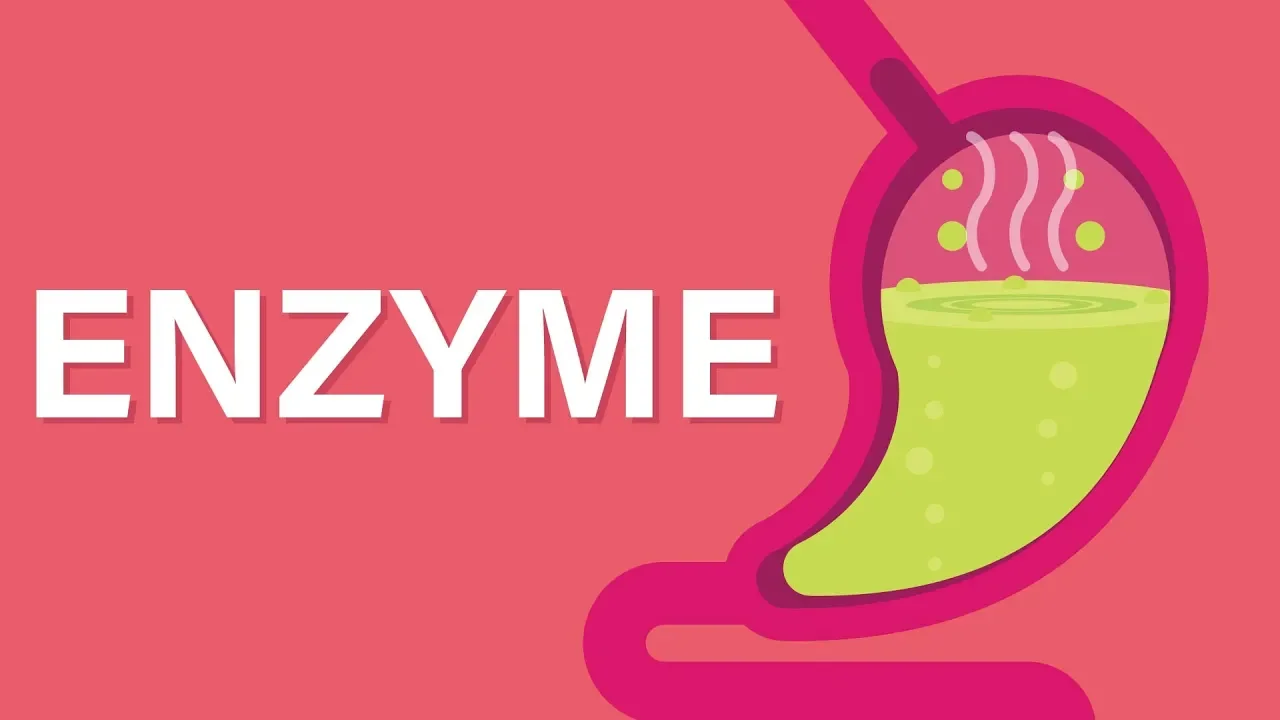
What are Enzymes? Enzymes Human body is a product of different chemical reactions and processes. But what controls these reactions?
In 1833, a French Chemist Anselme Payen, was the first to discover the vital force that drove these reactions and named it “Enzyme”. Enzymes are substances, proteins or in some cases ribonucleic acid (RNA), that speed up a biochemical reaction by modifying specific substances called substrates. Enzymes are supremely selective in who they bind to and modify, hence their “specificity”.
Mode of Action Easier said, but how does a tiny enzyme speed up a chemical reaction? The answer to this is simple. Enzymes perform this critical task by lowering a reaction's activation energy, that is, the amount of energy needed for the reaction to begin.
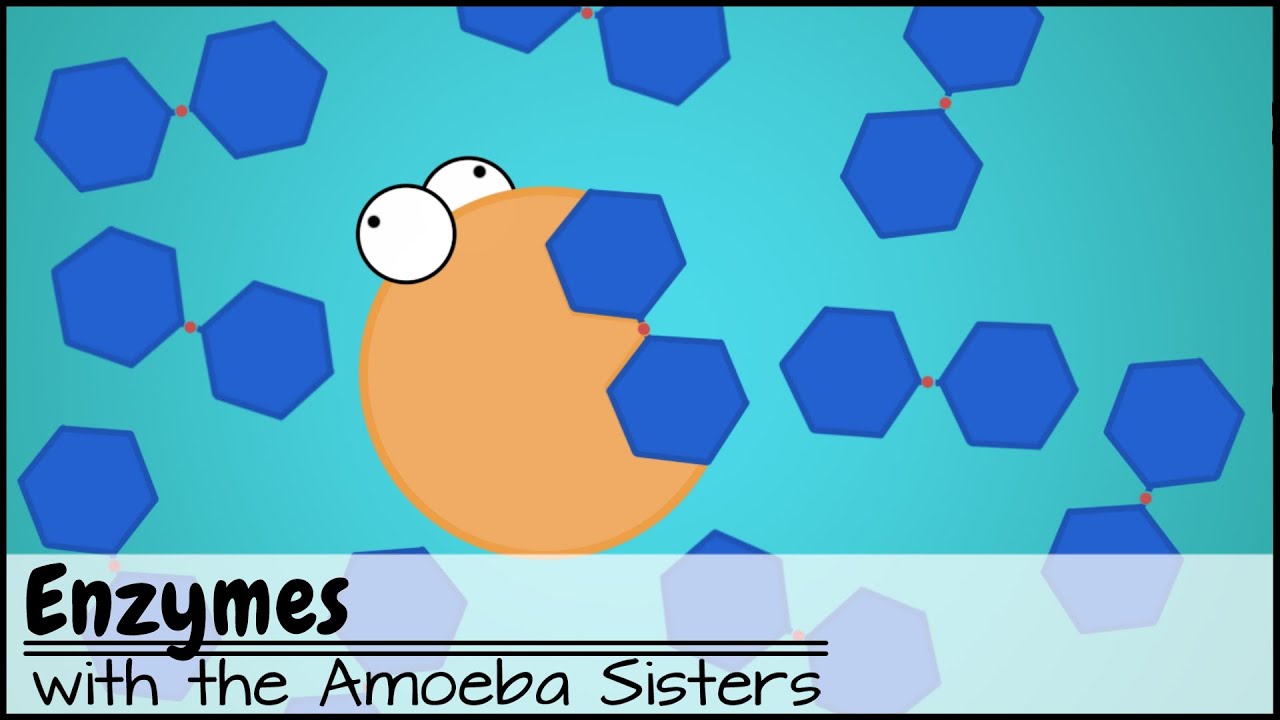
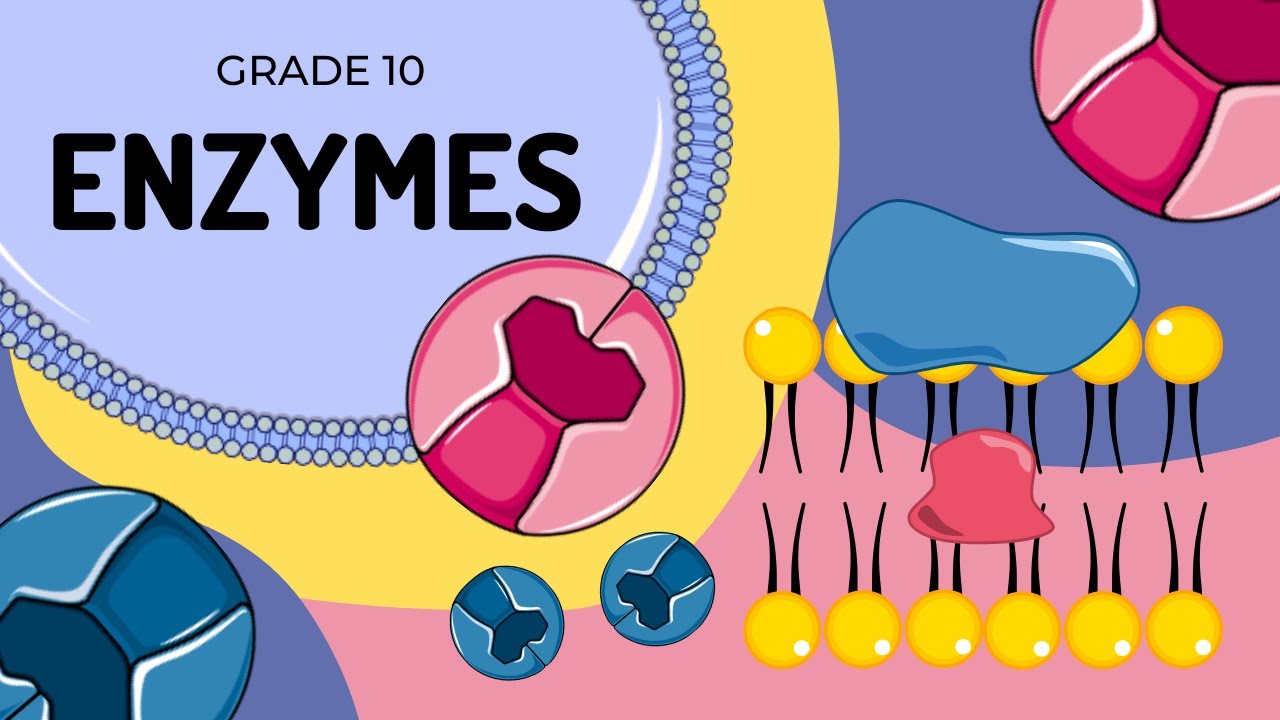
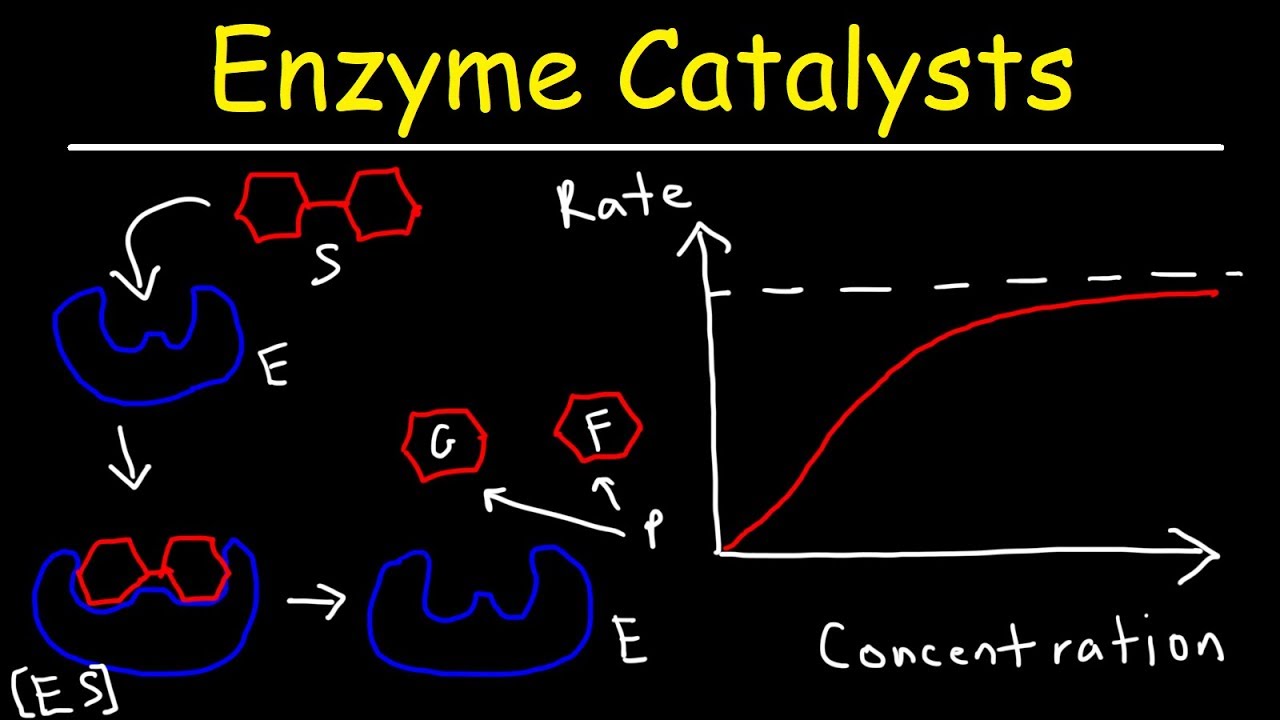
Enzymes bind to their substrates, hold them in such that chemical bond-breaking and bond-forming processes take place more easily. Enzymes have a specific place in them called “Active Site” where the substrate binds and real time action takes place. Active site has a specific size, shape and chemical behavior rendered to it by specific arrangement of amino acids.
Thanks to these amino acids, an enzyme's active site is unique only to a particular substrate. In addition to the active site, many enzymes consist of a non-protein part called “Cofactor”. Cofactors may be: Cations: Positively charged metal ions (activators), bound temporarily to the active site to “activate” the enzyme.
Organic molecules: Vitamins or vitamin products (coenzymes), that join enzyme-substrate complex temporarily. Prosthetic groups: Permanently enzyme bound. Many enzymes only perform their catalytic role when associated a coenzyme.
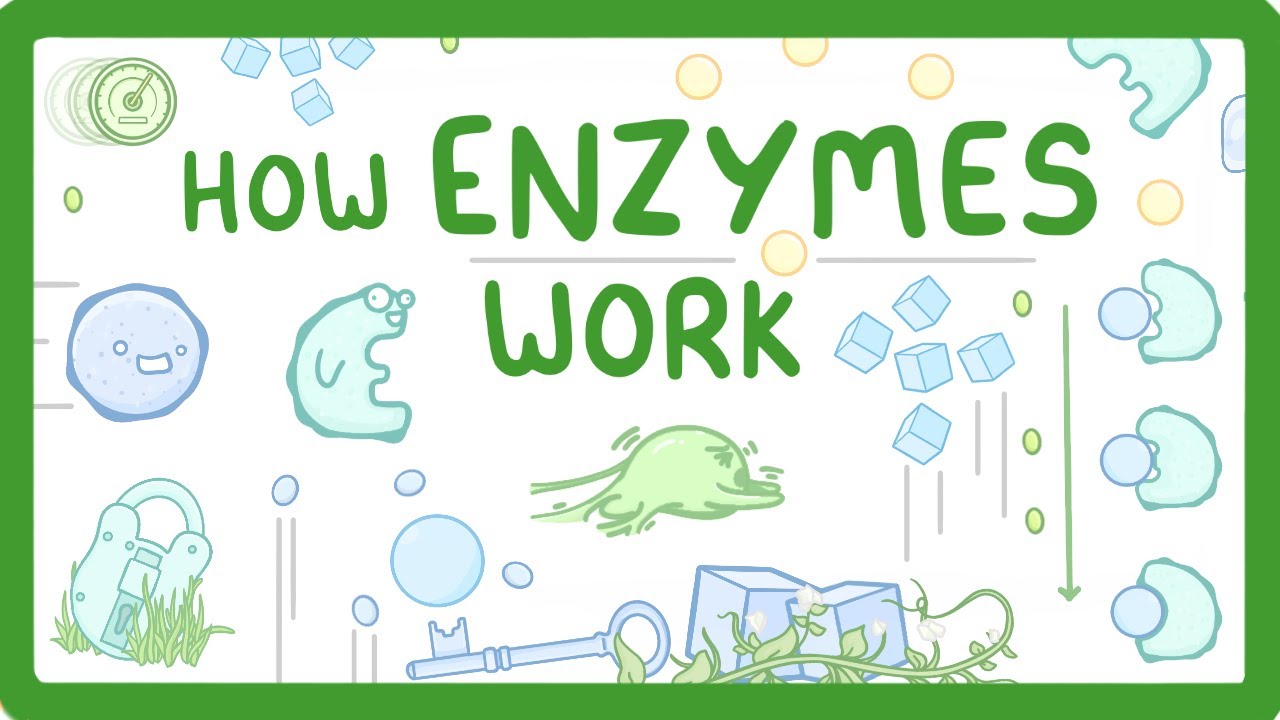
An in activated enzyme (protein) along with its coenzyme (non-protein) makes up a system called holoenzyme. To add to the complexity, scientists termed this inactivated enzyme as apoenzyme and therefore the equation becomes: Holoenzyme=Apoenzyme+ Coenzyme Models of Enzyme Action Lock and Key Hypothesis This is the simplest model to represent how an enzyme works. The substrate simply fits into the active site to form a reaction intermediate just like the key fits in its specific lock.
The shape isn’t changed here, rather the structure of substrate absolutely compliments the structure of the enzyme, like puzzle pieces. Induced Fit Hypothesis In this model, the enzyme, upon binding of substrate, changes shape. The matching between an enzyme's active site and the substrate isn’t just like two puzzle pieces fitting together, rather the enzyme changes shape and binds to its substrate even more tightly.
This fine-tuning of the enzyme to “fit” the substrate is called induced fit. Environmental Effects on Enzyme Function Active sites are very sensitive. They sense even the slightest change in the environment and respond accordingly.
Some of the factors that affect the active site and consequently enzyme function include: Temperature The suitable temperature for enzymes to function properly is 37°C. Increasing or decreasing the temperature above 37°C affect chemical bonds in the active site, making them less suited to bind substrates. Higher temperatures denature enzymes.
pH Amino acids present in the active site are acidic or basic. Fluctuation in pH can affect these amino acids making it hard for substrates to bind. Extreme pH values can denature enzymes.
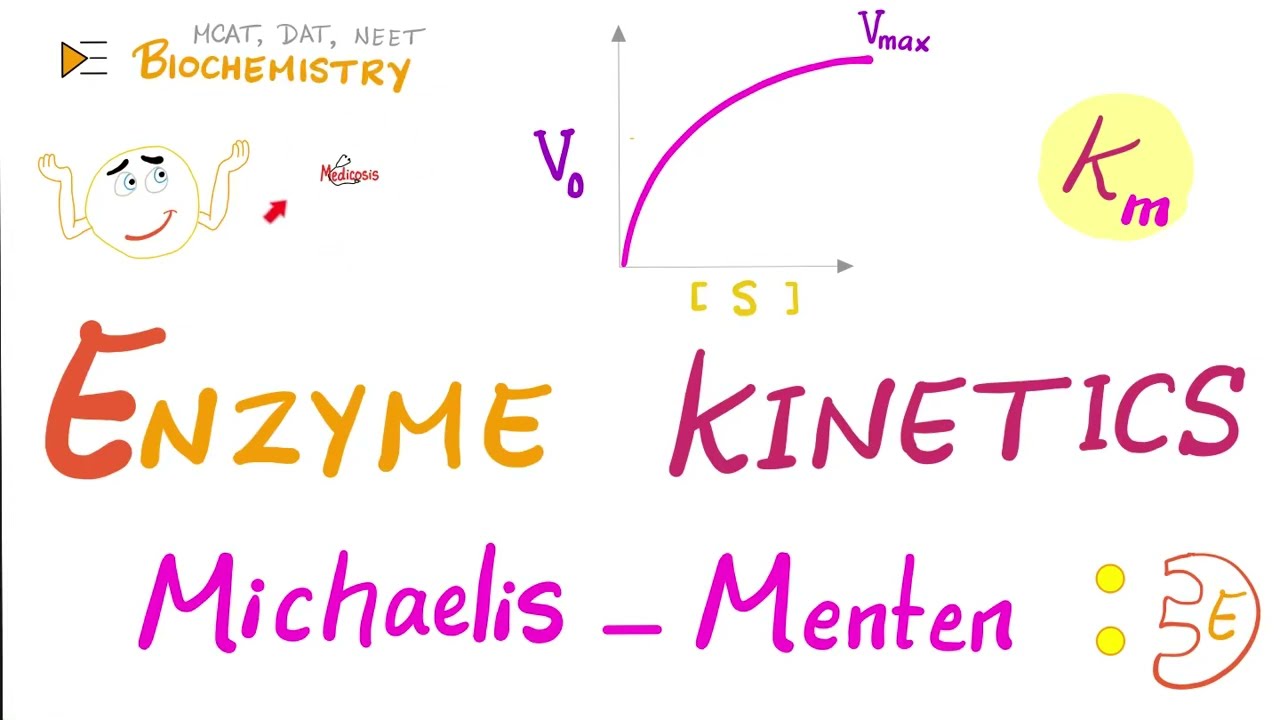
Enzyme Concentration Increasing enzyme concentration will increase the rate of reaction, as more enzymes will be available to bind with substrates. However, after a certain concentration, any increase will have no effect on the rate of reaction. Substrate Concentration Increasing substrate concentration increases the rate of reaction.
This is because more substrate molecules will be colliding with enzyme molecules, so more product will be formed. But again, this effect is valid up to a certain concentration. Inhibition of Enzyme Activity Some evil substances, called “inhibitors”, reduce or even stop the activity of enzymes in biochemical reactions.
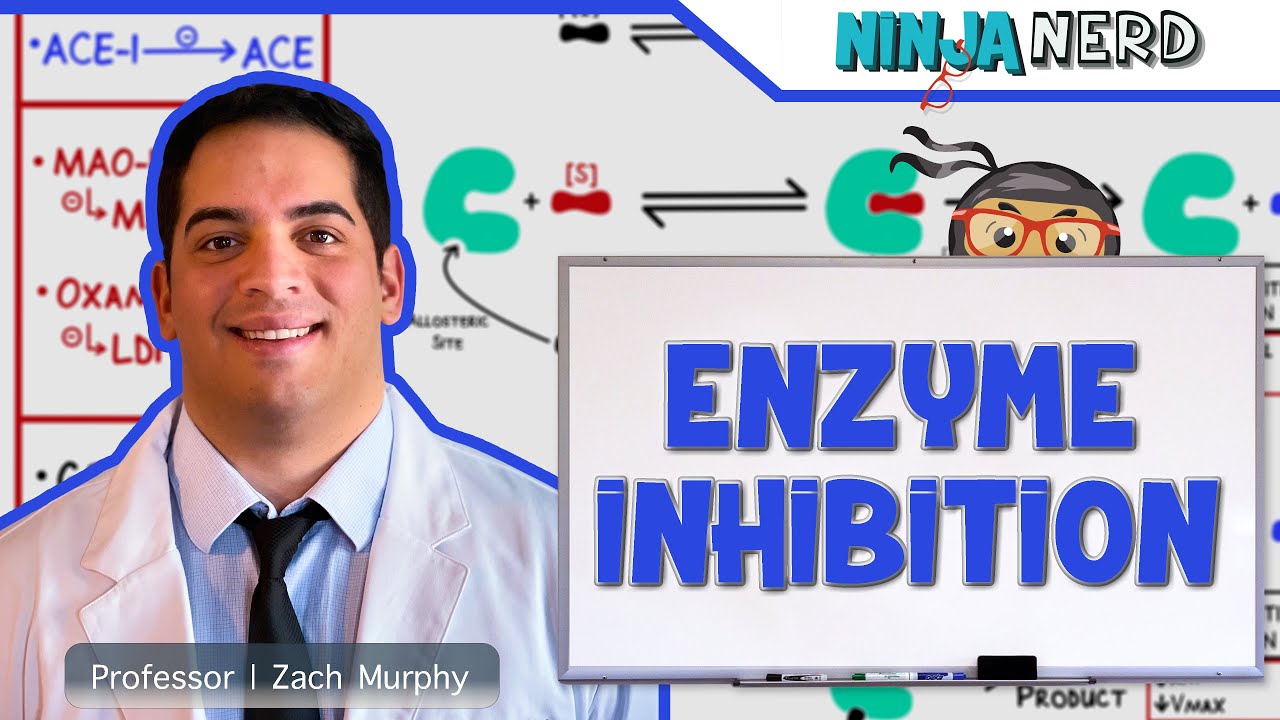
They either block or distort the active site, thus inhibiting the reaction. Based on this, there are two types of inhibitors given below: Competitive Inhibitors: Occupy the active site and prevent a substrate molecule from binding to the enzyme. Non-competitive Inhibitors: Attach to parts of the enzyme, other than the active site, to distort the shape of an enzyme.