As your morning alarm blares, you mutter to yourself, “Why did I set it so early? ” While brushing your teeth, you think, “I need a haircut. .
. unless? ” Rushing out the front door, you reach for your keys and realize they’re not there.
Frustrated you shout, “I can’t do anything right! ” just in time to notice your neighbor. Being caught talking to yourself can feel embarrassing, and some people even stigmatize this behavior as a sign of mental instability.
But decades of psychology research show that talking to yourself is completely normal. In fact, most, if not all, of us engage in some form of self-talk every single day. So why do we talk to ourselves?
And does what we say matter? Self-talk refers to the narration inside your head, sometimes called inner speech. It differs from mental imagery or recalling facts and figures.
Specifically, psychologists define self-talk as verbalized thoughts directed toward yourself or some facet of your life. This includes personal conversations like “I need to work on my free throw. ” But it also includes reflections you have throughout the day, like “The gym is crowded tonight.
I’ll come back tomorrow. ” And while most self-talk in adults tends to be silent, speaking to yourself out loud also falls into this category. In fact, psychologists believe our first experiences with self-talk are mostly vocal, as children often speak to themselves out loud as they play.
In the 1930s, Russian psychologist Lev Vygotsky hypothesized that this kind of speech was actually key to development. By repeating conversations they’ve had with adults, children practice managing their behaviors and emotions on their own. Then, as they grow older, this outward self-talk tends to become internalized, morphing into a private inner dialogue.
We know this internal self-talk is important, and can help you plan, work through difficult situations, and even motivate you throughout the day. But studying self-talk can be difficult. It relies on study subjects clearly tracking a behavior that’s spontaneous and often done without conscious control.
For this reason, scientists are still working to answer basic questions, like, why do some people self-talk more than others? What areas of the brain are activated during self-talk? And how does this activation differ from normal conversation?
One thing we know for certain, however, is that what you say in these conversations can have real impacts on your attitude and performance. Engaging in self-talk that’s instructional or motivational has been shown to increase focus, boost self-esteem, and help tackle everyday tasks. For example, one study of collegiate tennis players found that incorporating instructional self-talk into practice increased their concentration and accuracy.
And just as chatting to a friend can help decrease stress, speaking directly to yourself may also help you regulate your emotions. Distanced self-talk is when you talk to yourself, as if in conversation with another person. So, rather than “I’m going to crush this exam,” you might think, “Caleb, you are prepared for this test!
” One study found that this kind of self-talk was especially beneficial for reducing stress when engaging in anxiety-inducing tasks, such as meeting new people or public speaking. But where positive self-talk can help you, negative self-talk can harm you. Most people are critical of themselves occasionally, but when this behavior gets too frequent or excessively negative, it can become toxic.
High levels of negative self-talk are often predictive of anxiety in children and adults. And those who constantly blame themselves for their problems and ruminate on those situations typically experience more intense feelings of depression. Today, there’s a field of psychological treatment called cognitive behavioral therapy, or CBT, which is partially focused on regulating the tone of self-talk.
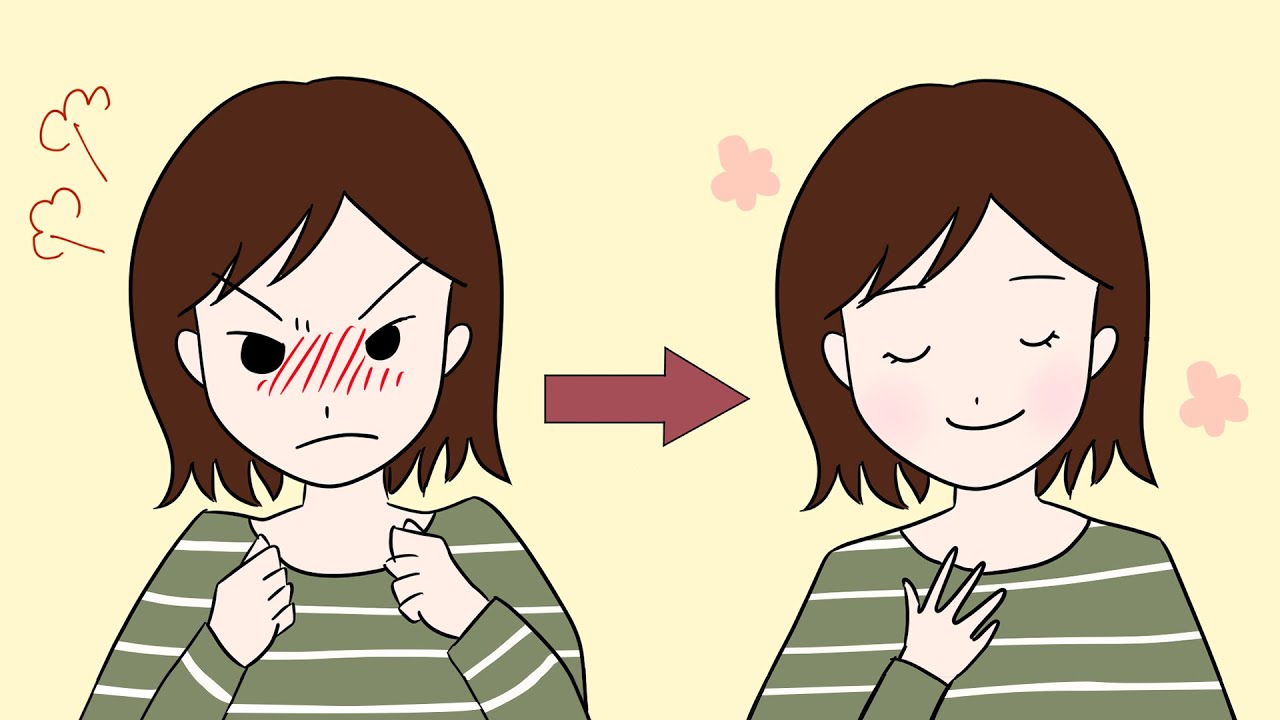
Cognitive behavioral therapists often teach strategies to identify cycles of negative thoughts and replace them with neutral or more compassionate reflections. Over time, these tools can improve one's mental health. So the next time you find yourself chatting with yourself, remember to be kind.
That inner voice is a partner you’ll be talking to for many years to come.