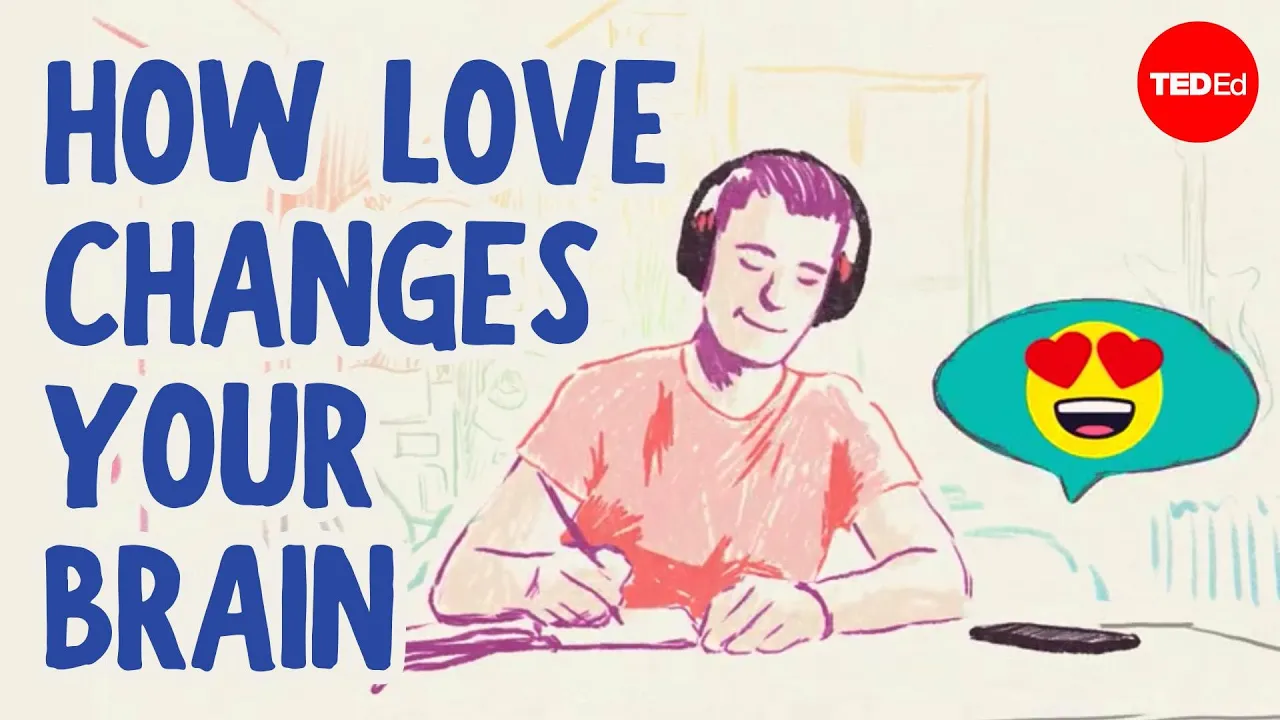
Love is often described as heartwarming, heart-wrenching and even heartbreaking. So, what does the brain have to do with it? Everything!
The journey from first spark to last tear is guided by a symphony of neurochemicals and brain systems. As you begin to fall for someone, you may find yourself excessively daydreaming about them and wanting to spend more and more time together. This first stage of love is what psychologists call infatuation, or passionate love.
Your new relationship can feel almost intoxicating, and when it comes to the brain, that’s not far from the truth. Infatuated individuals show increased activation in the ventral tegmental area. The VTA is the reward-processing and motivation hub of the brain, firing when you do things like eat a sweet treat, quench your thirst, or in more extreme cases, take drugs of abuse.
Activation releases the “feel good” neurotransmitter dopamine, teaching your brain to repeat behaviors in anticipation of receiving the same initial reward. This increased VTA activity is the reason love's not only euphoric, but also draws you towards your new partner. At this first stage, it may be hard to see any faults in your new perfect partner.
This haze is thanks to love’s influence on higher cortical brain regions. Some newly infatuated individuals show decreased activity in the brain’s cognitive center, the prefrontal cortex. As activation of this region allows us to engage in critical thought and pass judgment, it’s not surprising we tend to see new relationships through rose-colored glasses.
While this first stage of love can be an intense rollercoaster of emotions and brain activity, it typically only lasts a few months, making way for the more long-lasting stage of love, known as attachment, or compassionate love. As your relationship develops, you may feel more relaxed and committed to your partner thanks in large part to two hormones: oxytocin and vasopressin. Known as pair-bonding hormones, they signal trust, feelings of social support and attachment.
In this way, romantic love is not unlike other forms of love, as these hormones also help bond families and friendships. Further, oxytocin can inhibit the release of stress hormones, which is why spending time with a loved one can feel so relaxing. As early love's suspension of judgment fades, it can be replaced by a more honest understanding and deeper connection.
Alternatively, as your rose-colored glasses begin to lose their tint, problems in your relationship may become more evident. No matter the reason a relationship ends, we can blame the pain that accompanies heartbreak on the brain. The distress of a breakup activates the insular cortex, a region that processes pain— both physical, like spraining your ankle, as well as social, like the feelings of rejection.
As days pass, you may find yourself once again daydreaming about or craving contact with your lost partner. The drive to reach out may feel overwhelming, like an extreme hunger or thirst. When looking at photos of a former partner, heartbroken individuals again show increased activity in the VTA, the motivation and reward center that drove feelings of longing during the initial stages of the relationship.
This emotional whirlwind also likely activates your body’s alarm system, the stress axis, leaving you feeling shaken and restless. As time goes on, higher cortical regions which oversee reasoning and impulse control, can pump the brakes on this distress and craving signaling. Given that these regions are still maturing and making connections through adolescence, it's no wonder that first heartbreak can feel particularly agonizing.
Activities like exercise, spending time with friends, or even listening to your favorite song can tame this heartbreak stress response, while also triggering the release of feel good neurotransmitter dopamine. And given time and the support, most can heal and learn from even the most devastating heartbreak.