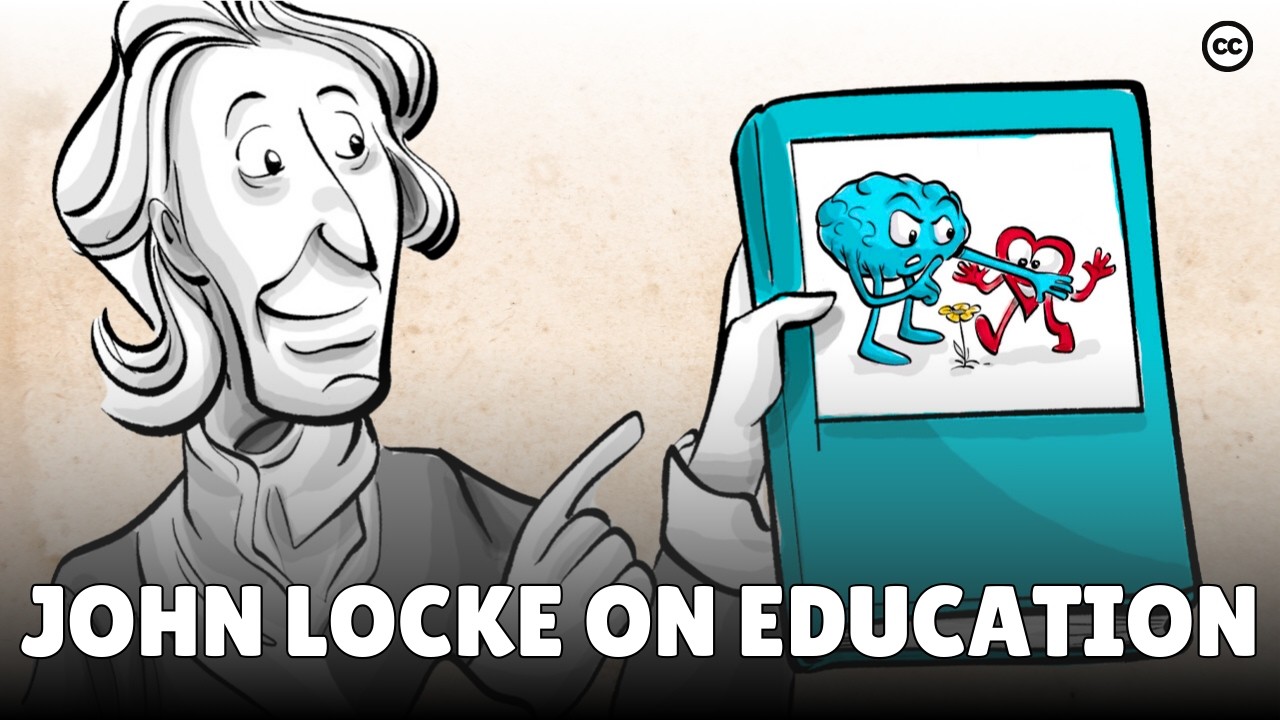
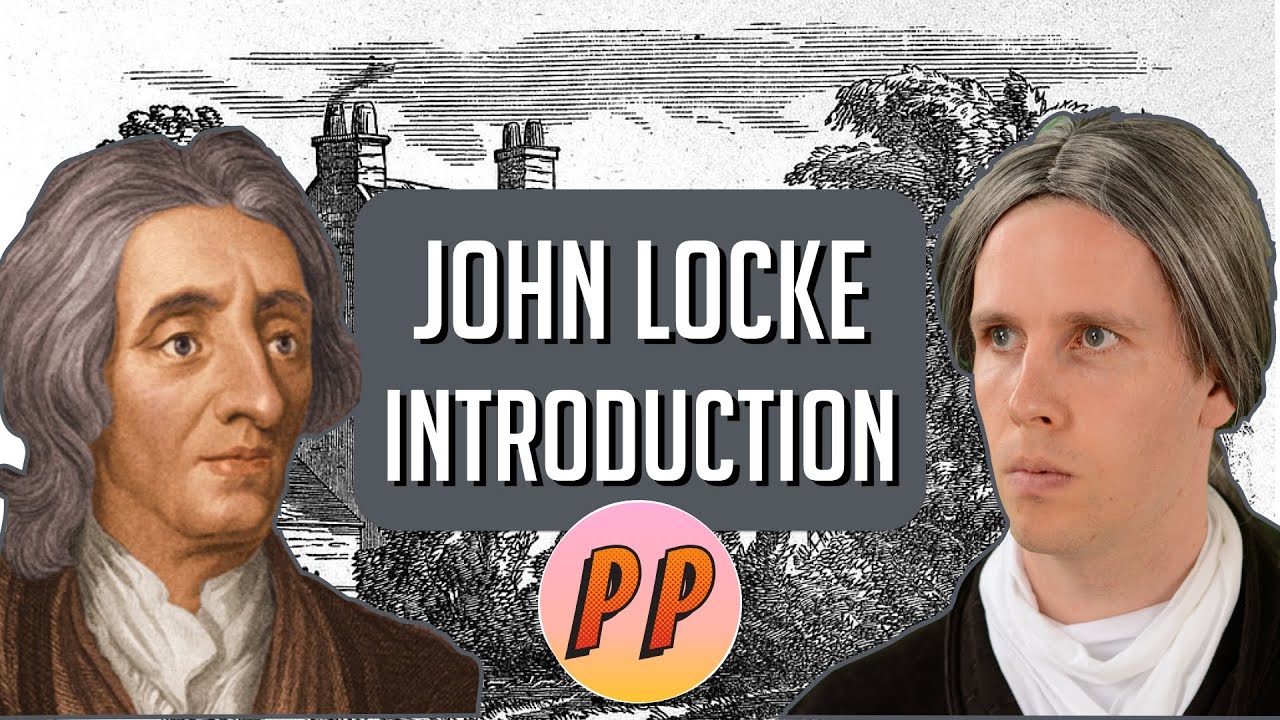
The 17th century English philosopher, John Locke, is to be remembered for his wise and brilliant contributions to three great issues that continue to concern us to this day: how we should educate our children, who should rule over us, and what we should do about people who have different religious ideas to us. Locke was born into a quiet Somerset village in 1632. He was 10 years old when the English civil war broke out, and his father became captain in the parliamentary army.
King Charles I was publicly executed in 1649, just a few feet away from where Locke was studying: at Westminster School. The screams of the crowds heard in the library marked him deeply. Locke went on to study medicine at Oxford and planned to be a doctor, but his life changed significantly when, by chance, he became acquainted with the dashing and highly ambitious Greek politician, Antony Ashley Cooper-- known as the "First Earl of Shaftesbury," who'd come to Oxford to look for a cure for a liver disease he had.
Cooper suggested that Locke move to London to become part of his household. The offer was hard to resist, and once part of Cooper's entourage, Locke began to participate in the great scientific, educational, religious, and political debates of the day. Along the way, he also helped to cure Shaftesbury of his liver complaint, earning his lifelong gratitude.
The first question Locke grew fascinated by, was what to do with people who don't agree with your religious views. In breaking away from the Catholic Church under Henry VIII in the 16th century, English Protestantism had started a process of noisy questioning of religion that couldn't now easily be stopped. Because this was threatening to get out of hand, there were arguments that there should be total government control over religion, and a hard crack down on dissenters.
But Locke became one of the foremost advocates of freedom of belief in his beautiful, essay concerning toleration, written in 1667. Here, he advocated toleration on the basis of three points. Firstly, 'because Earthly judges, the state in particular, and human beings in general, cannot dependably evaluate the truth-claims of competing religious standpoints.
' Secondly, 'even if they could, enforcing a single "true religion" would never work, because you can't be compelled into belief through violence. ' And thirdly, 'coercing religious uniformity leads to far more social disorder than allowing diversity. ' Locke argued that the ultimate aim of the state was just to preserve the quiet and comfortable living of men in society, but that it'd have nothing to do with the good of men's souls.
Religion was a personal choice, and churches were voluntary organizations, which could set their own rules and be left to it. It was thanks to Locke's influence, that the idea of locking up people for their beliefs fell entirely out of favor. By the 18th century, other European nations looked with envy at England; a place where what you happen to believe was simply deemed irrelevant to your statues or prospects.
This was a truly remarkable achievement for one book, by one man to have set in train, but Locke didn't stop there. In 1689, he published a second extraordinary book; The Two Treatises of Government. This tried to answer the question of who should rule the country and on what legitimate bases.
One common yet increasingly fanciful notion at the time, was that political authority derived directly from God. But a more recent explanation from Thomas Hobbes had asserted that the totalitarian power of kings was justified by their ability to keep order and prevent repetitions of the chaos that had rained; Hobbes had insisted, in the time before powerful governments and that he had called; the state of nature. By painting the state of nature in the darkest colors, Hobbes had asked his readers to set themselves low expectations, for what a decent ruler was meant to be.
Anything better than the savagery of the Stone Age was legitimate, and rulers have no responsibility to guarantee religious freedom or human rights. But now, in the First Treatise, Locke thoroughly demolished the Scriptural claim; that God had created kings. And in the Second Treatise, he took on Hobbes's ideas about the state of nature.
Locke agreed with Hobbes that before without government, there would have been a State of Nature. But he disagreed what this place would actually have been like, he argued; that it would have been broadly peaceful, and that in agreeing to summit to governments, people have therefore not, fearfully agreed to surrender all their rights. In fact, they possessed a range of alienable or natural rights that no ruler could ever take away.