welcome everybody to brain awareness week and also this brain trivia contest that's organized by brainfacts.org my name is bill greiser and i teach neuroscience at portland state university we have a minor in interdisciplinary neuroscience there where we like to integrate you know arts approaches and other perspectives in terms of our investigation and research on you know the brain and behavior um i'm also the co-founder and neuroscience coordinator for northwest noggin nw noggin.org which is an all volunteer non-profit you know outreach organization we we bring undergrads and we bring graduate students who are studying the brain
together with artists and community members we go to k-12 public schools we go to correctional facilities we go to houseless youth organizations we have gone to congress we go to museums we go to pubs and we bring real human brains i've got you know one over here for example i've got another one in here like you all brought your brains as well um but into classrooms and into public spaces um to ask people what it is that they already know about you know brains and behavior this is a great opportunity you know for everybody to
sort of express what they know and you know show what they know uh and also what they want to know um and then we end up having lots of really wonderful um you know sort of discussions you know around uh what research has um you know determined or discovered or you know suggested you know about how our brains function and how we you know are built and made and change and work right so um without further ado let's begin our brain trivia um uh session right so before this presentation begins uh please familiarize yourself with
the session features right number one watch and listen right you will be in what's called listen only mode number two ask questions right type questions into the q a box at the bottom of the screen it shouldn't say ask questions you should ask questions and number three watch on demand this webinar will be available on demand at brainfacts.org whenever you'd like to watch it again um note that if the media does not begin playing at the start time please try refreshing your browser page and be aware that after each question that we're going to be
presenting you will have 30 seconds you know to answer it okay let's move on question number one what hormone does the pineal gland produce is it a cortisol b melatonin c leptin or d epinephrine now i've got a brain here while you're you know answering this question you can take a look here i'm going to remove the cerebellum off the back because even though it's so important for balance it's one that often falls when i'm trying to like like show it and also it it allows me to sort of show you the back of the
brainstem here so here's the the frontal lobe of the brain right here the temporal lobes right here this is the brain stem and if we go to the back that's called the dorsal surface of the brain stem you see a whole bunch of bumps here at the upper portion of the brain stem these are called bumps in latin they're called the colliculi there are superior colliculi the ones that are upper and then the inferior colliculi the ones that are lower and between them is a gland called the pineal gland and it releases a hormone what
hormone is it nice it looks like wow a majority of you got the correct answer the answer is melatonin now melatonin is a very interesting hormone um it is released when light levels are dropping particularly light at the blue end of the spectrum sort of the short wavelength end of the spectrum um and you know if you think about it like dusk for example when the sun's going down everything gets kind of yellowy uh there's less blue in that light and we have specialized cells in the retinas in the back of the eye that are
photosensitive and you may have heard of rod and cone cells right which you know are the majority of the the photoreceptive cells that you know transduce you know light energy into neuronal activity but there are also these ganglion cells um that are uh intrinsically that means within themselves photosensitive they absorb the sort of short wavelength blue end of the spectrum and they uh send their axons out along the optic nerve to the uh sorry the hypothalamus and then that hypothalamus projects to the pineal gland so when blue light strikes um it actually will prevent or
inhibit the release of melatonin but when the blue light drops you know that that inhibition is real is relieved and melatonin is released and it's a blood-borne signal to help us start to get ready you know for sleep sadly the senate just voted to make daylight savings quote quote permanent which means that it's going to be light later you know throughout the year but it's going to be darker for a much longer period in the morning and we work with a lot of public school kids um and you know they they already sometimes have to
get up much too early um in the morning you know based upon their circadian cycling uh as adolescents and this is just going to make it harder for kids to go to bed you know at a reasonable hour in the evening and they're still going to have to get up super early in the morning and it's going to be dark you know when they're going to school so that the permanent standard time is a much smarter move okay next question question number two in acrylic syndrome dogs develop sore paws from constant licking this is a
form of which particular anxiety disorder a panic disorder b obsessive-compulsive disorder c post-traumatic stress disorder or ptsd or d social anxiety disorder so um that's a terrible thing for a dog to have and it's a terrible thing for you know people to have um these sort of compulsive thoughts that are you know difficult to stop um that you know you can't stop thinking about or you have to keep going back and doing um the diagnostic statistical manual disorders um the fifth edition that you know defines you know these as symptoms of what's known as what
you'll learn in a moment here if you answer the correct answer but um in the brain there are uh structures that are involved in sort of involuntary movements and thoughts um and they are they're located below the level of the outer surface of the brain this is called the cortex the bark of the brain but below the cortex subcortically we have a lot of these um what are called nuclei these are collections of gray matter and they're linked together there's a specific set called the basal ganglia that are really important for this particular disorder for
the timing of movement and the initiation of movement and the cessation of movement okay what's the answer nice and while you guys know this one well um those basal ganglia you know uh are often there's something up in terms of their connectivity and their um or their uh relationship and their connections um network connections to areas in the frontal lobe and other parts of the brain and the cortical level um that that is that is characteristic that is that is associated with this this particular disorder um what's fascinating is um you know the basal ganglia
are involved in sort of again that initiation like when you want to start something when you when you begin something and then also when you stop something and that's that used to be thought of more in terms of movements and behaviors but we now know it's also really involved in thoughts the the speed of thoughts like racing thoughts for example or the initiation of thoughts or the ability to stop thinking about something too okay our next question so question number three which neurotransmitter do lower motor neurons use is it a serotonin b acetylcholine c dopamine
or d norepinephrine so lower motor neurons you might be wondering what are those you may know that already though i'm not going to assume right so the upper motor neurons are those that are found in the cortex like up here you know particularly for for motor output the frontal lobe is really involved in voluntary motor planning and execution and there's a strip on either side in the frontal lobe known as the primary motor cortex or m1 and we have some large pyramidal neurons big cells there that send their axons down you know through the brain
their white matter goes down it crosses over and then it makes connections with um the lower motor neurons which are found in the brain stem and the spinal cord and they send their axons out you know to to to make um connections with the motors uh the muscle cells uh and the question is asking what is the neurotransmitter that is being released by those lower motor neurons at that junction between neuron and muscle we call the neuromuscular junction okay what's the ant what do people say nice you guys know you guys know your neurons acetylcholine
and actually isolate only interestingly it was the very first neurotransmitter that was identified by a neuroscientist in austria named otto lowey who actually was involved in a in a big debate over whether neurons used um you know chemicals to communicate at synapses whether they you know released a chemical what we now know is a neurotransmitter from their axon terminals to influence the activity of the next cell or whether they kind of ran directly into another neuron right let's see uh i got neurons all over right they ran directly in um and this was an electrical
connection so loe um actually had an idea for an experiment to prove the chemical nature of neurotransmission um it came to him in a dream famously and apparently he um dreamed it and then he woke up and like many of us he couldn't remember the details so he took a pad and pen and put it by his bedside table or on his bedside table went back to sleep and willed himself to have the dream again and then he wrote it down and the experiment that he did to prove you know that there was chemical communication
at least at some synapses um was uh kind of a grisly one but he took a beating frog heart and it was in a petri dish and he had a nerve still attached to a very important nerve a cranial nerve called the vagus nerve it's part of our autonomic nervous system and the rel the the stimulation of that nerve results in the slowing of your heart rate okay it's part of the parasympathetic division of autonomic output so he he stimulated the nerve and the the beating heart slowed and then he took an eye dropper and
he took the fluid you know from around that heart and he dripped it onto another frog heart that was beating in another petri dish and that heart and that heart also slowed down so this the the the name of acetylcholine was initially uh according to loewy vegas stuff for literally the stuff that came out of the vagus nerve okay next uh next question question number four which of the following is not sensed by receptors on your tongue sweet sour umami or none of the above so when i was um when i was in like elementary
school i remember we had to do a diagram of the tongue and they claimed sweet you know taste receptors were all on the very tip and you had salty on the side and there was bitter and then there was sour right but we've learned a lot more about you know taste receptors you know since that time um i've actually got a pipe cleaner version of a taste receptor so we have these um taste receptor cells that are found in your tongue actually um they're found on these little kind of uh extensions of the tongue that
are called papilla uh and they are arranged like sections of an orange with these little what they're called microvilli sticking out of what are called taste pores so when you chew your food and you start to you know dissolve it you know with enzymatically break it down you know these these chemicals will latch onto specialized receptors here and you know can stimulate release of neurotransmitter from the ends you know they look like sections of an orange or a banana or something but they're all arranged like in a circle here what we call a taste bud
okay what what did people say yeah so you know umami is actually something that we do um taste it's actually was identified by japanese researchers it's a it's chemicals that are associated with sort of a um like a very uh savoriness of food um sort of meatiness of food monosodium glutamate for example really activates umami receptors and umami's receptors are really interesting too because they're not only found in the tongue and on the roof of the mouth but they're also found down the um the esophagus you know towards the uh towards the stomach and things
like that so they they're that sort of really intense flavorful you know uh aspect of food you know um the the original four taste receptors that were identified uh you know the sweet the sour the salty and the bitter you know have been joined now by not only umami but also a starch receptor and there's some significant evidence for you know potential lipid or fat receptor as well um we have a number of these what are called labeled lines for the detection of different tasting chemicals in our foods um you know like just sweet just
responds to glucose fructose for example um but the the richness of our experience you know of taste really derives from the pattern of activity across you know these various you know labeled line taste receptors okay question number five which cortical lobe processes sound right is it a the occipital lobe is it b the parietal lobe is it c the temporal lobe or is it d the frontal lobe and i've got a brain here i'll show you this is a 3d printed brain it's actually 3d printed believe it or not in wood so the filament actually
has like little bits of wood particles embedded in it wood shavings and it prints it out like line by line by line like layer by layer by layer but at the end you can actually sand it down and it will take a stain so i can show you here is the the occipital lobe is all the way at the back right here is the parietal lobe right up here and then we have like an important like valley here called the central sulcus which divides uh the parietal lobe from the frontal lobe the more anterior frontal
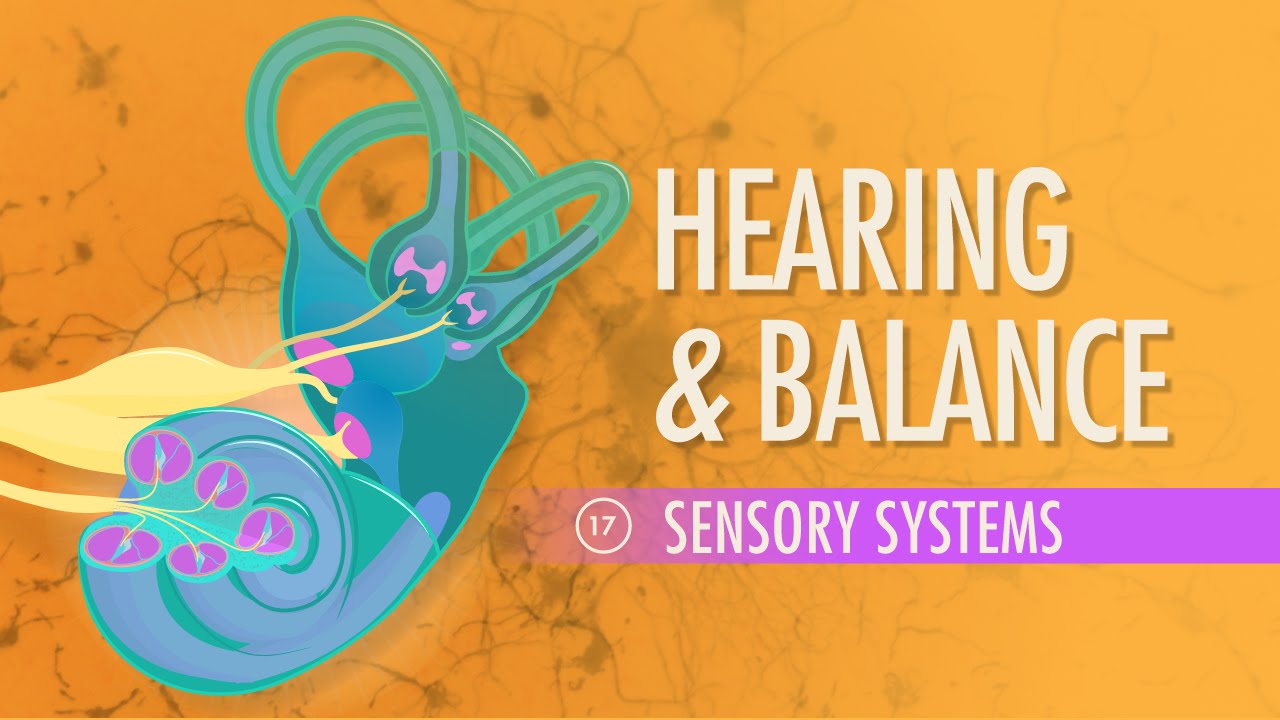
lobe and the temporal lobe that's this great big thumb of tissue that comes you know out the side there below your temples all right so what's the answer what did you say nice yes so uh i actually do have here a cochlea right that was also 3d printed this is quite a bit uh larger than your actual cochlea but um this is like an extraordinary kind of like snail-like structure latin for snail is cochlea but basically there are specialized cells in here that are called hair cells and i got one that one of our students
made out of pipe cleaners here and it's got these little hairs and they pull back and forth when sounds of different frequencies move a membrane you know that's located in the cochlea and that this moving pulls open the lids of channels that let um you know currents flow that change the electrical you know distribution of ions across the membrane there and initiate you know input into the brain which will end up of course in the temporal lobe where you find primary auditory cortex okay question six so which developmental disorder causes impaired social communication and repetitive
behaviors is it a autism is it b schizophrenia is it c fragile x syndrome or as a d down syndrome so um yeah there's i mean a lot of complicated syndromes that we're describing here and um you know social communication is something that uh is is a huge driver of behavior for many of us um but it can also you know provoke significant anxiety and stress you know um you know for some and for all of us under certain circumstances right um you know some of those repetitive behaviors too we talked a little bit right
as being you know a component of obsessive-compulsive disorder that we described before as well uh but what is the answer what do you think the answer is to this particular question all right you got it nicely done so you know autism spectrum disorder is a like a neurological and developmental disorder that affects how people interact with others and communicate and learn and behave it can actually be diagnosed at any age but it's often described as a developmental disorder because symptoms generally appear in the first two years of life and it's known as a spectrum disorder
too because there's such a wide variation of the type and severity of symptoms that people actually experience actually where i work um you know at portland state and up at ohsu oregon health and sciences university here in portland oregon they're part of a uh like a multi-center study um like that's examining um brain development it's called the adolescent brain cognitive development study or the abcd study and it's the same cohort same group of people that are coming in every year uh to have you know uh imaging done so like mris are taken um you know
dtis which measure like you know white matter changes they're also looking at functional changes and one of the things that we're finding is that you know individuals who may have very similar symptoms in terms of how they're behaving there may be very different underlying sort of physiological reasons you know for those behaviors or that are correlated with those behaviors so it's not always the same exact thing so these are very complex sort of disorders where there's a lot of research that's still ongoing okay our next question question number seven at about what age does the
human brain finish developing and somebody who's who's older than all these ages i like to think that you know you can still you know continue to develop certain aspects of your brain beyond 24 or 25 years but is it a eight to ten years b 10 to 13 years c 15 to 18 years or d 24 to 25 years we always love talking um to uh to students in schools about how how dramatic the developmental changes are that are occurring you know across k-12 education um you know we start as infants right with about 200
billion you know of these neurons right of these specialized cells called neurons and another 200 billion or so of of equally essential you know uh components of our brain that are called glial cells and you know the neurons just the neurons alone by the time you're you know 21 or something like that you're you're down to about you know fewer than 100 billion so you you've like basically lost about half the cells in your brain you know through k-12 education but what we say is that what you're doing is you're um honing specific networks and
circuits that allow you to be more efficient and effective at you know um responding to stimuli in your environment there are positives you can more quickly assess and sus out circumstances and situations based upon your past experience but there are also drawbacks because you're also discarding a lot of information that younger people you know are often paying attention to um so about what age does the human brain finish developing what what did you say yeah nicely done what's interesting is um uh there are the one of the the the processes that they're really kind of
looking at to sort of determine this end point here um is this process what we call myelination um and basically um there are specialized glial cells that are called myelinating glia those in the central nervous system in the brain and the spinal cord they're called oligodendrocytes and they literally will reach out their membranes and they'll wrap it around segments of the axons of neurons they'll provide this kind of insulating wrap and what this will do is um you know functionally it'll speed up how rapidly electrical signals are traversing or are you know moving along these
wires and that process of myelination begins you know um you know at birth but then it it doesn't really conclude particularly in the frontal more anterior portion of the frontal lobe that's involved in social decision making right um until you're about 24 or 25 years old there's also some significant differences between women and men in terms of the years you know the age at which myelination is complete on average you know women tend to be violent that have you know developmental myelination the frontal lobe done earlier you know by a couple years then than men
do that doesn't mean anything about any individual you know per woman or man or anyone but these are sort of large group differences okay next question number eight which of the following is used to treat anxiety and depression is it a floccitine is it b chlorpromazine is it c methylphenidate or is it dl dopa so these are all drugs that are actually used you know clinically or therapeutically right to treat various types of disorders um there's a couple here i would definitely would not give for uh for anxiety or depression but uh which drug do
you think is the one that's most often used you know what's interesting is that oftentimes these um chemical names right these um kind of you know more complicated names are not how the drug is known right there's another name for several of these that you know that you may be much more familiar with right that many people are more familiar with so drugs you know often are used to influence what's happening at synaptic connections right because this is where otto lowy identified right the the chemical nature of synaptic transmission a neurotransmitter is released upon the
arrival of an action potential right and it binds to specific receptors over here we're going to see there are mechanisms for the removal of the neurotransmitter to sort of end the chemical message right so that it's time locked to the arrival of a cam of an electrical message um and drugs are going to be chemicals that are going to get in here they're going to either stimulate the receptor they'll block a receptor they'll block you know reuptake of the neurotransmitter they'll do something you know often at this point of connection between neurons okay what do
people say yeah you got it so it's actually floccitine this is more commonly known as prozac right and it's what's known as a selective serotonin reuptake inhibitor or an ssri and so when if this is like a serotonergic neuron right this is a neuron that releases serotonin as its primary neurotransmitter when serotonin gets released um into the synaptic left it binds to receptors post-synaptically you know and serotonin is a really complicated neurotransmitter um where there are about 15 distinct receptor subtypes that it could potentially bind to that they all have different kinds of impacts right
on what's happening here it also has their receptors that are located pre-synaptically here too that it can influence but there's also a mechanism for the removal of serotonin it's called a selective um serotonin um transport it's a reuptake transporter so it removes the serotonin after it's released and pulls it back into the synaptic cleft and prozac blocks that reuptake so the consequence is that you know serotonin is released and it can it's not removed so it can continue to stimulate you know post-synaptically here and really interestingly after you know it takes usually takes a couple
of weeks before you start to generate you know actual physical sort of structural changes in how these networks are you know kind of linked up that in some cases um serves to relieve the symptoms of anxiety and depression okay our next question number nine ambien induces sleep by binding to the receptor for this neurotransmitter so you know if the senate hadn't you know pushed daylight savings time you wouldn't need ambien right so anyway so let's see a acetylcholine b gaba c norepinephrine or d serotonin so i'm kind of serious about that too because one of
the things that's so frustrating is how you know there are so many so many associations and organizations like the american pediatric society the american medical association you know so many different groups have said you know permanent standard time you know is the way to go because there is a normal kind of shift in the sleep wake cycles what we call the circadian cycles right um of adolescence uh where you know it gets harder for them to go to bed you know at a reasonable an adult might think is a reasonable hour um and then yet
their school you know expects them to show up you know very early in the morning sometimes ridiculously early in the morning um and so by you know going to permanent daylight savings you're going to make it harder they're going to get that blue light in the evening till later you know oftentimes there are screens that provide additional blue light you know until later and there's this normal sort of circadian shift to later bedtimes um and you know that's not a that's not a very that's not a good thing uh it's gonna be much harder to
get to get up in the in the dark you know in the middle of winter okay what do people say um yeah you got it it's gaba it's gaba it's it's a uh a gaba um agonist right it's going to act like gaba gaba is our primary inhibitory neurotransmitter it'll um basically you know relax or uh you know lower the activity of neurons and when you're trying to go to bed you know that's that's something that you're you're hoping to do to some extent you're trying to slow down you know brain activity in some areas
right okay what's our what's our last is this our last question question number 10 which cortical lobe is primarily responsible for controlling movement right is it a the occipital lobe is it b the parietal lobe is it c the temporal lobe or as a d the frontal lobe all right so i gotta like i would look we just decided we call this the butter brain this one is like a very yellowy brain maybe a margarine brain but here's that here's the frontal lobe again right out here right um here is the parietal lobe over here
right um here is the uh the occipital lobe at the very you know far back of the brain and then here is the temporal lobe right we've already identified the temporal was being pretty important for auditory processing right for hearing so which lobe is primarily responsible for controlling sort of voluntary movement i might have actually mentioned something like this a little bit earlier in our you know in this presentation too all right what do people say oh you know actually so it's actually the frontal lobe so the frontal lobe is really and a remarkable you
know part of our brain right behind your forehead here it is sort of the last to kind of myelinate and to you know to finally form all these networks it's very involved in social decision making so it's what's really sort of under construction to a large extent you know during adolescence um and it's why you know adolescents need a lot of sleep there's a lot of growth and a lot of development and they're dealing with you know um you know a lot of complex social circumstances um and you know changing sort of social circumstances often
too um frontal lobes really involve sort of the inhibition of you know um you know behaviors that that you know might get you consequences that you don't necessarily want want um the parietal lobe is interesting it's it's sort of um receives a lot of information about touch like what you're touching your body's position including like um you know that sense of where your limbs are arrayed like you can close your eyes and still touch your nose we call this proprioception it also receives a lot of vestibular like kind of balance information and also a lot
of visual information related to you know uh where things are we call this part of what we call the where pathway um and it integrates all that into a spatial map of like where your body happens to be and where it is in relationship to other objects and you know um you know things that are going on in your environment but the frontal lobe is really critical for that motor planning and kind of activity and engagement in terms of motor function all right everybody i hope you had a really good time thank you very much
for participating i really appreciate all the uh the the engagement and the uh you know the the effort to answer all these questions and i i wish that we could have had more of a dialogue too but i really appreciate it thank you very much take care thank you brain facts too

![Lobes of the Brain: Cerebrum Anatomy and Function [Cerebral Cortex]](https://img.youtube.com/vi/tZFW-waIpQg/maxresdefault.jpg)