uh I presented the entrepreneurial worldview fully born if you will um but in actual fact I had to understand that by looking at what entrepreneurs actually do in a in a micro level if you will so um in my research uh I talked to a whole bunch of uh you could call them successful entrepreneurs but success was only a part of their story I call them expert entrepreneurs these are people who had several years of founding experience of multiple firms often success and failures and they had learned to perform well over time so they had
taken at least one company public so of course people see them as successful entrepreneurs and when you study how they think and I gave them a 17-page problem set of typical startup decisions that all entrepreneurs uh have to make in starting a company so I got to see at at the micro level the kinds of things that they do uh not just the whole world view of how they think but how they Implement that world view in in their practical day-to-day business problem solving if you will and I found a series of things that they
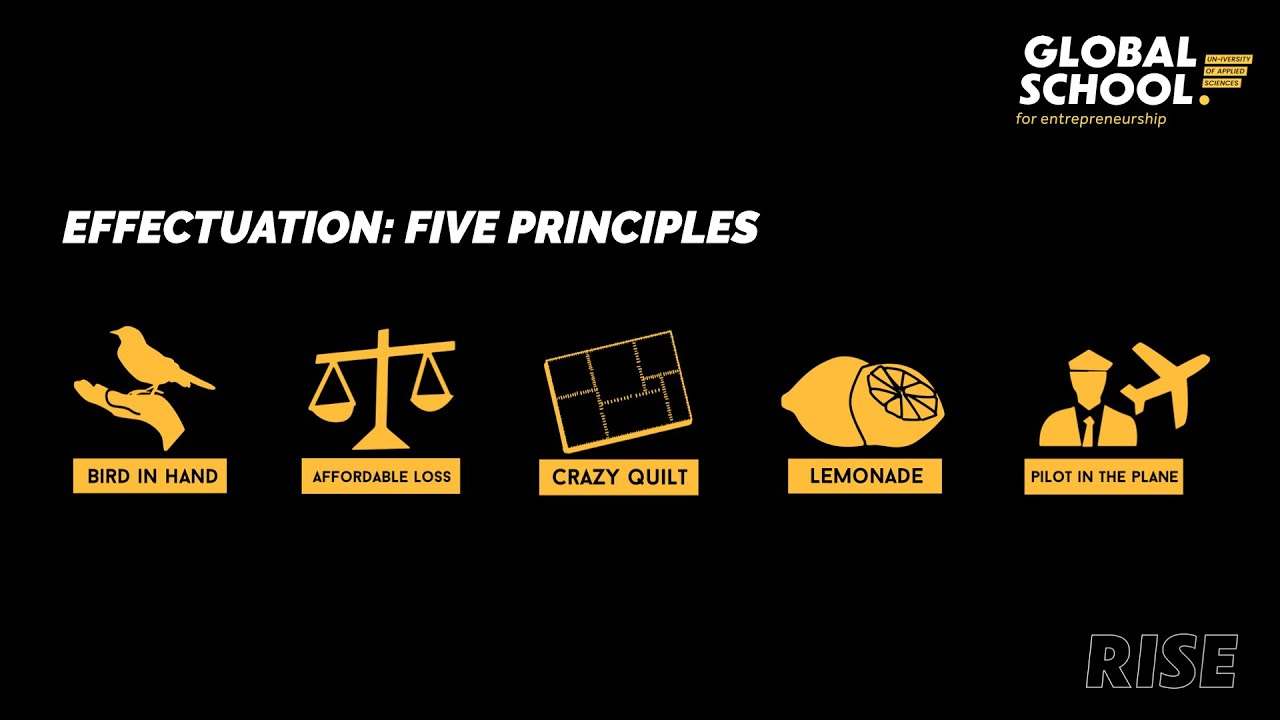
do uh and I wrote about five uh of these the five principles uh in my book but I suspect there are more uh and I think as I teach and I look at more uh histories of entrepreneurs and I talk to them I think there will be more so I don't want to talk about this that these are there are only five principles but I can give you some examples so one of the things I always talk about to my students and uh is is about cooking now I say there are at least two ways
of cooking one is to start with a a dish that you want to make and where you have a great recipe you go get the ingredients and then you know you make the dish the other way the way most of us cook I think is we stumble into the into the kitchen open the refrigerator and find stuff and if you come into my house you'll find you know things Brown powders that you might have to smell to know what it is in them because I make Indian food uh and so you kind of look at
what you have and then you try to make something with it the interesting question here is what difference does it make whether you cook using a recipe and proper ingredients or whether you stumble into the kitchen and cook something um it it depends on how good a cook you are you know what you end up cooking uh so you can't get away from the basic ideas that you need to understand about running a business so you still need to know how to manage your cash flow and things like that but when you just tumble into
the kitchen and cook what happens is assuming you know how to cook and you're a good cook you're much more likely to come up with a new dish that even you might not have actually planned to make uh whereas if you're cooking from a recipe it would be uh you would get that dish right you wouldn't get some a new dish and that's the interesting part of it so it's not really a question of this is better than that it is just that the way entrepreneurs do it they work with what they have uh and
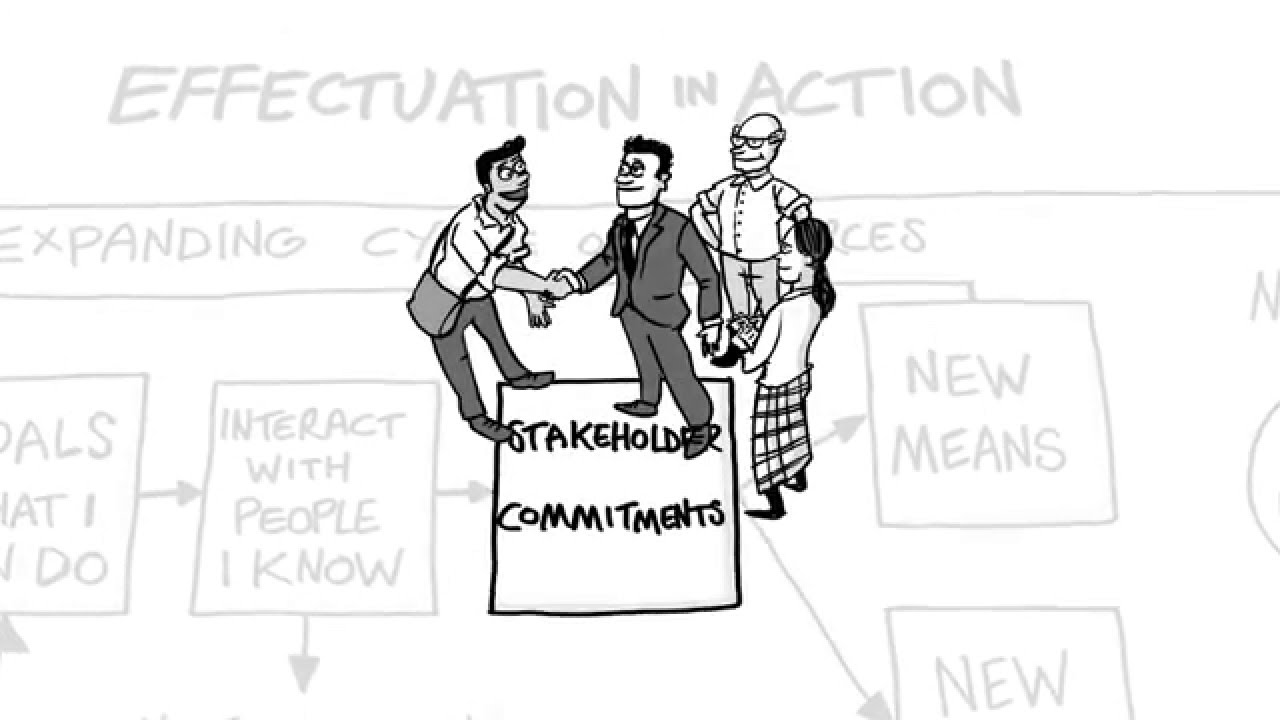
they look around and say what can I do with this and then what else can I do with it so it goes back to the idea of doing the doable and then pushing it so they just look around at the resources that are available to them and by by resources I don't even mean money a lot of the entrepreneurs I studied start with things like who I am what I know and whom I know so they're looking at what kind of a person person am I what kinds of things turn me on what kind of
things you know that that I just will not do because it goes against my value so they have a sense of self uh they know what they know and very often they're very good at knowing what they don't know uh so they look at what they know and don't know and they look at the people that they know and they uh start talking to the people almost immediately and they bring them on board very early on so they work with what they have to create something new so that's a technique and there are lots of
um uh techniques connected with that that we can learn and teach and it's very useful in the classroom the second thing that they're very good at doing is to Think Through in deciding what to do with what you have uh they not really thinking about where you know will I get the biggest bang for the buck you know which one is likely to lead me to the most profit instead they constantly ask themselves you know would I do this even if I know I'm going to lose what I'm investing in it which is a very
different Criterion uh financially speaking for example and I call that the affordable loss Criterion and a great example of that is you know there are people who have good jobs right pays 100,000 200,000 a year who leave and start a company now the standard gut reaction is to say oh my God they are you know entrepreneurs are Risk Takers they are just risk loving you know they like jumping off buildings or whatever um but in actual fact when you look at how a lot of these entrepreneurs um make decision especially the experienced ones they're not
really saying you know what I'm making 200,000 today but I believe if I do this I will make 20 million and therefore you know I'm just going to invest everything I have that's not the way they think about it at all they think you know what this looks like an interesting thing to do I think I would enjoy doing it I always wanted to do this kind of thing um so I think I can put 50,000 into it and 6 months of my life what's the worst that will happen maybe you know uh I have
left the job and I'm back on the job market and maybe I don't make 200,000 I make 150,000 but if I don't do it now when will I ever do it I've always wanted to be my own boss or I've always wanted to build a heart monitor because my dad you know died of a heart whatever that that thing is that is moving the it comes from who they are and what they know and whom they know it's very close to uh what they already have on hand so that's kind of the second thing and
the third and most important thing is that they work with people uh and they work with people in a very interesting way they don't go and say you know here's something I want to build you know Gadget G and this gadget G is going to change the world so who do I need to bring on board and I go and sell this and I'm so good at you know I'm so charismatic I'm such a good salesperson I bring people on board no no no what they really do is they are very good at getting you
to tell them you know what would you want to do with Gadget G they allow you to change their vision of Gadget G if you are willing to put skin in the game so they buil this network of stakeholders who actually put stake in the ground and each of them you know invest only what they can afford to lose so the affordable loss works with this stakeholder thing in a very interesting way so what happens is since each person is putting real skin in the game and they're deciding what to put in based on something
they care about so much that they're willing to lose so the affordable loss does two things on the one hand if you fail it keeps failure is really small something I talked about earlier but on the other hand it gives you a different way to evaluate an opportunity a different way that does not depend entirely only on profits that you would do this for some reason some reason that you have even if you lose the money you would do it whatever that motivation may be uh it could be something as simple as I can't stand
my boss and I just want to it could be something as simple as that or it could be very lofty saying that you know I really wanted to help women back home and I want to do this menure because it would help them and it's okay in the process I try and fail so the motivation can be anything but the logic is kind of the same in each case