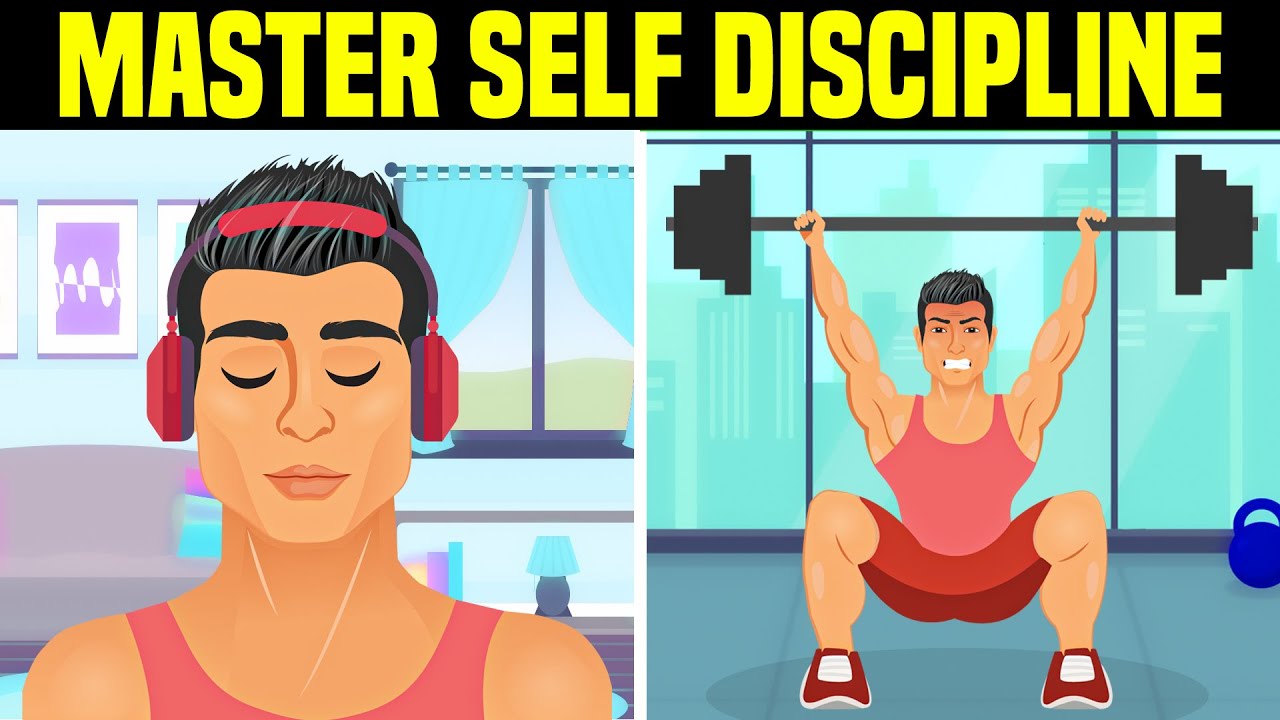
Hey everyone, and welcome to TopThink. Today, we are going to learn about 15 habits for building self-discipline. Now, let’s begin 1.
The Daily Minimum What makes your day worthwhile? On any given day, what must you accomplish before you feel satisfied or happy? For some people, satisfaction means eating a healthy meal, drinking a few glasses of water, and running around the block.
For others, it’s chipping away at a personal project or reading 30 pages of a book. Whatever you choose, this is your daily minimum. Every day, no matter what happens, you must accomplish this short list of tasks.
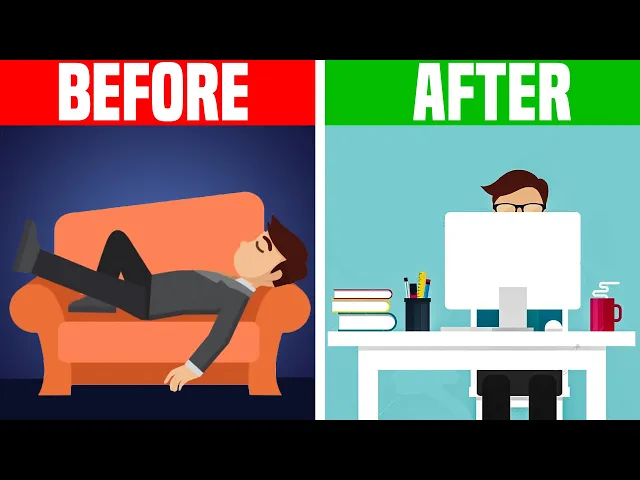
Even if you’re feeling lazy or unmotivated, your daily minimum is non-negotiable. At first, it may be challenging to meet your daily goals. But over time, your daily minimums will get easier and easier.
Eventually, you’ll feel comfortable enough to raise the bar, challenging yourself to work harder and accomplish even more. 2. Identify Obstacles What obstacles are standing in the way of your productive lifestyle?
Many people live undisciplined lives, because they refuse to acknowledge the emotional obstacles they face every day. For example, you may think watching TV is the root of your laziness. If you just stop watching TV, your life will get better.
But it’s rarely that simple. There’s almost always a deeper emotional problem affecting your behavior. So, ask yourself: why do I spend so much time watching TV?
Are you trying to avoid your goals? Are you feeling overwhelmed, anxious, or afraid? Whatever it is that’s holding you back, it’s important to dig to the root of the problem.
That way, you can overcome your fears, change your mindset, and cultivate the kind of self-discipline that lasts a lifetime. 3. Control Your Space A disorganized environment leads to a disorganized lifestyle.
While messiness is associated with free-thinking traits like creativity it’s much easier to be productive in a clean and organized space. When your environment is free from clutter, you can concentrate 100% of your attention on your work. So, keep your workspace in order.
Pay attention to the kind of environment you inhabit. From now on, your space should reflect the kind of person you want to be. 4.
Measure Your Success Many people abandon new habits when they don’t feel like they’re making enough progress. If you feel like your hard work isn’t paying off, it’s very challenging to stay focused or motivated. Luckily, there’s an easy way to measure your personal growth.
Every time you practice a healthy habit, keep track of your progress on a notepad or a spreadsheet. Anytime your motivation begins to fade, look at your progress sheet and re-motivate yourself to keep moving forward. 5.
Purge All Temptations Are you setting yourself up to fail? Many people struggle with self-discipline because they surround themselves with temptations and distractions. Eventually, you will build enough self-control to avoid these temptations on your own.
But you’re not there yet. For now, it’s more important to purge all temptations from your environment. In other words, put yourself in situations where you are most likely to perform at your best.
For example, if you want to work on a project, don’t sit in your living room right in front of the TV. Instead, find a private space in your home, where you can focus solely on what matters. If you set yourself up for success, you’ll find self-discipline is a whole lot easier.
6. Use Your Identity A new habit isn’t something you want to do. It’s something you are doing every single day.
In other words, if you want to build self-discipline, you need to take personal ownership of your habits. If you want to run, be a runner. If you want to paint, be a painter.
Incorporate your new habits into your identity. The more personal they feel, the more likely you are to stay disciplined. 7.
Getting Started The most difficult part of any new habit is getting started. Everyone struggles to take action in the beginning. But there is an easy way to get yourself over that initial obstacle.
Instead of expecting yourself to accomplish a large, difficult goal, shrink your goal down to the smallest size you can imagine. If you want to drink more water, all you have to do is take one sip. If you want to exercise more often, all you have to do is a single push-up.
After the first tiny step, you’ll realize you’re more capable than you thought. One push-up turns into two. Two push-ups into five, until suddenly you’ve finished your entire work out.
Once you get the ball rolling, the rest of your routine happens naturally. 8. Create Active Goals Can you define your goals in a few words?
Many people fail to realize their goals, because they rely on vague, abstract dreams called passive goals. Your passive goals may never come true, simply because you don’t have a clear picture of what you want to accomplish. But there’s an easy way to turn a passive goal into something concrete — an active goal that you can actually accomplish.
Let’s say you passively dream of becoming a musician. You can dream about music all day, every day, but you’ll never achieve your dream unless you take concrete steps toward a specific achievement. Instead of saying, “I want to be musician,” create active goals like, “I want to join a band,” or, “I want to learn this song.
” The more active goals you create, the easier it becomes to envision your future and chase your passions. 9. Cutting Corners Your life is entirely in your hands.
If you want to do something, you have to do it on your own. On the other hand, if you want to cheat at something, no one is going to stop you. This is where many people run into trouble.
They cheat on their healthy habits and avoid putting in the work. But the moment you start cheating… your self-discipline falls to pieces. Any time you catch yourself cheating, take a step back.
Look at the big picture and make a new plan. Because there’s a reason you’re suddenly cutting corners. If you can find that reason, you can renew your motivation and get your habits back on track.
10. Know Your Limits If you want to build self-discipline, you need a strong understanding of who you are and who you aren’t. That means identifying your preferences, your limits, your strengths, and of course your weaknesses.
Once you gain a fuller understanding of who you are, you can design habits and routines that empower your personal growth. But this technique is only useful if you’re honest with yourself. If you pretend to be efficient or productive when you’re not, you’ll get stuck in the same self-destructive patterns.
So, take a hard, honest look at your lifestyle. Don’t lie to yourself, and don’t be ashamed of what you can or can’t do. No matter how disciplined or undisciplined you are, there will always be room to grow.
11. Preserving Momentum If you’re trying to build a new habit, momentum is your best friend. The more momentum you create, the easier it becomes to maintain habits over time.
Over time, you gain self-discipline, simply because you don’t want to ruin your momentum. No matter what habit you’re trying to build, use your momentum to keep yourself motivated and disciplined. As your momentum grows, you’ll discover your habits becoming easier and easier.
12. Manageable Habits Are approaching new habits with the wrong mindset? Instead of focusing on what they’re actually doing, most people focus their attention on the end result.
You might say to yourself, “I want to run a marathon” or, “I want to travel the world,” but neither of these goals offer any practical steps you can take. Instead of worrying about the outcome, try something like, “I want to run a mile every day,” or, “I want to save $500 every month. ” These are manageable habits you can actually practice.
By focusing on regular habits instead of long-term outcomes, you can stay focused, productive, and in control. 13. Schedule Breaks Self-discipline doesn’t mean working 24/7.
After you’ve invested time and effort into your goals, you need to schedule breaks, separate yourself from your work, and recharge your batteries. Otherwise, you’re going to burn out. If you work non-stop, your self-control is going to fade.
You’ll become less productive, less enthusiastic, and much less motivated. So, don’t forget to schedule downtime in your daily routine. No matter how productive or disciplined you are, everyone, and I mean everyone, needs a break.
14. Preserving Willpower Why do you make bad, lazy decisions? Plenty of smart, goal-oriented people make the wrong choices every day.
They have the motivation. They have the willpower. But they continue to make poor decisions.
Why? Because they waste their willpower on decisions that don’t affect their lives. You only have a limited amount of willpower.
That means, you can only make a limited number of good choices. Let’s say you have enough willpower to make 10 good decisions. If you make all 10 decisions first thing in the morning, your willpower disappears for the rest of the day.
This creates something called decision fatigue. Once your willpower runs out, you start making impulsive, lazy decisions, even if you know you’re doing the wrong thing. To avoid decision fatigue, lessen the number of choices in your life.
Find ways to automate repetitive tasks, like your choosing outfits and making meals. The fewer decisions you have to make, the more willpower you retain throughout the day. 15.
Constructive Outlets When getting rid of a bad habit, most people try to quit abruptly and completely. But a few days later… their vices come creeping back. If you’re trying to build healthier habits, you don’t need to purge all your bad habits from your life.
Quitting cold turkey almost always backfires, leading to a rebound and a loss of self-control. Don’t worry about ridding your life of all bad habits. You don’t need to be perfect to live a more disciplined life.
In fact, letting loose every once in a while is important for your long-term motivation. So, instead of quitting altogether, focus on controlling your bad habits. As long as you choose when to let loose and when to stay focused, you can build more self-discipline without running yourself into the ground.
Thank you for watching TopThink, and be sure to subscribe, because more incredible content is on the way.