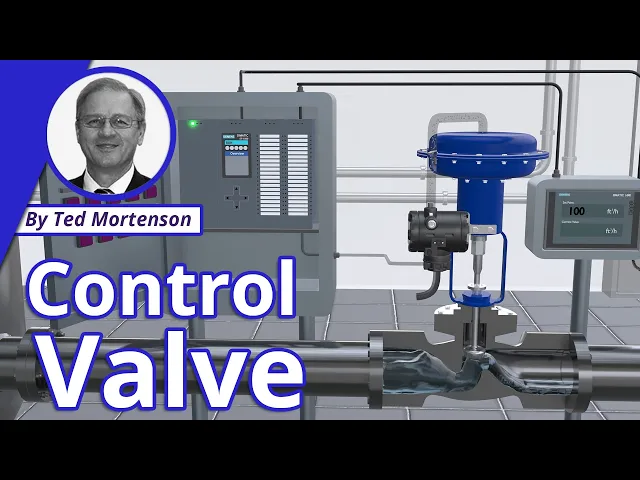
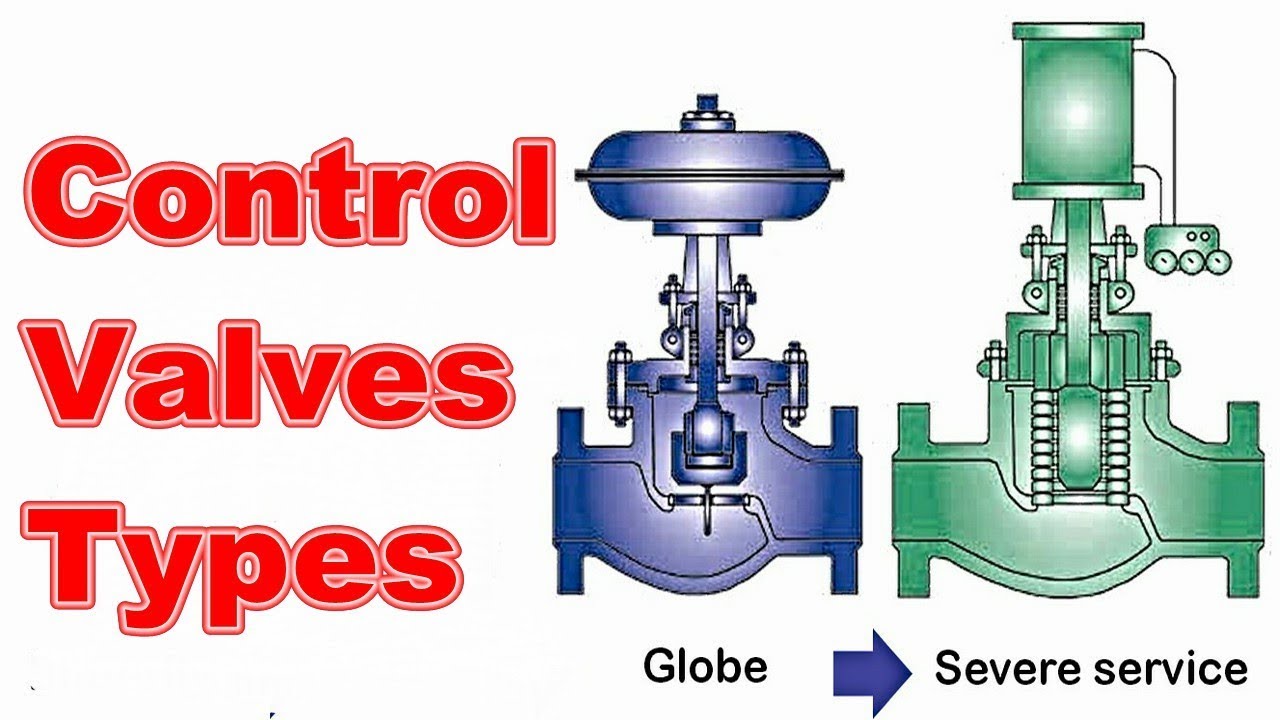
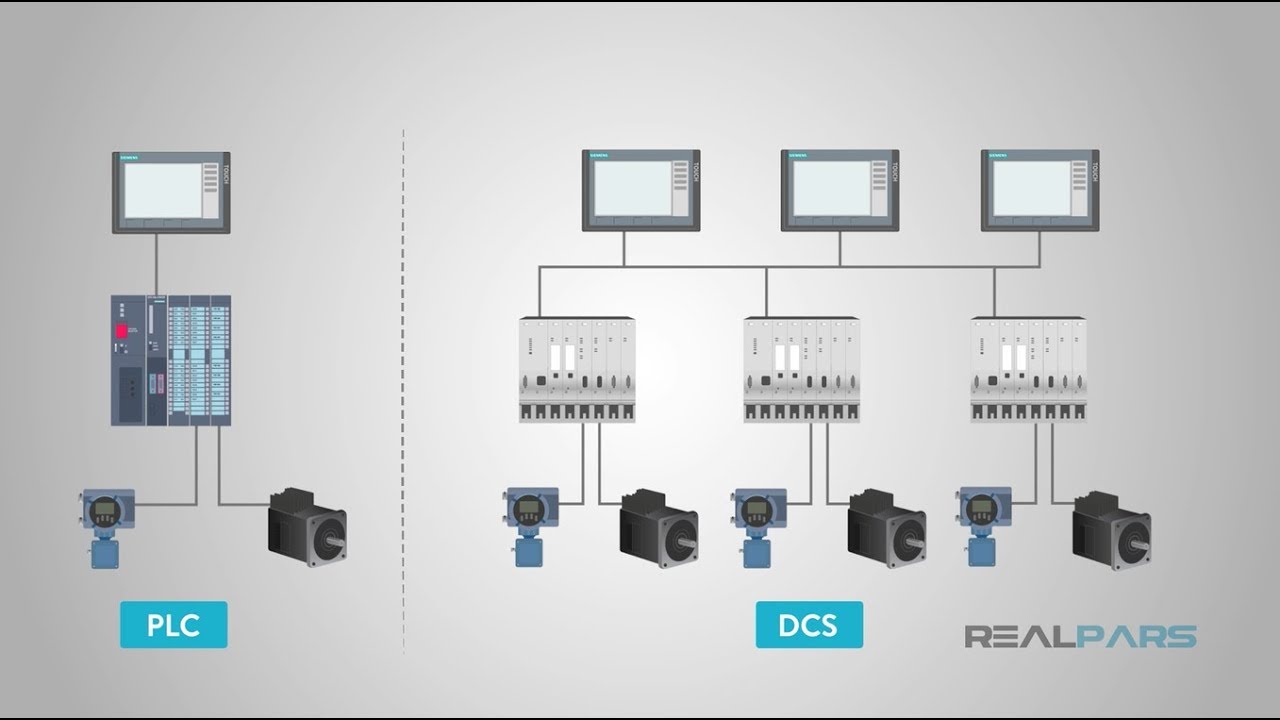
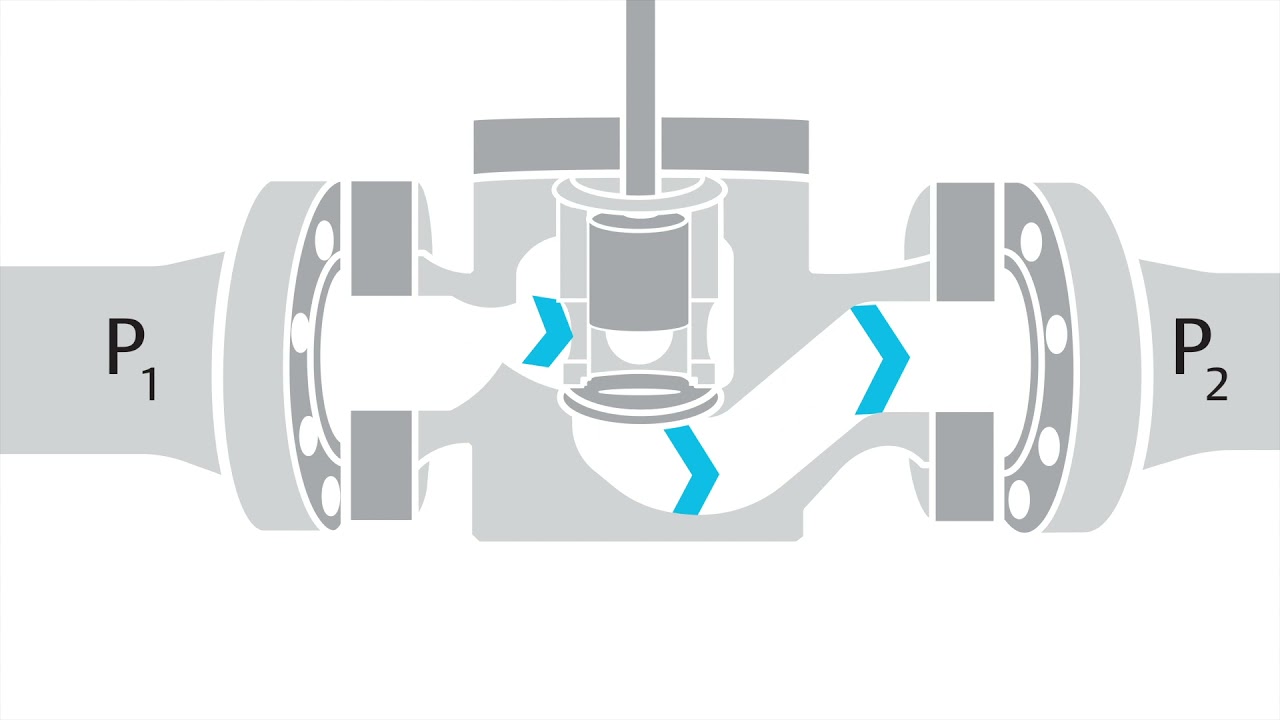
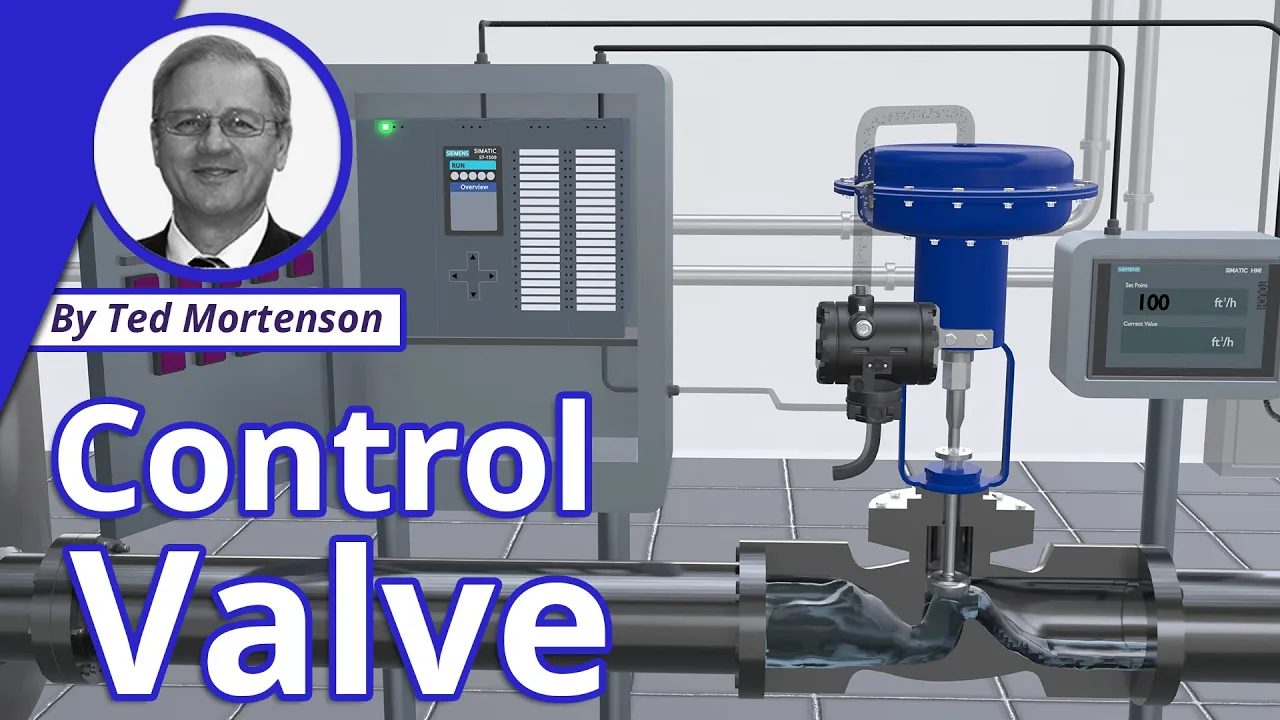
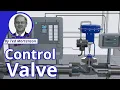
the control valve receives a signal from a controller such as a plc or a dcs in order to operate the controller compares the actual flow rate to the desired flow value called the setpoint the controller will produce an output to move the valve to bring the flow rate to the setpoint value [Music] a control valve is a power operated device used to regulate or manipulate the flow of fluids such as gas oil water and steam it is a critical part of a control loop and is an example of a final control element the control valve
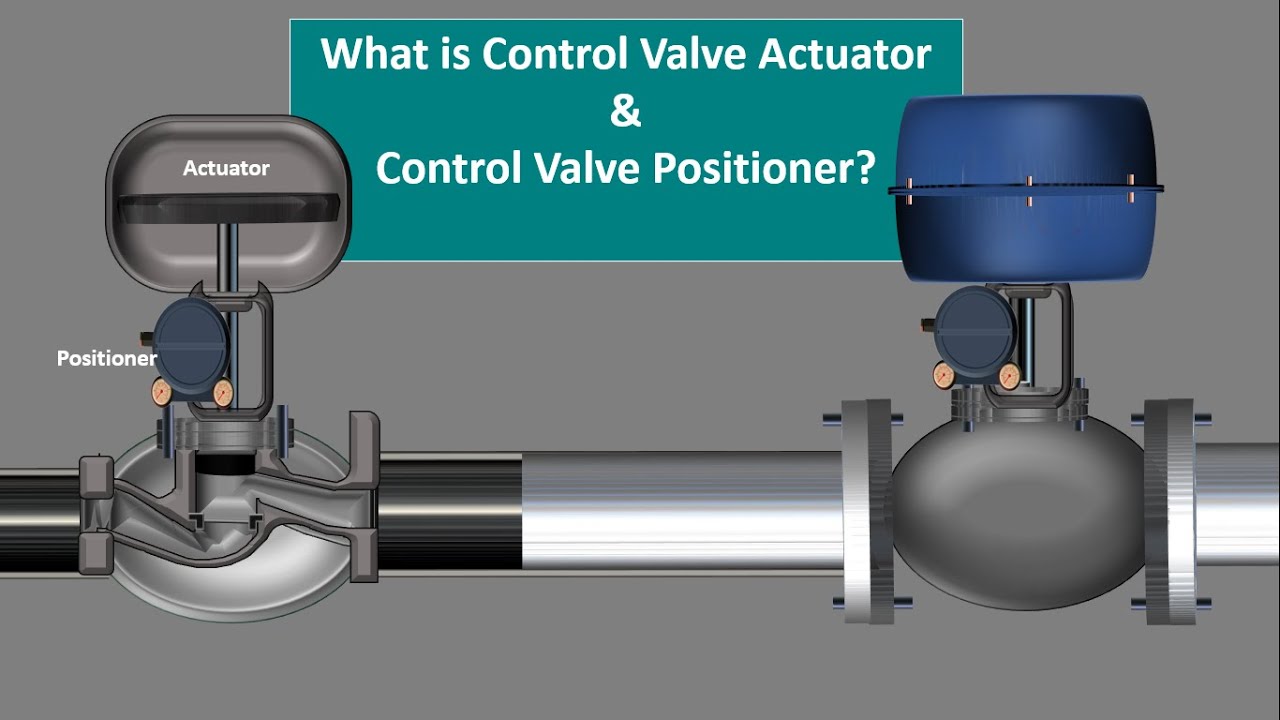
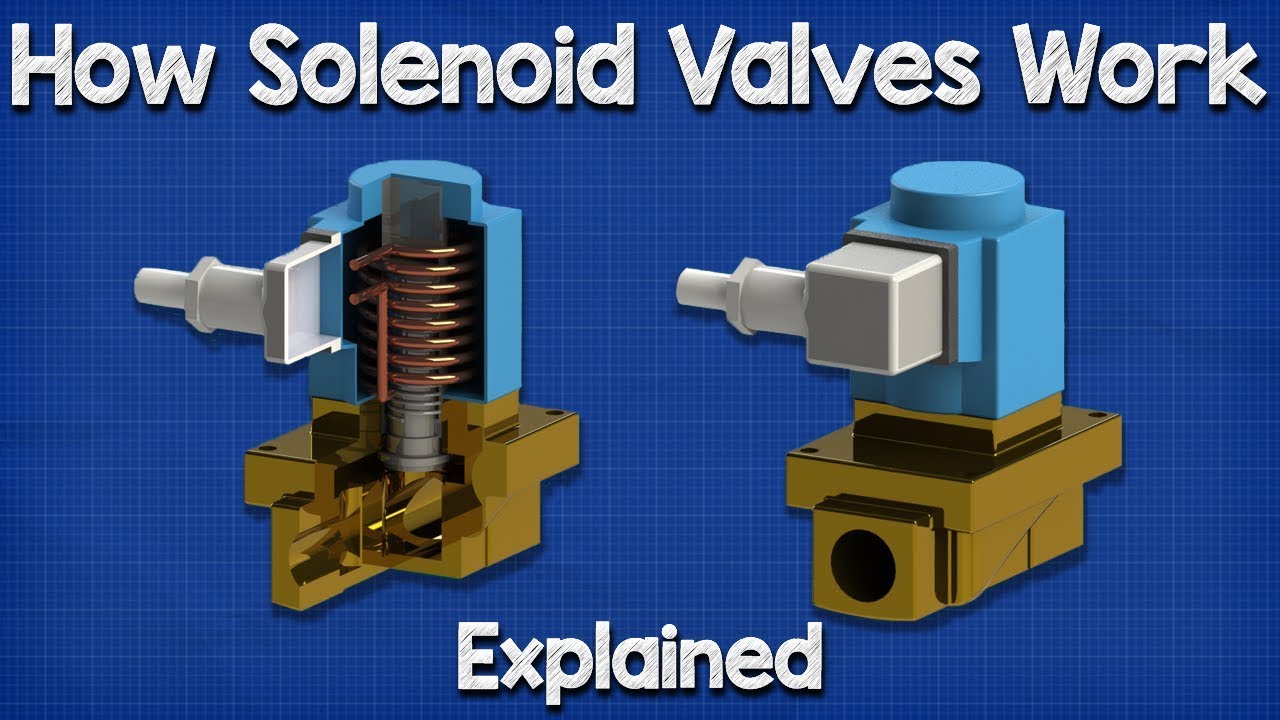
is by far the most common final control element used in industry today a control valve can be operated electrically pneumatically or hydraulically a control valve receives a signal from a controller such as a plc in order for it to move resulting in a change in flow because the plc signal is electrical the control valve may require a device to convert that electrical signal so that it can operate a control valve has two separate components the valve and the actuator valve bodies are of different types or styles depending on service conditions piping layout and desired application
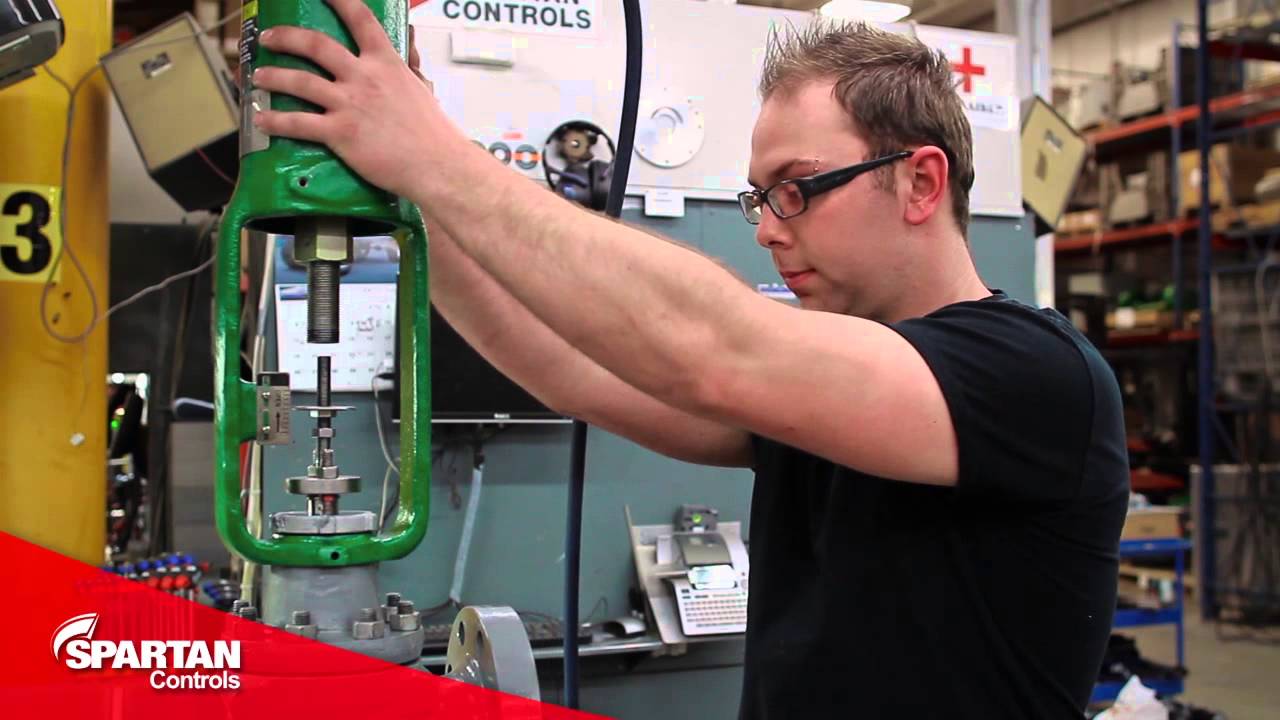
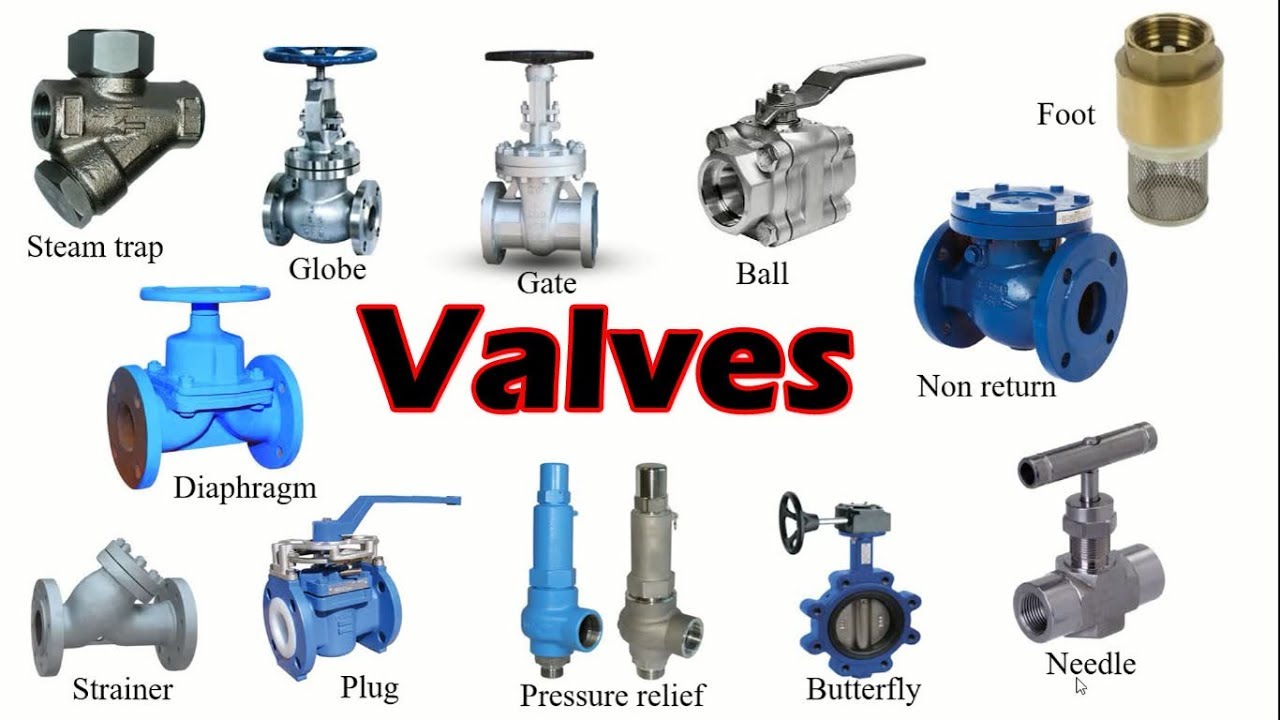
the two classes of control valves are linear motion and rotary motion on a linear motion valve the stem and valve movement is up and down a common type of sliding control valve is the gate valve a rotary motion valve in almost all cases rotates 90 degrees from open to the closed position a commonly used rotary valve is the butterfly valve the actuator is the device connected to the valve through the valve stem that provides the force required to move the valve as we said earlier the actuator can be controlled electrically pneumatically or hydraulically the most
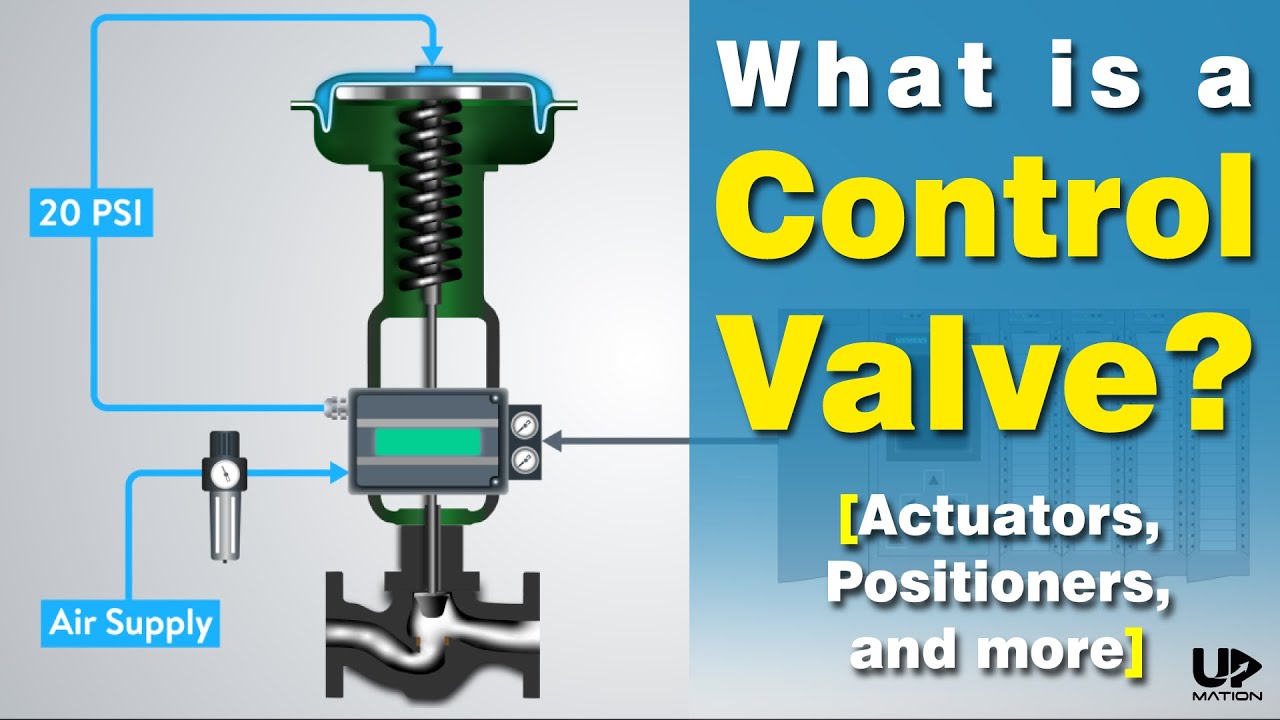
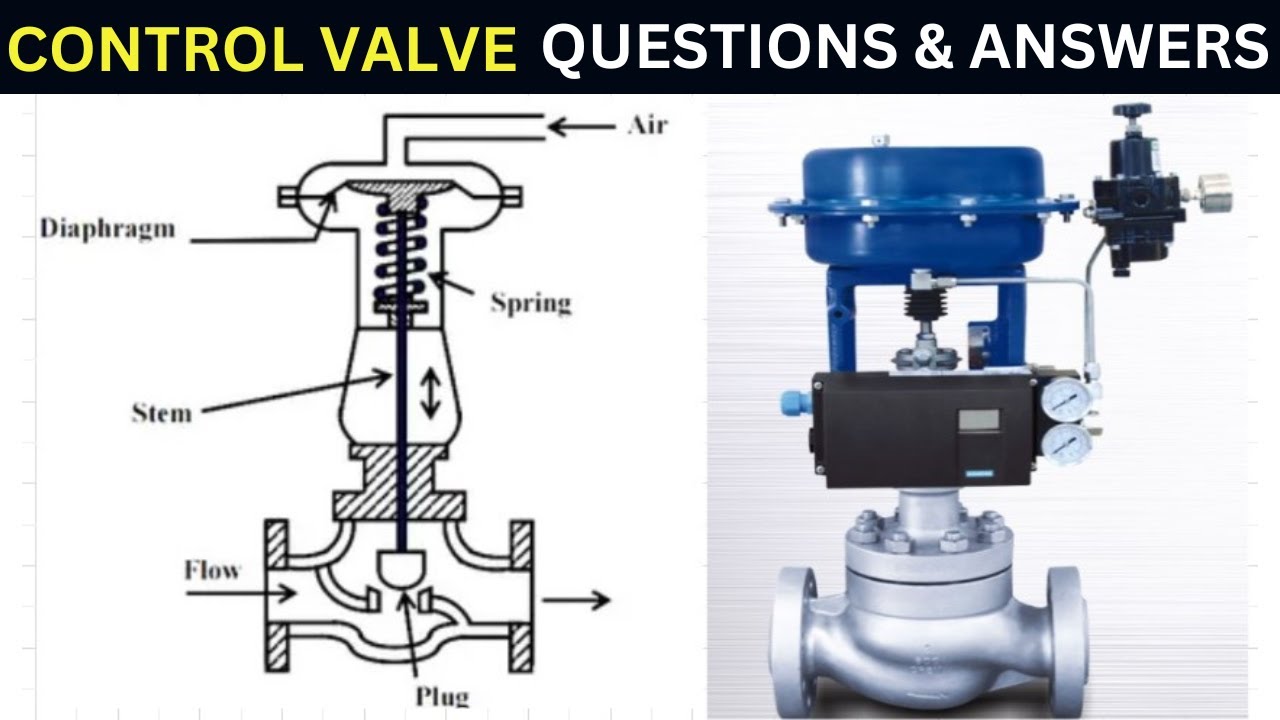
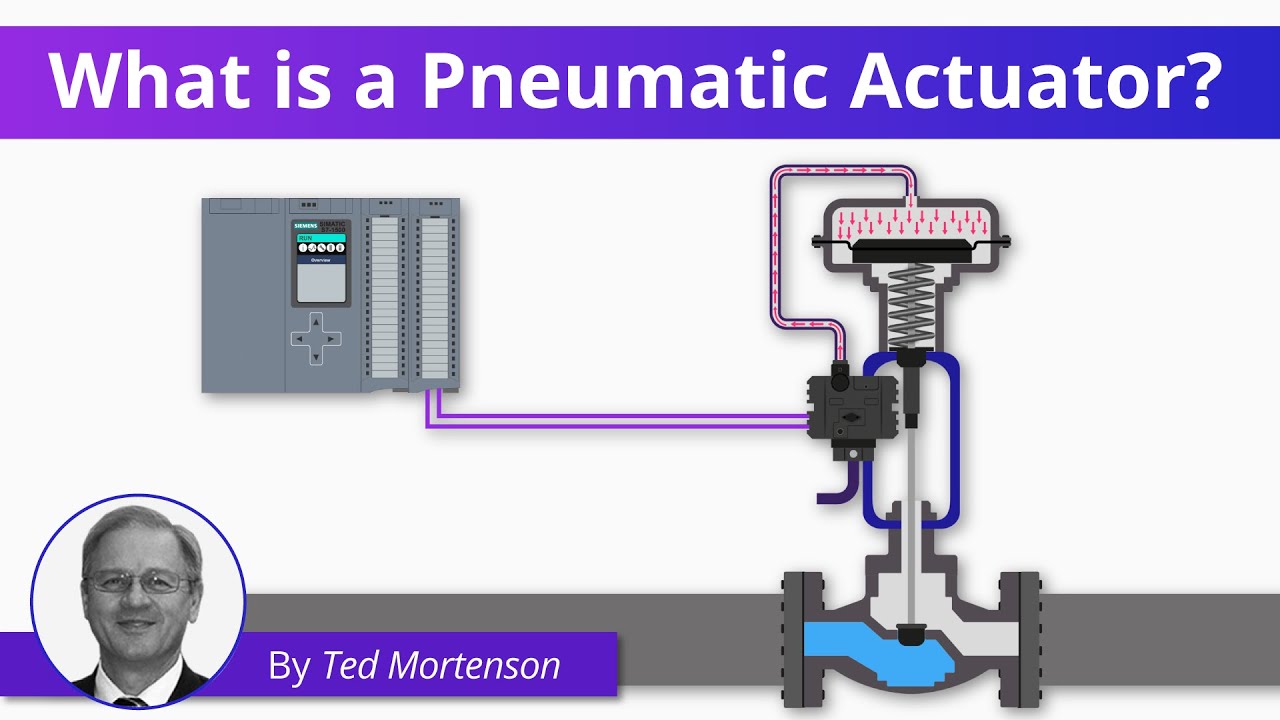
common and the most reliable is the pneumatic actuator the control valve receives a signal from a controller such as a plc or a dcs in order to operate the controller compares the actual flow rate to the desired flow value called the setpoint the controller will produce an output to move the valve to bring the flow rate to the setpoint value because of how pneumatic actuators are built a control valve will fail to a specific position when a loss of the control signal occurs as the supply air pressure is increased the rubber diaphragm pushes against the
spring and moves the valve stem down into the valve body as the supply air pressure is reduced the spring will move the valve stem out of the body the position to which the control valve is moved if a loss of signal occurs is referred to as the fail-safe mode the type of failsafe mode depends on the application for which the control valve is used the actuator causes the valve to close in a fail closed control valve the actuator causes the valve to open in a fail open control valve in normal operation the force of the
spring must be overcome by the electrical or pneumatic actuator in the event of a power failure to the actuator the electrical or pneumatic force is no longer present and the spring pressure forces the valve to open you might wonder how much the valve opens or closes when the flow rate changes well that depends on a number of things such as the percentage of flow rate change and the diameter of the pipe regardless the controller must be tuned so that it produces the correct response to any change in flow rate this is most commonly achieved by
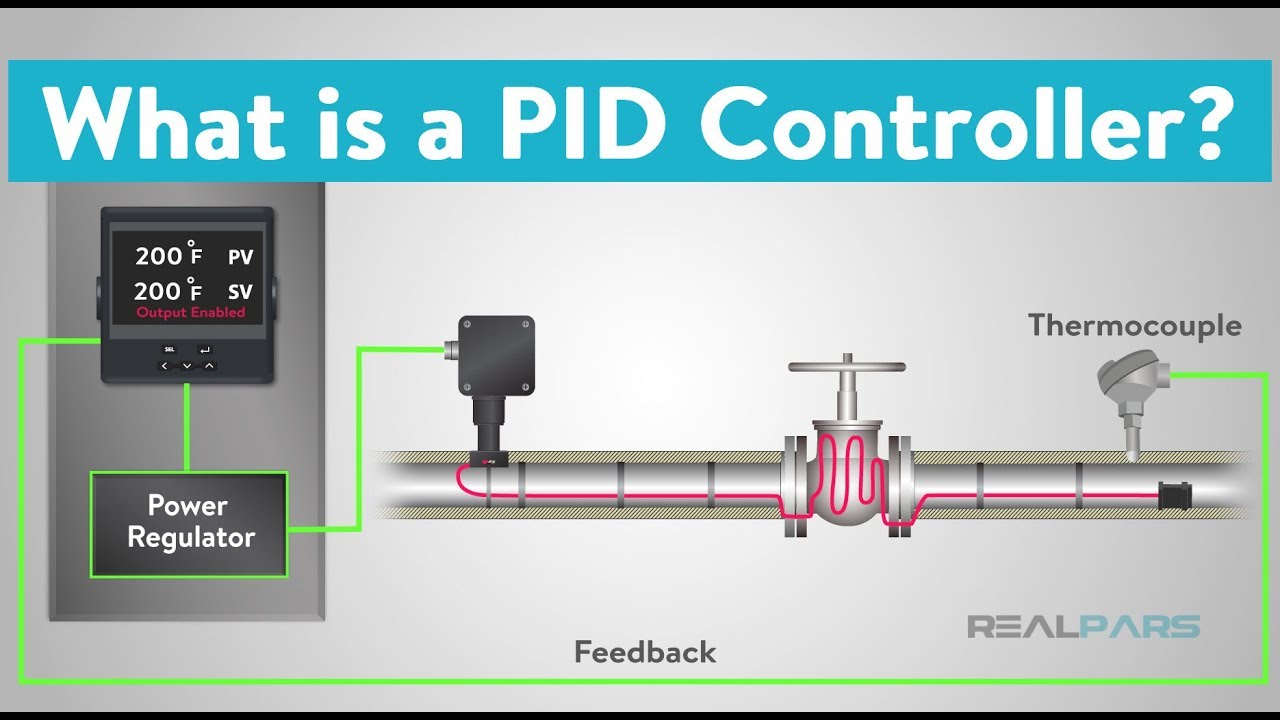
using pid control within the plc or controller we have already created several easy to follow videos on what a pid controller is if you want to learn more about this topic just head on over to realpars.com blog type in pid in the search bar and all the relevant articles and videos will pop up we will also put a link in the description if you're watching this on youtube or any other social media platform in this video we have learned that a control valve can vary the flow of a liquid or gas used in a process
we also learned that a control valve can be one of two main types linear or rotary and that we can use a fail-safe type of valve in critical areas finally we introduced you to how control valves are controlled by the use of pid instructions in the plc or dcs system want to learn plc programming in an easy to understand format and take your career to the next level head on over to realpars.com [Music] you