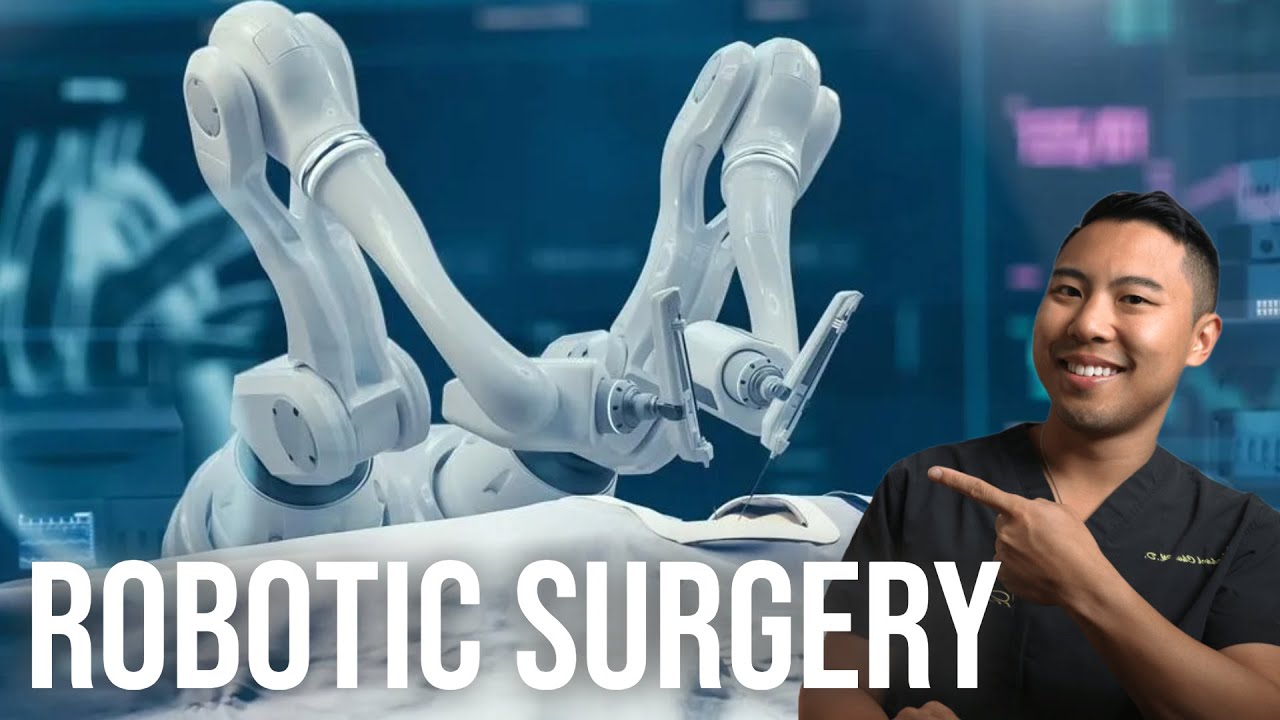
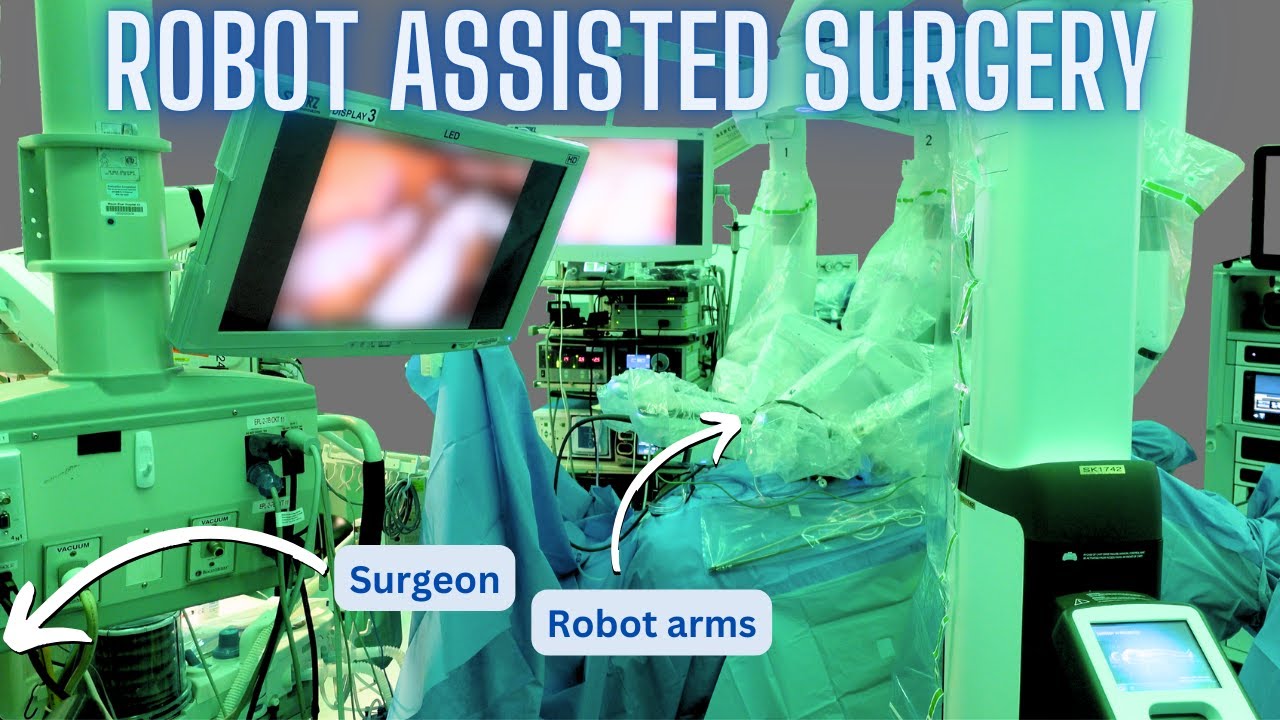
artificial intelligence is bringing in a new era of Medicine algorithms combined with Advanced robotics can Aid everything from Diagnostic Imaging and Analysis to remote surgical assistance and even autonomously performed procedures the data collected by Rehabilitation devices and Prosthetics could also improve individualized recovery in patients in the July special issue of science experts offered Insight on how these extraordinary advances bring hope for more consistent and effective treatment in the future the future of surgery is likely to include robots with some ability to work on their own surgical robots are classified by their level of autonomy and
the degree to which they use algorithms to make medical decisions level zero robots have no autonomy and rely on a human operator to perform surgical procedures level 1 robots make use of AI to provide assistance with procedures but still relies on human control at level 2 robots have autonomy over certain tasks repetitive or tedious subtasks within a procedure like cutting cancerous tissues are assigned by surgeons to the robot conditional autonomy at level 3 involves robots generating a strategy or list of strategies for a task but still relies on a human to select or approve the
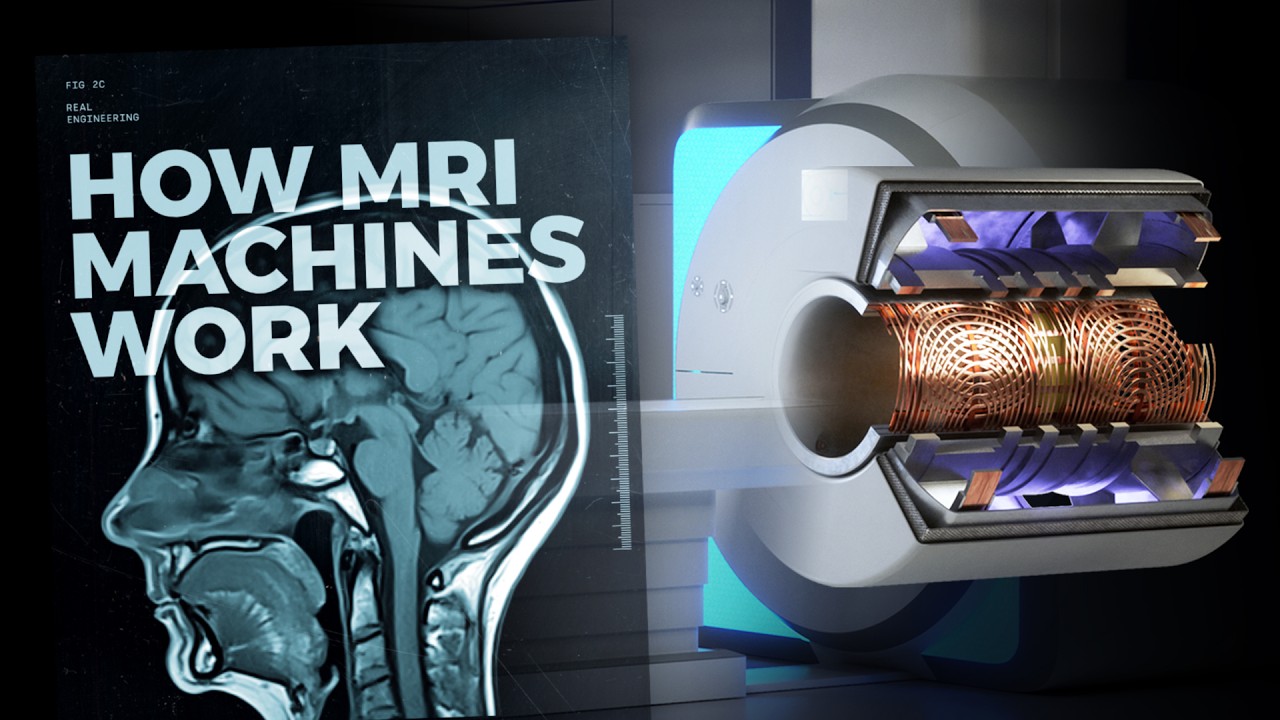
strategy the smart tissue autonomous robot operates at this level applying machine learning to generate and execute a plan for suturing this is currently the highest level of autonomy possible with today's technology but advances on the horizon may bring us closer to fully autonomous systems image guided robotics combine computer vision with images from cameras ultrasound MRI or CT scans to identify key anatomy and precisely direct robots to targets early applications of AI and image guided robots were focused on steering needles through soft tissues to reach targets for biopsies now attention is moved on leveraging AI to
understand images on a higher level and make more accurate navigational decisions interpreting images on a fine scale and changing course based on that information could lead to autonomous ultrasound scanning or self-guided maneuvering of devices for endoscopies and minimally invasive surgeries a significant challenge that remains is the high level of expertise required from Radiologists and surgeons to train the algorithms that control this technology still robotic systems that can see and interpret their surroundings are likely to have a more prominent role in the future of Medical Care surgical technology already uses robots to assist in minimally invasive
surgeries but the rigid components of current surgical robots limit access to certain areas of the body and in some cases can cause tissue injuries researchers have been exploring the potential for Soft Robotics made of pliable materials that can stretch Bend compress and shift from soft to rigid one notable project was the EU stiff flop project stiff flop developed a soft robotic system from biocompatible silicone that used Advanced machine learning for its teleoperation it remains an open question whether Soft Robotics will develop the Precision needed for intricate surgical applications or whether traditional surgical robots will acquire
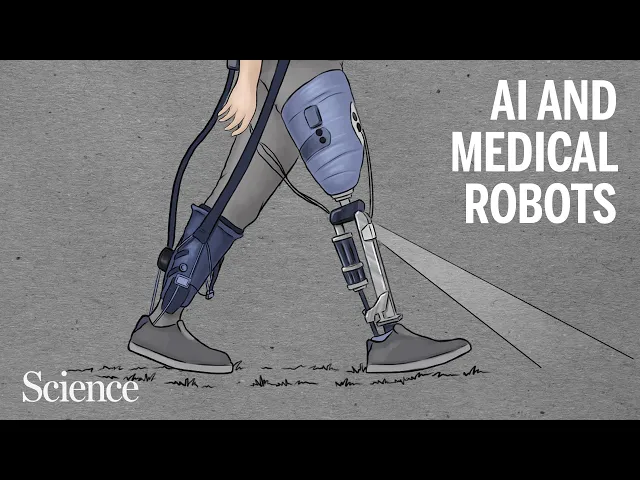
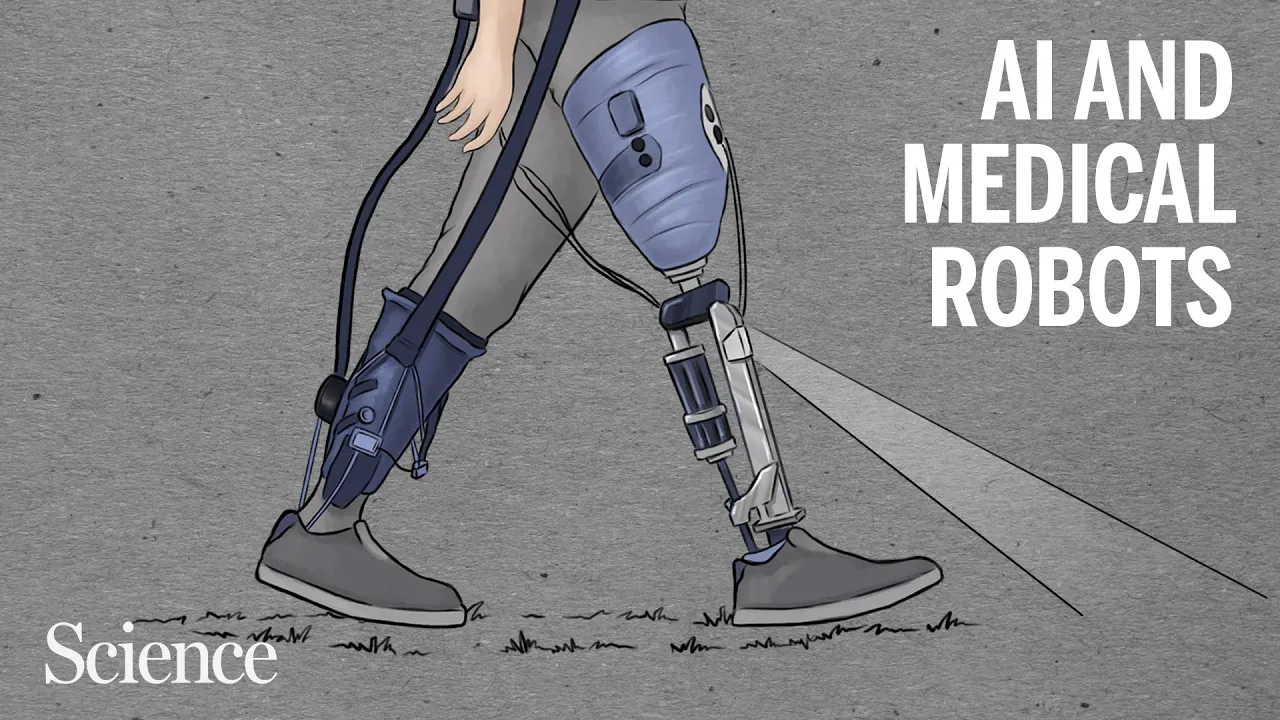
some of the properties of soft robotic technology wearable robots could transform the rehabilitation experience for both patients and health professionals hard mechanical exoskeletons and soft robotic exosuits already in development can improve patient outcomes and offer the assistance needed to get back to daily life the transformative potential for these wearable robots however comes from the data that they can collect the ability to continuously track movement and adjust robotic assistance based on personal progress could revolutionize Rehabilitation but the challenge in these systems is in the calibration of devices that separate signals of recovery from noise in the
data sensor placement day-to-day fit of devices and regular variability and how patients bodies feel and function are among the many complicating factors in developing generalized algorithms to allow widespread use of wearable robots artificial intelligence is tightening the relationship between robotic prostheses and their users machine learning algorithms allow robotic limbs to sense intended motion through neuromuscular signals enabling more seamless control of prosthetic hands and motorized lower limbs this relationship is developing even further with Machine Vision designed to sense the surrounding environment prosthetic legs that can see upcoming terrain can help the user adapt to their environment
these advances have the potential to restore and enhance prosthetic users abilities to complete everyday tasks in addition to meeting high standards for safety developers will also have to gain users trust in the idea of AI enabled limbs as Medical Technology continues to develop artificial intelligence will play an expanding role in how we diagnose treat and understand the human body [Music]