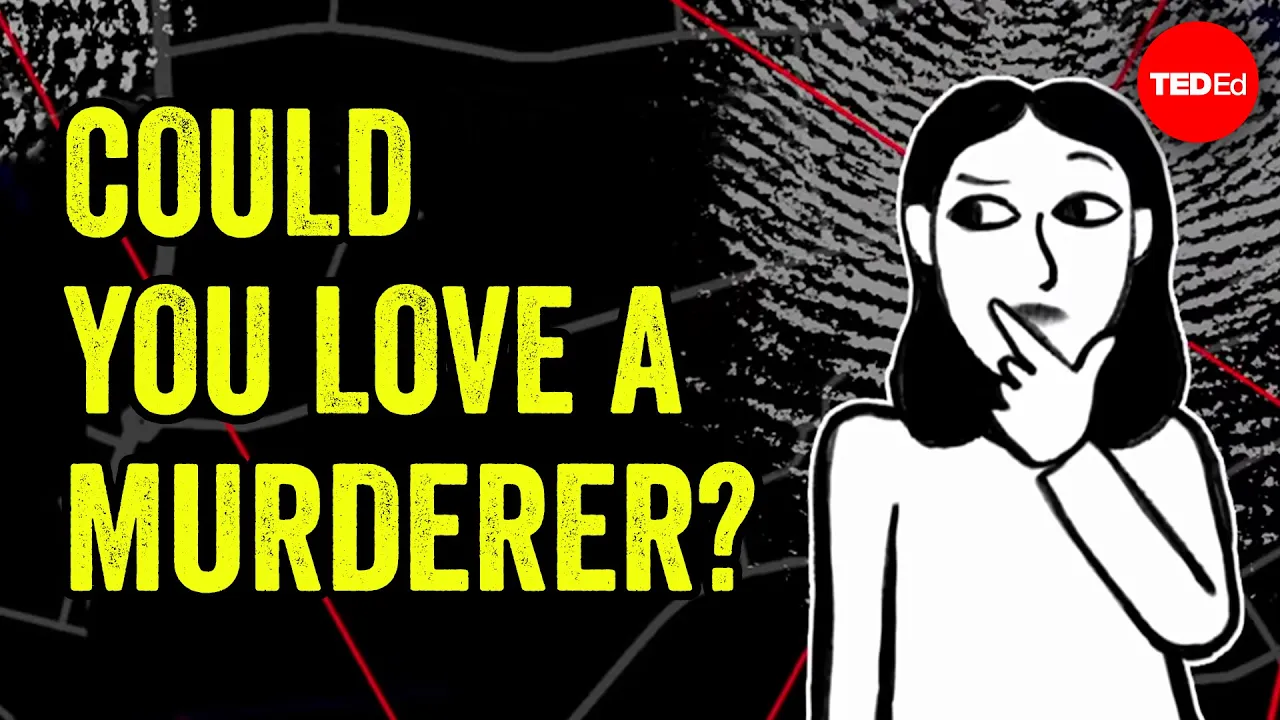
You’re sitting on the couch watching TV, when you hear a knock on the door. The police have just arrived to arrest your spouse— for murder. This accusation comes as a total shock.
In your experience, your partner has always been gentle and loving, and you can't imagine them committing a grisly murder. But the evidence is serious: their fingerprints were found on the murder weapon. Your spouse insists they're innocent.
“I know it looks bad,” they say, “but you have to believe me! If you don’t, who will? ” Should you believe your spouse, even though the evidence against them looks damning?
Take a second to think what you would believe in this situation. This dilemma is part of what philosophers call the ethics of belief: a field of study that explores how we ought to form beliefs, and whether we have ethical duties to believe certain things. The question here isn't about what you should do, such as whether or not you should find your spouse guilty in a court of law.
After all, you wouldn’t be on the jury in their trial! Rather, it’s about what you should believe to be true. So, what factors should you consider?
Perhaps the most obvious is your evidence. After all, to believe something is to take it to be true. And evidence is, by definition, all information that helps us determine what's true.
From this, some philosophers draw the conclusion that evidence is the only thing that ought to determine what you believe. This view is called evidentialism, and a strict evidentialist would say it doesn’t matter that the accused is your spouse. You should evaluate the evidence from a neutral, objective point of view.
Taking the perspective of an unbiased third party, your judgment of your spouse's character is a relevant consideration. But finding their fingerprints at the crime scene is surely stronger evidence. So, from an evidentialist point of view, you should either believe your spouse is guilty, or at best remain undecided.
Some philosophers present evidentialism only as a view of what’s most rational to believe. But others, like 19th century evidentialist W. K.
Clifford, think that following the evidence is also morally required. One argument for this view is that having well-informed, accurate beliefs is often vitally important to determining the ethical way to act. Another argument is that there’s something unethical about being dishonest, and refusing to follow the evidence is a way of being dishonest with oneself.
However, perhaps there are other ethical factors in play. Although the evidence against your spouse is strong, there’s still a chance that they’re actually innocent. Think for a moment about how it would feel to be innocent, and have no one believe you— not even your own partner!
By not trusting your spouse, you run the risk of seriously hurting them in their crucial hour of need. Moreover, consider what this lack of trust would do to your marriage. It would be incredibly difficult to continue a loving relationship with someone that you believed— or even strongly suspected— was a murderer.
You might try to pretend to believe that your spouse is innocent, but could you really go on living that lie? According to a theory of the ethics of belief called pragmatism, these kinds of practical considerations can sometimes make it right to believe something even without strong evidence. Some pragmatists would even say that you morally owe it to your spouse to believe them.
But is it even possible to believe your spouse is innocent just because you think it’ll be good for your relationship? Or because you think you owe it to the accused? You might desperately want to believe they’re innocent, but can you control your beliefs in the same way you control your actions?
It seems like you can’t just believe whatever you like when the truth is staring you in the face. But on the other hand, recall your spouse’s plea. When we say things like this, we seem to be assuming that it is possible to control our beliefs in some way.
So what do you think? Can you control what beliefs you have? And if so, what will you believe about your spouse?