The Internet: Cybersecurity and Crime Hi, my name's Jenny Martin and I'm the director of cyber security investigations at Symantec. Today cybercrime causes huge problems for society personally, financially, and even in matters of national security. Just in the last few years hundreds of millions of credit card numbers have been stolen, tens of millions of Social Security numbers and healthcare records were compromised, even nuclear centrifuges that have been hacked, and unmanned aerial drones have been hijacked.
This is all done by exploiting vulnerabilities in hardware and software or more often by taking advantage of unintentional decisions made by the people using the software. People committing these cyber crimes don't a single profile or motivation it could be anyone from an international terrorist to a teenager competing for bragging rights. Today the largest countries not only have a regular army but also have a well armed cyber army.
In fact the next World War may not be fought with traditional weapons, but with computers used to shut down national water supplies, energy grids, and transportation systems. Hi my name is Parisa and I'm Google Security Princess. I've worked on a lot of different products and a lot of different ways to try and make our software as secure as possible.
Now let's take a look at how cybercrime works under the hood will learn about software viruses, denial-of-service attacks, and phishing scams. In biology and life, a virus is an organism that is spread by coughing, sneezing, or physical contact. Viruses work by infecting cells, injecting their genetic material, and using those cells to replicate.
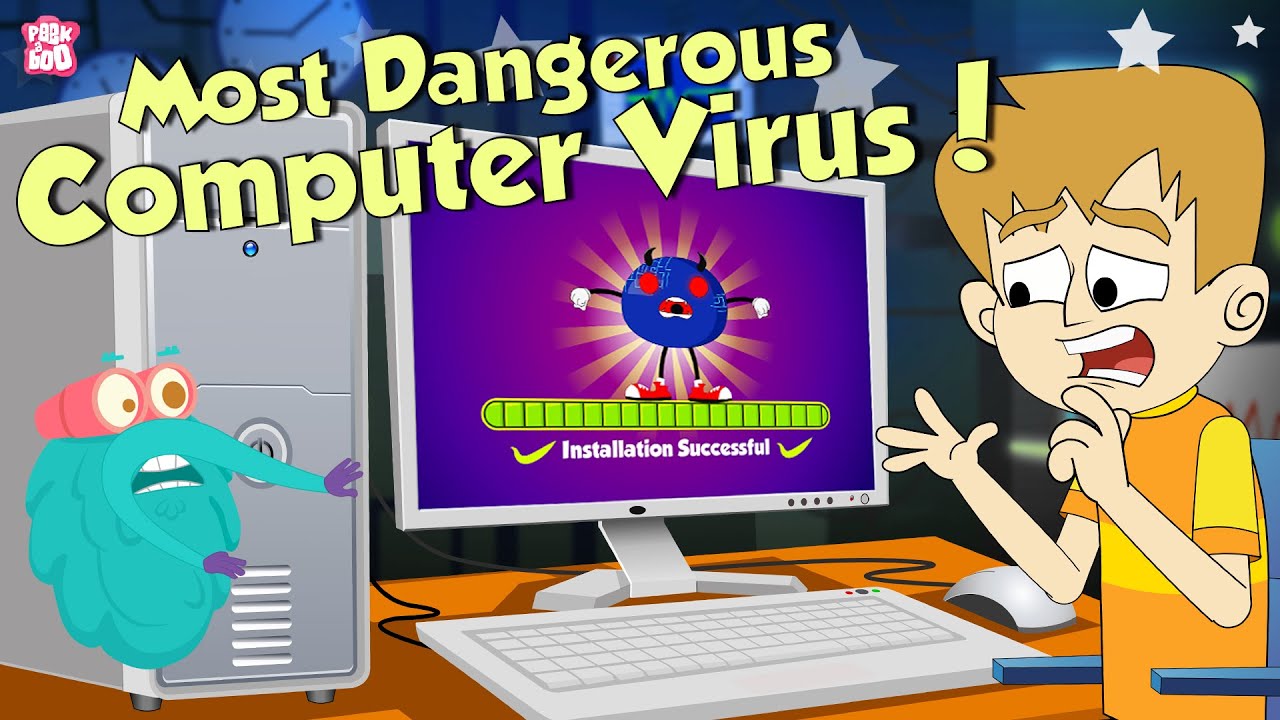
They can make people really sick and then spread to other people. A computer virus works bit similarly. A virus is an executable program that gets installed, usually unintentionally, and harms the user and their computer.
It's also possible for a virus to spread itself to other computers. Now how does a virus get on your computer in the first place? There are a couple ways an attacker can infect someone's computer.
They might lure a victim into installing a program with deception about the program's purpose, so for example a lot of viruses are disguised as security updates. It's also possible that the software on your computer has a vulnerability, so an attacker can install itself without even needing explicit permission. Once a virus is on your computer it can steal or delete any of your files, control other programs, or even allow someone else to remotely control your computer.
Using computer viruses, hackers can take over millions of computers world wide and then use them as a digital army, otherwise known as a botnet, to attack and take down websites. This kind of attack is called a distributed denial of service. A denial of service is when hackers overwhelm a website with too many requests.
We call it a distributed denial-of-service when the attack comes from many computers all at once. Most websites are ready to respond to millions of requests a day, but if you hit them with billions or trillions of requests, coming from different places, the computers are overloaded and stop responding. Another trick used by cybercriminals is to send large amounts of spam email in an attempt to trick people into sharing sensitive personal information.
This is called a phishing scam. A phishing scam is when you get what seems like a trustworthy email asking you to log into your account, but clicking the email takes you to a fake website. if you log in anyway you've been tricked into giving your password away.
Hackers can then use your login credentials to access your real accounts to steal information or maybe even to steal your money. Fortunately there are many companies, laws, and government organizations working to make the internet safer, but these efforts are not enough. You may think when a computer system gets hacked the problem was the security design or the software.
Ninety percent of the time the system gets hacked however, it's not because of the security bug, but because of a simple mistake made by a human. It turns out there are steps we can all take to protect ourselves. Often your actions not only impact the security of your own data and computer, but the security of everyone at your school, workplace, and home.
With billions or trillions of dollars at stake cybercriminals get smarter each year and we all need to keep up.