body and welcome my name is Neil Sidman and I'm a member of the public education committee for adaa that's the anxiety and depression Association of America and we're really excited to present this webinar this is the first of our series and the topic is cognitive behavioral therapy for anxiety and depression and our presenter is Dr Dennis greenberger we're going to be recording the webinar and you'll be able to see it again at a later time on the adaa website if you have questions during the webinar you can type them in so on the right side
of your screen you should see a Q&A panel and there's a little field at the bottom of that panel when you click in it you can type in a question then either hit your enter key or click the icon we're going to try to get to as many of your questions as we can at the end of the presentation also keep in mind other participants in the webinar cannot see your question only myself and Dr greenberger will be able to see your question now before we begin I'd like to tell you just a little about
adaa the anxiety and depression Association of America adaa was started in [Music] 1979 and today it's the leading nonprofit organization in the field of anxiety disorders and depression our mission is to improve diagnosis and promote the prevention treatment and cure of anxiety depression and stress Related Disorders through education like today's webinar practice and research we fight to really end stigma and we promote the message that these conditions are real serious and treatable now I want to invite you to visit the adaa website it's really a fabulous resource uh so you should make a note it's
adaa.org and on the website there's a great section called find a therapist it's a searchable database of treatment providers also on the website you'll get free educational information and resources uh self tests uh information about self-help groups and clinical trials and and just a lot of other great information so it's really worth visiting the website and also you can support Ada by making a charitable donation on the website okay so I'm really happy to introduce our presenter Dr Dennis greenberger is a clinical psychologist practicing in Newport Beach California he's the founder and director of the
anxiety and depression Center Dr greenberger is the co-author along with Christine pesy PhD of Mind Over mood and the clinician's guide to mind over mood Mind Over mood was awarded the most influential cognitive behavioral therapy book by the prestigious British Association of cognit cognitive and behavioral therapies Mind Over mood has been translated into 21 languages and sold over a million copies it's one of the most widely read cognitive therapy books ever written so let me turn it over now to Dr greenberger and remember you can type in a question anytime uh well thank you Neil
for the kind introduction I appreciate it uh I before beginning I also would like to thank adaa for asking me to do this webinar I've been a member of adaa for many years and have always been impressed by the tireless work that they do um It's a Wonderful organization that has really done an immeasurable amount in promoting awareness of anxiety and depressive disorder disorders and I'm honored to be the first person asked to participate in these webinar Series so in today's webinar I hope to provide an introduction to cognitive behavior therapy or CBT and explain
why and how it may be helpful for people with mood disorders such as anxiety and depression I hope by the end of the webinar that you'll better understand anxiety and depression and the cognitive behavioral model uh how CBT works and understand why major medical and psychological and governmental organizations label CBT is an empirically or research validated treatment for depressive and anxiety disorders um also I hope that at the end of the webinar that if you're motivated to do further research on CBT uh to help you better understand if it maybe help ful for you or
someone that you care about you may have heard about cognitive therapy or CBT um but not be fully appreciative of what it is CBT is an active and structured and focused form of psychotherapy uh that rests on the idea that the way we think and perceive events and the way we act or behave as an important influence on the way we feel so it's really a very simple premise let me let me repeat it though because it's really the Crux of what CBT is all about it rests on the idea that the way we think
and the way we behave affects the way we feel and if we can understand and modify our thoughts and our behaviors there's a very good chance that we can feel differently so if we modify how we think or behave we can often reduce or overcome the symptoms of depression and anxiety and lead more meaningful lives one of the unique features of CBT is that it's been extensively researched and very sophisticated research consistently demonstrates that CBT is very effective treatment for anxiety and depressive disorders uh CBT has been shown to alleviate depression uh generalized anxiety disorder
panic disorder social anxiety disorder health anxiety obsessive compulsive disorder or OCD and post-traumatic stress disorder uh the appeal for many people of CBT both there then patients is that it's practical uh in terms of skill building it's powerful in terms of getting results and it it creates permanent and durable changes in people's lives so today's webinar is not intended to summarize the extensive uh CBT research that has been done but if you're interested uh in the research database I encourage you to explore this uh after the webinar so CBT uh rest on a warm and
supportive and trusting uh relationship between the client and the therapist uh the therapist and the client work together in a collaborative way to address mutually agreed upon therapy goals uh CBT begins uh like most therapies with a very thorough uh history taking and an assessment of the problem that the client wants to overcome the therapist is likely to ask a lot of questions about the symptoms that you're having how long the symptoms have been present how frequent and severe the symptoms are uh the therapist will want to know if there's certain situations in which your
symptoms are more likely or less likely to occur and your therapist is probably going to want to understand your strength uh as well as your symptoms to be able to come to a diagnosis and develop a treatment plan that's designed for you and based on your particular history in the first session or two your therapist you and your therapist together will decide upon what the therapy goals are decide on a way of measuring ing progress and decide on the frequency of the session your therapist U may be able to give you an estimate of how
many sessions he or she thinks it will take you to get better uh but for many problems including many depressive and anxiety disorders a full course of CBT can be completed in 20 sessions or less there's a a lot of research that uh demonstrat that CBT can be effective in a relatively brief period of time for many uh mood and behavior problems many people get better and stay better with relatively brief CBT treatment in the beginning of treatment and periodically throughout the treatment your therapist is likely to have you take some paper and pencil tests
in order to establish a baseline of the symptoms of your symptoms and in order to measure your progress as the treatment proceeds uh these tests can help quantify the frequency and severity of the symptoms that you're having measure your progress as the treatment move moves along and identify symptoms that may need additional work as the treatment progresses it's very important that after the first or second session that you have a sense of comfort and trust with your therapist and you have a sense that you can get better with the therapist and with the treatment that
they're providing uh trust and comfort is particularly important in Psychotherapy and turns out to be highly predictive of successful treatment outcomes now it's also important to understand that see most CBT treatment involves between session homework assignments on the client's part and usually the more homework that's done between sessions the faster the treatment gets completed so as a client it's important to be prepared to devote time uh to learning and practicing new coping skills and experimenting with new ways of thinking and behaving U most people just enter Psychotherapy on only one or two occasions in their
lives so you really want to recognize it as a important opportunity to make the most of it that you possibly can in the treatment the therapist and the patient are working collaboratively in the context of this warm and trusting relationship to look at the thoughts and behaviors that occur along with the anxious or depressed feelings uh in its simplest form the idea is that if we can identify and change the thoughts and behaviors associated with anxiety and depression then there's a good chance that the anxiety and depression uh will be significantly alleviated now to make
sure that we're on the same page in terms of what we're talking about behaviors are simply things that we do there are actions uh behaviors are observable and they're subject to change there's clear and demonstrable behavior changes that happen when we're depressed and anxious and if we can understand and alter the behaviors it's one step in improving the mood problem now cognitions is cognition is just a fancy word for the way we think uh more generally cognition refers to thoughts and beliefs and perceptions but it really refers to our selft talk it's the way we
understand experiences and the way we attach meaning to events that happen in our lives uh on its most basic level cognition refers to the way we talk to ourselves it's the monologue or dialogue that takes place in our minds throughout our lives uh now these thoughts aren't observable from the outside but they're very visible from the inside with a little bit of training one of the early steps in CBT is to become a good Observer and documentor of your behaviors and your thoughts now the cognitive behavioral model is represented in this diagram as you can
see there's four components to the model there's thinking there's Behavior there's mood and there's physical functioning the arrows in between the four areas suggest that each one of the areas affects the others in a system and when there's a in like in any system when there's a change or alteration in any one of these areas the other three areas as part of the system are going to be altered as well so as an example of the effect of thoughts on our moods or our physical functioning uh consider the scenario of you sitting at home in
your phone ringing uh before you answer the phone the first thought that may go through your head is that someone's calling to tell you that a relative is hurt or it's been in an accident or something terrible that's happened if that's your thought you're likely to feel afraid and anxious and nervous and fearful you may notice your heart beginning to race and your breathing change if you pick up the phone and find out though that it was the wrong number you're likely to feel relieved in the anxiety and rapid heartbeat is going to disappear so
this demonstrates the connection between a thought to a benign queue which was the phone ringing the thought was something terrible has happened and the mood of anxiety or fear and the physical reaction of the rapid heartbeat of the breathing change now the process works in Reverse as well so it may start with a physical sensation rather than with the phone ringing so consider perhaps walking up a flight of stairs or three flights of stairs if you do this it's likely that your breathing is going to alter your heart may start to race a little faster
and you may start to sweat now if you're someone who's prone to panic attacks you may interpret or misinterpret your rapid heartbeat as a heart attack or you may interpret or misinterpret your dizziness as a stroke now let's see how uh the four-part CBT model can help you better understand symptoms of anxiety and depression or here's depression actually uh thoughts typically associated with depression are negative so when we're depressed we tend to interpret or misinterpret events in a negative way uh typical thoughts when we're depressed are I'm no good no one likes me I'm a
failure uh I'm never going to get any better these negative thoughts uh exemplify the thinking component of the of the cognitive model of depression in terms of mood uh we often feel uh along with depressed irritable sad perhaps angry um in terms of the physical uh functioning when we're depressed uh physically we may feel lethargic or tired we may sleep more or sometimes sleep less we may eat more or eat less and there's changes in our brain chemistry as well so we analyze the different components of the of depression the different dimensions in the in
this model these are the physical symptoms that we often see now the final component of the CBT model is the is the behaviors and behaviorally when we're depressed we tend to withdraw from other people we tend to be more socially I ative uh we do fewer activities uh especially fewer activities that may have given you a sense of Mastery or control or meaning in your life in the past now one of the things that many people like about this model is that it's a concise way of understanding symptoms and of understanding how all these different
symptoms uh that you may be experiencing interact with one another uh additionally this model is a way of pulling together what may appear to be separating unconnected symptoms and provide a way of understanding that seemingly disparate symptoms May in fact all be part of the depressive episode uh it also demonstrates that we as a science really don't fully understand the ultimate cause of mood problems but what we do understand is that these four components all interact with one another and as a system if we can change any one of the areas the other three areas
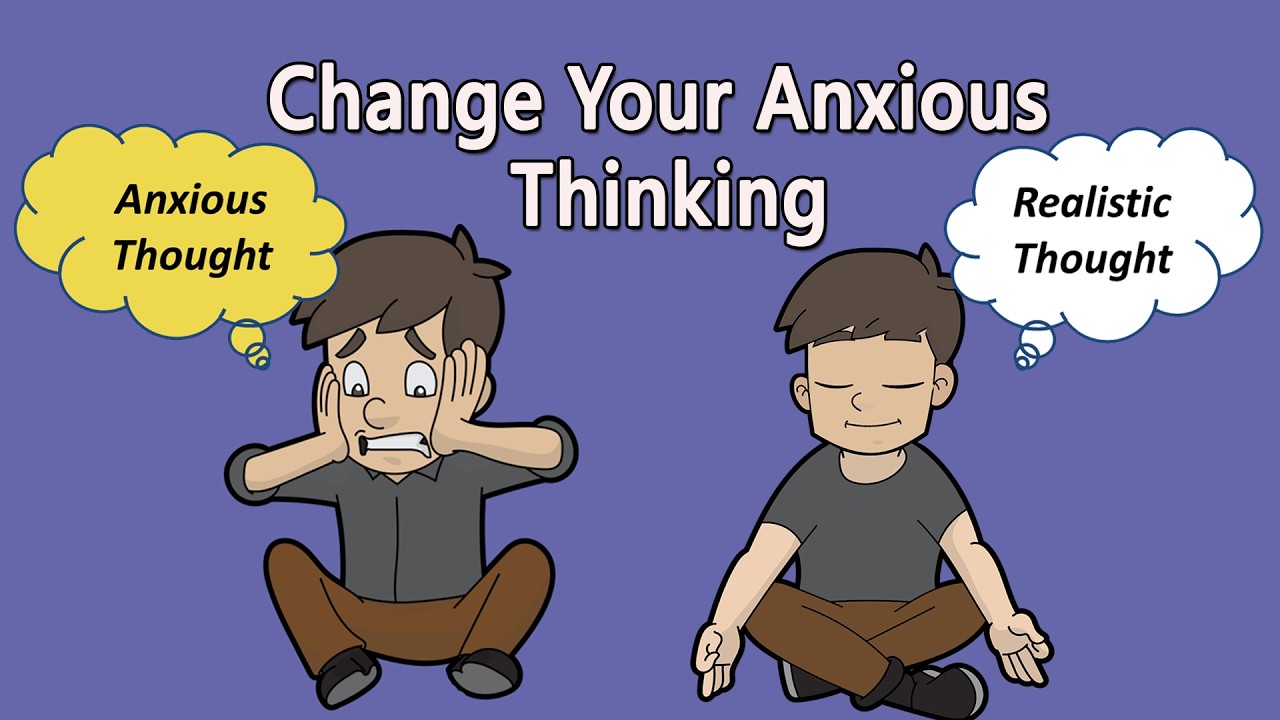
will change as well now let's look at whether or not the CBT model uh can help us understand anxiety uh in a way that was um similar to the way that it helps us understand depression so you can see here that the model is identical we're looking at the four different components um and then we can break them out separately so thoughts associated with anxiety often begin with what if uh if you suffer from an anxiety disorder or you know someone who does this is not going to be any surprise to you uh the what
if sentence ends with a catastrophe or something going horribly wrong so there are thoughts that something bad is about to happen or that there's imminent danger of some sort in Panic or anxiety attacks the thought may be that I'm dying I'm going crazy uh I'm having a heart attack I'm having a stroke uh phys or mood-wise uh along with those thoughts we feel nervous and anxious and we may have a p panic attack I think of anxiety and a Continuum of severity with uh the lowend being a little nervous uh anxiety being in the middle
and a panic attack at the most uh severe end of the Continuum uh now physically the physical symptoms associated with anxiety are an accelerated heart rate uh dry mouth sweating not due to the heat um and as in depression changes in brain chemistry as well this is really a fight or flight response and an acceleration of the autonomic nervous system uh it's our body physically getting ready to respond to a threat or danger uh the danger that's described earlier in the thinking component uh of this model so there's a thought or perception that something bad's
about to happen that there's some imminent danger and in response to that perception our bodies respond as they've been programmed to do with a fight ORF flight response so the body and mind's reaction makes perfect perfect sense in response to the perceived danger to the interpretation or misinterpretation that something bad is about to happen now behaviorally when we're anxious we avoid what triggers our anxiety we limit our activities and we engage in safe safety behaviors again this makes sense if the perception and and of danger or of catastrophy is accurate we're programmed really to avoid
these dangerous situations the most extrem example of avoidance behaviors would be phobias where people avoid public speaking or Heights or closed spaces or airplanes or in the most severe situations even leaving their homes or a room in their home because of fear so this C CBT model has the advantage of being simple yet being able to accurately describe I think the experiences of anxiety and depression uh further and as importantly the model really serves as the basis for CBT treatment and suggest multiple areas for intervention that can help people develop practical thinking and behavioral skills
that can help them to feel better and to help them overcome mood problems that they may be plagued by so it turns out that of the four components uh that you see there the it's only the mood component that we can't directly intervene with we can intervene at the physical level with medication and in CBT we focus our interventions on thoughts and behaviors um but at like I said earlier a change in any one of those areas is likely to have an impact on the mood as well and what we found is that certain interventions
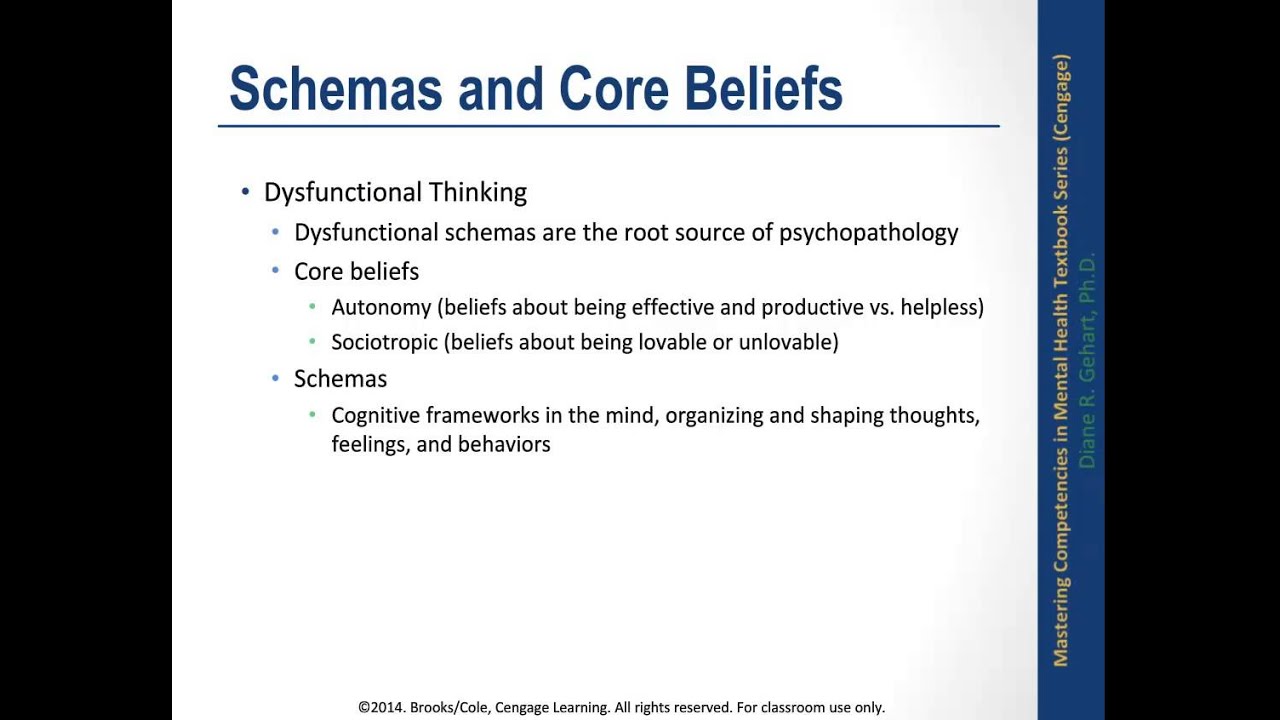
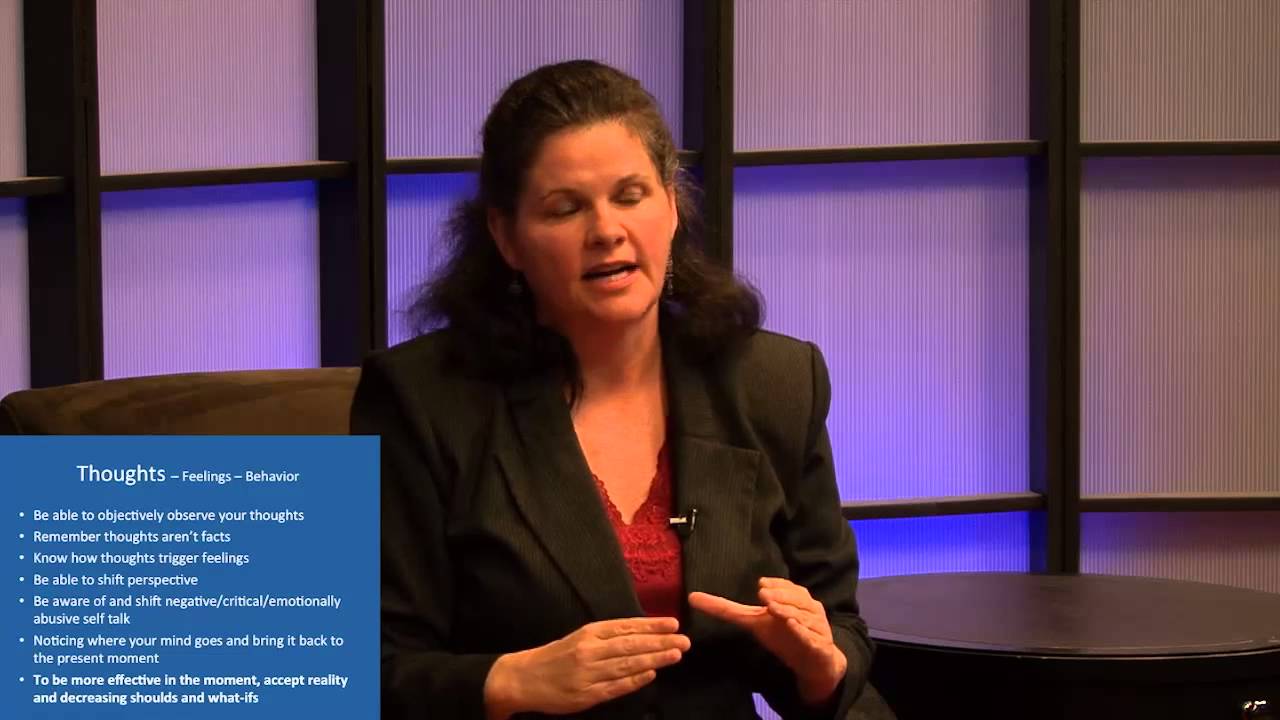
can have a profound and life-changing effect on the way that you feel now automatic thoughts uh are what are described on this slide and in CBT one of the skills that hopefully you'll develop is to identify uh on an ongoing basis your internal dialogue your selft talk uh automatic thoughts are those words and images that come into our mind spontaneously throughout the day uh whenever we have a strong mood there's going to be a thought that's present and that thought can provide clues in understanding our emotional reaction uh one key in CBT is learning to
identify the thoughts that occur along with the mood problems that you're having uh to identify the thoughts you may want to ask yourself or learn to ask yourself on a routine basis what was going through your mind and what you were thinking about whenever you have a strong mood uh these thoughts can then be worked with and hopefully altered uh in the course of CBT now the thoughts can be uh either verbal they can be words or they can be images uh what we found very often with depression the thoughts are more uh verbal more
words and when we're anxious the thoughts um more often uh tend to be images a lot of attention in CBT is focused on slowing down problematic experiences that you have and learning to analyze the four components in the CBT model uh at the end of CBT you should be an expert at identifying and altering your thought processes or altering your behaviors and your thoughts in a way that improves your life uh in CBT I think you learn to act and behave in a new way and you learn to think differently to have different thought content
but also to be able to view your thoughts in a different way perhaps from a different perspective one fascinating Discovery was the fact that anxiety and depression are characterized by very specific types of thinking that are distinct from each other in terms of content anxious thoughts are characterized by themes of danger and vulnerability and threat and catastrophic expectations of the future uh depressed thoughts on the other hand are characterized by negativity in three areas we're negative towards ourselves uh we're negative towards um the future or have a hopeless attitude and we tend to be negative
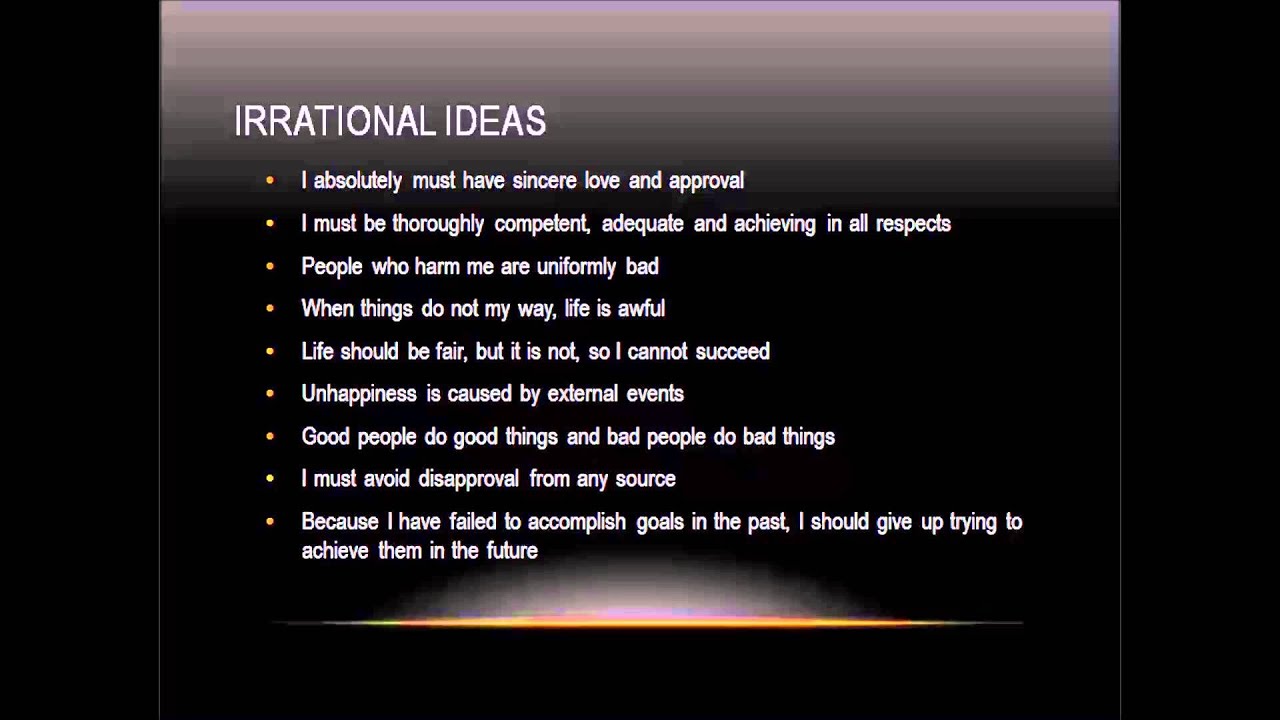
about ongoing experiences it's as if we have a voice in the back of our head uh that comments in a negative way about our lives this is sometimes referred to as the negative cognitive Triad uh negative thinking about ourselves uh the future and ongoing experiences you may have heard the phrase of cognitive distortions or thought distortions this refers to the idea that the way we perceive ourselves or the world or experiences uh may not accurately match the way things actually are uh the idea is somewhat analogous to looking into a funh house or a distorted
mirror uh we know when we look in the mirror that the image that we're viewing doesn't actually match the way we actually are uh so similarly when we're depressed and and anxious our minds distort what we see in a similar fashion uh when we're anxious we over perceive danger or threat or our own vulnerability uh and when we're depressed we're overly negative overly self-critical and overly hopeless about the future we may see the world and ourselves in the future and really our ongoing experiences in this distorted manner uh so clearing up the distortions in the
funhouse mirror or clearing up the Distortion in our minds can go a long way to seeing things more clearly and may help us to feel uh less depressed and less anxious now cognitive behavioral therapy for depression often involves learning to identify and evaluate and alter the automatic thoughts that occur along with the depressive episodes so in order to learn to do this with the CBT therapist may use what's called a thought record or a thought log in which the client learns to um Monitor and identify the automatic thoughts that they have in the midst of
being depressed uh CBT treatments for anxiety are likely to begin by focusing on more in Behavior rather than thoughts uh so they may not uh formally utilize thought records uh but the behavioral interventions May ultimately work because of creating these durable changes in the underlying thoughts or the underlying catastrophic predictions uh the thought records I think can be real illustrative in the process of learning to separate out and distinguish the different parts of the CBT model um so if you learn to record your experiences uh in a way that change uh in in this kind
of way it it lays the groundwork for being in to make the kind of changes that you may desire to make uh the thought records can be thought of as a psychological microscope uh and what we're putting under the microscope is a slice of your experience uh a moment of your life and as we look through the microscope what we're separating out are the different factors of the experiences as I talked about earlier in the CBT model we want to describe your thoughts your mood your behavior your physical reaction and our hope is that once
we separate out these components we can teach you to put them back together in a way that's more adaptive so this is an example of um a Ben who was a 65y old man who was depressed and he was preparing to go to his um daughter's house for a Thanksgiving dinner um it's 11: in the morning the First Column is just situation where you want to answer who what when and where uh his mood was sad and and remorseful and the thoughts were Thanksgiving is such a sad time I have two grown children who live
out of town with their families I don't get to see them nearly as often as I would like it's thanksgiving's the beginning of the season when families should be complet and together we'll never be a family like that again and my life will never be as good as it once was you can see the negativity uh that's involved in in Ben's thinking uh at this moment now similarly with anxiety this is an example of how an anxious experience would appear on a thought record um this is an example of Judy a patient with uh panic
disorder so with uh Judy uh her situation again who what when and where it's 2:30 in the afternoon I'm alone at the mall where I've been shopping for 45 minutes uh the mood at that moment was fear and panic rated at 100% And you can read the thoughts and see the catastrophic nature of them where she's thinking she's going to die she needs to get to a hospital and having an image of herself lying on the floor uh unable to breathe what I want you to notice here if you if you would is how the
two experiences were dissected and the different components of the experience are articulated in the different columns so the ability to understand your experiences in this fashion sets up the foundation on which to more closely look at and maybe alter the thoughts and the behaviors that maintain the psychological distress that you're experiencing now with depression CBT would typically would involve um mastering the first three sections of the thought record uh the treatment would then proceed to the second half of the thought record which teaches you to look more closely at the automatic thought and learn to
gather evidence or facts or data that supports or doesn't fully support uh the automatic thought that you've identified uh in the first half of the of the thought record so given our our time limitations today I'm not going to go into the nuts and bolts of the second half of the thought record but the essential skill that your CBT therapist is likely to be teaching you is to answer the questions where's the evidence that supports the automatic thought that I identified is there any evidence that doesn't fully support the automatic thought and based on the
evidence is there another way of thinking about the situation that I'm in now this final question is important because what we're hoping is that the new your new more adaptive way of thinking will be based on evidence or data factual information or experiences rather than on fears and low self-esteem or depression or a sense of hopelessness uh we hope that the thought record can help you develop these new healthier and more adaptive way ways of thinking and really develop a foundation on which to base the new thinking which should help you to feel better so
um the thought records can be boiled down to a set of three questions it's essentially what am I thinking where is the evidence that supports or doesn't support the thought and based on the evidence is there another way of thinking about this I consider this the cliff not's version of cognitive therapy now for anxious people there's a different set of three questions and that's um what's the Worst That Could Happen what's the best that could happen and in all likelihood what's going to happen now identifying and altering a single thought is not going to make
you better for the Long Haul what we're doing is teaching a skill that hopefully will fundamentally alter the ongoing selft talk uh the thousands of thoughts that you have in any given day in a way that ultimately will help you to get better stay better and live better uh the hope is that with consistent practice over a short period of time most people can learn new ways of thinking that will fundamentally alter these thought patterns uh the self-talk the self-perception uh the view of the F the view of the future and we'll clear up the
distortions I was talking about earlier in the in the Funhouse mayor so depending on the problem that you come into treatment for your CBT therapist may decide to begin with behavioral interventions for your depression and anxiety um when we're depressed we tend to be less active more lethargic and have a harder time getting going uh your CBT therapist is likely to suggest what we call a behavioral experiment uh the experiment is maybe to track the activities that you do throughout the day and just notice whether or not there's a relationship between what you do and
how you feel um after keeping track of your daily activities for some time um you may want to ask the following questions uh so is there a relationship between what I do uh and how I feel did my activities affect my mood what activities help me to feel better or worse were there certain times of the day when I felt worse can I think of anything I could do to feel better during these times uh with a certain times of the day or week when I felt better and then in looking at my answers uh
especially to questions three and four what can I plan in the coming week to increase the chances that I'm going to feel better over the next week or over the next month what we want to do is to try to plan in activities that give you a sense of Mastery or control or meaning or pleasure and enjoyment in your life to see if that has an impact on the way you're feeling now with um this slide uh demonstrates some of the similarities between the different anxiety disorders um what I want you to notice is uh
each anxiety disorder is listed in the First Column and then typical thought content is in the second column the beliefs with anxiety uh across the disorders are are always danger and vulnerability and threat uh what I want to draw your attention to right now now is the fourth column uh which describes avoidance as one of the primary behaviors associated with anxiety the reason I want to draw your attention here is that CBT of anxiety disorders often begins with a focus on the behavioral avoidance through a process we call exposure and response prevention in the CBT
model exposure is the opposite of avoidance now with anxiety disorders uh research and clinical experiences taught us that it may be most effective to initially focus on the behaviors rather than on the thoughts now exposure and response prevention involves uh exposure to either external cues such as germs or closed spaces or height or maybe more importantly it's exposure to the internal sensations of anxiety in panic disorder the exposure may be to the heartbeat or your dizziness or the shortness of breath that is feared uh the exposure might be to a thought or to a physical
sensation uh that led you to believe you're having a heart attack a stroke or that you're dying and during the therapeutic exposure exercise your CBT therapist may ask you to concentrate on your anxiety rather than on diverting your attention and this is designed to enhance the potentially powerful and therapeutic effects of the exposure now the re response prevention component of this treat treatment means that we try not to engage in avoidance behaviors that are really designed just to reduce your anxiety uh this is because anything that's done to reduce anxiety in the midst of the
exposure is going to take away from the potentially beneficial and therapeutic aspect of the exposure so behaviors that may be targeted for response prevention include handwashing to get rid of germs or leaving social situations to avoid being negatively judged by other people uh even distracting your attention when traumatic memories occur uh or leaving a situation when Panic begins so if the goal of exposure is to increase your anxiety to expose to anxiety the goal of the response prevention is to not engage in any Behavior that's going to reduce the anxiety now this can be difficult
and frightening and really requires a solid and trusting therapeutic relationship as well as courage and resolve on on the client's part now what we do uh with exposure is that we introduce a concept called subjective units of distress or studs and what we like to do is develop a list of avoided situations maybe 10 or 15 or 20 situations we rate the intensity of the units of distress or the anxiety and then we arrange those uh situations in a hierarchy according to the level of distress uh the treatment or the homework uh begins at the
bottom or the middle of the hierar and the goal is to remain in the exposure situation until your anxiety decreases uh by about 50% we want to uh stay in the anxiety eliciting situation and we want to remember the framework that this is really what the um this this exposure and response prevention it's ultimately what uh can help you to get better people become desensitized to the anxiety is the hope so typical fear ladder may look like this um this was from the patient I was describing earlier she had uh the most frightful thing for
her was flying across country uh but she also had going to the shopping mall the grocery store bidden in the middle seat of a movie theater where she felt trapped being in an elevator where she felt trapped uh being a long way from home or a long way from a hospital or driving by herself um now exposure uh and response prevention uh simply U move up the fear ladder and uh many therapists will combine the exposure and response prevention with anxiety reduction strategy such as deep breathing or progressive muscle relaxation uh meditation a non-judgmental observation
of the thoughts and reactions that you're having and from a practical perspective learning and employing these anxiety management strategies enables people to more confidently engage in the exposure and response prevention so if um exposure and exposure is really the opposite of anxiety reduction they both can be beneficial uh ultimately it's the exposure to the uncomfortable situations or the uncomfortable Sensations that really uh probably has the greatest um effect so uh if we think back back to the four-part CBT model that I described earlier we remember that the exposure and response prevention which are the behaviors
are going to be connected to important thoughts so when we engage in exposure and response prevention we're really engaging in a behavioral experiment testing out the thought I'm going to die or I can't tolerate this I'm going to Fain I'm having a heart attack and if at the end of the exposure and the response prevention these dramatic effects didn't occur uh there should be a cognitive or thinking shift to account for the new and therapeutic experience that you just had in other words you may have just had an experience or a series of experiences that
was is inconsistent with your initial catastrophic belief and the hope is that your belief will begin to loosen or change to account for the new experience so the exposure overcomes the avoidance behavior and hopefully provides evidence that supports or doesn't support the thought uh associated with the anxiety so in in typically in panic you can see right here that the Panic sequence will be may start with a rapid heartbeat or feeling faint uh the thought might be I'm having a heart attack I'm having a stroke we begin to get the anxiety um it may escalate
the panic and then there's this behavioral avoidance uh leaving the situation perhaps winding up in a hospital emergency room the exposure is going to be to the rapid heart speak to the feeling faint and to the thought that uh something terrible is occurring so my challenge today was to try to summarize the last 50 years of um the development of CBT in 30 or 35 minutes and I know I presented a lot of information and thankfully the slides in the webinar are going to be available if you care to listen again uh on the adaa
website uh also I encourage you to do further research on CB or on the treatment of anxiety and depressive disorders the adaa website contains a list of mental health professionals that specialize in CBT treatment and it's likely that you can find someone in your community that offers uh CBT treatment uh anxiety and depressive disorders are really the most treatable disorders you can go to a psychotherapist for the outcome data consistently shows that the majority of people that complete a course of CBT get better and the outome data shows that those clients that have CBT as
part of their treatment package have lower relapse rates and tend to get better and stay better uh it's a practical and powerful and proven intervention uh that allows many people to make permanent and and positive changes in their lives so again I'd like to thank adaa for inviting me to provide this webinar and I think we have time for some questions great well thank you Dr greenberger for a wonderful presentation and uh everyone uh if you have a question uh feel free to go ahead and type it in and we'll see how many we can
get to uh so here's our first question uh my son has major depressive disorder and severe anxiety and has been in CBT for over a year but with little Improvement what should we do well that's a good question I the first thing that I would do is to talk to the therapist and to um find out what the treatment plan is and to find out um um if there is no uh progress from the therapist perspective and from your son's perspective what the therapist idea is is about why there's an impact uh there should be
a conceptualization on the part of the therapist and a understanding of why things don't seem to be progressing so I think it's a totally legitimate question to ask the therapist depending on the age of your son uh and the laws in your state you may be able to talk to the therapist directly uh but I think it's it's a totally legitimate question to ask the therapist why uh there's no progress that's being made you can certainly say that it's your understanding that CPT is generally um short term although there are there are factors that do
extend treatment um I should say that that although most people can get better in a uh a 20 session or less model there are factors that do extend treatment and so if people have uh chronic maladaptive personality uh problems if they have ongoing interpersonal problems if they have co-occurring ing mental disorders uh if there's substance abuse that's involved any if there's a history of um trauma uh any of those factors uh potentially can extend uh the course of treatment but I I do think it's a legitimate question and and if there's no progress that's being
made I would uh certainly make inquiries about why that is great great answer uh okay here's our next question uh do you recommend flooding in exposure therapy staying in a situation no matter how extreme or uncomfortable anxiety or Panic becomes well um FL the the research evidence shows the flooding Works um one of the Hallmark characteristics of cognitive behavior therapy is that it's collaborative meaning that it's the therapist and and the client who together decide on the best course of treatment so um my tendency and I think many therapist tendency is to really leave that
up to the client now it's an uncomfortable decision to make but it may be one that the client does decide to make because they want things to move along more rapidly my view is that the client always has control over how rapidly the therapy proceeds how rapidly the exposure proceeds so I do see some people who want to go through it as rapidly as possible and other people because of their hesitations and because of their life experiences are not going to step fully on the accelerator so whether it's done in a systematic and gradual way
or whether it's done in this more rapid fashion um e either one will work and it really becomes in my mind up to the client how rapidly they want to move along right okay here's another really good question what are your feelings or thoughts on taking daily medication for anxiety well that is a that's a very good question um and uh in general with let me address with depression first what a lot of the research says is that the most efficient and effective treatment may be a combination of um anti-depressant medications and cognitive behavioral psychotherapy
and then at some point the hope is is that uh the client uh comes off of the anti-depressant medications and what the research shows is those people who have gotten uh the cognitive behavioral therapy as part of the treatment package have a much lower relapse rate now with anxiety what's what's interesting if you think what we're trying to do with CBT is that we're trying to have exposure-based experiences which which means that we're trying to have people be anxious we're trying to trigger the anxiety one of the counterproductive U mechanisms of the anti-anxiety medications is
that it may actually interfere with the exposure so um you've got to it's a it's a fine line to walk between having the medication available and being able to do the exposure exercises so one of the things that I do in collaboration with whoever is prescribing the medication and the patient is when we're going to be doing the exposure exercises we may delay taking the medication uh we may decide uh along with the psychiatrist or the family doctor to take less of the medication and for some people as they proceed along in the therapy what
we do say for example they're taking an an a Xanax or a Valium and they're just walking outside because that's part of the exposure exercise they may carry the uh Xanax in their pocket ET to have it available uh just in case and then some of the exposure may be to walk outside with the Xanax in the house it's a little further away so we can gradually do the exposure with less of the safety mechanism of the anti-anxiety medication um as part of the picture so so it it requires a little bit more thoughtfulness uh
with the anti-anxiety medications and perhaps with the anti-depressant medications but I think in in combination with the CBT we we we look at the anti-anxiety medication and how it plays into the larger picture but certainly a lot of people that I see are taking anti-anxiety medications and we try to kind of uh wean from that as the therapy proceeds and as they're developing these cognitive and behavioral skills excellent okay here's another we're going to try to get to a couple more questions uh for everybody that has sent in a question that we uh won't have
time for we will make an effort to email you some resources so hang in there um here's a question my daughter has PTSD and cognitive challenges what type of therapist should I look for look for her well uh I'm not sure what kind of cognitive challenges uh we're talking about but there are some very good uh cognitive therapies for PTSD and Expos cognitive and behavioral therapies for PTSD so the framework that I laid out earlier about what CBT does uh is definitely applicable to PTSD and there's a lot of research that's taking place in the
in the VA these days for people that are coming back from uh the Middle East with PTSD there's been a a a whole lot of research on people that have suffered trauma such as rape or um being the victims of uh violent crimes of some sort and the the treat one of the treatments is called cognitive uh processing therapy where the trauma is written out in excruciating detail so remember this is the exposure piece of the cognitive behavioral therapy we're exposing to memories there tends to be an avoidance and an anxious avoidance of memories of
the traumatic event and so the CBT therapist is likely to try to expose to memories of the actual trauma again this has to be done very delicately and very slowly and very collaboratively but it's a matter of writing out in excruciating detail um what the trauma was so the the sight The Sounds the the smells you can go through the five senses of this and uh this can be a an ongoing process now the behavioral piece of it is to expose to external reminders uh of the traumatic event so the now the piece that um
I'm not sure about because I don't know the details about is the cognitive challenges but the um uh the whatever therapist that you have can take the cognitive challenges into account as they're doing the treatment planning and the the uh deciding on the speed of the treatment as well but the basic treatment should not change for the PTSD component um of the disorder okay great um here's a great question uh this is from a gentleman who is in his early 50s who had a very traumatic experience uh over 10 years ago uh was attacked and
stabbed for being gay um and but here's his question uh he says in the past years uh I've had uh five jobs currently unemployed living off savings I'm trying to get a job but when I go for a job interview how do I explain my job hopping without having to tell about my anxiety and depression I tried telling the truth but I feel that I was not hired because of my anxiety and depression issues uh well that that is a good question what I've have done with clients before is to really uh practice responses to
those kinds of job interview questions and so we'll take a considerable amount of time to really write out a response so if you know that the question is is likely to come about why there's been job hopping um you're going to really want to uh be able to uh come up with an answer that's truthful um but that you don't think is going to be uh ultimately harmful for you and so you might want to work on this with a friend or a family member or somebody that you trust so you can really practice the
response um that you're going to be giving in the interview it's it's a likely question and you want to feel comfortable with it when the um uh when the question comes yeah uh okay that's all we have time for for people that have emailed in questions that we didn't have time for uh please stay connected and we will make an effort to uh email you some resources uh so again thanks everybody for attending the webinar uh we hope it was helpful and informative and you should be getting an email uh to let you know when
a recording of the webinar will be available on the Ada website and please let friends and family know about our webinar series our next webinar is planned for January 9th at 7 pm eastern time so I'm really looking forward to it and finally consider making a contribution to adaa so we can continue these kinds of programs and the many other activities of adaa so by for now have a great holiday season and we look forward to seeing you in the new year