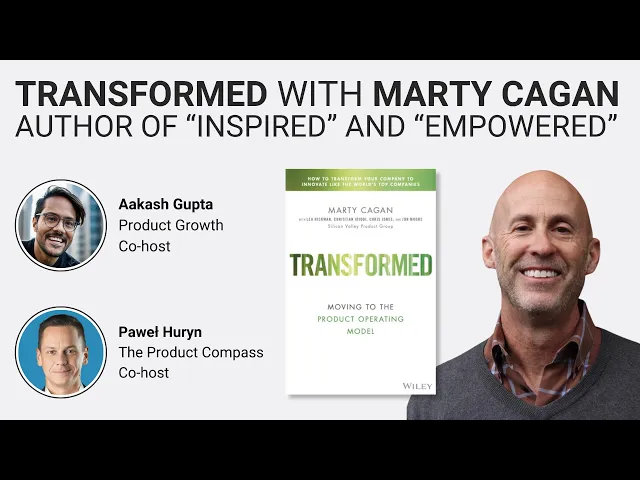
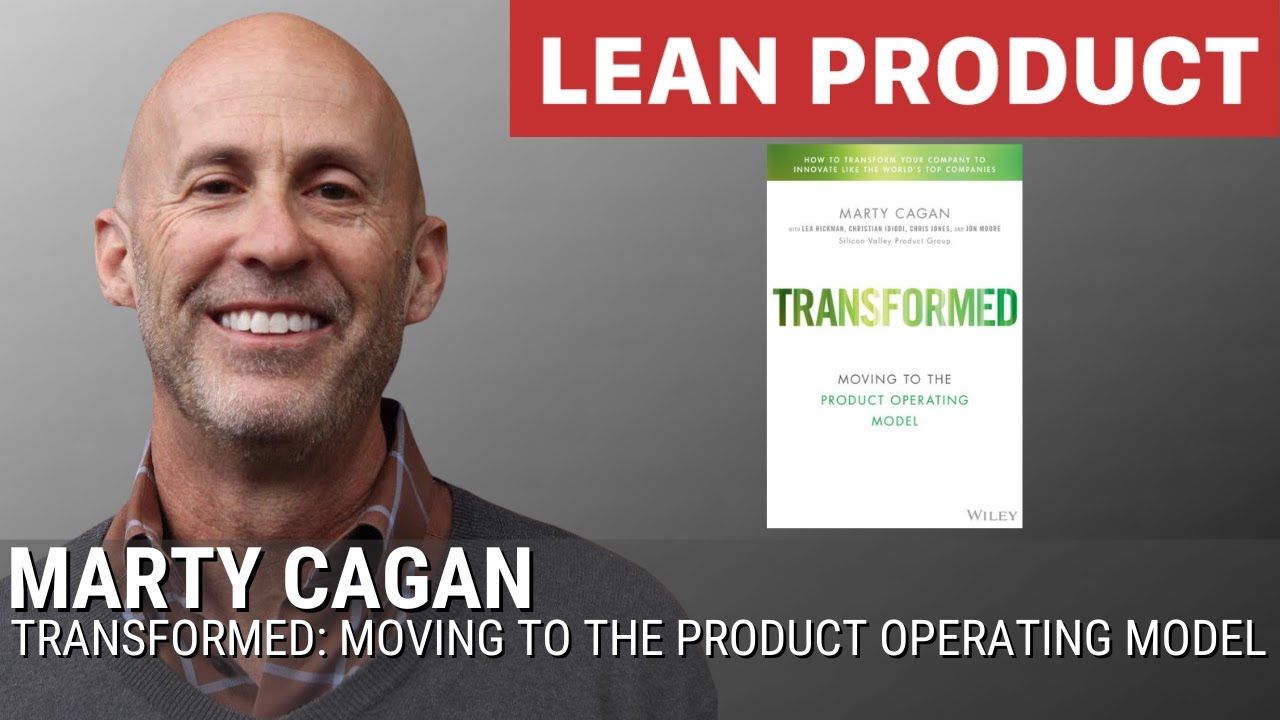
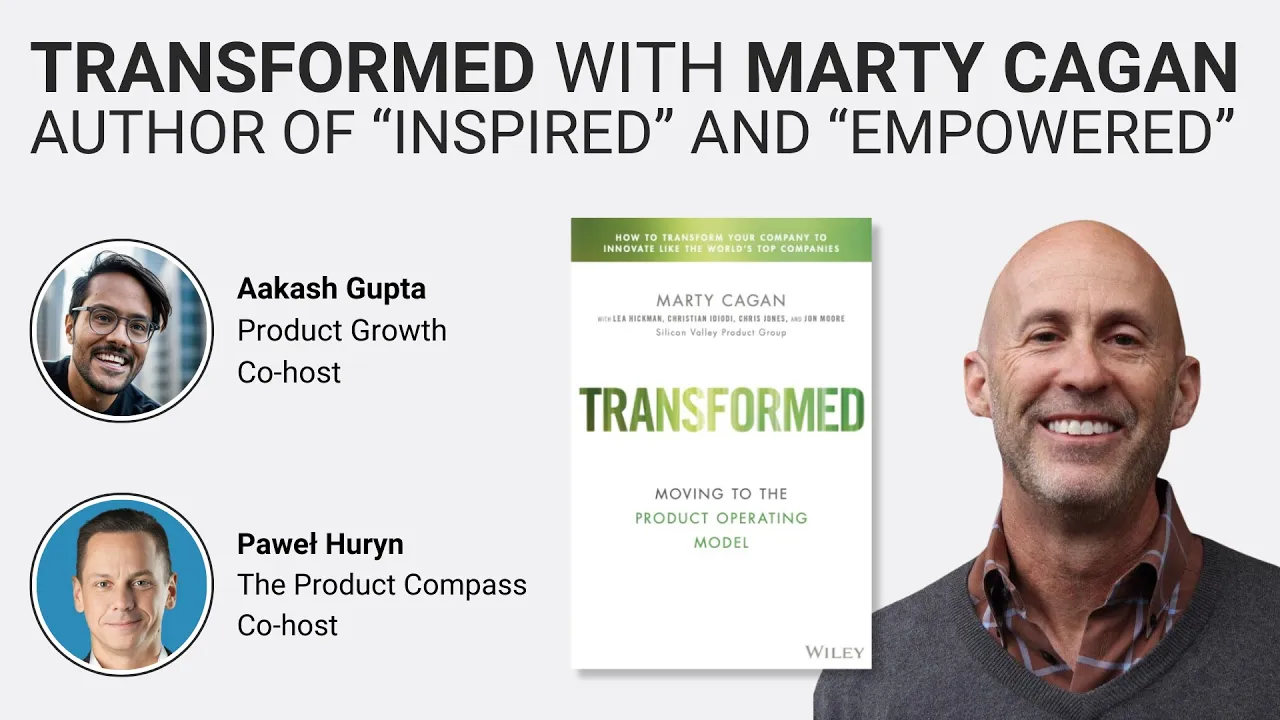
If a company no matter where they are in the world says no we know that we have to do better than we do today then the question becomes all right there are lots of different ways of Building Products thousands of ways of Building Products what's the way that the best companies most consistently use hi pav hin here in this interview Akas Gupta and I interview Marty Kagan a legendary product leader founder of Silicon Valley product group and author of inspired and empowered in his new book transformed Mart explains how to transition to the product operating
model the model in which the best product organizations work we hope you will enjoy the interview as much as we did let's get into it right now all right this is super exciting everybody here with pavell and Marty Kagan um um We were just discussing off air that uh when I started product management in 2008 I purchased the first edition of inspired and I actually have now two copies of inspired because this is the second edition so um Marty has played a very formative role in my product career and I'm curious uh pble I'm sure
has a very similar story that's the first edition yeah yeah I have a very similar story because after read inspired I got interested in Produ management uh seriously and I started reading more and writing the content so this was transformative for me yeah I think every product manager probably has a similar tale so thank you for what you've done for the product career oh well yeah I mean I remember when I started um I mean I started product a long time ago it literally in the 1980s so it's a long time ago but there wasn't
really any books I mean good or bad there Wasn't really any books there were some books from the old what we call product marketing but there wasn't on product management and I remember the person who was coaching me saying you know there's no books on this it's the tech industry is not that big there aren't that many of us that do this the main way you learn it is from other people that have done it learned it before and so I um and I realized of course after I left the bubble of Silicon Valley and
kind of Went to more companies around the industry and around the world that there was so few resources for people who wanted to learn product um and of course today is very different today there are so many resources but today we kind of have a different problem um because there are many different views on on how to do product and so um it's hard to uh it's hard to get heard above the noise Yeah absolutely there's so many different viewpoints and actually that was probably our first question is given how many different um perspectives people
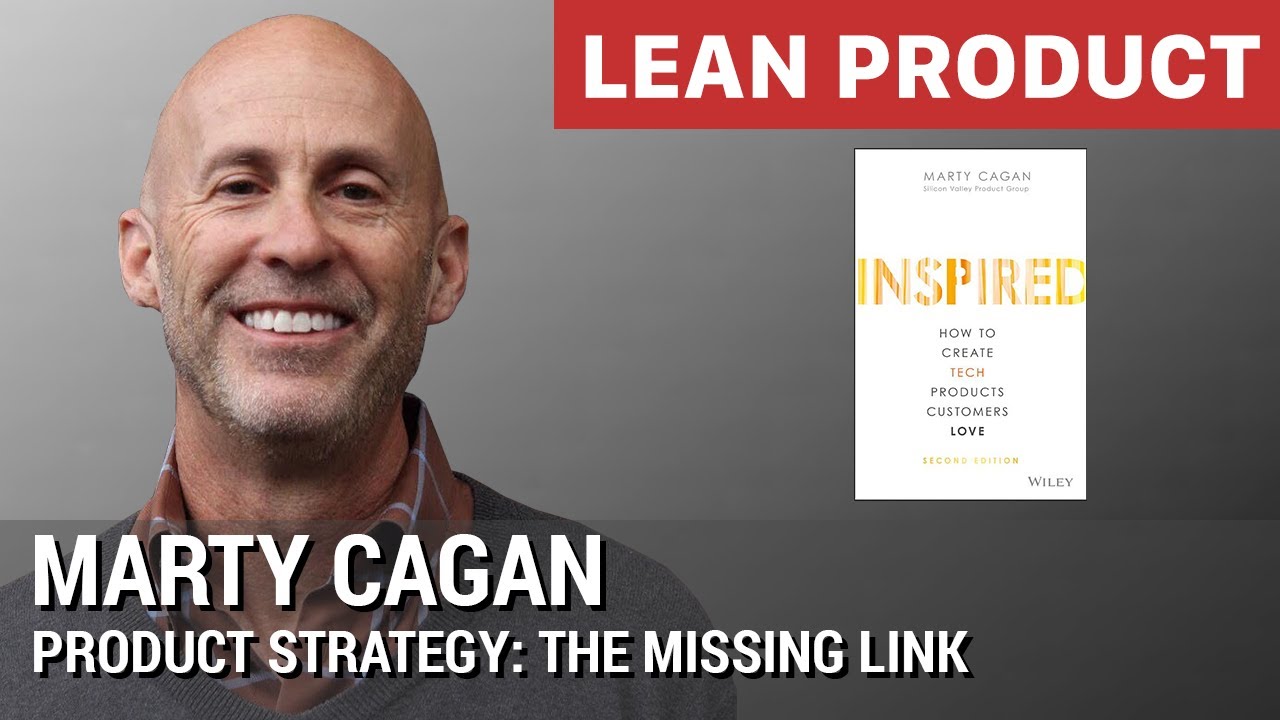
are hearing why do they need to check out your latest book like why this new book why do you think it's needed as another perspective out there in terms of how to build product well just to be clear this new book it's called transformed to move Into the product operating model um this book is different than the other books the other books well as you know inspired is all about product managers and product teams and how they create products it's really a book on product Discovery um and then uh the in fact when that book
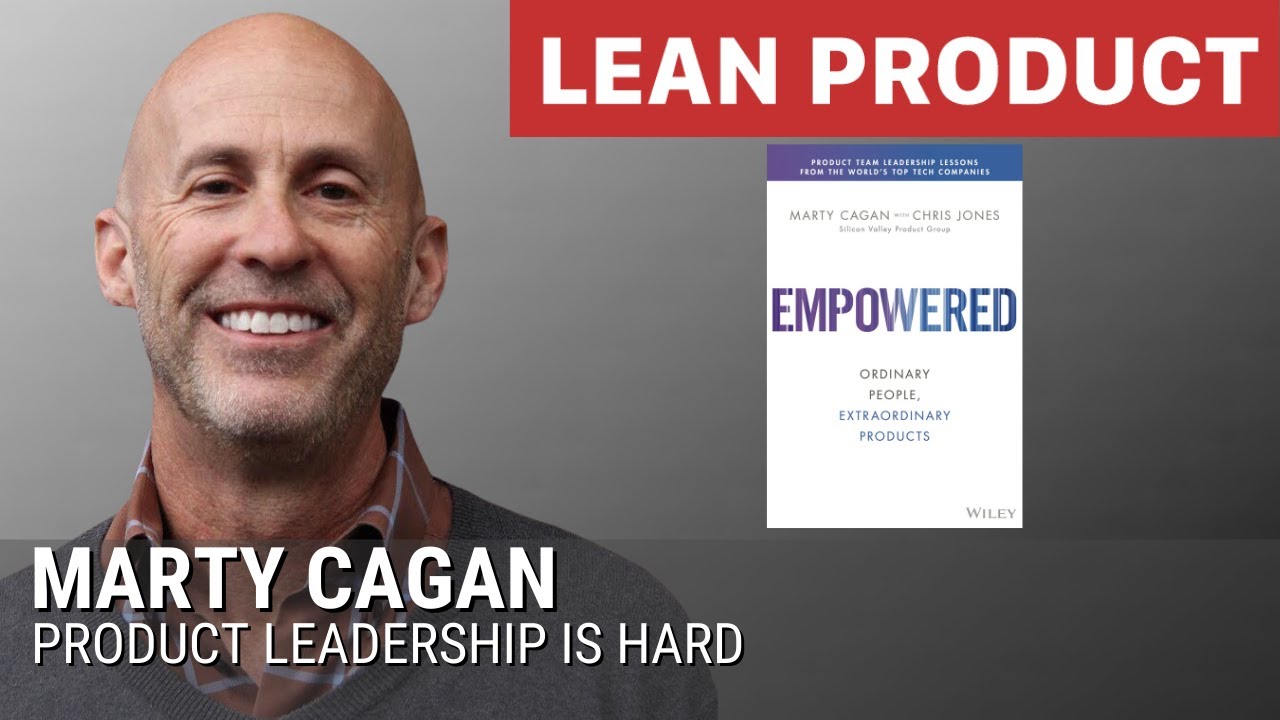
you know came out a couple additions uh and the most common request we would get at the time was you know the managers don't understand the leaders don't understand So can you share the same kinds of principles and practices for the leaders and that was the motivation for empowered but even once uh empowered was out the single most common question we would get and this is a question from all over the world uh even some teams in San Francisco they would say okay what you've described and inspired and empowered is how we know we need
to work they would say that but then they would say but our company is so far away from This it is like night and day different and this is the big shocker to me is literally you can be in downtown San Francisco and two companies are across the street from each other and one is doing products like you know Amazon and the other one is doing products like a bank and they're literally right across the street I think that's like crazy and of course the further you get around the world you see this distribution this
difference between between how the best Companies work and the rest so transform was written to try to answer the question how in the world do we move from working like a bank to working like a good product company and so it's different it's not about like here's how you do good product it's about how do you change your organization to be able to do good product which of course is the transformation question but the big thing underly your question though is Is why should a company change even you know do they want to change one
of the things I don't try to fight is some companies don't want to change they they especially you know I'm teasing Banks but Banks make so much money most of them don't want to change the same is true with Telos they make so much money now both Banks and Telos are often in protected Industries so they can you know who am I to say you know you really should change I do Believe they should change because they can better take care of their customers but if their CEO doesn't want to change mostly because they're making
so much money then okay do what they want to do but for companies that do believe they need to they need to get good at product and to me that's uh most of the world and by the way even Banks now thanks to our friends at stripe stripe is finally scaring Banks so that's why I love stripe so much they are not only Doing a good job for their customers but I think they're doing a good job for the world's customers so anyway if a company no matter where they are in the world says no
we know that we have to do better than we do today then the question becomes all right there are lots of different ways of Building Products thousands of ways of Building Products what's the way that the best companies most Consistently use and that's really why um that's why I started doing what I do is to share what I see in the best companies you know I point this out with every book it's in the new book as well that nothing in the book was invented by us nothing all we do is we share what we
see working well in the best company and uh we'll we'll try to explain to companies why we think that's a good thing to do and how you would try it out now it is true that after doing this for Uh I've now done it for 20 years sharing these practices so after 20 years you see a lot of patterns and you start to see what's really common because if you talk to any company like if you talk to Apple they'll say apple is special and this is why they do their m magic way if you
talk to Amazon they say the same thing Spotify same thing it's not true with any of them if you look at really how all of those good companies work there's Much more in common than different in fact mostly what they do different is more a function of the personalities of their Founders and so if you peel away that yeah I mean at Amazon they call it working backwards for us we call it you know starting with the it's the same concept and it's a critical concept and you find that in different companies with different names
but I feel like what what we can do and I'm really Speaking for myself and just Silicon Valley product group we're only five people we're just a small little group is we can we do get to work with a lot of these good companies so we can share what we think is important so uh in fact we shared an article recently called the product model at Spotify because cuz as you know most people thought they knew the Spotify model and it was a bunch of nonsense uh they were just you know no Idea what they
were they were hearing a bunch of agile coaches interpretations of what Spotify was doing but of course an experienced product person looks at Spotify and says that's none of that is relevant that's just their Swedish words for what we good companies know they need to do and in fact Spotify I would argue is an excellent example of a strong Product Company and that's the sing s Le biggest reason they still exist even though they're competing Against the best companies in the world at product they still are holding their own they're doing wonderful I mean there's
no they have no right to even still be running as a company with they're competing against apple and Amazon and Google but they do and the same is true you know I'm actually in the middle of writing an article right now about the product model at Amazon Amazon is probably the most consistently Innovative company in the world and has Probably had the biggest impact on this idea of a product model but that's what I was getting at is that you start to see patterns and we we realized we needed a name for those patterns because
for many years if you look at my writing I would just say well there's how the best work and how the rest work that which is not very precise right just say work like the best so we for this new book we said we if you're going to help a company Transform you need to talk about where you're going to transform to what does that really mean you can't just say like the best you have to Define that and that's where we uh adopted the term product operating model from some of the companies that uh
we work with and we thought that was good because it's a model it's not a process it's just a conceptual model and it's what that really means is there's a set of principles and if the company does those Principles well they seem to do well consistently in product so that's really what the book is about it really shares those principles and then it shares examples of companies that transformed how they transformed and why they transformed and what they were able to do after they transformed would it be possible Mar to just briefly describe those principles
those patterns that you discovered in in the best companies and is a short Interview so of course we cannot go in deep into into the everything that we can find in the book but maybe some key Dimensions key elements yeah absolutely well stop me if I get too detailed you could feel free to stop me at any time but we kind of Define this starting at the highest level starting at the highest level the very highest level it's really about all about moving from output to outcomes so if you had to say in one one
phrase what it's about it's About changing to delivering outcomes which as everybody knows who has even ever tried that is very hard uh outcomes is hard output is easy so at the highest level it's about out but what is that really mean because that's that's just a phrase that doesn't really mean much so if you double click on that there are three dimensions that we see in every good product company and it it talks about when you transform three dimensions the First Dimension is Changing how you decide what problems you need to solve in other
words making your decisions on strategy what is most important work to do the way the best companies do that is very different than how most companies do with their big annual road maps and planning meetings and stuff like that so the first topic is changing how you decide which problems are important to solve that's really product strategy the second dimension is changing how you solve Those problems in other words the old you know one way which is what's used still in most of the world is the stakeholders Define a bunch of features and projects that
they prioritize onto road maps and the team just knocks them out one after another that's a feature team and in good companies they don't work that way those teams are given good problems to solve and then they're empowered to come up with a solution that delivers the outcome that you need So and that's product Discovery so the second big Dimension is product Discovery really changing how you solve problems and the third big Dimension and I would argue all three of these are interrelated but the third big Dimension is changing how you build test and deploy
your products and this is um uh if you want to prove outcomes you need to make sure you have the data which means you have to have everything instrumented you have To have everything monitored it means if you especially if you want to take care of your customers and not hurt your customers then uh which sounds obvious but this is the difference between being agile and doing agile right so if you're being agile you are actually releasing continuously now as you both know you don't have to be following any AD method to do that all
you have to do is truly be agile you have to con you know small Frequent uncoupled releases for by each team so that often means uh changing how you build um that 20 years ago that's why companies moved to Agile today of course you probably know a lot of the agile movement has been sort of taken over by what I would call fake agile or agile theater and so if if the first thing they tell me is they release every quarter I'm like don't bother me you're not agile in any sense at all so if
you want to take Care of your customers you're going to have to change I've been struggling with this a lot because I started my journey with scrum and later I discovered that scram doesn't mention how you select what to build so there is no Discovery yeah that it's it's people try to think you know they think of it as a much different thing they don't really know how to think of it but it's really just a delivery process and it's fine there's nothing wrong with if they do real scrub You know releasing say at least
once every two weeks I'm usually okay that's okay that's not anything to brag about that's not very impressive today the best practice is continuous deployment so it's not there obviously but it's a whole lot better than releasing once a quarter or even once a month so okay you can be okay that way all right so back to Pav's question these are the three dimensions changing how you decide which problems to solve changing how you solve Those problems and changing how you deploy your Solutions that's uh at again at a high level in order to do
those things consistently we argue there are four new competencies that you need in your organization and there are five new product Concepts you need in your organization and these are tricky because you probably already use these words but they don't mean the same thing so for example this is where if I get Too detailed and I haven't even reached the level of the principles yet pav there are 20 principles that we outline in the book but I will get to your your direct answer in a minute but in terms of the competencies the first one
is real product management you know and most companies don't have that they have product owner ERS or they have feature team project manager types they don't have real Product managers but if you're going to have empowered product teams that are responsible for achieving outcomes I can promise you your very few designers can cover that outcome responsibility very few Engineers can cover that they cover other responsibilities that are critical but that leaves a big hole if you don't have it filled on the team for somebody that can take responsibility for the value and the viability of
the solution so you need real product managers you Also need real designers product designers not just graphic designers real product designers and of course you need real engineering tech leads these are Engineers that car just as much about what you build as how you build and then hardest of all for most companies is that they need real product leaders and most of them don't have that they have managers that manage you know people with these titles but they don't have people that have ever done this job In a product model company so they have a
big hole in product leadership and product leadership is really two things they're the ones responsible for coaching and developing the people and they're the ones responsible for providing the Strategic context which is how teams make good decisions so the product Vision the product strategy the team topology the objectives for each team in other words what is the work the team needs to do Which problems do they need to solve that comes from the Strategic context so the product leaders have a very big role to play so those are the four new product competencies and and
I will tell you this is where most transformation efforts fall down is because the company thinks they have these people but they don't oh can those companies transform at all absolutely yeah I mean that's what absolutely they can but that does mean They have to introduce these competencies and yes that's hard I mean that is hard but I one of the things I knew we had to do in this book was to provide many examples of companies that have successfully transformed and it was also clear that none of those examples should be Silicon Valley companies
because the Silicon Valley companies have the advantage of being born in this model they started in this model it's much harder to be a company Say based in London or based in anywhere that has never worked this way before to change and so all the examples uh in the book there are 11 if I remember right 11 case studies they all were from companies all all everywhere else in the world uh including places like Brazil Saudi Arabia uh and of course uh England and several other places okay so those are the four competencies I warned
you to stop me if This gets too much um there are five critical Concepts that make up the product model uh starting with some of the ones we've talked about already you need this concept of product strategy it is a thing that is uh that spans the product teams it's another common misconception they think product teams are supposed to have their own product strategies and product Visions but they just have never worked in a product company I think the people that say that Okay so uh product strategies critical the concept of a product team across
you know what Spotify calls a squad but a cross functional truly cross functional empowered product team that is uh has the skills in order to come up with effective solutions that are valuable usable feasible viable that's why teams are really the center of all this and then of course what do the teams do they do product Discovery and product delivery so they need those Concepts as Well and the final concept really underlies all of these which we refer to is product culture which are things that span all of them and they're things like um what
is the role of experimentation what is the role of innovation what is the role of predictability these are critical cultural aspects okay so those are the five product Concepts and then underlying all this is a set of by our Enumeration 20 product principles and that's what Pavo started with but but in order to get to those principles I kind of needed to work my way down that stack but the principles are thing like paa was asking for some examples of principles well one is for example that you're going to tackle all the risks up front
if you don't tackle all the risks up front you're going to spend all this time and money building in the stuff that doesn't work so you have to make Sure you tackle those risks another one is that you have to embrace the concept of experiments if you don't run experiments you're never going to be able to do the things you need to do you'll be a very risk averse company those are examples another one is what I was referring to before with deployment if you don't have that principle of small frequent reliable uncoupled releases you
won't be able to get these things live Measure the results iterate like you need to you also won't be able to prove outcome like you need to so those are just a handful but there are quite a few principles and it's the principles I think that are most important because there's as everybody knows there's a lot of different cultures out there there's a lot of different kinds of products if you're building an i iPhone it's a different thing than if you're building say you know Amazon Prime is's a very Different kind of product one's a
loyalty product one's a device but those principles you'll find in each of those at all of those I should say and that's why I think the principles are the most important and I've always been much more interested in the principles than any process or any framework or any tool that might sometimes help you get there sorry for that very long answer to that question I want to double click um right Before we got to the principles I think you emphasize like the five key requirements and all of those were related to the team so I
actually want to double click on some of the frictions I've encountered in teams that I've LED or teams I've been a part of and curious how you try to uh tackle those so I think the most common frictions I see are with PMS and Engineering managers OR tech leads and PMs and designers so with designers I think that one of the things That was crazy was you know when Brian chesky said he eliminated of course we all know he didn't eliminate the product management function designers were so happy and I find this universally is that
designers carry a little bit of resentment almost towards their product manager kind of taking some decisions so I'm curious about that component and then with the engineering manager it's a little bit different it's where they're often tasked with the how to build Something sometimes they're often tasked with the when like give me this estimate of when we can also deliver it and then they're wondering like how do I have more of a say in the why or what and so I'm curious for both of those tensions how um teams can work to overcome them well
the most important thing to realize is that by the way I see those tensions all the time but not in real product teams I see them in feature teams in fact they are clear symptoms of feature Teams now why it's worth really double clicking on that why is that because in a feature team the product manager is not doing what I've described before they what what does that mean to even do that they're already handed a road map of output they have to deliver so in a feature team you have this person with a title
product manager product owner whatever they're called yet they're not doing the job we talked about what they're really doing And I believe they're dramatically overpaid for this but they're what they're really doing is project management and that's why you see in these companies that people bend over backwards in order to try to defend the job they're saying like well our job is to explain the why or our job is to heard the cats or our job is to communicate and like the designers are listening to this and go seriously that's your job I could do
that job with A little bit more of what I already do or the engineers are looking at and saying I could do that job with a little more than what I already do you're not adding value they're not that's the truth they're not really adding value they're certainly not adding enough value to justify their existence if the company is in trouble and as you know a lot of companies today are in trouble and they Are worried about costs and that is a tough job to defend and I keep trying to warn people like if that's
your job if you're on a feature team you are vulnerable a lot of roles are vulnerable but that one is got a huge Target on its back and so but you have to realize that that's just a symptom of lack of Ro Clarity because really what is it that they're doing I always tell anybody that tells me oh the job is the why I'm like That's 10 minutes a week 10 minutes a week what are you doing the rest of the time how hard is it to rearticulate the why it comes from the product strategy
anyway so what are you you're just really reiterating that to the team and that's your job or you know hurting the cats okay well the truth is we've got a lot of project managers that are already in the engineering organization they're probably doing most of that anyway so it's uh you're you're seeing a Symptom of being in a different kind of team from what I'm talking about and I I see those symptoms all the time it's a very strong clue about how they're really working but if you talk to a product team a real product
team at a good product company the designers are not saying oh well the job is a noise job the designers are like I'm glad we have this person because I don't I wouldn't want to be doing that job that is a hard job Because fundamentally the product manager they're responsible for the value and the viability and that's they take ownership of the outcome the designer is responsible of course for the usability that's obvious but they also more generally take responsibility for the customer experience which is a huge responsibility and the engineers of course are respons
responsible for the technical feasibility but more generally they take responsibility for the Delivery of the product so we've got a very busy team the designers have no time to play product manager and the product manager has no time to play designer and so uh you you don't see that muddy role that you see in feature teams but I tell companies you know if you're going to do the feature team model you really don't need the product manager you need good designers and you need good engineers and I would rather change trade that product manager head
For another designer and if you are that product manager that's kind of in that position or even product leader I would say even when I was a VP of product management and I was in some of these types of positions can you realistically Drive the transformation or is it really like try to incept your leaders to buy it more into this type of thinking more like how do we approach it as middle of the organization product folks who might Be in that situation I think that's one of my favorite question and topics uh now but
the answer is going to be different on whether you're an individual contributor or a leader because you described you know both scenarios there um as a as a as a leader you actually have a lot of ability to influence change here as an individual contributor the main thing I I'd say is you have a lot more ability than you probably Realize uh one of the things I've been talking about a lot lately is uh agency sense of agency not enough people realize how much they can impact how their companies work because you know nothing's worse
and I feel so sorry for those people that feel like a victim they feel like you know they can't do anything because their company sucks and their leaders suck and they can't they just can't do anything but really there's a lot they can do and I like Them to take more ownership of what they can do at a minimum I promise it will help their career at a minimum in a maximum it might actually change the course of their company so there's a lot there are factors outside of their control but let's let's so let's
answer that first for the individual contributor so one of the most common questions I get is uh uh product manager will say okay now I I totally understand My situation I'm a feature team product manager and that's why I'm so unhappy and so their question usually is do I have to change companies if I want to have a real job you know be a real product manager and you know I tell them honestly sometimes but not usually usually um you can significantly incre improve your role at your company but it does take you taking some
initiative to raise your skills so for example the classic Especially in Europe is to go from a product owner which as you probably know has had almost no trading in product but they do know one or more delivery processes like scrum or Coman so they're they're raising their skills from a role on a process to a real job now that means they they do some work like you both have done like I did which is we go learn what a product manager really is and what does that mean we have to go talk to a
lot of customers I remember The person who was coaching me wouldn't as a new product manager would not let me make a single decision until I visited in person 30 customers 15 in the US 15 in Europe and and it was the best thing I ever did and uh and that that was not the end of my customer visits that was my start of my customer visits but when you you can't do the job of product manager if you don't deeply engage with your users and customers another big thing that I didn't I just I
Was an engineer that moved into products so I had some skills but not many um so for example I knew nothing about the go to market I knew nothing about the marketing the sales the service how our products actually made it into the hands of customers I knew nothing about the financial analytics the cost structure or the monetization and all that I had to learn I was able to learn that in all all of it in less than three months most people Can but it does take a willingness and I remember the person who was
coaching me the first question he asked me was are you willing to put in the effort to do what I tell you you need to do cuz if I had said no he was going to say well I'm not interested cuz he wasn't getting any extra money to coach me it was just part of his he was doing it as a good citizen as a leader in the company and um and I said absolutely I wanted to genuinely wanted to learn this I'm like you tell Me what I need to learn I will I will
do everything I can to learn it it doesn't take that long that's the ironic part it really doesn't If you're sort of pointed in the right direction now I was super lucky to have somebody who was amazing at product coach me on this but today there's a lot more now this is separate from the issue of the noise we were talking about before because unfortunately the vast majority of resources I see out there and you know I'm not including you two in this that's why we're doing this call but the vast majority of the resources
are just trying to help people become a better feature team product manager which is not useful so what I want to help them do is become a real product manager defining Real is how the best companies actually do this and that means they have to do some work they have to learn the customers they have to learn the data They have to learn the business Dimensions they have to learn the industry but you can all do that and what I tell individuals is once you've done that at a minimum your comp your leaders your manager
will recognize that all of a sudden you know a lot more than you did before and by the way what the things you know are incredibly helpful I've seen people get promoted just from that and then of course now they're in a product leader position where they can Now influence more than just this but to your original question what can an individual do they can raise their skills the next thing they can do is try to win the hearts and minds of their own team so that means going to your designer going to your engineers
and helping them uh see the advantage of working this way now most designers and engineers in my experience are not the problem they were trained to work this way they're they're frustrated they Haven't been able to but one way or another you need to get get on the same page with your team so as an individual you can do yourself and you can do your team and then you can start showing your company what you're capable of now you have to do that in a responsible way so you don't just ignore the road map it's
just that you start doing a lot better job delivering what's on that roadmap so um once you that's that's what I recommend for the individual Product leader of course has a much bigger span of impact there they now can raise the skills of their the their first responsibility if you're a product leader is to raise the skills of your product managers in fact I tell product leaders that they will be judged by their weakest product managers so they need to take that personally and that needs to be their job their responsibility now the biggest Issue
most of them have is they don't they never work this way so they don't really they they know they need to get good at this but they don't know how that is literally why I wrote the book empowered was to share the biggest section and empowered is on coaching and it tries to share this so I I usually encourage those people just take one chapter a week do one-on ones with your people raise their skills and you're raising your own skills at the same time The other thing that can help is an experienced product leadership
coach you may know that over the last couple years uh my partners and and I have been uh reaching out to meet a lot more product coaches out there because we get asked to introduce and refer product coaches almost every day and we had a few that we've known for a long time Teresa Torres is wonderful Jeff Patton is wonderful we've been recommending them for many many years But we overwhelmed them a long time ago and so we needed a bigger Network today we have a network of about 50 product coaches around the world that
we think are good we don't have any money relationship with any of them we don't want any money relationship we just want to know which ones are good when I say good I'm talking about the people that I know have been there done that at a good product company and can genuinely help another company get there and today There are good coaches in most parts of the world I'm hoping to see that really grow and be more uh more like that um because if you're a product leader that's got this responsibility but you've never done
it before then a product leadership coach is probably your best bet for quickly coming up to speed does that make sense I love the point about uh taking the initiative as an individual because the at the end of the day I think this is what leadership Is about that you don't not necessarily need to influence other with having formal Authority and if you can do that just by um acquiring new skills and uh winning the minds and hearts of of people around that's even better yes perfect I like the concept you kind of talked about
which is basically like your inside world and your outside world and like as the VP of product I think you can be a little bit of a umbrella there's still Infinite companywide planning processes okr processes but you don't necessarily need to subject your company to those waterfall processes you can actually fill out all those forms for them and you can tell them hey you go be empowered you go do continuous Discovery and so I think just identifying kind of your sphere of influence the areas where you are able to make decisions and then the areas
that you're able to cover them is a really effective way as you move up The ladder you know it's I don't mean to make this sound easier than it is because the product leaders especially the within the product organization in my experience it's not that hard I mean if you do your job most of the people want to work the way we're talking about there's some but most don't most are very enthusiastic about this change the bigger issue is the rest of the company and you know the rest of the Company has never worked this
way before they don't really understand they're they're worried about losing control they're worried about losing you know what happens if I'm still accountable to the numbers but I don't have this in you know this same influence I had before so the real Nuance comes to these product leaders to win over the hearts and minds of the rest of the company especially the key stakehold ERS and the key Executives and that takes building trust And sort of being very smart about picking your battles um what you know you can go in and say we're not going
to do any of this stuff anymore and if you don't like it tough luck that doesn't go over well in most companies uh especially if the CEO is also nervous which most of them are so what we want to do is work a lot more you know gently with those leaders to understand like look are you all so frustrated that you Keep funding all these features and they're not generating the results you want so am I how about we do some experiments together to see if we can't do this better for you literally for you
and they you know not many of them are going to most of them are going to be pretty excited about that possibility because this is a very different framing in fact that's why we chose the term product operating model as you know most a lot of people like product-led company And product driven company but you know when you talk about the to these stakeholders they do not like those terms and it's not hard to understand why yeah I think that labeling it and being having a the truly um influential product leader that's kind of the
real Rarity amongst those five requirements you mentioned that a lot of these companies are struggling with if that product leader hasn't lived it then they can't influence it it's a very tough Process for some teams well in fact I would argue that the real key to successful transformation there's a lot of things that have to go right a lot of things that are hard but the real key are those product leaders especially the head of product and the head of engineering if those two leaders do what they need to do the company has a real
solid chance it's succeeding On this but if they don't it's almost impossible yeah could we maybe go into a specific example or a case study where you worked with um maybe like a head of product and head of engineering and how did they how did they approach it how long did it take them and how did they um did they I've heard you talk about in previous interviews like finding like maybe like a set of teams even where they um pilot it in is that like the approach you recommend or how do they go About
that one to twoe strategy of transforming their company yeah and pilot teams are one of our core techniques that everybody you know it's a smart idea instead of rolling it out to a whole company you know it's just like an AB test but on the organization instead of on your product uh right you you're taking a small group you letting them run this and even if everything goes perfect and it never does but if even if Everything went perfect the rest Of the company is able to observe and you know how people are some people
hate chain some people need time for change this is uh pilot teams really help companies uh get through that but to your question so um in in one of my favorite examples in the book is uh the company in based in London called train line train line uh if you ride the trains and fact a little know fact Monday through Friday train Line's app is higher rated than Uber that's how Popular it is and train line a few years ago was was nothing it was it sold some tickets although they didn't even have a mobile
app it was all well you'd have to go to a laptop or something and and buy a ticket but it was nothing in the industry and uh one of the big private Equity firms decided that that's crazy that should be an amazing Tech powered company and so they bought the company and the first thing they did this is normal when when it's a private Equity Firm is they brought in a CEO that knew what she was doing they brought in a woman named CLA Gil Martin she had come from eBay and they said look you
turn this around uh set it up like you would set up a product company and uh the first thing she did was she brought in a head of product and the head of engineering now I realize in that case they had almost nothing it was all outsourced it was all obsolete Tech stack it was very small number of Developers and like I said most of them weren't even employees they were remote it was um you know not what we're talking about so she brought in the two leaders and the three of them got to work
now it normally takes somewhere between one and three years to transform depending on the size of the organization this was like a mid midsize company it was a real Enterprise it had been around several years but it was you know it was not designed around uh the Principles we're talking about so these leaders had to introduce those principles they started by looking at the staff they had and uh seeing which ones wanted to learn how to work this way um and there was uh a few Engineers that were on staff and wanted to that was
fine there were but they had to do a lot of hiring and then same with product there were more that Jonathan that head of product was a guy named Jonathan Moore who's uh I've known for many years He is um in fact he's now a partner at svpg uh Jonathan but um Jonathan had led the transformation at the guardian many of you know the guardian he I first met him as a brand new product manager at the BBC where he was responsible for one of the most famous properties today BBC News so um it's uh
Jonathan and uh his head of engineering they got to work putting these things in place you heard me say that the two big responsibilities of these product Leaders are developing their people hiring coaching and then developing the Strategic context in this case the product Vision the product strategy the team topology the architecture and they got to work and they uh after about three years they became the UK's biggest IPO to date at as of that date uh that's why you transform and by the way they went from nothing to literally one of the country now
they're all over northern Europe too it's not Just UK but um to one of the favorite apps you talk to people in London ask them for their top three favorite apps it's usually includes train line I have a related question as Marth you mentioned that uh uh the CEO brought the head of product so is it possible to coach a product leader that doesn't have a product experience as a individual contributor yeah no that's a fair question because one answer is like like Claire did just go recruit somebody Strong and let them do it again
that's one answer the other answer is if your company has leaders that they think are good in fact another story we told in the book is a company called CarMax uh and CarMax is uh the biggest used car sales company in the US they're based in the other side of the US on the east coast and not a Technology Center and they're a car sales company they're not they weren't born a tech company in any way but they had strong people that They believed could be coached and that's exactly what they did in fact I
was one of those people helping but they had other people help as well um and these are people that had the right mindset and the right sort of motivation they just didn't have the experience and that's why I was saying that in many cases a product leadership coach is very much what you need by the way there are also CTO coaches that do the same thing for engineering leaders they um that's What they do they are you know somebody who may have been an IT manager but now wants to become a technology you know head
of engineering and so those are different skills and so they learn that that's the main those are the two main ways I know you either bring in people that have the experience or you you have a leadership coach that helps them learn the experience on the job how have people messed up hiring a coach in your example like what what's The anti pattern what should they avoid well by far and I am worried about this I'm always worried about this the by far the biggest problem is that they hire a coach because the person says
they're a coach but they don't actually have the experience they've never actually done product uh at a serious company the biggest example of this I know the single biggest example and I this is very frustrating is the vast majority of people teaching cspo and in Psbo classes in other words teaching product owners have never done product they are just agile coaches that have been trained in a method like scrum or worse and uh they think they can train these people and what they're really teaching them is like okay you have to use jira to prioritize
a backl that's not product that's Administration that's why they're called you know these are backlog administrators so what we need are People who actually know product to teach product to coach product and so I you know you there's no way in a in a relatively free market world there's no way to to for anybody I think to stop someone from saying I'm a product coach uh to me the only thing we can do is try to educate the consumers educate the the people at a company that is hiring these coaches and try to help them
understand what to look for so I did something unusual in the new book Transformed I was so worried about this I am so worried about this because if if what does it mean to be an agile coach today almost nothing if that same thing happens to product coach we lose so I was so worried about that I decided to profile seven real product coaches in the book and I do this because I want people who want to transform to be able to get a really good idea of what good looks like and every one of
them has serious Experience doing product at a good product company and they care about coaching one of the problems we have in Europe there is this whole uh there is a big you know there's a big movement around coaching but for for that movement coaching is a different thing it's uh it's some and and don't get me wrong it's good but it's not the kind of coaching that these people need if if they they talk about you know sort of career coaching life coaching That's nice but that's not what this is about I have never
met a coach like that that could actually help you do a good product strategy sorry they can say all the nice things to you and they can make you feel good but that doesn't help you do a product strategy so um there are some softer skills that those people could probably help you with indirectly but I would much rather have a proven leader that is already worked With these kinds of stakeholders and can help you tangibly to do this so this isn't an especially sensitive topic in Europe because there they have a very different definition
of coaching and I don't know what to do about that you know in the US we have a very strong institution about coaching the famous book trillion dooll coach about Bill Campbell and really what differentiates a coach and I think this is the part that surprised me about Europe Europe Loves football as everybody knows and a football coach is not a touchy Fey person a football coach is there to help you be an amazing football team help you develop your skills if you go to a golf coach you're expecting them to have deep knowledge about
the mechanics of golf and could help you with that they're not just about you know helping you have a good attitude or something so anyway we need people that know how to do things like Coach other product managers that know how to do things like a real product vision and a real product strategy that is probably the key to successful Transformations at scale I would love to ask one more question go for I'm fine about the product operating model so Mar you mentioned that um there are 20 principles is that okay correct right in the
book so how should we interpret those principles as best Practices as something that works or Works in most cases can we break some of those principles depending on the situation or all are required to to have a good product Organization no it's a good question it's a hard question um I you know when you look at this the craft of product over the last 10 years 20 years 40 years I don't know how far back you want to look in some ways things have not changed much at all in other ways They've changed dramatically I
would argue that things that have not changed much at all are the principles and I would argue that things that have changed dramatically are the tools and methods of applying those principles dramatically product is so much the tools to do product today are so much better than when I first learned but interestingly the principles have barely Changed my belief is that the principles if they're really true product first principles then they're probably very durable and it's worth pointing out a principle doesn't say how you do it it just says that you need to do this
you need to find a way for example one of those principles I already mentioned was an experimentation culture well as you know the tools and techniques for doing experiments have gone from very primitive to very advanced so but we Still do experiments they were harder before but we still did them but the point is not how to do those experiments I have different advice with every company when I'm working with a device company it's very different on how to do an experiment than when I'm working with a pure software company but they still need to
do experiments in fact the the counterintuitive thing is a device company has to do more of them because the the the downside of messing up with A device is much worse than if we mess up in software so it that's where the differences I think really are now will new principles emerge I don't know probably but I don't think it will over the next couple years I think those principles emerg very slowly um if they're really principles that that they're lasting when I look at the principles in the book it's hard to um I mean
I I'm I Would say they always have existed they more principles speak more to the nature of Technology powerered products and not about the particular Frameworks or process or methods those change constantly and um and to me are much less important yeah thank you uh I can't wait to to read the book and and understand it in detail I agreed yes I can't either I want to be Conscious of your time though so maybe we'll switch to just the simple fun questions I think you did these with Lenny so we've chose different ones this time
of course but um what's the your favorite book that you've read recently well do you mean work related or not work-related that reflects a lot about you what you choose we're curious to see well I I read a lot of work-related books um but I love reading but um I Would say my favorite work-related book recently is build by Tony Fidel I actually have it here um because I really enjoyed that book here it is um so build is talking oh yeah B got it too I hope you liked it to but it's talking it's
describing the product model the difference is he worked in Hardware companies and I mostly worked in software companies uh and I but he has he was in the right place at the right Time he got to work on the original iPod he got to work on the iPhone he got to work he started the company nest and I love device products I really do um I started my career at a hardware company so I love those kinds of products but it was really fun reading his his uh firsters account of this uh and he's you
know came from a designer engineer to a CEO so he's got great perspective I thought that was a very good book and it was interesting because he the subtitle Of the book is an an unorthodox guide to making things worth making but when you read it the reason it's unorthodox is because it's not about any of the modern processes or anything like that it's all about the principles awesome um do you want to do the next one y uh Mar what's your favorite product culture favorite product culture yeah oh that's a hard one um uh
I mean I uh I'm kind of a student Of product culture and I see I've got pretty good at spotting the good and the bad at each culture I'd have to say if I could um the closest to my dream culture is probably Netflix yeah net Netflix sets the empowerment dial even higher than really any other company and they set it even higher than I normally even recommend they sort of set the dial to 12 on a scale of 1 to 10 you know so high but I Also am so impressed with what they've done
over the years um but there are honestly things I love about Apple's culture about Google's culture about strip's culture stripe is maybe that's the best answer I mean you look they kind of created their culture out of the best of several other companies um I don't know I think there's a lot of you know there's some very good cultures out there and there's some uh you know culture is very personal so for example There are some people I tell though you will hate working at Amazon I tell them either you'll quit in the first year
or they'll fire you in the first year because of their culture other people I say you were born to work at Amazon you will absolutely love it there and most of the time I'm right just because I understand Amazon's culture and I understand you know if I know the person but it's so personal right because certain people if I send to Amazon I Know they're going to hate it Amazon X more like a startup than 90% of the startups I know and and a lot of people do not want that other people that's exactly what
they want so it's a tough question because it's so personal totally um good what is the best product you've used recently oh jeez I mean I work with i i get to try a lot of products but of course I try them for a lot of startups And a lot of them have a lot of work to do what would be a great example of a great product I mean there's I uh I love motorcycles I ride motorcycles I own a couple and the state-ofthe-art in motorcycle technology today has never been better and the just
the the full product of what they deliver is pretty outrageously good um I will tell you uh uh I don't know why you just got me thinking about motor Automotive I don't want to buy a Tesla Because of Elon Musk so I bought a rivan which is um which is a very very good product they have done an a very impressive job um there's a lot of overlap with a Tesla the difference is the head of rivan is really a designer a product designer and you can tell that in the product it is a beautifully
designed product uh that works holistically remarkably well amazing we're way over time but last question I guess what is your least Favorite this is the spicy topic so we left it for a last your least favorite product concept that has popped up oh my gosh you know this is this is a sensitive one because there's so many that really uh make me frustrated I think though the thing that bothers me more than anything else is this you know the the prevalent definition of product management because I think not only is it not helpful but I
think it's the root reason so many people in that job are Not happy so that really does bother me and I think what push you know I wrote this article recently that was very controversial called product management theater and what you know I we've seen these issues forever it's not like they were new but what pushed me over the edge was there was this article that made the rounds online by one of the major product certification programs that sort of certify product Managers and they described their job of the product manager they had this big
graphic and they said this is the job of the product manager and I'm looking at it and saying I can't believe they think this I can't believe they say this I can't believe people believe them it's terrible because all it did was describe a project manager pure project management and I'm like all right this is and this is the major group Certifying product bagers okay this is a problem so that probably drives me nuts more than anything 100% it's kind of of an epidemic right now of unhappy product managers as a result of misunderstanding their
job I guess that would be matter where people can find you I don't when can we expect the new book well yes um well I hope this was interesting to people um you can find More of my stuff at svpg silicon valy product group.com the new book is scheduled to come out on March 12th however I was told that in certain countries in Europe Amazon is already shipping them several weeks ahead of schedule so I don't yeah I don't know when it's really hopefully no later than March 12th um and uh it'll be out in
um in Kindle Audible and hard copy and the translations are underway already Amazing amazing well thank you so much for being here yeah that was that was an honor and a pleasure well thanks for inviting me and uh uh yeah I appreciate the uh dialogue and I hope encourage you both to keep doing what you're doing