the pressurization system of the 737 next generation airplane is similar to the pressurization systems of other Boeing airplanes the air conditioning packs supply pressurization for the cabin the pressurization system has an outflow valve on the aft fuselage the system also has two digital cabin pressure controllers in the forward equipment and electronics Orion eBay the pressure controllers use the outflow valve to control the cabin altitude one controller operates the pressurization system and the other controller is a backup the pressurization system also has safety components to keep the cabin pressure in limits there are two safety relief
valves for positive pressure and one negative pressure relief valve if the differential pressure is greater than allowed the safety relief valve opens to decrease the pressure in the cabin the negative pressure relief valve opens when the external pressure is more than the cabin pressure there are no cockpit indications when any of the safety relief valves operate the controls and indicators for the pressurization system are on the forward overhead panel you set the flight altitude of the planned flight with the flight altitude selector on the cabin pressure control panel set a cruise altitude of 39,000 feet
you set the elevation of the destination Airport with the landing altitude selector set a destination elevation of 2700 feet you select the mode of the pressure is a pressurization mode selector the selector has three positions Bato alternate and manual you the outflow valve position indicator shows the position of the outflow valve for all modes of the pressure controllers the toggle switch controls the outflow valve when the pressure controllers are in manual mode the switch is spring-loaded to the center position select Auto now there are two indicators for the pressurization system on the cabin altitude panel
the cabin altitude differential pressure indicator shows the altitude of the cabin and the pressure differential and the cabin rate-of-climb indicator shows the rate of climb of the cabin the altitude horn cutouts which stops the cabin altitude warning horn there are four lighted indicators that show the status of the pressurization system to see how the pressurization system operates during a normal flight you will now plan and complete a flight from home Airport - vacation Airport during the pre-flight you set the flight altitude on the cabin pressure control panel set the planned flight altitude from the dispatch
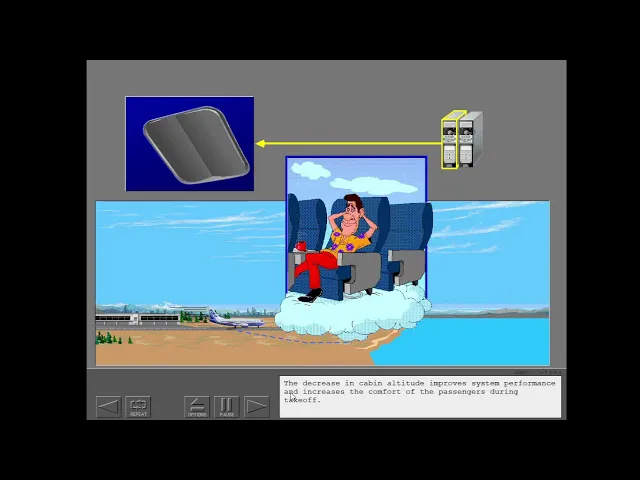
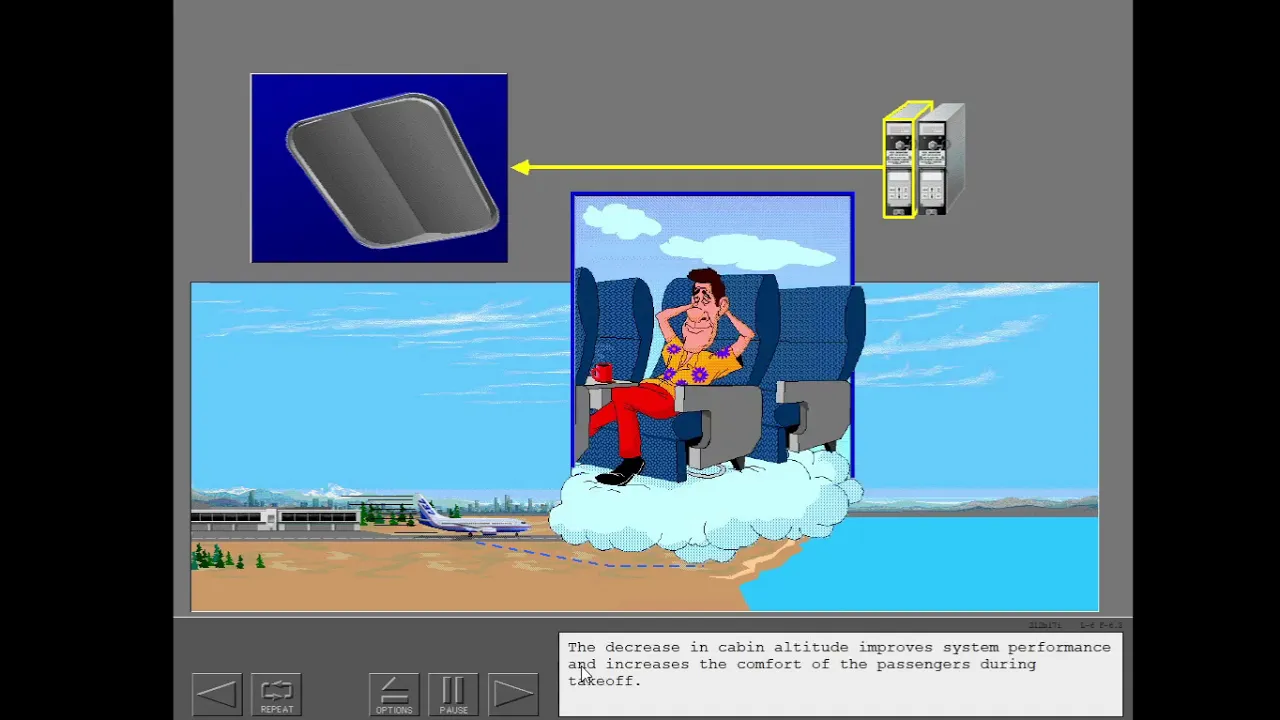
sheet next set the elevation for vacation Airport last make sure the pressurization mode is in Auto and the auto fail light is extinguished the pressurization system is now set for flight you will now see how the pressure controller operates during a normal flight profile while parked on the ground and during taxi with low engine thrust the pressure controller fully opens the outflow valve to depressurize the airplane during the takeoff roll the pressure controller starts to close the outflow valve the cabin pressurizes to an altitude of 200 feet below the airport elevation the decrease in cabin
altitude improves system performance and increases the comfort of the passengers during takeoff you while in flight the pressure controller uses the outflow valve to control the cabin altitude during climb that keeps the cabin altitude proportional to the airplane altitude when the airplane is at the planned cruise altitude the pressure controller starts cruise mode although the airplane altitude may change a small amount the cabin altitude remains constant during cruise but if the differential pressure is at the maximum the cabin altitude changes to keep the differential pressure at the correct limit you when the airplane descends from
cruise altitude the pressure controller commands a proportional cabin altitude descent to 300 feet below the planned landing elevation by landing with the airplane pressurized cabin altitude changes are minimized during approach after landing the outflow valve opens slowly to depressurize the airplane after flight there is no flight crew action for the pressurization system review the pressurization system controls and indicators touch any control or indicator for an explanation touch the green arrow to continue you there are several non normal operations for the pressurization system we start with the off schedule descent the off-schedule descent light illuminates if
the airplane begins to the sand before it reaches the flight altitude set in the controller for example if a flight aboard stirring climb and returns to the take-off Airport the off scheduled descent light illuminates when the airplane starts to descend the pressure controller begins a cabin altitude descent to 300 feet below the departure Airport elevation if you start to climb again the off-schedule descent light extinguishes and the pressurization system continues to operate as usual you if during flight it becomes necessary to divert to an alternate airport you must set the landing altitude to the elevation
of the new airport set the elevation of the alternate airport when you start to descend the pressure controller decreases the cabin altitude to 300 feet below the new landing altitude in proportion to the airplane descent if the pressure control fail lights illuminate to tell you of the failure if the primary pressure controller fails the auto fail and alternate lights illuminate also the master caution light and the air conditioning annunciator light illuminate press the master caution light now to extinguish the warning lights the green alternate light shows that the alternate pressure controller now controls the pressurization
system the auto fail light shows that the primary controller has failed to extinguish the auto fail light select alternate on the mode selector now the alternate pressure controller operates the same as the primary pressure controller if the two pressure controllers fail the auto failed light illuminates and the master caution and airconditioning annunciator lights illuminate press the master caution light to extinguish the warning lights if the two pressure controllers do not operate you must manually control the pressurization system select manual on the mode selector now when you select the manual mode the manual light illuminates to
start use the placard below the pressurization panel define the correct cabin altitude for the current flight altitude if your cruise altitude is 39,000 feet read the correct cabin altitude of 8,000 feet the outflow valve switch controls the outflow valve you toggle the switch until the cabin altitude is at the value you read on the placard in this example the cabin altitude is above the necessary altitude to decrease the cabin altitude toggle the outflow valve to close you since the pressure controllers do not operate you must use the outflow valve switch to manually control the cabin
altitude until landing if the cabin altitude greater than ten thousand feet the cabin altitude warning horn operates to stop the horn press the altitude horn cutouts which although the altitude is still greater than 10,000 feet the horn stops