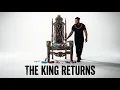
They thought Wrestlemania 40 was the ultimate epilogue. The ring was soaked in confetti. The fans were on their feet.
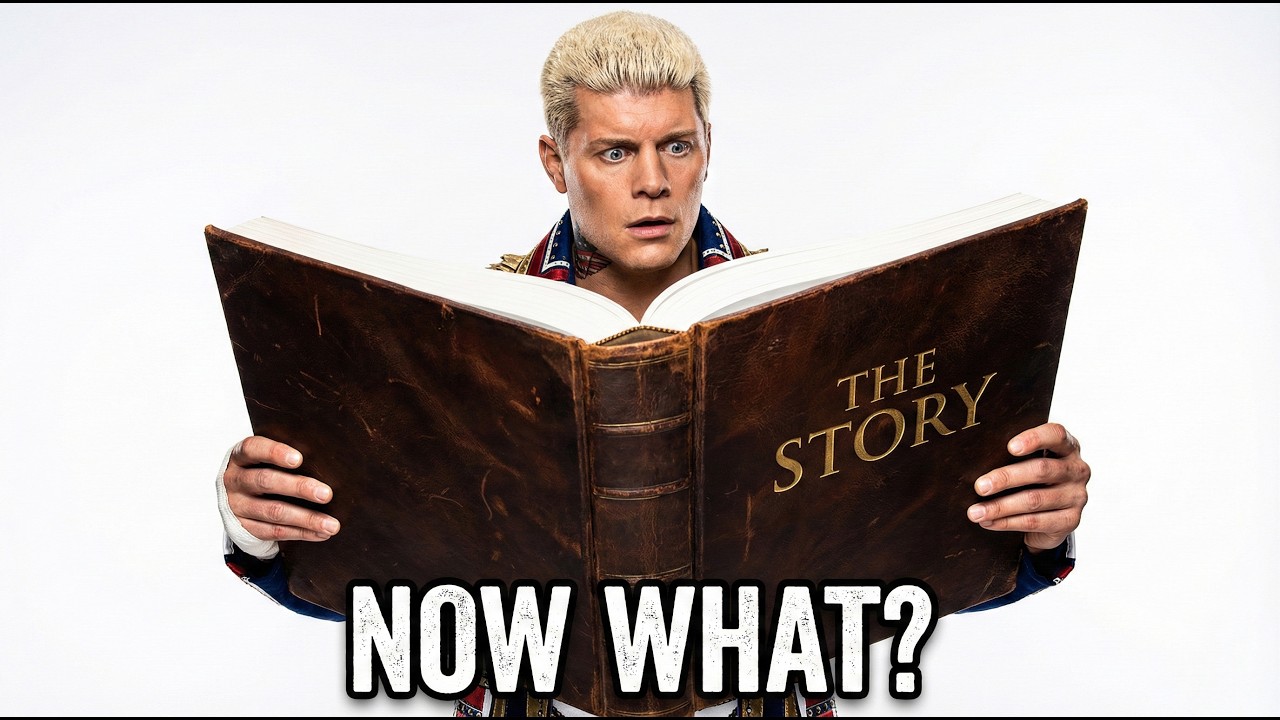
Cody Rhodess stood tall. This was the end of a lifetime of struggle. The story finally finished.
The bloodline saga that defined an era had reached its conclusion. The tribal chief had fallen. And in his place stood a champion, a symbol, a savior.
But in real life, stories don't always end with fireworks. They end in silence. What followed wasn't the genesis everyone prayed for.
It was a slow, bitter decay. The golden confetti turned to dust. Cody was crowned, but the crown felt hollow.
We loved the final boss. We adored the villain. But then he overstayed his welcome and turned into a boardroom ghost, killing Kayfabe, rewriting scripts.
And in the midst of that, Triple H, who was supposed to be the warden of wrestling, began to sound like the very thing we rebelled against for years. And the machine it turned. When Vince sold WWE to TKO, he sold wrestling soul.
Ring mats became billboards. Celebrities hijacked main events. Ticket prices soared beyond the reach of lifelong fans.
Promos became soulless. Matches product placement. Crowd chance were drowned out by sponsorship announcements.
Wrestling was no longer sacred. It was branded content. Then, just when it all felt lost, our childhood hero embraced the darkness.
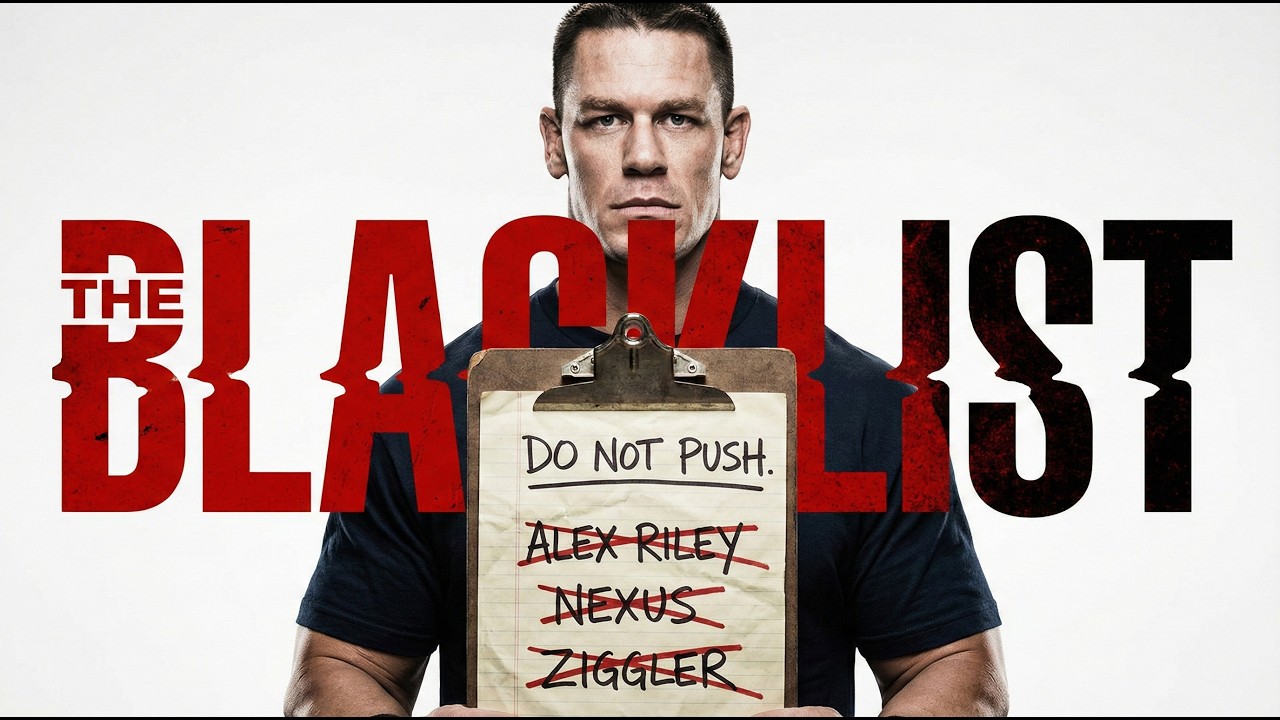
John Cena's heel turn, the fantasy booking that lived in our imaginations for two decades, finally came to pass. But even that felt wrong. Poor booking made this historic moment feel as hollow as everything else.
Wrestling was supposed to be chaos with meaning. It was supposed to matter, to hit us in the fields. Now we get fragments of something real buried between commercials and corporate mandates.
The truth is WWE lost its soul the day it lost its north star. Because through it all, one man drifted into shadow. Reduced to fragmented appearances, never in the spotlight, never acknowledged like he once was.
He disappeared like a god who knew his temple had been defiled. While they pedled nostalgia and played corporate politics, the man who had carried the burden of an entire generation stayed silent. And that silence whispered something darker.
Maybe he wasn't the villain. Maybe he was the spine, the anchor, the last myth holding WWE'SE's gravity in place. Because now, without him at the center, it all feels like a void.
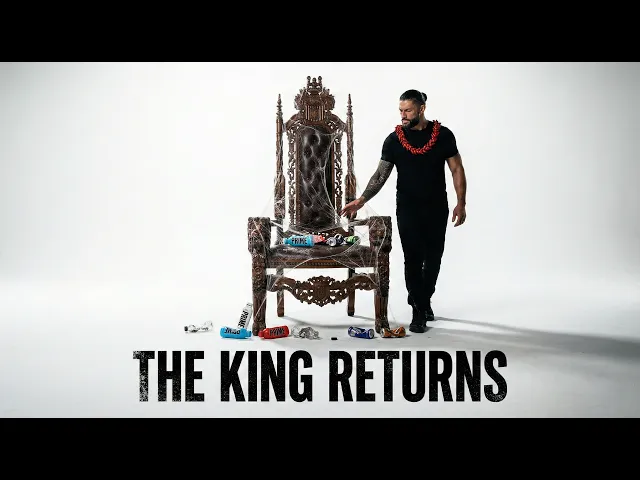
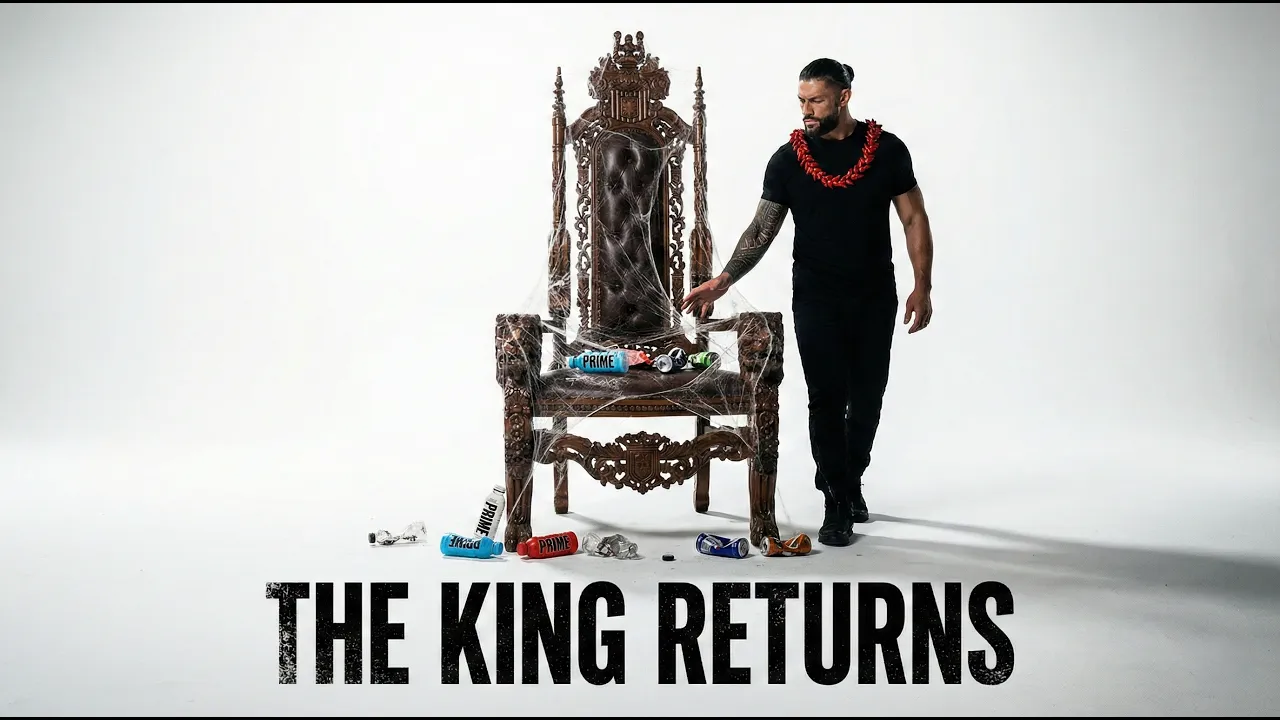
The empire stands unguarded. The throne sits cold, and the crowd, they're cheering out of habit, not belief. The question that haunts every arena, every storyline, every match is the only one that still carries weight.
Is Roman Reigns the only man who can save WWE? Or is this empire already beyond saving? But to understand where we are, we have to understand how it all fell apart.
The night Cody Rhodess finished his story, the industry took a breath it had been holding for years. fans believed again, believed in the belt, believed in the booking, believed that maybe, just maybe, WWE had turned a corner. But in the days that followed, the euphoria dulled.
Something began to feel off. Cody was failing to carry the torch. But the blame didn't fall solely on his shoulders.
It was everything that surrounded him. The story that crowned him was already finished. There was no chase left, no villain to conquer, no clear path forward because the Bookers failed to provide one.
And in the midst of that vacuum, the Rock returned. Not as a legend, but as a power broker, board seats secured, business ties locked. A match with Cody was teased, but a date was never set.
That one segment cursed Cody's reign. From that moment on, everything he did felt meaningless, like a champion waiting to be replaced. What followed was a series of directionless feuds.
AJ Styles, the Tribal Toast, Logan Paul, Kevin Owens. None of them stuck. None of them mattered.
Then came Elimination Chamber. The day the tide turned. The day history rewrote itself in real time.
John Cena turned heel. He betrayed everything he once stood for. And standing beside him was the final boss.
And Travis Scott for some reason. It should have been the greatest heel turn of all time. Instead, it became the most surreal betrayal of the modern era because it led nowhere.
Come Wrestlemania 41, the final fraud, no showed. And in his place, a 150lb junkie who could barely walk to the ring in 30 minutes. Cena's historic 17th title reign began with arguably the worst booking decision in Mania history.
Cody's reign ended through Travis Scott interference. The man who was supposed to lead a new era counted out in the most humiliating fashion possible. So whose fault was it?
Cody's, the Rocks, or someone else entirely. Triple H stood at the helm of an empire reborn. Wrestlemania 40 wasn't just his victory lap.
It was his masterpiece. Stories converged, legends returned, and the future stood tall. Cody Rhodess held the crown.
Seth Rollins held the line. And Roman Reigns, after 4 years of tyranny, finally fell. When Paul Levesque walked out from behind the curtain that night, flanked by emotion and pride, it was a declaration.
This is my empire now. But every empire burns one day. In the months that followed, the clarity began to blur.
Segments started to drag. Stories began to drift. Raw and Smackdown once pillars of two distinct universes started to feel like three-hour obligations.
The spark was fading, and no one wanted to say it out loud. Talent began disappearing, too. Not in story lines.
In real life, Braun Strowman, Dakota Kai, Kora Jade, released, removed. Names once tied to Triple H's NXT Vision. Gone, erased.
Cody's reign, originally protected by the goodwill of his chase, started to look like a polite mistake. The Raw tag division, lifeless, the women's tag titles, still directionless. Gunther, once a final boss with an ironclad IC reign, was now a placeholder with the world title.
And Smackdown, without Roman, without the bloodline, without purpose, it floated like a filler show, waiting for something to matter again. And at the center of it all, was Triple H, the man we once begged to dethrone Vince, the man we thought would lead WWE into a new golden age. And yet, one year later, it started to feel like we'd traded one tyrant for another.
Vince 2. 0, but in a suit tailored by goodwill. But maybe it's not that simple.
Maybe Triple H still has the vision. Maybe that vision is being gutted from above. Because when The Rock revealed at the Elimination Chamber press conference that TKO contacted him directly, bypassing Triple H, to cook up something for ticket sales, the message was deafening.
Rock pitched the Take Cody's soul storyline. Rock laid the seeds for Cena's heel turn and Rock got the green light. So why wasn't the head of creative consulted?
Why did TKO skip the man who rebuilt their most successful Wrestlemania in years? Do they not trust Hunter? The cracks widened when Triple H, usually composed and diplomatic, gave a rare outofch character interview, snapping at fans, telling them they don't always know what's best for business.
It was revealing the pressure, the push back, the isolation. The man who once fought for stories was now just trying to survive them. What followed Chamber was even worse.
The build to Wrestlemania 41 was cold, star-studded, but soulless. And when the show finally arrived, only one match delivered. The triple threat between Punk, Seth, and Roman Reigns.
Everything else disconnected, forgettable. The main event, a hollow crown a top a boring match collapsed under its meaningless celebrity interference. Sure, you can blame the rock for vanishing.
Blame the bald fraud for sabotaging the moment, but what about the rest of the card? The blame falls where the booking lives with the man in the chair. So, what happened?
How did the architect of Wrestlemania 40 become the ghost of Vince McMahon in just 12 months? What changed? The change didn't happen in the wrestling ring like it was supposed to.
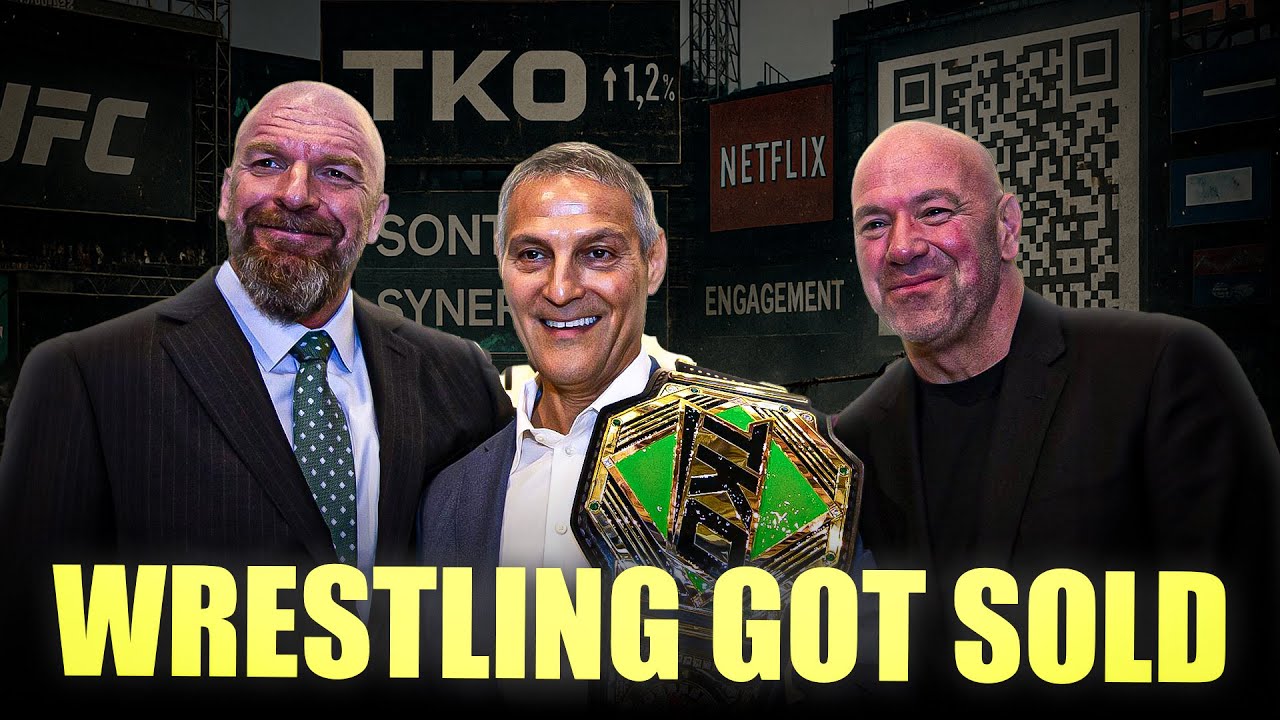
It happened at the negotiation table. It started with a deal. In September 2023, WWE merged with UFC under Endeavor, birthing a corporate monster called TKO Group Holdings.
For the first time in history, WWE wasn't being run by wrestlers, not by a McMahon, not by someone who lived it, bled it, or understood what the ring means. It became what everyone fears, a brand to be optimized. And what followed was a corrosion.
The signs came fast. Sponsorships overtook substance. Metrics replaced meaning.
The ring, once sacred, was sold inch by inch. Prime logos smeared across the mat. Match types redesigned to satisfy partnerships.
Wrestlemania 41. It buried the long-built Smackdown tag division for a slap together Raw tag title match because Clash of Clans paid for the airtime. Tickets spiked.
Premium live events became status symbols. exclusive to VIPs, influencers, and the algorithmic elite. The same fans who carried WWE through empty arenas and bad years were now priced out of the product they built.
Front Row became a marketing slot. And even Randy Orton spoke up. Then came the celebrities.
I show Speed doing slapstick for likes. Kaiette jumping the barricade for clout. Cardi B hosting SummerSlam before a single match was announced.
And of course, the human form of TKO's middle finger to WWE fans, Travis Scott, was there to ruin Mania. Because in this new WWE, buzz matters more than logic. The result, a show that never stops moving, but doesn't go anywhere.
And the worst part, they think it's working. The numbers are up. The impressions are high.
The quarterly calls are euphoric. But underneath the spreadsheets, stories with no endings, characters with no arcs, matches that mean nothing the moment the screen fades to black, and nothing exposed that better than Saturday Night Main Event. On paper, a good show.
In practice, a disaster. Not because of the wrestling, because every 2 to 5 minutes, the action was smothered by commercials. It was a billboard slideshow.
A solid event turned unwatchable by corporate infestation. WWE has sold its soul to suits like Ari Emanuel, who hollowed out UFC and now has WWE on the chopping block. But here's the one thing they all forgot.
This empire wasn't built on impressions or logos or celebrity slapstick. It was built in the ring by men and women who lived for this. By stories that stretched across eras by belief.
And that belief is breaking. Because if Triple H can't fix this, if Cody Rhodess couldn't carry it, and even John Cena in his final act turned heel and walked into the fire with nothing to show for it, then who's left? Who's still strong enough to carry the weight?
Who can still save WWE? The bitter truth WWE can't outrun anymore is this. The product can't survive on Nostalgia Pops.
It can't be carried by Prodigal sons. It can't be rescued by temporary returns or patched up by sentiment. They need the man who revived WWE from its ashes.
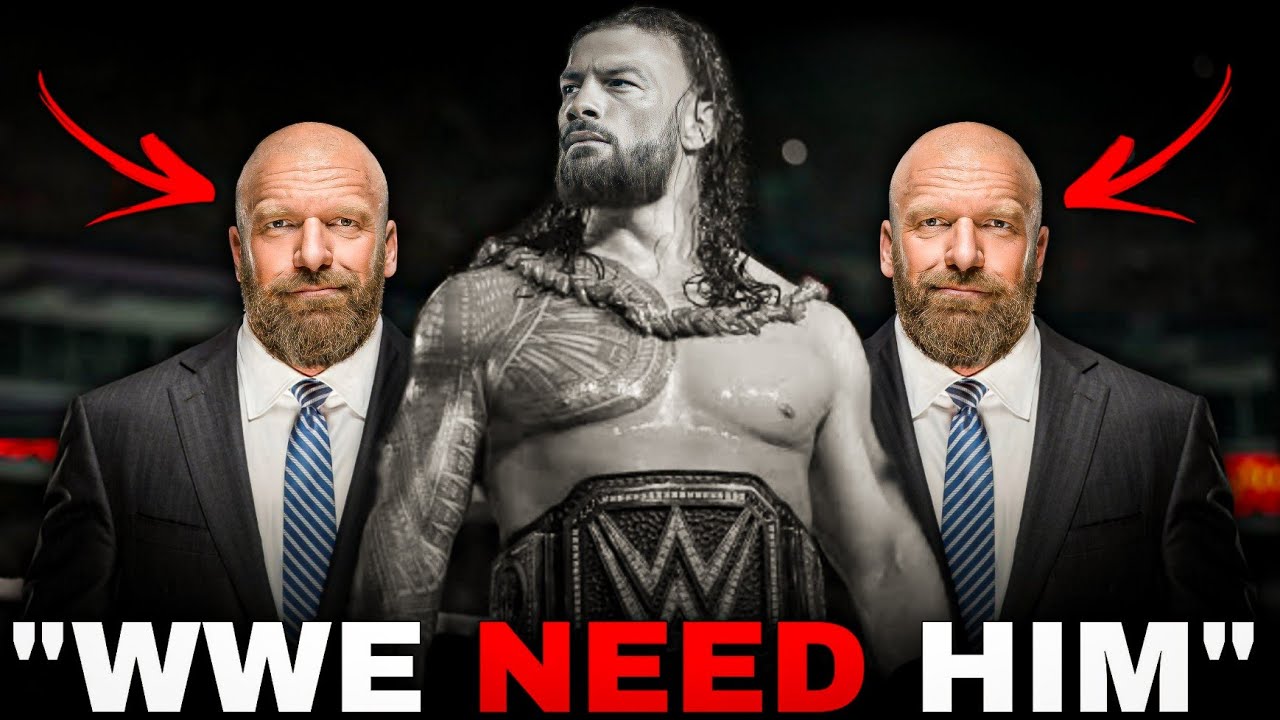
The man who carried the burden of an entire era while the world turned against him. They need Roman Reigns. Since stepping into God mode, Roman didn't just win titles.
He dictated the rhythm of the entire company. He became the constant, a myth in motion. For 1,316 days, he stood at top the mountain while challenger after challenger was cast into the island of irrelevancy.
Everyone who dared to stand against him ended up acknowledging him. Yes, the bloodline was Vince McMahon's idea. Yes, Triple H helped it flourish, but make no mistake, it wasn't the power of their creation that made it iconic.
It was Roman Reigns, his aura, his cadence, his cold confidence. He made the empire feel untouchable. And without him, the mystique crumbles.
The ring feels lighter. The stories thinner. Because Roman didn't just rule with an iron fist.
He elevated everything around him. Cody Rhodess became the guy only when he was chasing Roman. Without that chase, his story feels unfinished, like it's still waiting for its purpose.
Sami Zayn became the heart of WWE because Roman gave him something worth rebelling against. Jay Uso rose from tag team obscurity into main event relevance because he stood across from Roman's wrath. Seth Rollins, even with a world title and a thousand battles behind him, has never been more magnetic than when he shares the ring with Roman.
Roman made feuds feel like fables. He gave the ring gravity. He made WWE feel real.
And now that he's gone, everything floats. A drift in a sea of corporate branding, soft scripts, and empty cheers. Cody's reign felts directionless without Roman's shadow.
WWE had a once- ina-lifetime chance to reforge John Cena as a compelling villain with real motive, real bitterness. But instead, they turned him into a cartoon heel chasing cheap heat. The show has no center.
And now, as WWE spirals in the aftermath of TKO chaos, as creative collapses, as storytelling fragments, as heroes falter and legends fall flat, only one man still feels untouchable. Still feels true. WWE isn't complete without Roman Reigns.
Fans feel that absence. That's why they still chant for the original tribal chief. Not out of habit, but out of recognition, because they know he was the last thing holding the machine together.
While everyone else tried to become the future, Roman became something more. He became the myth. And myths don't fade.
They wait. They endure. And when they return, they shift everything.
So maybe after all the broken promises, after Cody fell short, after Cena collapsed into caricature, after Triple H lost control, maybe it's Roman, the last draw, the last savior, the last spine still unshhattered, who must return to cleanse what's been corrupted. He was hated, then adored, then feared, and now he's essential because the kingdom is crumbling. And if the heroes can't save it, you need the devil to sit on the throne one more time.
Who do you think can save WWE now? Drp your thoughts in the comments. And if you made it to the end, make sure to hit the like button and subscribe for more.
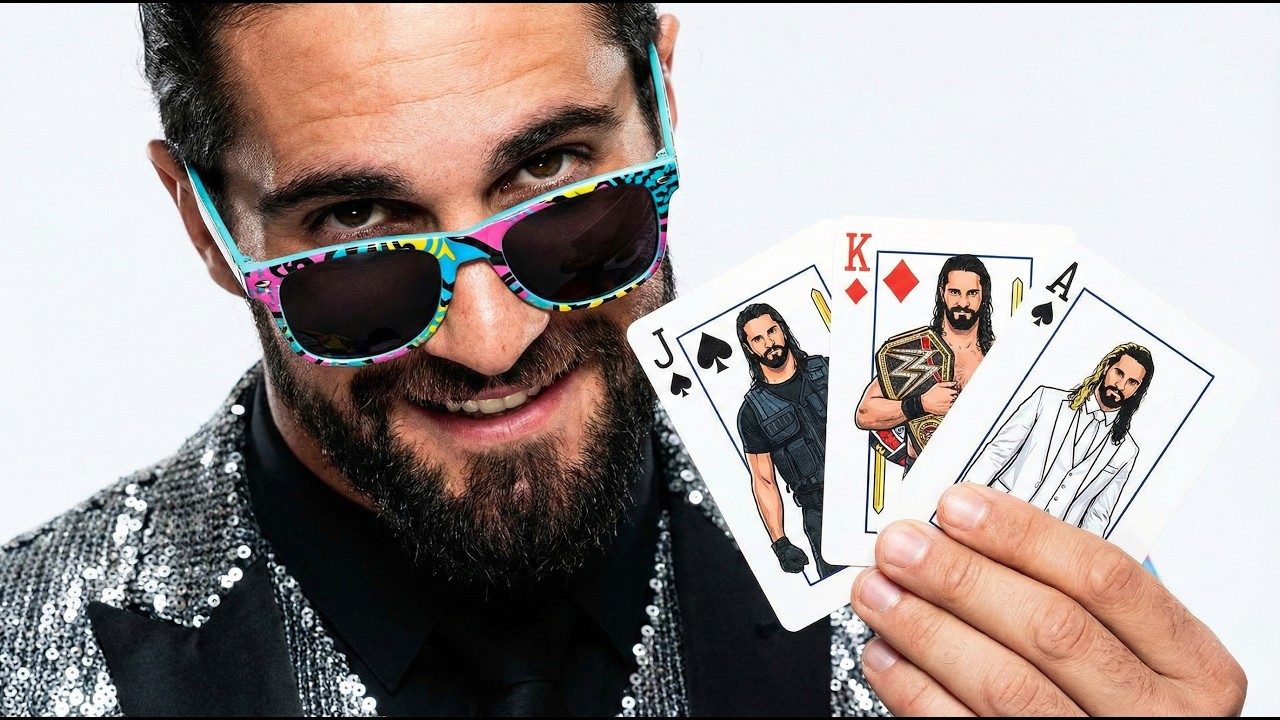
Also, check out this video right here about how Seth Rollins became the greatest wrestler of our generation.