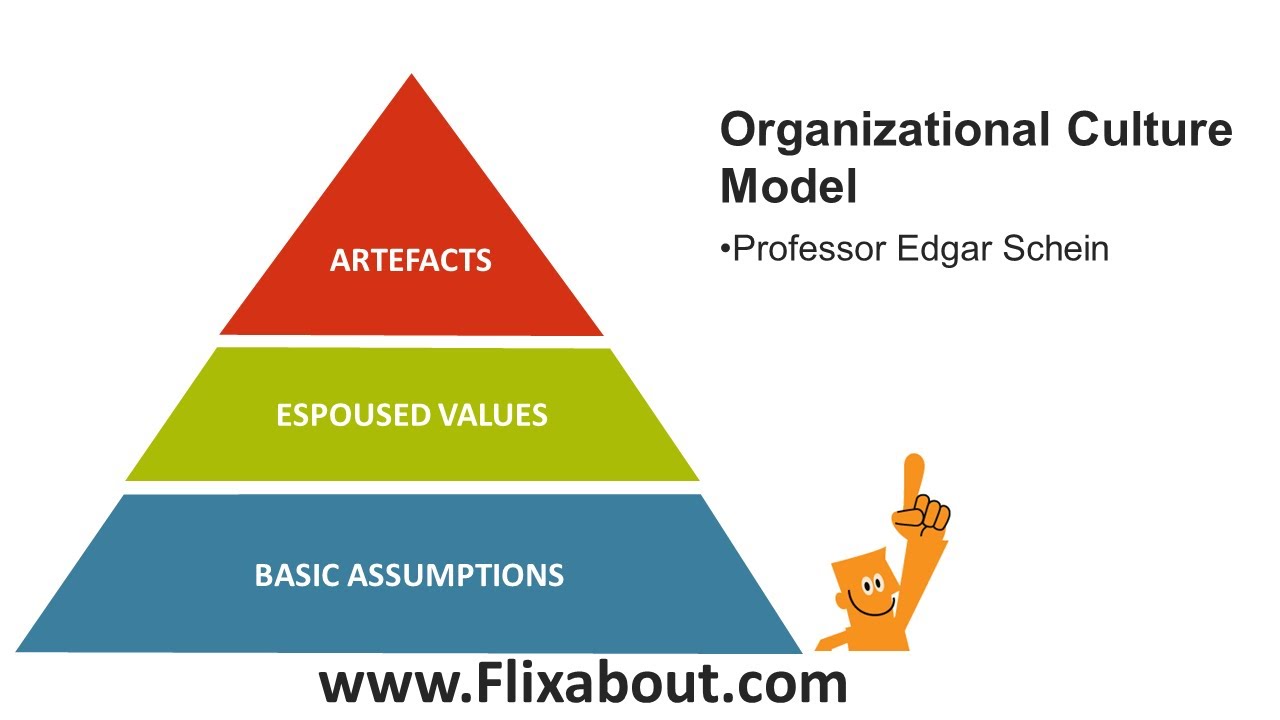
[Music] HR basics is a series of short courses designed to highlight what you need to know about a particular human resource management topic in today's HR basics we explore organizational culture exploring a three-part model that clarifies organizational values behavior and mission as definitive of organizational culture culture is shared patterns of difference in an organization culture is simply how we do things around here the key to a successful organization is to have a culture based on a strongly held and widely shared set of beliefs that are supported by strategy and structure an organization's culture defines the
proper way to behave within the organization this culture consists of shared beliefs and values established by leaders and then communicated and reinforced through various methods ultimately shaping employee perceptions behaviors and understandings when an organization has a strong culture three things happen employees know how top management wants them to respond to any situations employees believe that the expected response is the proper one and employees know that they will be rewarded for demonstrating the organization's values a simple model highlights three key elements of organizational culture an organization's values behaviors and mission the better that you are at
articulating your culture the more successful you will be in attracting people that believe in and help fulfill your organization's mission are some values better than others what is it that we value let's explore values in the impact of values on organizational culture organizational values are enduring beliefs that are important to the organization organizational cultures can be assessed along many dimensions here we will focus on to the extent to which the competitive environment requires formality or informality and the extent to which the organization's strategic focus and strength is internal or external four categories of culture our
involvement adaptability consistency and achievement these four categories relate to the fit among cultural values strategy structure and the environment with each emphasizing specific values the involvement culture is an informal and internal focus places values on meeting the needs of organizational members friendly places to work employees seem most like family leaders avoid status differences and the organization strives for fairness and reaching agreement with others with the adaptability culture it's informal in an external focus employees have autonomy to make decisions and act freely to meet the needs of the organization responsiveness to customers as highly valued leaders
actively create change and leaders encourage and reward creativity experimentation and risk-taking with a consistency culture its formal and an internal focus the culture supports a methodical rational orderly way of doing things following the rules and being thrifty our valued success is highly integrated into efficient and effective practices and dependability is key finally with the achievement culture it is formal in an external focus this result oriented culture focuses on specific targets it's concerned with serving external customers but with flexibility or rapid change it values competitiveness aggressiveness and a willingness to work hard to achieve results and
the emphasis is on winning it's the glue that holds them together an organization may have central cultural values that fall into more than one category or even into all categories however successful organizations with strong cultures will lead towards one particular cultural category values in an organization are developed and strengthened primarily through shared values that emphasize the common good and are consistently advocated for and acted upon by leadership remember culture is how we do things around here leaders and employees alike can reflect and share the organization's cultural values through the way they behave behaviors are what
we see in an organization behaviors can be seen in three ways symbols norms and traditions symbols are an object or an act that stands for something that's widely understood among employees norms are how employees think feel and behave that are repeated frequently and articulated in the organization's values and finally traditions reinforce specific values and allow employees to share together in an important event or achievement fulfillment comes from having a clear sense of purpose from knowing why we do what we do when an organization starts with mission they stand for something bigger than any result or
metric they are better able to attract and unite employees customers and partners and their people love coming to work a mission statement is what the organization does now every organization has a mission your organization's mission is your why the purpose cause our belief through which you make decisions that lasts values behaviors and mission provide the kind of holistic nuanced view of organizational culture that's needed by leaders in order to truly understand their organizations and to have any hope of changing them for the better in the future [Music]

![Organizational Culture Explained [2023]](https://img.youtube.com/vi/6uLN9dVfOBI/maxresdefault.jpg)




![11 Key HR Functions Explained [2023]](https://img.youtube.com/vi/lnpYeKIA_Ko/maxresdefault.jpg)