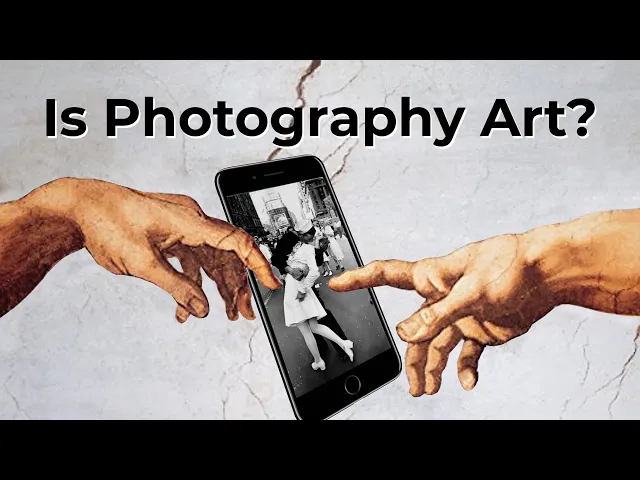
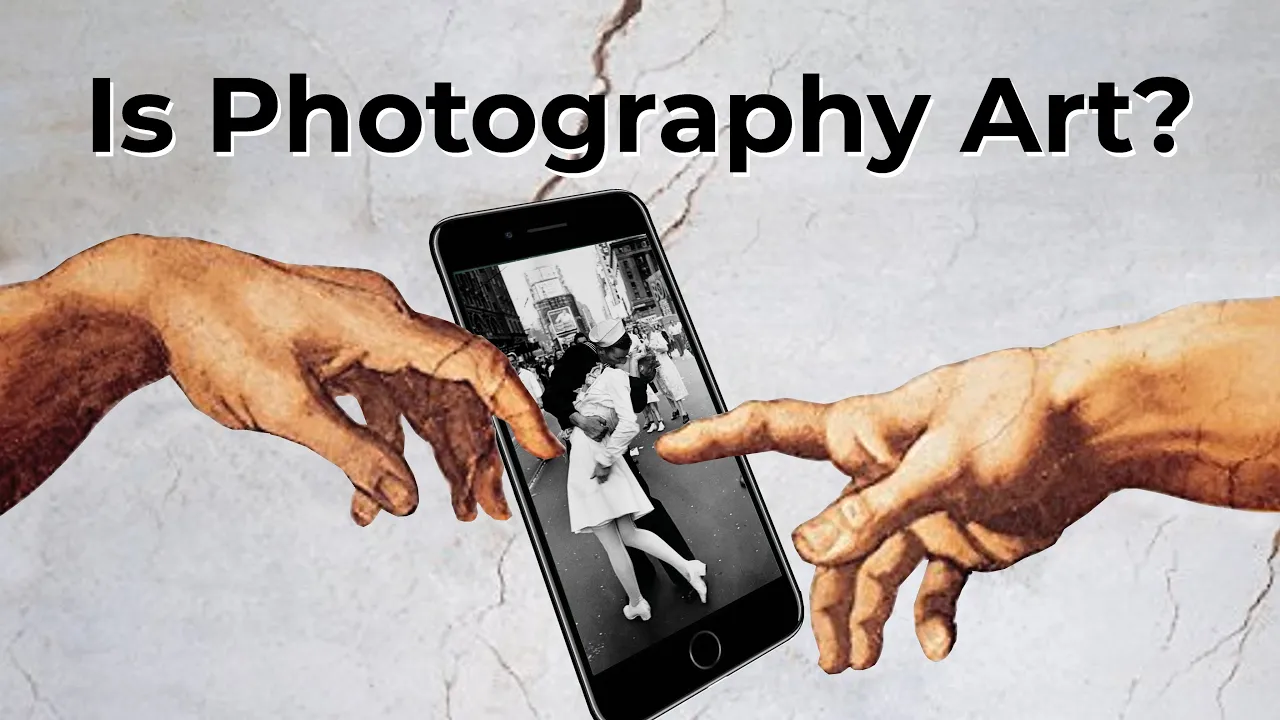
in this video I'm going to take a look at a contentious subject that has been debated ever since the dawn of Photography is photography art or not if you read dictionary definitions of what art is it seems that photography really should be included but traditionally it hasn't been and I'll explain why and then I'll discuss the arguments for and against photography as an art form from the earliest photographs nearly 200 years old right up to the present day AI generation of IM you might think it doesn't really matter whether photography is art or not it's simply a question of semantics or perhaps it might be better to focus on the aesthetic qualities of each photograph in isolation to decide whether for example a photograph is a throwaway snap or a nice shot or has real artistic value as we'll see this approach is fraught with difficulties and you could argue again that it doesn't really matter anyway however by the end of the video I hope you'll be persuaded that this question is important and actually involves a fascinating series of heated debates with strong arguments on both sides furthermore from a photographer's perspective we can learn a great deal from studying how different Artistic Styles in the world of painting have influenced photography and how Photography in turn has influenced those Styles so is photography art a logical place to start is with the dictionary definition of Art in the Arts according to the Oxford English Dictionary art is the expression or application of creative skill and Imagination especially through a visual medium such as painting or sculpture and the Arts as a creative activity are primarily concerned with human culture no mention of Photography here however proponents of Photography as art maintain that photography does involve the application of creative skill and Imagination using materials to create images just as painters use materials to create their images photography has been a very important and highly influential visual medium since this invention nearly 200 years ago now and it has given us an invaluable record of people places and events directly concerned with all aspects of human culture intuitively it feels right to conclude that photography should be listed as an art form in dictionary definitions so why isn't it one reason is historical photography hadn't been invented when people started to debate and form opinions about what art is even when photography became more commonplace in the 19th century Skeptics argued that photographs weren't art they were simply reproductions of reality and worse they were only reproduced in black and white some photographic studios in the mid 1800s did in fact hand Color Prints but was this any more creative than painting by numbers to talking about black and white photographs it's an irony of today's digital highdefinition vividly colored world that some people now feel that monochrome images are more artistic than color photographs anyway in the early days of Photography while the Great and the good of the art world could Admar the technical skills of the photographer in creating images using chemical concoctions the photographs produced would not generally considered art if anything photographs were in competition with art and at best only IIM art and this view has stuck in some quarters a second reason why photography is typically not included in definitions of art has to do with semantics when we talk about art or works of art or art classes for example we are generally only talking about painting and drawing and sculpture it reflects the way we describe and assign easy to remember labels to everyday things this labeling is seen in other creative areas for example in the music industry to paraphrase Pete Town's end of the who when he was asked in an interview whether he considered his music as an art form he replied it's not so much an art form it's rock and roll similarly if you ask professional photographers if they are artists the vast majority would probably say no we're not artists we're photographers that's the vast majority of photographers but there are important exceptions most notably the American photographer and Modern Art promoter Alfred steers who perhaps did more than anyone else to promote photography as an art form stiglet saw himself first and foremost as an artist and we'll hear more about him later whether or not professional and amateur photographers see themselves as artists are they actually creating art this is a particularly pertinent question given the Staggering number of photographs taken these days with mobile phone cameras around 5. 3 billion photos are taken every day the vast majority 94% are taken on phones in total is estimated that there are around 14. 3 trillion photos in existence when you click a button on your phone to take a photograph are you expressing and applying creative skill and Imagination or not are all these photographs art or are they simply snaps for some critics all these photographs are indeed simply snaps and the people snapping shots on a phone they're not artists they're not even photographers they're just mobile phone users the counterargument to all this is that every picture regardless of who took it how it was taken and how it shared with others electronically or in print Every Picture Tells a Story the images produced may not be part of an artistic Endeavor the creativity applied maybe on a subconscious level and essentially instinctive or reactive rather than proactive process nevertheless the shots do reflect someone's imagination a desire to capture the moment and they are very much concerned with human culture it's fair to say that some mobile phone images are extraordinarily creative and beautiful and imaginative what more simply because you're using a mobile phone camera rather than what could be called a proper camera that doesn't prevent a photograph from being considered as art but we're still faced with the question of deciding whether a particular photograph is in fact a work of art how on Earth can we categorize trillions of photographs individually into throwaway snaps nice photographs or valuable works of art it would be good if there was a filter to help us decide what photographs are and are not works of art the most conventional filter is an aesthetic filter where a particular photograph is accepted as a work of art because of its aesthetic qualities what do we mean by aesthetic qualities well in the art World there are at least three specific qualities that in theory can be used to test whether a photograph should in fact be considered as art firstly how beautiful is the photograph to look at secondly how much of an impact does the photograph make on others does it convey a strong message and thirdly what contribution does the photograph make to the art world how important and valuable is that contribution I'll go through each one in turn starting with how beautiful a photograph is to look at because to some photography of art is all about the beauty in an image if a photograph is is very beautiful it is Art you'll see this quite a lot in discussions of Photography as art what a beautiful photograph what a great piece of art yet there are a couple of problems with this beauty is Art conclusion number one beauty is in the eye of the beholder what one person finds beautiful someone else may not the second problem with the beauty is Art conclusion is that for some people a photograph doesn't have to be beautiful at all to be a great work of art quite the contrary it can actually be shocking disgusting the very antithesis of beauty indeed some influential modern artists of their day have deliberately set out to rebel against conventional Norms including pretty pictures and romantic Styles this photograph of The Beatles is a case in point bored with sacarin Fab for shots The Beatles apparently were chuffed with this Photograph it was printed on an album cover that was ready for release in the United States and until someone chickened out and each album sleeve was covered up all this begs the question If you're trying to rate the aesthetic qualities across a vast range of photographs how can you compare photographs taken in a fashion shoot for example with photographs taken on a battlefield a photograph's aesthetic qualities are not always about how beautiful that photograph looks maybe a better way of deciding if a photograph is a work of art is not its beauty but it's impact on others you could argue that what elevates a photograph from a snap to a work of art is when that photograph has a strong visual impact on other people it impacts people emotionally it gets some thinking they don't necessarily need to like it or think it's beautiful but it does have an impact this is certainly the argument put forward for photography as art by people like Alfred steegers with his photographs of clouds taken in the 1920s and 30s for example stet wanted to draw people's attention to the abstract qualities of the clouds and the feelings those clouds evoked rather than simply looking at the photographs as photographs of clouds he had a point people do look up at clouds and imagine faces and other things and showing photographs of clouds in art galleries help to encourage people's imagination which is after all one of the objectives of presenting works of art in public photographs can also generate strong feelings and emotions of other kinds if you go back to the early days of Photography it wasn't long before people stopped marveling at the technology and skills that produce photographs and they started to focus on the actual content of the photographs themselves there are many famous early photographs whose content did have a strong impact on people and in some cases motivated the public and politicians to take action I'll show you a few Roger Fenton's photographs from the Crimea War In 1855 helped to change English public opinion of that war when people saw the conditions the soldiers had to endure and the barren landscape they were fighting in the public started to question not only how the war was being managed but what it was being fought for a completely different use of photographs also helped change The public's opinion in England this time of Queen Victoria and her German husband Victoria and Albert's patronage and support of Photography gave the public the opportunity to see more intimate portraits of the royal family for the first time and this helped to improve the couple's popularity which wasn't always so high at the other end of the social scale photographs of inner city slums such as those taken by Milbury Bend in New York City in the 1880s help to highlight issues of poverty and crime and encourage investment into those areas there are many many more photographs over the years that have left a very strong mark on the human psyche as this website for example documents these and other famous photographs certainly convey strong messages but are they really works of art they are rightly considered classic and influential photos today but they still look more like reportage to some people a form of photojournalism by people paid to take photographs not the work of artists this brings us on to the third part of the Aesthetics equation and that is whether or not photography has made an important important and valuable contribution to the art World by valuable I don't mean monetary value I'll get on to that later I mean whether photography has added value to the art World in a creative and an imaginative way if you study the history of art back to around the 1880s you'll find that photography did indeed add value to the work of some of the most influential painters of that era this is a big subject that deserves another video but to take one example photographs of moving objects most notably horses is in motion added to painters understanding of how horse's legs actually moved painters have been getting this wrong for centuries the way outdoor scenes were framed in photographs influenced painters such as dear who started to use more daring compositions and more generally You could argue that the ease with which photographers could capture portraits and scenes in accurate detail encouraged painters to become more impressionistic rather than photorealistic in their work and this contributed to to the success of impressionism as a painting style despite the value of Photography to the world of painting this did not necessarily mean that photographs themselves were considered as valuable works of art indeed early photographers were more focused on mimicking art rather than creating it offering customers the chance to have their portraits taken in the style of the most fashionable painters of the day for example look at this portrait taken in Dublin in the 19th century this happens to be one of my ancestors the popular artistic style of the day for formal portrait paintings was a neoclassical style and so the sitter was asked to pose in a way that mimicked that style beside classic architectural columns and through the magic of Photography the sitter had their portrait in a contemporary artistic style for a fraction of the cost of a real painting towards the end of the 19th century and into the 20th century photographers became more adventurous cameras film and developing became more affordable and accessible including for people with a more artistic band photography was no longer confined by technological straight jacket and the overriding aim to produce a clear and sharp reproduction of reality whilst the results still tended to follow the influential Artistic Styles of the day not just the work of modern painters but also the Innovative and popular World Of Motion Pictures you can certainly see a lot of creativity and Imagination in some of the photographs was produced one creative genre of Photography that is worth noting here is pictorialism it was popular in the later 19th century in early 20th centuries pictorial photographs were manipulated by photographers to give their photographs a more picture-like quality and more of an emotional impact this is achieved by introducing a soft focus adjusting the color tones introducing more physical textures into the photographic prints whatever the manipulation the main objective was to produce a beautiful looking aesthetically pleasing image there's been quite a debate over time about whether this style of Photography was simply an attempt to make photographs look visually more beautiful or whether the resulting photographs actually represented an influential new art form the Wikipedia page on pictorialism has a surprisingly long discussion on this debate if you're interested one significant conclusion from the debate is that you can match Artistic Styles and photography to The Wider devel El Ms of the day for instance the focus on beauty during times of peace and prosperity and a darker more disturbing perspective during times of war and economic depression furthermore there's a Perpetual search by emerging artists for new styles to disrupt existing Fashions these kinds of developments influence the prevailing art styles of the day not just paintings but also photography you can take any one of these Artistic Styles and movements and show how photographers have reflected contemporary fashions in their work here are a few examples this is too big a subject to do justice in this video is best covered in a separate discussion what I will cover later in the video is the influence that photography has on these art styles so that's Aesthetics whether you think a photograph is Art based on some kind of aesthetic filter well it all boils down to Personal Taste and different people can have such different tastes and views on what for instance is beautiful enjoyable valuable or important and therefore whether a photograph is art or not perhaps the only true Arbiter of taste when it comes to photography and art is money no matter what the cynics of photography of art might say photographs can and do sometimes have a real commercial value people and institutions are willing to pay good money for photographs because of their perceived artistic value including art galleries collectors invest companies and members of the public the fact that people in companies are willing to pay for photographs to hang on their walls is a plus point when it comes to considering whether photography is art or not however there's a problem with the monetary value argument because there are many other reasons why photographs are purchased other than their artistic qualities there are some high-profile collectors of photographs around the world and while many collectors love and appreciate photographs as art for others maybe it's more of a coldblooded investment strategy the most expensive photograph ever sold was taken by the surrealist Man Ray it sold for 12.
4 million in 2022 it's an iconic and highly recognizable photograph with the superimposed f-holes from a violin it shows all the creativity and Imagination you'd expect from a work of art a few years earlier in 2014 it was reported that this Photograph by Peter lick had sold for a then record 6. 5 million proof if nothing else that you don't have to be dead to secure high prices for your photography the photograph and the price had allegedly sold for there is some dispute about the sale created a storm of arguments online in the UK the Guardians columnist Jonathan Jones wrote that Peter Lick's Hollow cliched and tasteless black and white shot is an art and it proves that photography never will be below the line the Guardians readers never slow to express strong opinions or show off their aidite views then weighed into the discussion and Jones in particular comments section is great fun to dip into there are over 1,900 comments in total in the top recommended comment Jones was essentially described as an ignorant snob however many of the other comments are more balanced with a very small minority agreeing with Jones and a much larger number writing that photography could be art but perhaps not this particular photograph it can be hard these days to differentiate between journalists and art critics writing what they really think versus what they publish for clickbait purposes but either way it's clear that the photography is Art debate still gets people all riled up for more humble members of the public without Millions to spend on Art some of the most popular images hanging on walls of homes all the way around the world are photographs not just snaps of family or friends but photographs taken by other people photographs they've paid for sometimes these photographs are high art prints I. E high quality prints perhaps with the photographer signature and a limited edition number alternatively people buy posters with photographs and graphically designed borders and text such as the name of a person in a portrait or the name of the location of a landscape or the name of a show or event or whatever with posters text is a critical part of the message that poster conveys the photograph on its own is not enough elsewhere in commercial building interior designers pay for giant prints of photographs without any embellishments sometimes presented as an artistic backdrop at other times it looks more like a giant piece of wallpaper design and then there are photographs that are valuable but are in no way created works of art at the time they're bought especially if a photographer has captures something of immediate interest to the public for example news channels paying for a Paparazzi photograph of a celebrity or a photograph of a sports event or a storm moral crash and so on here we're back to the photojournalism critique just because somebody is willing to pay for a photograph doesn't mean it's art the photography's Arts retort to this critique is wait and see over the years photos taken by photo journalists can become part of the historical folklore a key part of human culture a snapshot in time of someone or something that has great historical importance some photojournalists are very creative and imaginative in their work and they're best photographs do have an artistic feel on the other hand many famous old photographs are not particularly creative but there's no denying the historical value in June 2011 this tin type portrait of Billy the Kid by an unknown photographer sold for 2.