chapter 13 mental health disorders the first section 13. 1 what is a mental health disorder we are sometimes too casual about mental illness for example we frequently give informal diagnosis to friends co-workers celebrities and even strangers walking down the street stating something like he has OCD personality because his desk is spotless or she must be suffering from depression because she looks so sad you can even purchase this uh t-shirt for only $16. 93 on Etsy uh at the time of recording but mental illnesses such as OCD major depression schizophrenia um and others are severe conditions that disrupt our daily lives and require treat Tre m a mental disorder is a condition that affects an individual's thinking emotions or behavior causing impairment in daily life and is not culturally accepted the definition of mental disorder comprises three factors the first one is not typical or culturally expected mental disorder violates social and cultural norms of how people are supposed to behave it may be different from location to location or other times for example changing views on homosexuality in part influenced by uh influenced the American Psychiatric association to remove homosexuality from its list of mental health disorders in 1973 in contrast the Chinese Psychiatric association did not do so until 2001 two distress mental disorder causes personal distress to the individual or those around them three dysfunction mental disorder creates dysfunction and interferes with a person's ability to function in everyday life if you are a clean person you may feel uneasy seeing a messy desk but it may not necessarily indicate that you have OCD people with OCD on the other hand experience recurring thoughts about a messy desk that make it hard for them to think about anything else eventually leading to prolonged periods of sleeplessness or other symptoms according to the textbook close to 20% of adult Americans were diagnosed with mental disorders in 2017 and um as the the left graph uh on on the screen shows almost half of them meet the criteria for mental health disorder in their lifetime in addition mental health disorder is a leading cause of disability worldwide the right graph shows gender differences in the estimated lifetime prevalence of mental and substance abuse disorders females are more likely to be diagnosed with major depression and anxiety disorders whereas m are more likely to be diagnosed with antisocial personality disorder and substance abuse disorder Scholars and practitioners have long been trying to figure out human abnormal behaviors Psychopathology is a scientific study that primarily focuses on Mental Health disorders currently there are three models to represent mental health disorders in the west biological theories psychological theories and social cultural theories I'm sure we discussed this before but it is important to note so I'm going to say this again not one theory is better than the other a good scientific theory is not a simple guess rather it is based on empirical data from countless studies done by many scientists from different countries and culture just like many psychological phenomena no single explanation for any mental health disorder has been identified instead most mental health disorders are the result of a combination of those factors today the bioc psychosocial model is widely used to understand mental health this model integrates all existing theories and considers the simultaneous effect of many infuences biological theories which are based on the medical model contribute mental health disorders to an imbalance in hormones and neurotransmitters or some brain or bodily dysfunction psychological theories on the other hand focus on internal and external influences and there are several perspectives under this umbrella the psychoanalytic perspective attributes mental health disorders to unresolved unconscious conflict the social learning perspective focuses on learning uh processes such as classical conditioning operant conditioning and observational learning the cognitive perspective examines thoughts expectations assumptions and other mental processes in mental health disorders the humanistic perspective considers a mental health disorder ERS as resulting from a distorted perception of the self and reality finally so social cultural theories acknowledge that the individual varies in context and focus on the contextual situations and conditions that can lead people to unhealthy psychological functioning okay next section uh 13.
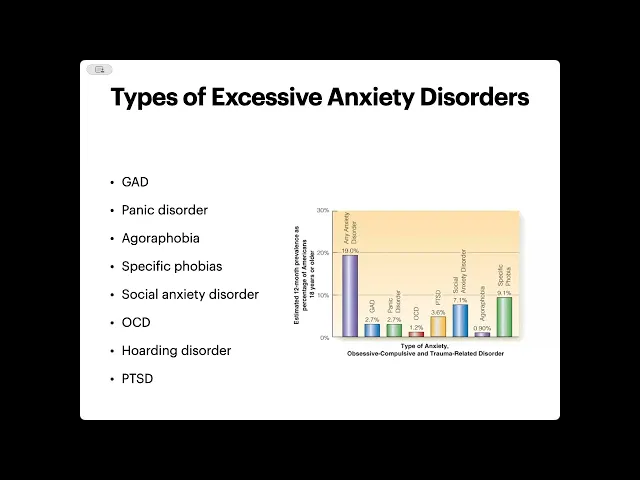
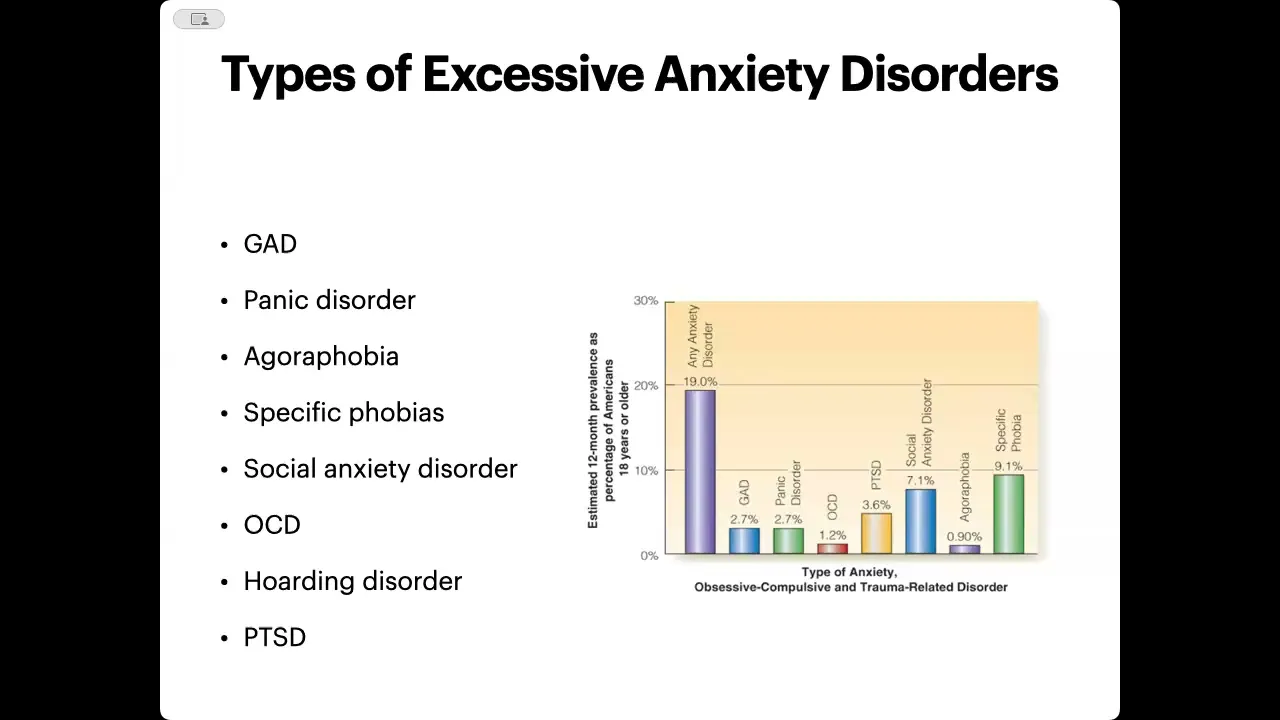
2 the DSM model for classifying abnormal behavior avior the first DSM diag diagnostic statistical Manual of mental disorders was published by the American Psychiatric association in the 1950s the fifth edition of DSM was published in 2013 and the current DSM DSM 5tr uh TR stands for text revision was published in 2022 the DSM outlines the criteria for nearly 300 mental health conditions which are classified into 20 major categories it is worth noting that the DSM does not suggest or describe treatments for these disorders due to its a theoretical stance this stance recognizing recognizes the intricate bioc psychosocial components that contribute to mental illness to determine if a model is good or not so good we must look into its reliability and validity to refresh your memory reliability refers to how a model test or evaluation is consistent across time and space you want an evaluation to be accurate whether it is used today or a year later validity on the other hand refers to the accuracy of an evaluation for example the DSM is valid is a valid tool to diagnosed psychiatric conditions but it's not a valid tool to evaluate intelligence over the years many of the diagnostic categories in the DSM have become more reliable and valid but they are not without problems uh there are three of them according to the textbook the first one is uh that the DS DSM does not ensure accurate diagnosis due to subjectivity and personal bias in addition symptoms May overlap with multiple disorders the second negative effects of labeling it may serve as a self-fulfilling prophec a prophecy and create a social stigma however data shows that it is not always the case the stigma has existed for centuries uh predating the development of psychiatric classification systems despite this psychiatric diagnosis continue to be an easy target for those frustrated with the stigma of mental illness now think about this how can people be stigmatized if they do not share their psychiatric diagnosis with others right Psych diagnosis are confidential so unless people advertise them such as through social media others would not even know their diagnosis so it's not clear if there are real negative effects of labeling okay number three the DSM only gives a general description of the problem and does not cons consider each individual uniqueness despite these shortcomings DSM still provid a useful standardized framework for practitioners all right next section 13. 3 anxiety obsessive compulsive and Trauma Related Disorders it is not just nerves okay we all experience being nervous when meeting new people right before taking a big exam or the first day of the new job Etc however once these stressful events pass the anxiety usually goes away but for those who have anxiety disorders anxiety usually comes from nowhere and it interferes with their Li uh daily lives so uh let's take a look at the components of excessive anxiety chronic disruptive worry or fear involves four different areas of symptoms one physical symptoms of anxiety may include dizziness elevated heart rate and blood pressure muscle tension sweating and dry mouth two cognitive symptoms may include excessive worry fear of losing control feeling that a situation is more dangerous than it actually is paranoia and being vigilant three emotional symptoms refer to a range of feelings of a person may experience these may include a sense of dread Terror Panic irritability and restlessness in the last one Behavior symptoms may include fleeing aggressive behavior and avoidance of future situations anxiety disorder disorders are one of the most common mental health disorders as close to 20% of adult Americans are diagnosed in a given year however textbook authors stated that another study reports only 5. 7% of anxiety disorders among adult Americans possibly due to how data are collected being different both studies agree however that females are more likely to be diagnosed than males let's take a look at some of the DSM uh categories of anxiety disorders generalized anxiety disorder or Gad about 2.
7% of adult Americans develop GAD symptoms include constant worry difficulty concentrating or sleeping fatigue and irritability panic disorder about 2. 7% of adult Americans develop this disorder panic disorder can cause various symptoms such as racing heart ringing in the uh ears tingling and numbness on the of the skin and a difficulty breathing these symptoms can make the person feel like they are having a heart attack or a seizure in that they are in danger of dying it can be difficult or for most people to identify the trigger that caused the panic attack Agra phobia or abnormal fear of being in a place about 0. 9% of adult Americans develop this disorder people with Agra phobia avoid going to places due to fear of a panic attack when an individual's fear of something such as snakes or public speaking becomes overwhelming and results in severe anxiety or even a panic attack it may indicate the development of a specific phobia or social anxiety disorder people who suffer from this condition are often aware that their fear is irrational but are unable to stop worrying about it specific phobia is characterized by excessive fear of particular stimuli such as an animals uh or Heights about 9.
1% of adult Americans have this disorder social anxiety disorder on the other hand is marked by an excessive fear of being negatively judged or evaluated by others individuals with this disorder may experience intense fear of being rejected embarrassed or humiliated in social situations some common symptoms of this disorder include uh feeling anxious or uh the panicky when speaking in public undressing in front of others or meeting new people obsessive compulsive disorder or OCD uh is uh about 1. 2% of adult Americans develop this disorder symptoms of OCD typically involve persistent unwanted thoughts or impulses that lead to repetitive behaviors aimed at reducing the anxiety caused by the obsessions some common examples of OCD include Waring whether you turn off the lights at home or washed your hands sufficiently to remove germs as a result individuals with OCD may find themselves checking and rechecking things multiple times although they re recognize that their obsessions and compulsions are irrational they feel unable to stop them and may experience significant distress as a result the covid pandemic may have contributed to worsening the uh OCD symptoms hoing disorder is characterized by difficulties in throwing things away which causes significant distress and anxiety about 2 point uh two to 5% of adult Americans develop this disorder posttrauma posttraumatic stress disorder or PTSD is characterized by excessive anxiety after a traumatic event such as sexual or physical abuse natural or human caused disasters such as an earthquake a mass shooting an outbreak of an infectious disease or military combat about 13 . 5% of US veterans develop PTSD events that anyone might experience such as the sudden Unexpected death of a loved one or witnessing a violent crime or deadly traffic accident can also trigger PTSD symptoms may include repeatedly experiencing the uh odal in memories nightmares frightening thoughts or flashback episodes the they also persistently try to avoid situations that are associated with trauma they are uh hyper Vigilant experiencing difficulty sleeping and concentrating women are more likely to be affected by PTSD than men are this is because the structure of the amigdala is different from that of men furthermore women have a lower sense of control than men and women are more more likely to become victims of sexual violence all right let's take a look at uh research on anxiety OCD and Trauma related dis disorders first one is biological factors some neurotransmitters such as no rep nephrine serotonin or Gaba uh and genetic factors have been identified to be associated with excessive anxiety for example data suggests a high heritability for anxiety disorders especially panic disorder and OCD specific brain areas such as the overactive amigdala and singulate C cortex immediately above the Corpus kosum have been identified as showing abnormal structure or activity psychological factors individuals who perceive situations and objects as dangerous and beyond their control may have a higher risk of developing anxiety disorders moreover individuals who tend to concentrate on negative aspects rather than positive ones of a situation may also be more susceptible to anxiety disorders classical conditioning may also play a role neutral stimuli simultaneously present presented during the first panic attack May trigger Panic symptoms uh later due to Association social learning may be another Factor it is possible to develop a phobia of something without having a direct experience with it for instance many people may be afraid of lions or bears despite never having encountered them in person this fear can be based on hearing scary stories about these animals social cultural factors take into account how poverty sex and gender race and ethnicity and other cultural factors influence anxiety in rapidly changing societies such as those experiencing war pandemics and significant economic decline uh decline people may experience more anxiety symptoms than those in more stable societies the availability of social support from friends and family can also make a difference section 13.
4 dissociative and somatic symptom and Related Disorders other forms of anxiety uh dissociative disorders despite media exposure dissociative and somatic symptoms are very rare the word dissociative means breaking apart it involves loss of awareness of some part of oneself one's surroundings or what is going on around one dissociative episodes may sound foreign but we all experience mild dissociative episodes for example some of you uh Daydream during the lecture so you do not remember a part of the topics another example is when you drive uh to a grocery store and realize that you don't remember a part of the way to the store once you arrive dissociative identity disorder or did was formerly known as multiple personality disorder did involves the existence of two or more separate identities in the same individual each alter appears to to have a specific function did patients experience frequent blackouts or episodes of Amnesia which are common in person with dissociative identity disorder for example money disappears from your bank account and you do not remember withdrawing it but you are the one who did it earlier or an item disappears from home but it was you putting it at uh at a different location did patients exhibit self harm and suicidal thoughts and may be previously diagnosed with other disorders such as PTSD major depressive disorder and schizophrenia many patients have a background of being a victim of repeated sexual or physical abuse by loved ones therefore they could dis uh dissociate from a traumatic event to deal with it did patients are also susceptible to hypnosis the majority of people diagnosed with did are women only 1% of the population develops did and some suggest that the did is an extreme form of PTSD as PTSD patients show similar symptoms somatic Sy symptom and Related Disorders the word somatic means related to the body patients of somatic symptom disorders complain of symptoms without identifiable physical cause illness anxiety disorder is a related disorder in addition to the symptoms of somatic symptom disorder patients experience an ongoing worry and fear about having or developing a physical illness it was previously referred to as hypochondriasis some people with illness anxiety disorder constantly visit Physicians While others believe they are ill but refuse to do so next section 13. 5 depressive and bipolar disorders a change in mood we all experience sadness for a few days or maybe a week or two after a sad event but those who are clinically depressed experienced the mood change for a longer period of time and it interferes with their daily lives in the significant way also many of them do not know why they are sad every year in the United States about s 7% of adults experience a major depressive episode major depressive disorder is characterized by extended periods of intense sadness hopelessness and the lack of ability to take pleasure in previously enjoyed activities physical symptoms of major depressive disorder include changes in sleep patterns appetite and moror functioning which may be due to experiencing fatigue or loss of energy cognitive symptoms may include difficulty concentrating feelings of worthlessness or guilt or having suicidal thoughts persistent depressive disorder which was previously known as dymic disorder is a type of mood disorder that is characterized by low mood sadness and a lack of Interest or pleasure in activities now unlike major depressive disorder it is a longlasting condition that lasts for at least two years additionally it usually begins in childhood though it is not severe enough to Warrant hospitalization individuals with this disorder are prone to developing major depressive disorder later in life about 1. 7% of adult Americans experience this this disorder in a given year data indicates that individuals aged 15 to 24 are at a higher risk of major depressive episodes on the other hand adults aged 60 or above have the lowest rates of such epodes women are twice as likely as men to experience both mild and severe depression roughly 50% of of people with depression receive some form of professional assistance African-Americans and Mexican Americans are the least likely to receive any form of care all right moving on to bipolar Related Disorders bipolar disorder is a mental illness that causes a person to shift between two states one state is a depressed state that has symptoms similar to major depressive disorder the other state is a euphoric State called Mania which involves uh persistently elevated mood and increased activity or energy each state lasts at least a week during the uh euphoric State people with bipolar disorder may start many projects but only a few will be finished they also experience less sleep uh they feel confident experience elevated self-esteem may have delusional thinking and hallucinations and it may engage in Risky behaviors cyclothymic disorder is a milder more chronic form of bipolar dis uh disorder where people alternate between less severe Mania and moderate depression for at least 2 years let's take a look at uh possible causes of bipolar disorders first is the biological factors depression and bipolar disorders tend to run in families which suggests that specific genes may be related to these disorders this is especially true for bipolar disorders whereas it is less clear for depression particularly in female malfunctioning neurotransmitters particularly low levels of Serotonin are associated with depressed state while high levels of no rep nephrine are associated with euphoric the euphoric State hormones are responsible for regulating several body functions such as sleep appetite sexual desire and pleasure all of which are related to depression symptoms finally brain structure abnormalities are also linked to depression for example abnormal functioning of the prefrontal cortex and the lyic system is linked to depression depressive symptoms may also be associated with the uh the connections between the cortex and the lyic system in addition dysfunction in the suen sueno singulate also known as broad man's Area 25 is related to depression uh what about psychological factors early adverse life events May Be associated with this disorder psychoanalytical Theory suggests that depression is linked to unresolved childhood issues some research supports this claim now it's it's also possible that traumatic events during childhood May influence the brain chemistry and immune system research presented at uh Neuroscience uh in 2023 this is the annual meeting of the society for Neuroscience suggests that early life stress changes more genes than head injury in mice it can lead to mental illness and substance abuse later in life learned helplessness which involves the belief that you cannot control the outcome of events or what is going to happen may also be a factor negative thinking is a coping mechanism where individuals ruminate on their depression without taking any active steps to address it such individuals may engage in cognitive distortions focusing on negative events instead of positive ones how about the gender differences in depression bioc psychosocial factors that are unique to women may explain their higher vulnerability to depressive disorders genetic risk appears stronger in wom than in men hormones may also play a role in particular estrogen and progesterone uh did I say right progesterone uh levels May influence the neurotransmitters serotonin and dopamine which play a central role in mood females are also more likely than males to engage in ruminative Co coping style compared to men women are more likely to have an interpersonal orientation in which they tend to suppress their own needs to maintain interpersonal relationships this may help to develop depression finally women are at a disadvantage in society such as a wage Gap gender discrimination Etc combinations of these factors May contribute to the development of depression in woman section 13.
6 schizophrenia schizophrenia is a severe mental health disorder that affects only one % of the world's population it is a psychiatric disorder that is characterized by disturbances in thought perceptions emotions and behavior this disorder typically appears in the late teens or early adult years and is equally common in men and women however men tend to experience it earlier than women African-American and Asian-American individuals are more likely to be diagnosed with this condition now there is a good news the good news is that uh most people with schizophrenia can receive effective treatments that significantly reduce symptoms and improve overall functioning there are two types of symptoms positive and negative by the way positive does not mean it is good patients who predominantly show positive symptoms tend to respond better to treatment than those who show negative symptoms this indicates that a cause for positive symptoms may be different from one for negative symptoms positive symptoms are uh excess or Distortion of reality one such symptom is uh delusion or thoughts that are not based on facts there are two subcategories one is uh persecutory delusions in which patients May believe they have been followed by an FBI agent or private detective grandio delusions occur when patients believe they are famous and everyone knows or cares about them hallucinations are another positive symptom patients hear or see something that is not present they may hear a voice inside their heads or see an individual standing right next to them disorganized speech is a speech that does not make sense finally disordered behaviors are unusual behaviors such as uh remaining in the same posture for hours which is called catatonic stuper headbanging or finger flapping on the other hand is called catatonic excitement negative symptoms are symptoms that are restrictions or absence of normal functions effect refers to a lack of emotional expression vocal tone does not change even when discussing emotional events allia refers to decreased quality or quantity of speech for example there repes may be uh uh the cut and dry avolition refers to the inability to follow through with plant often resulting in prolonged periods of inactivity for example they sit in the same spot for hours without doing anything according to uh research data individuals who are genetically similar to someone with schizophrenia uh are more likely to develop this disorder uh for instance as can be seen on the graph if you have an identical twin sibling who has been diagnosed with schizophrenia there is a 48% chance that you will also be diagnosed with this disorder however it is unlikely that a single Gene is responsible for schizophrenia if this were the case the heritability rates would be higher schizophrenia is associated with several key neurobiology factors high levels of dopamine and low levels of gamate are uh thought to be involved the ventricles in the brain are filled with cereal spinal fluid or CSF and enlarged ventricles are the most consistent abnormality in people with schizophrenia this function of the frontal lobe can also affect emotions language and social behaviors additionally D function of the temporal Lo May contribute to memory problems during the prenatal and developmental stages there are several factors that can cause Mal uh malnutrition and interfere with normal brain development these factors include birth complications maternal diabetes low birth weight prenatal maternal stress and exposure to prenatal V viruses additionally these factors may also have an impact on genes regarding the role of family and environment there are two factors that may affect the development of schizophrenia in individuals individuals who are at High risk the first factor is family interaction if a person's family is critical harsh hostile and has poor communication it may make the high-risk person more susceptible to the disorder the second factor is exposure to stressful living conditions chronic stress from living in a lowincome environment May contribute to the development of schizophrenia the last section uh 13.