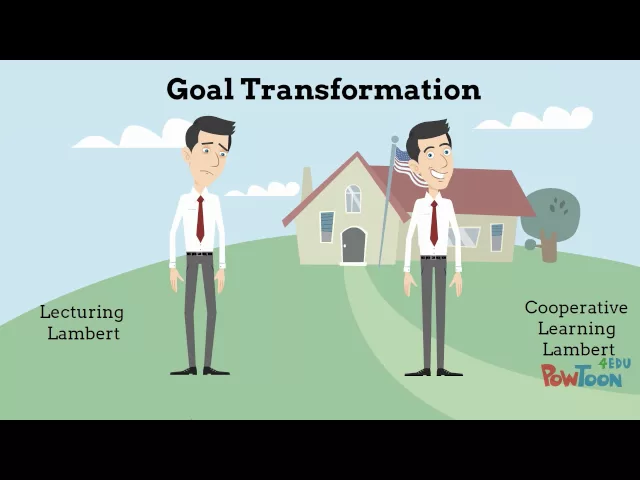
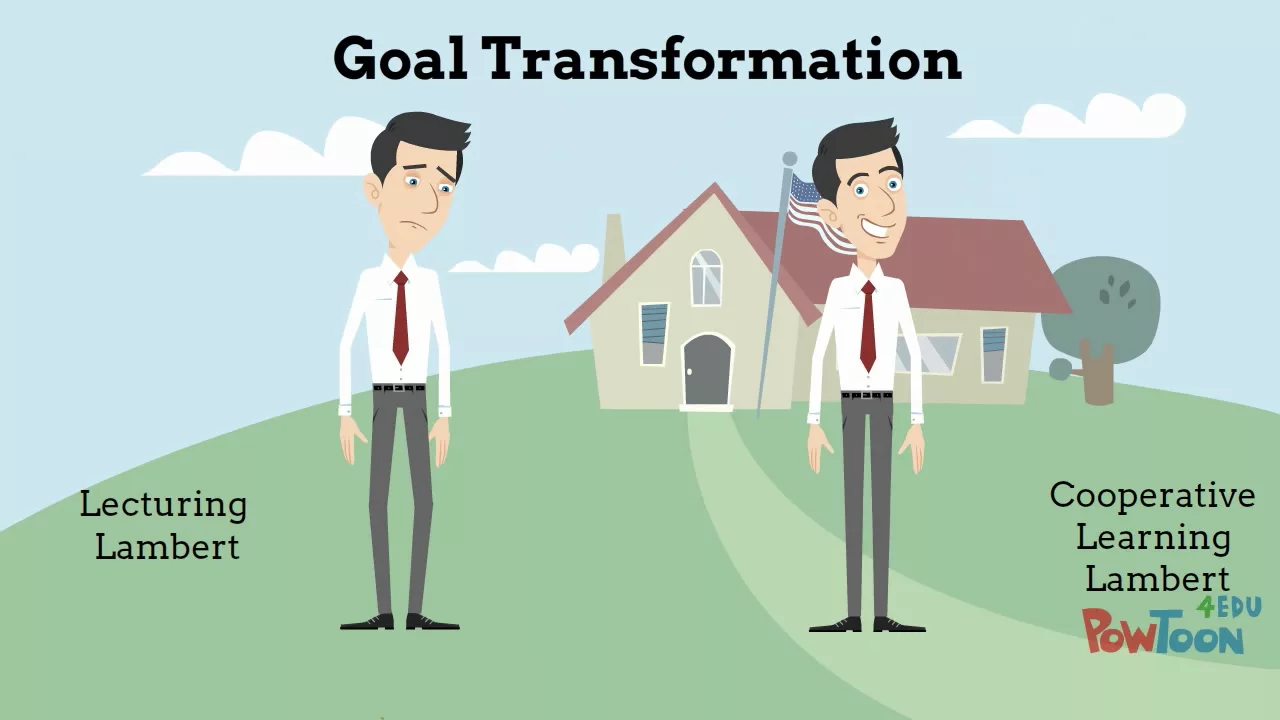
hi everyone and welcome to Lambert's lecture room where he's always at the front of the room you guessed it lecturing okay now let's look at his adult Learners who are so excited to be here that their eyes are glazed over wait wait are they paying attention uh-oh looks like these students aren't getting much out of passively sitting in class watching Lambert talk to the front board where's the engagement this material might be applicable to Lambert students lives but they wouldn't know given Lambert's constant use of lecture okay so how do we fix this well there's
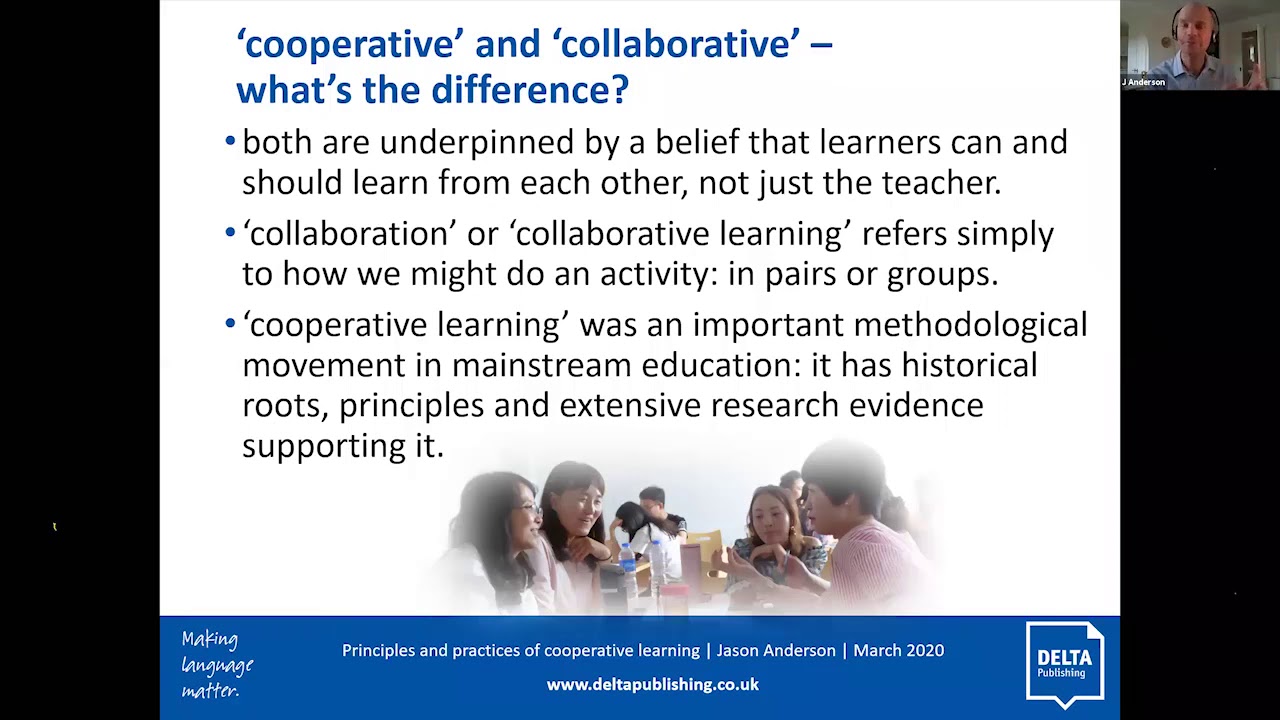
an educational technique called Cooperative learning that might be helpful in Lambert's lecture class now most of you might have experienced or heard about this type of learning in the K12 setting there has been so much research studying the effectiveness of teachers and student learning regarding this strategy but I'm really focused on Adult Learning or Andre Goji now Cooperative learning is the type of Collaborative Learning which is sometimes referred to as peer learning Active Learning and group work however Cooperative learning is so much more it's a student- centered approach where and I quote planning teaching and
assessment revolve around the needs and abilities of the students teachers using this strategy play the role of the facilitator in learning so basically teachers are using these strategies to minimize the traditional teacher centered approach you know just like the ones that Lambert is using American adult educator knows you know the person to actually adopt Andre Goji stressed that adult Learners need Independence self-direction ownership of learning relevant applicable context and the sharing of Life Experiences as a source of knowledge according to tibit and Hector Mason Cooperative learning is one key instructional approach derived from past research
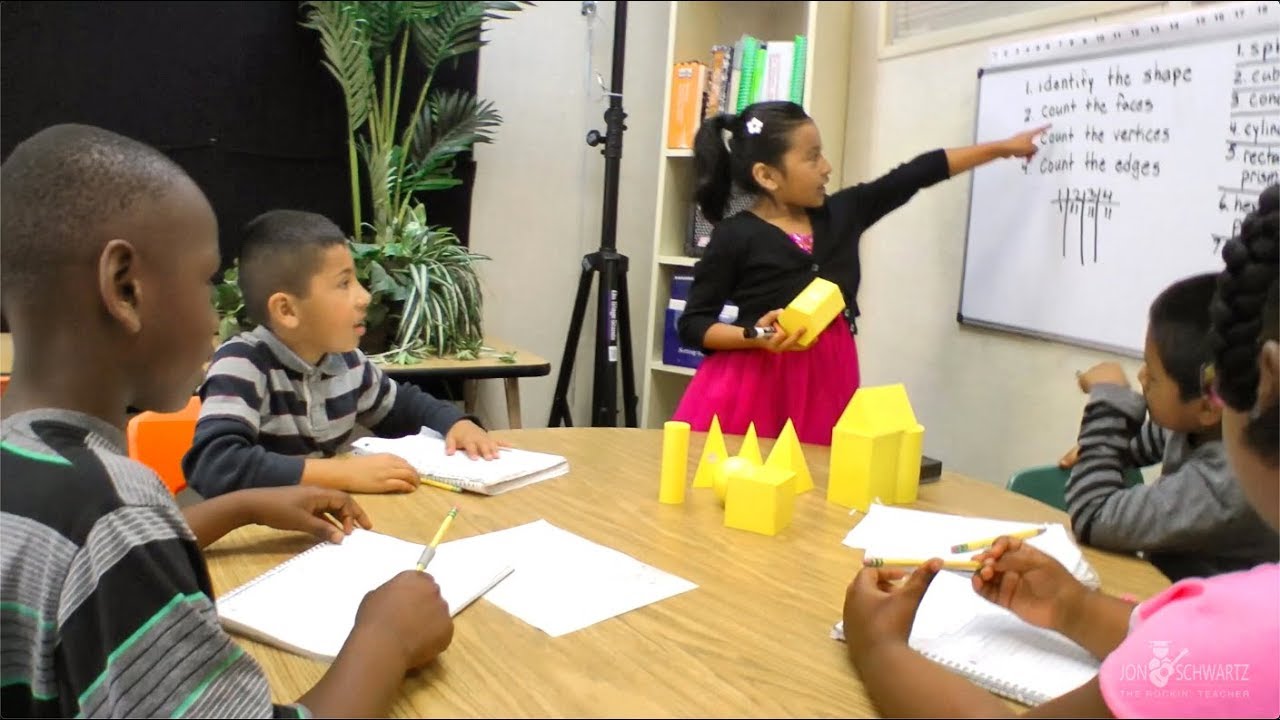
and practice that has been shown to address the targeted needs of students okay I get it enough about how great Cooperative learning is you're probably wondering what is it actually Cooperative learning involves small teams of individuals who explore a topic together all the while ultimately gaining a more in-depth Insight of material the whole idea of making coursework meaningful and constructing understanding as a critical learning component requires active learning as opposed to the want W passive learning that is reflected in our friend Lambert's class now there are five major components of Cooperative learning which includes number
one face-to-face interaction number two positive goal interdependence number three individual accountability number four group processing in an interpersonal small group and number five social skills in these small groups adult Learners are able to share their strengths acknowledge and work on their weaknesses and continue to develop interpersonal skills so in a typical Cooperative Learning lesson the groups are a place where Learners are actively participating teachers learn and Learners teach members are respected and feel safe within the group activities are challenging and are of interest to the Learners hey Learners actually are learning from the challenges diversity
is celebrated and is incorporated within the activity because past experience is part of The Learning Experience goals are clearly identified resources are provided and are accessible and finally Learners are invested in their own learning group processing and are held accountable as a group and as individuals each group member is assigned to a predetermined role and is responsible for his or her part this feeds into the positive inter dependence within the group for a task to be completed as well as being held individually accountable okay now the part we all hate the problem the problem with
implementing Cooperative learning strategies is that many programs and instructors vary in how they Implement collaborative or cooperative practices this often times depends on a variety of factors like instructor familiarity with the approach program funding student interests and finally motivation another problem is that at first Lambert might feel a little uncomfortable letting the rains go a bit because he's so used to a teacher centered approach so it's not uncommon for teachers to feel like they need to lead the groups but what he and other teachers who want to use this approach need to realize is that
his goal has changed from the ultimate transmitter of knowledge to now the facilitator of knowledge monitoring assisting and evaluating is absolutely key to do this effectively Lambert needs to move among the groups to keep students actively engaged in their roles okay now that that's over you know the problem let's talk about the benefits of Cooperative learning this type of teaching strategy has had so many powerful effects of student learning in particular many benefits are noted with low achieving adult Learners it has also been linked to educational outcomes that are in the hidden curriculum these outcomes
include critical thinking metac cognition and motivation using the types of approaches that allow students to work together use their knowledge and communicate actually promote and Empower students to be lifelong self-directed Learners additionally this strategy welcomes flexibility within its implementation so instructors can use their knowledge about the population of adult Learners to construct the groups for example Lambert might want to group three students together who teach grades one to to three who also share a similar perspective or he could pair each student heterogeneously with students in different career fields to gain many different perspectives so here
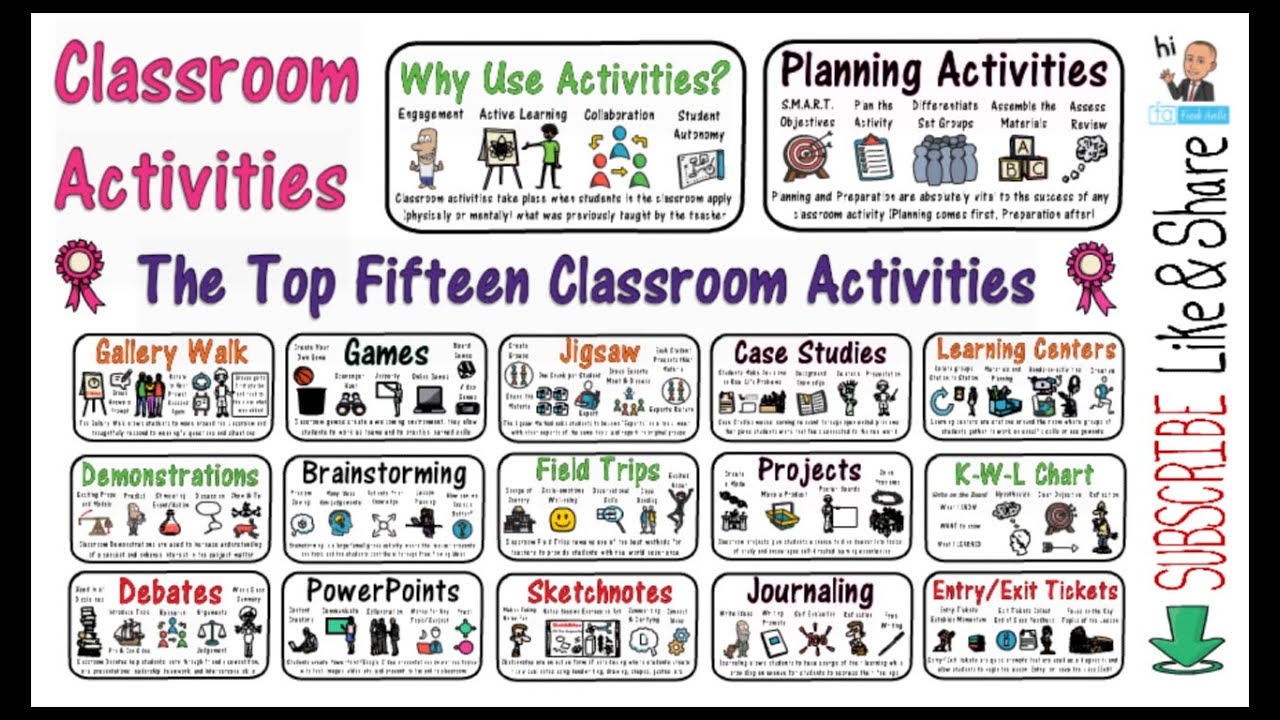
anything goes okay well maybe not anything because it takes much planning on Lambert's part to know what types of grouping will be best for his lesson and for the students in the class but you get my gist it gives Lambert and his students the flexibility to grow with each other and to have fun with learning now let's do a wrap up beware Cooperative learning is more than just having students work in groups it takes much planning and foresight for a group activity to be considered Cooperative learning this teaching and learning strategy has had many benefits
on Adult Learning but major changes may be required for some programs and instructors we've moved into a knowledge value era that requires students to shift from learning isolated skills for a particular particular career to learning a variety of skills that allow them to seamlessly shift from one to another in our Ever Changing job market instructors like Lambert who really do have the best intentions and want to improve engagement of all adult Learners should ensure that course activities promote multiple Pathways for Learning and plenty of opportunities for group discussion and teamwork it requires a willingness to
participate a Clear Vision on the instructor's part and clear goals you can really think of it as the gift of empowerment through a supportive environment for both Lambert and his adult Learners so what do you think I think Lambert and his students all look so happy and are ready for the future because they're using Cooperative learning want to learn more about Cooperative learning because you're so inspired by this video check out these resources and videos listed below