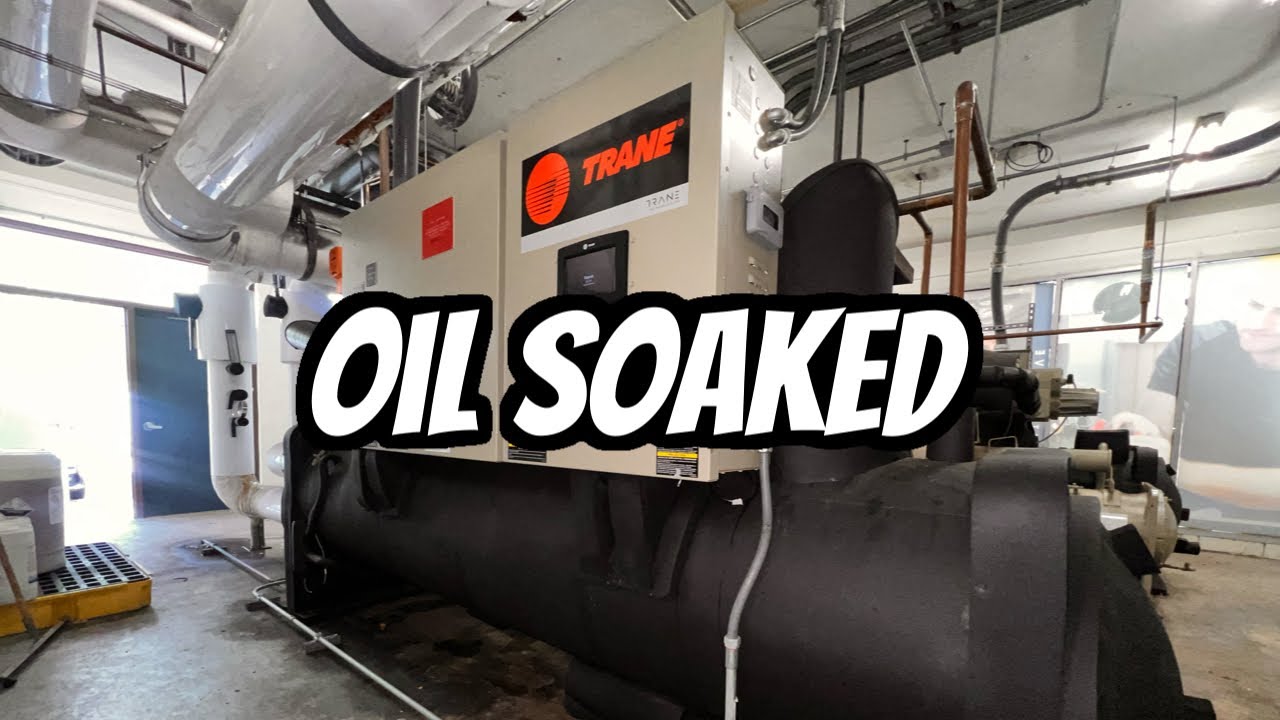
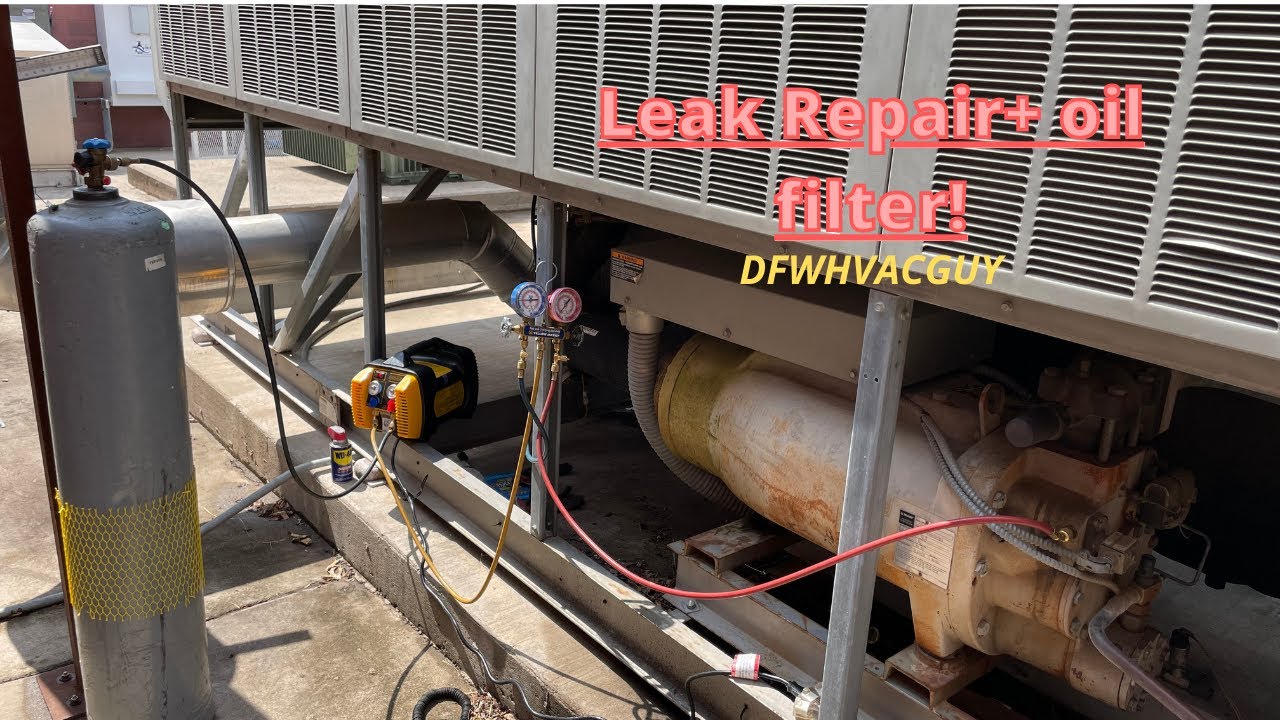
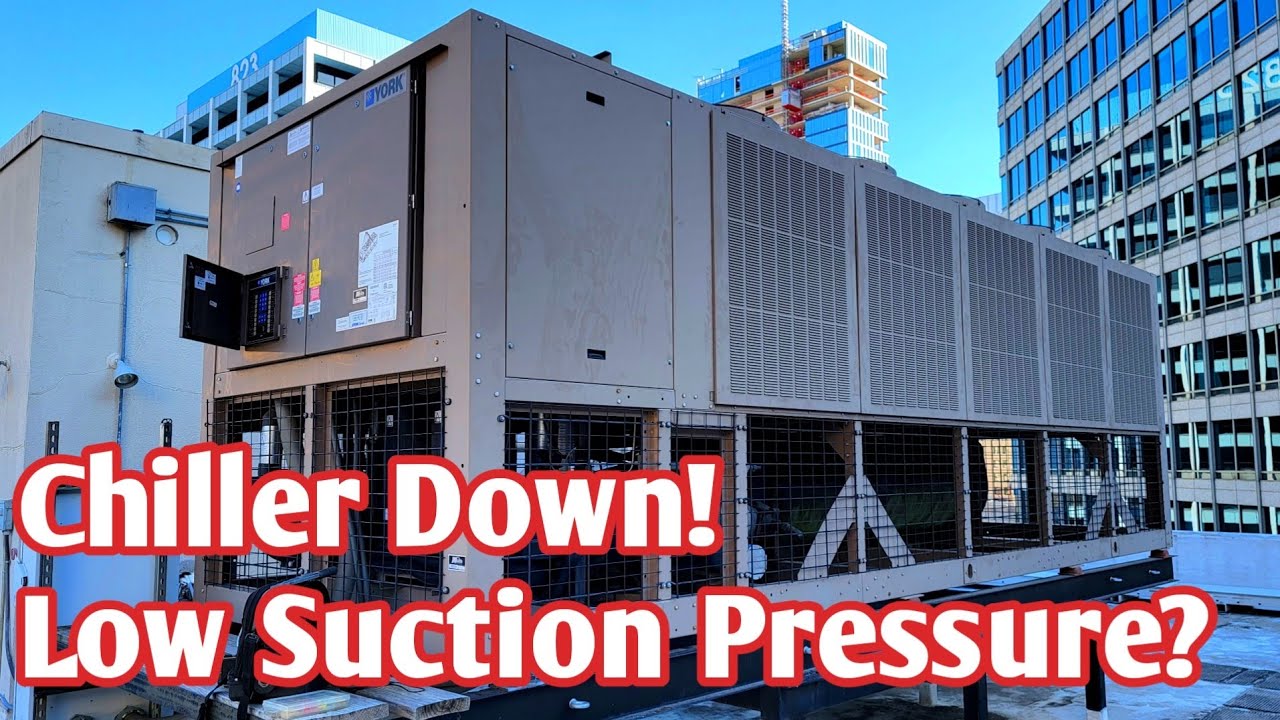
we're getting a service call on this RTA and it was tripping on a compressor saturation temp whenever it went into a startup and we kind of dealt with this a little bit last year and it was something we were trying to work through and work towards and see what was going on so we're coming back around to our cooling season again and they're having some morning startups where they needed it and the uh we had put a seagam chiller in on this building and so forth and anyway so it's pretty interesting whenever we went to
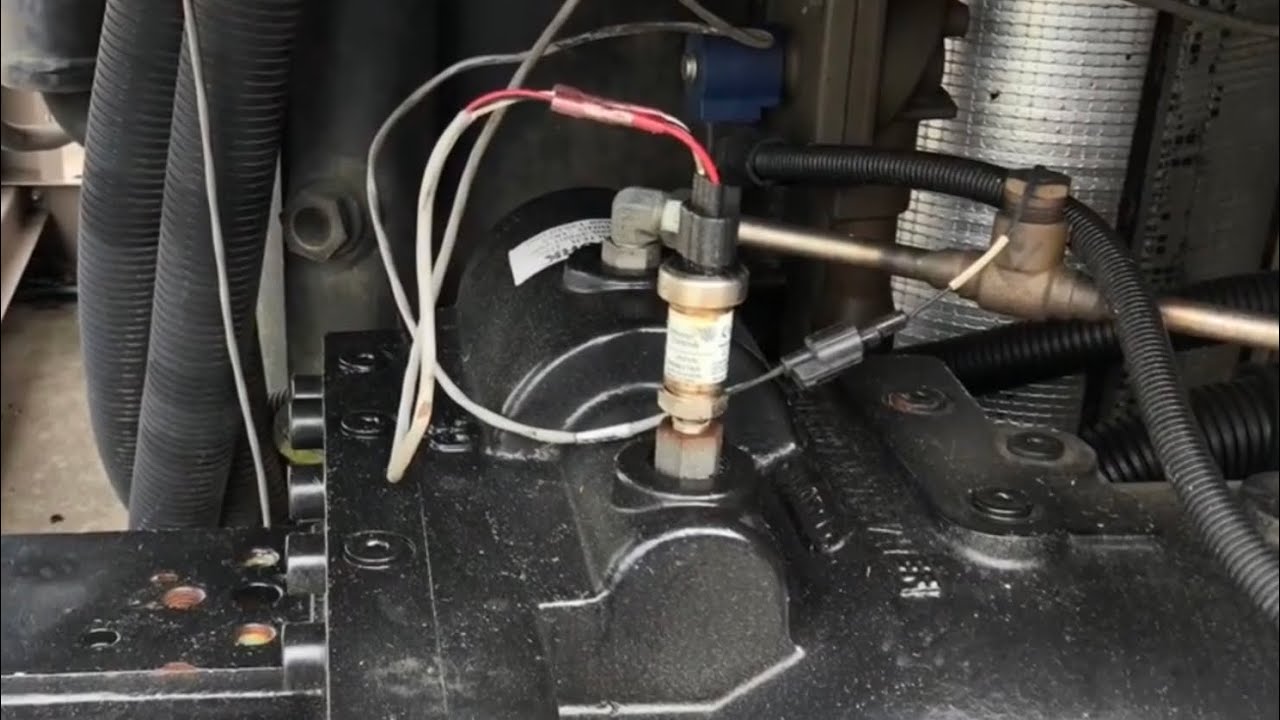
try to start the troubleshoot on this trying to figure out exactly why it was because we had recently replaced this compressor about actually I guess it's been about two years ago now and it's been working mostly okay we've had a few issues one of the problems we had was the eev was constantly having a failure ended up being a module in the control panel but during all that time frame we had replaced the suction saturation sensor and the suction sensor on the bottom of the compressor so this Center was new this eev's new and our
suction sensor down here is new so the customer was saying that when it went to start up uh usually first thing in the morning it was having trouble tripping out and it would trigger that alarm you could reset it a few times and eventually he could get it to run for a more extended period of time there's a handful of conditions it could be whenever you're looking at that a lot of times if the eev is having issues that could have something to do with it because then if the EV is under feeding and it's
not opening properly that can cause a lot of your problem another symptom could be if the suction saturation sensor which is reading literal refrigerant saturation temperature is something that a lot of people don't realize these machines don't have transducers they're taking actual refrigerant temps and then converting that over into a pressure so the pressure you see on the control panel that's all it is we did check that and that was actually right on par it was within like one degree but the suction temperature sensor which is coming into the back of the compressor that was
right at three degrees now that one's a little more obscure because it's actually reading right there off of the motor and we got a lot of this piping in the way and it's not so straightforward getting a comparative temp so I can give a little more leeway on that one but typically two degrees is about all we usually want to allow in terms of differential and that should be pretty close to that typically that's that's within a two degree span this particular time as it was three but it was three degrees high and so typically
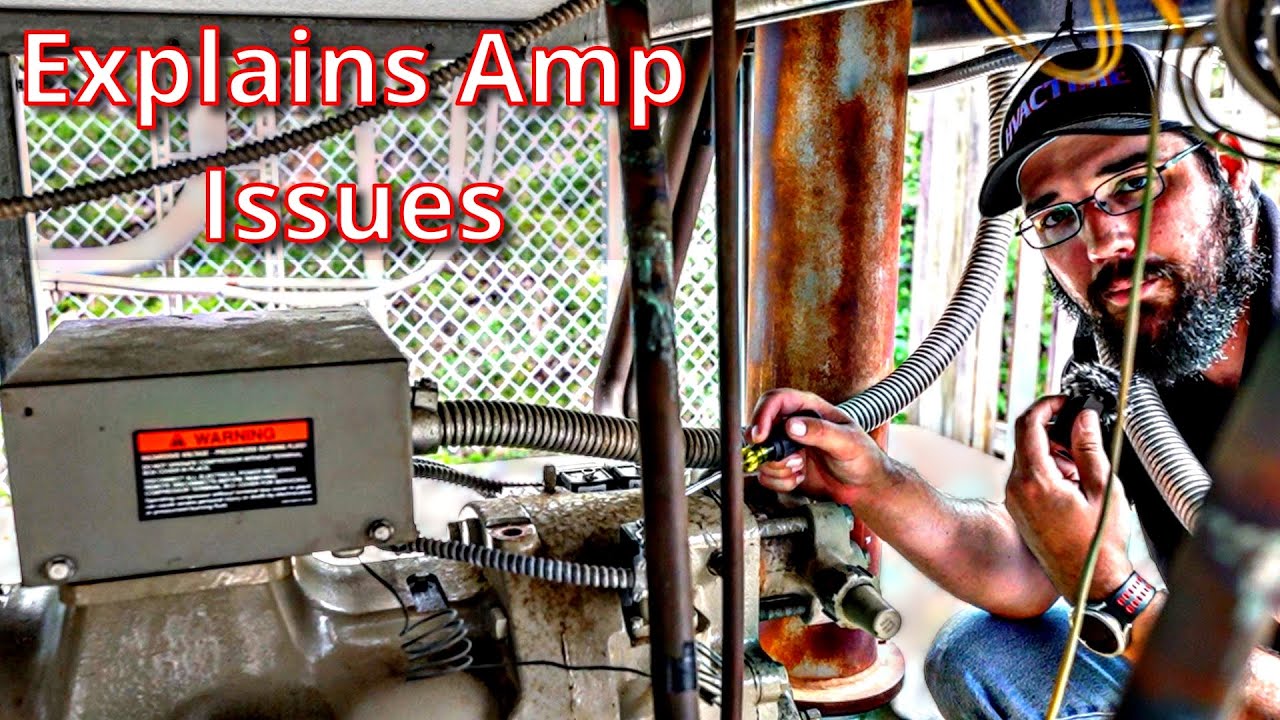
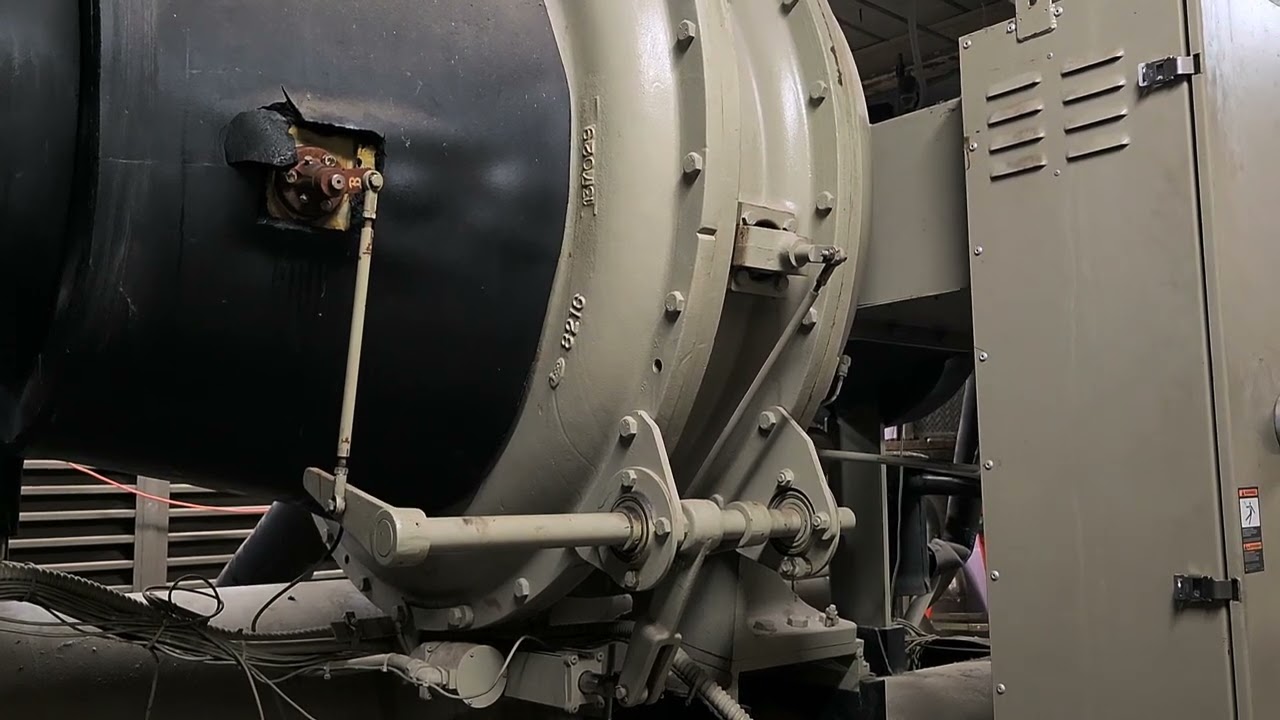
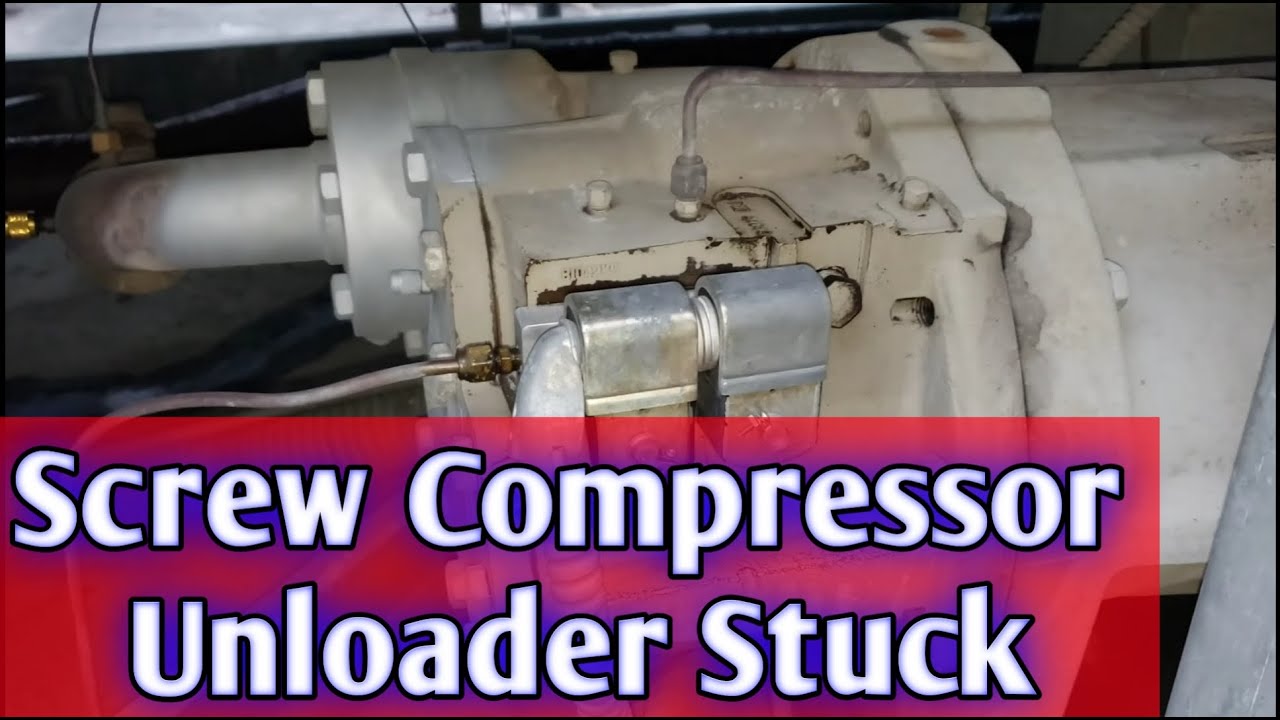
that would mean we want to feed more refrigerant not less so I would probably run the valve a little more open than I probably have to with that sensor reading slightly high in its calibration so the next thought goes to okay are we dealing with maybe an unloading issue so that's something I've had in the past where the unloader if it's uh if it's not able to Stage properly whether it be the slide is sticking or the unloader coils are having problems something along those lines maybe that's got something to do with it and this
compressor did have have it had a weird wiring issue on the unloaders we found when we changed it out now we didn't immediately notice it whenever we did the replacement so we once we got it back in we went to start it up we noticed it was not loading right and it was just acting really funny so that's when we uh dug into that found it fixed it so I didn't and looking at it I don't have it's still fine like the the loading wiring still looks good the control module is still outputting properly and
so we were able to rule that out just based off of that but it doesn't mean that's all the story so if our temperature sensors are on point we know our GPM on the chiller is good once we get it started up and we get everything to where it's able to run it's doing okay like it's not having any dramatic or major issues so that's when the question became okay what does our oil look like so if you don't know these compressors utilize the oil system to help push the push the compressor's slide so that
it can load and unload properly so part of what started today latest on the oil path is we got it started up and we got it to stabilize and it wasn't loading past what was it 85 or it was just right at 90 percent is what it was it couldn't load past that now typically for these machines they're able to load up to you know well over a hundred percent of their load and that we could hear the loader clicking and firing and it would just it wasn't getting there and it needed to get a
little more capacity in the compressor because circuit two is down and even if it wasn't down we could lock it out to where we strictly load up circuit one so as we're trying to load it it just it stalls out and it won't go any further so that's like okay well what's our oil looking like because or if our oil is having trouble then we're not going to be able to load properly and that slide's not going to be able to actuate the way it's meant to and you could also hear this little bit of
a kind of a hiccup in the compressor almost unlike the compressor bearings every once in a while so we checked the oil temperature the oil temperature was uh we were starting off at around 8 eight degrees above condenser saturation and then as it ran and tried to Stage up it would start to slowly climb now when you start getting a low oil you will start to run an elevated oil temperature so the longer it ran the more it would slowly climb but granted it would still pop out somewhere around 130 140 was the upper end
of what we would see and it would take several minutes to get there so that didn't really indicate an obvious oil issue because the safety trip point on that part of the manual should be around 170 degrees just because our oil temperature wasn't having a problem didn't mean that we weren't having an oil level issue it didn't mean we were still fine on oil we just it wasn't as obvious as that because of where the temperatures were so technically we were within where our tolerance is there and typically if you're having an oil restriction the
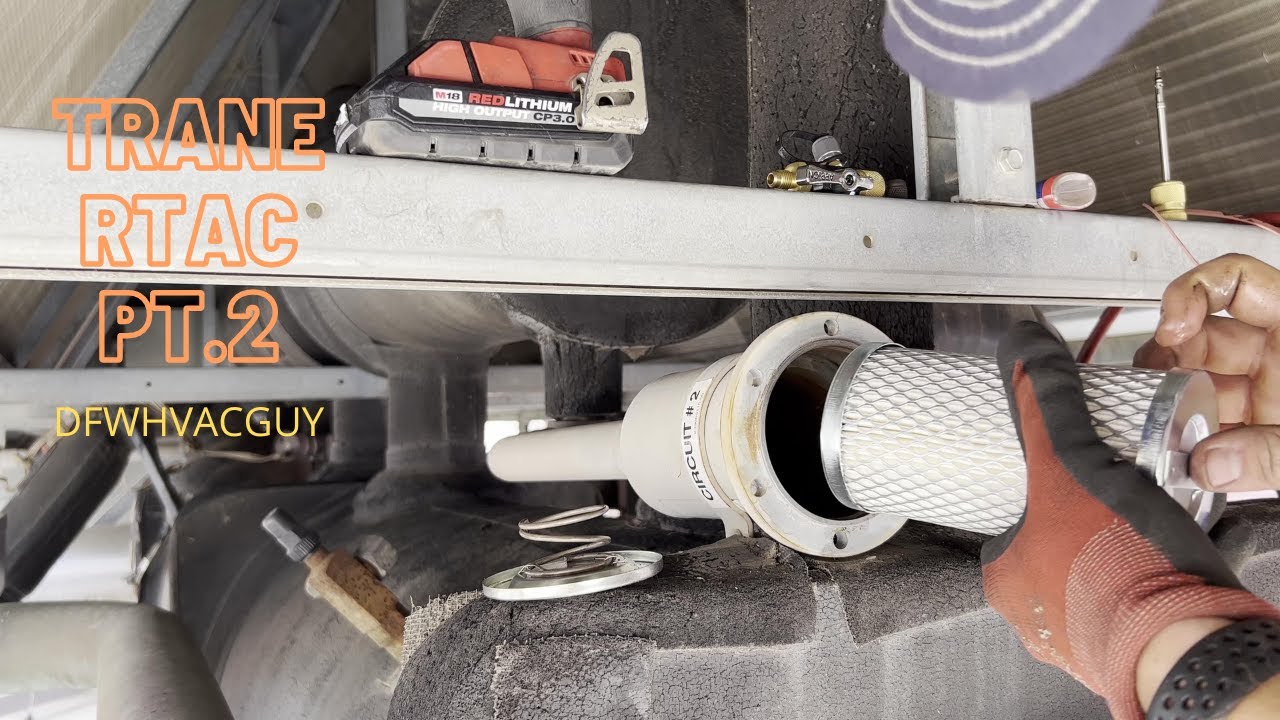
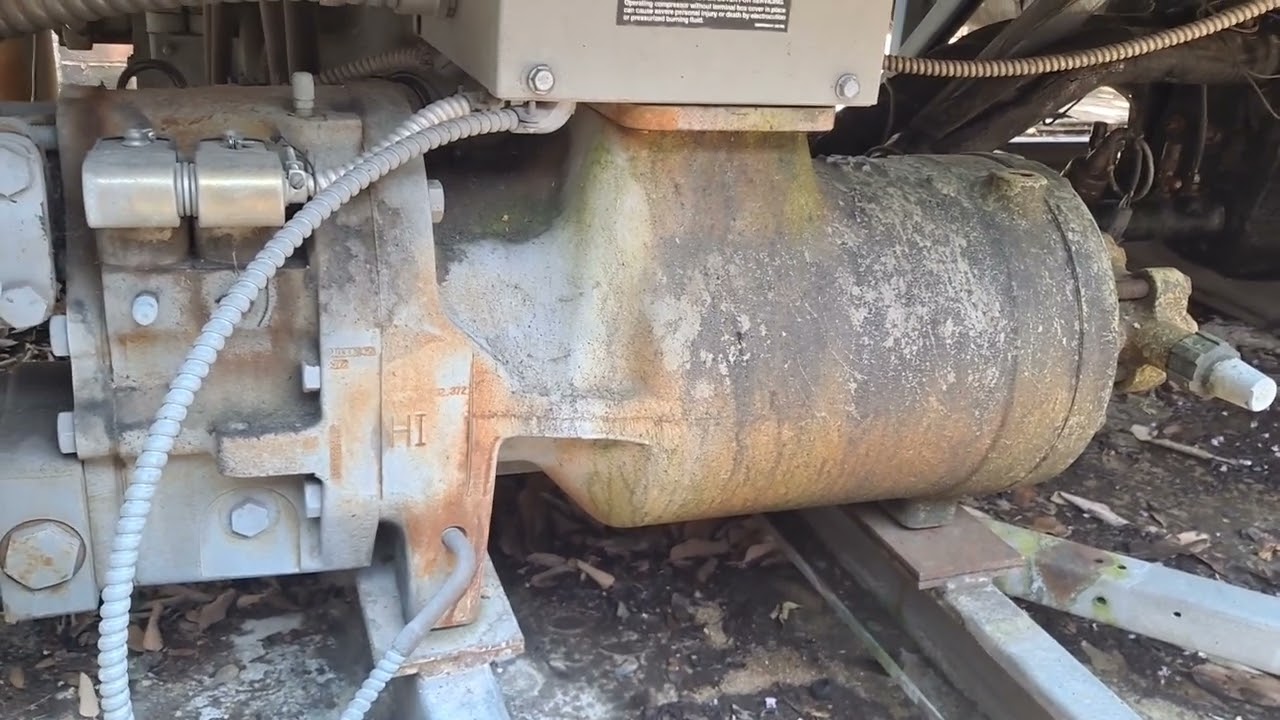
incoming temperature at the compressor will actually be low and that's where the trip point is for that is if you're four degrees lower than condenser saturation and that's the system's going to see that as a oil restriction where has a low oil or oil loss is going to be a higher or more elevated oil temperature so this led us to needing to check our actual oil level on this separator now I tried to do that through my thermal imager because typically what I've seen with that is the oil levels in here will be at a
just enough of a temperature difference that your imager will be able to see a separation between what is the actual discharge refrigerant and these solid liquid level of the oil column in this cylinder now I do want to say appreciation to top Don for sending over this thermal imager I've had it for actually quite some time I've they've asked me to do something on it for a while now I haven't had time to really get around to it so but honestly it's a fairly inexpensive one on the market I think you can get them through
Amazon but it's actually it's been great it's the temperatures have been very accurate it's worked well it's not perfect the software for the phone it is very convenient it works like it's supposed to uh sure you can probably get a better quality one on the market but you're going to spend a lot more for it this one I think are let they're at or less than 200 bucks or somewhere in there so in my opinion what would be very affordable for most guys and I could definitely recommend this one as a as a good entry
level option if you needed a thermal imaging camera they did not sponsor this in any way all they did was provide the tools and I just told them I'd talk about it whenever I got ready so in doing that temperature check I just I wasn't seeing the separation like I expected and that was very strange to me and it made me worried that we didn't have enough oil in here so the very next thing we did and it's not the it's not the correct way to do it but with it still running we went ahead
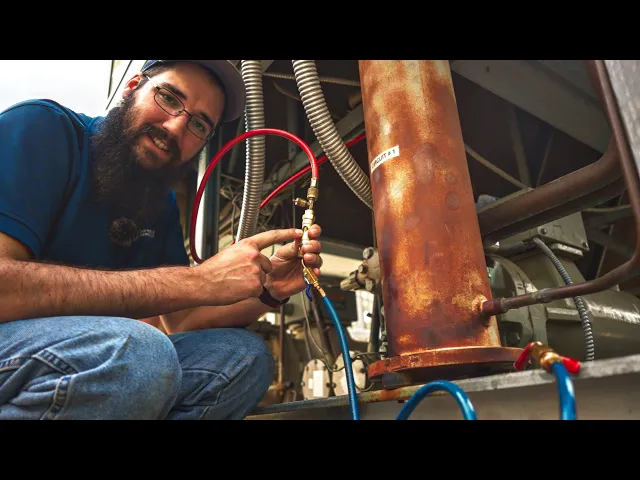
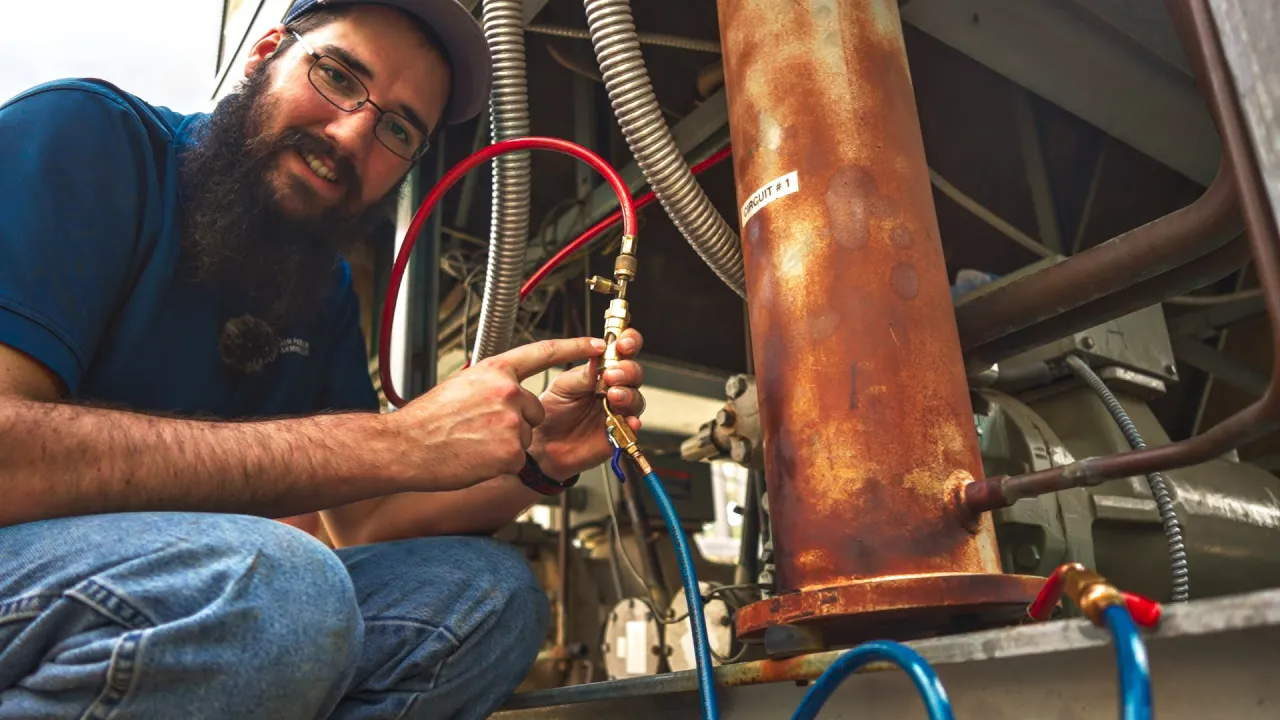
and hooked up to the to the system and I and whenever you're doing a level check like this so if you don't know what I'm holding in my hand I've got a sight glass here and this sight glass is connected to the discharge side and then the bottom of the oil sump on the service port and we're able to see our actual level by doing it this way because part of what happens is the the heavy oil collects in the bottom and then the vapor comes up top and then we can kind of move this
up and down and eventually we get our actual oil level now with this running and that's one of the drawbacks to this particular series the discharge port's so low that it can kind of be a little finicky trying to do this but theoretically the discharge pressure here and the pressure on this cylinder should be almost perfectly identical so whenever we hooked it up with it online just to see what it was first now again I'm not recommending you do it that way just explaining what we did we ended up running to where yeah we had
almost no oil in here which corresponded with my thermal imaging camera and what I would have expected to see so the very next thing we did is we went ahead we had the building swap over to the chillers and we let this one shut down and the manual states that after it's had about 30 minutes of run time you shut it down give it about five minutes or so and then you can check your actual level and part of what we did was from there once the system's pressure is equalized we disconnected from the actual
discharge Port here and moved up to the liquid line Port so that we had a higher elevation to take the reading from and it would allow the sight glass to work a lot more smoothly and one of the things you have to be careful with is if you get a dip in it like this this can kind of create an airlock scenario so you want to make sure that you keep your hose elevated as possible above where your sight glass is so you don't create any kind of a weird spot and in doing that we
ended up finding that our actual liquid Le or oil level is only about three inches up into this cylinder and or the oil separator is what it is I keep calling it a cylinder but so this separator is uh supposed to be 5 to 10 inches from the base of the separator and we're only three inches so that confirmed that we have an old a low oil level situation so it is very likely that the oil level being low like this is affecting our slide's ability to move so if we can't control the oil on
the slide properly we're not going to load and unload the compressor properly and that's going to lead to it having issues with the suction saturation temperature dropping out and part of my theory because this compressor when it first starts up is only getting down to about 60 percent of its total capacity typically you see these get start off somewhere in the in the 40 maybe 50 percent range and then load up from there so I'm very suspicious that because our oil level is low that it's not allowing the compressor to unload the way it was
intended to and that is leading to it being overstaged at startup and eventually uh it's it's able to pull the refrigerant at too high of a rate of speed which ends up causing the the barrel to run too dry for too long and then we trip out on a low suction saturation from here we're going to get them some oil we'll get it charged up and uh we'll also verify our diagnosis I'm very confident once we get all this going we'll be fine they'll be good to go and there'll be another happy customer happy service
call appreciate everybody I hope this helps just a real quick nice hot dirty uh kind of I'll walk you through the call let you know what happened but same time give you some interesting details stuff we don't talk about all the time trying to make it a little more focused instead of just a random follow along some kind of crazy storyline just uh let me give you the hot dirty sweet grit I really want to look at that I don't know I'm just talking I'll see you later MTT