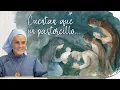
The saints have lived Christmas with profound humility. For me, Christmas, of course, is a very profound call to humility. The truth of how much I have been loved.
Not about how much I love, about how much I do for the Lord. . .
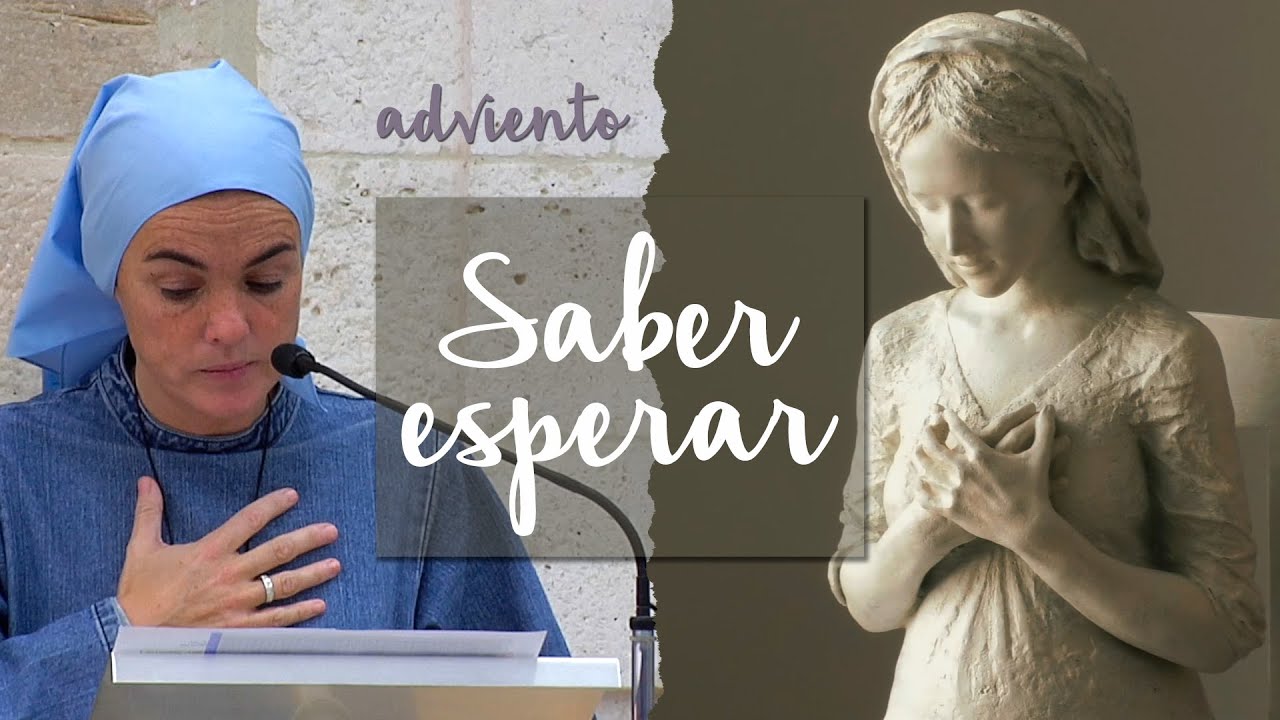
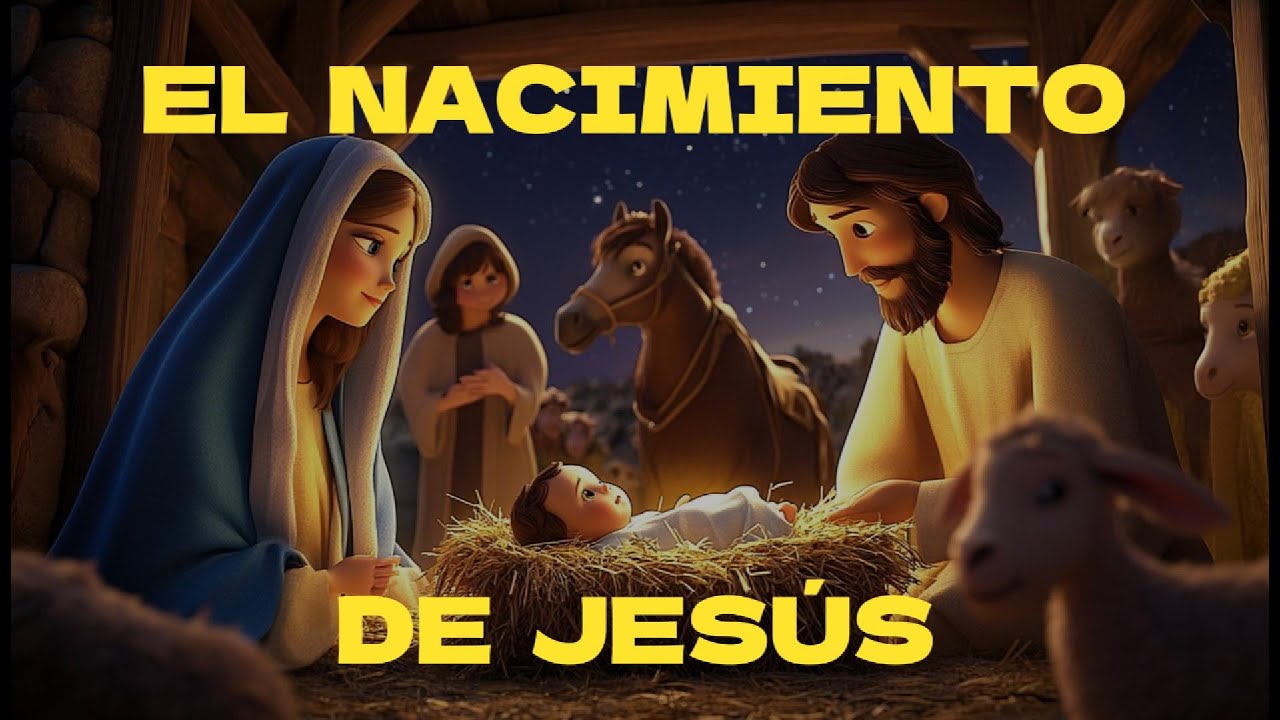
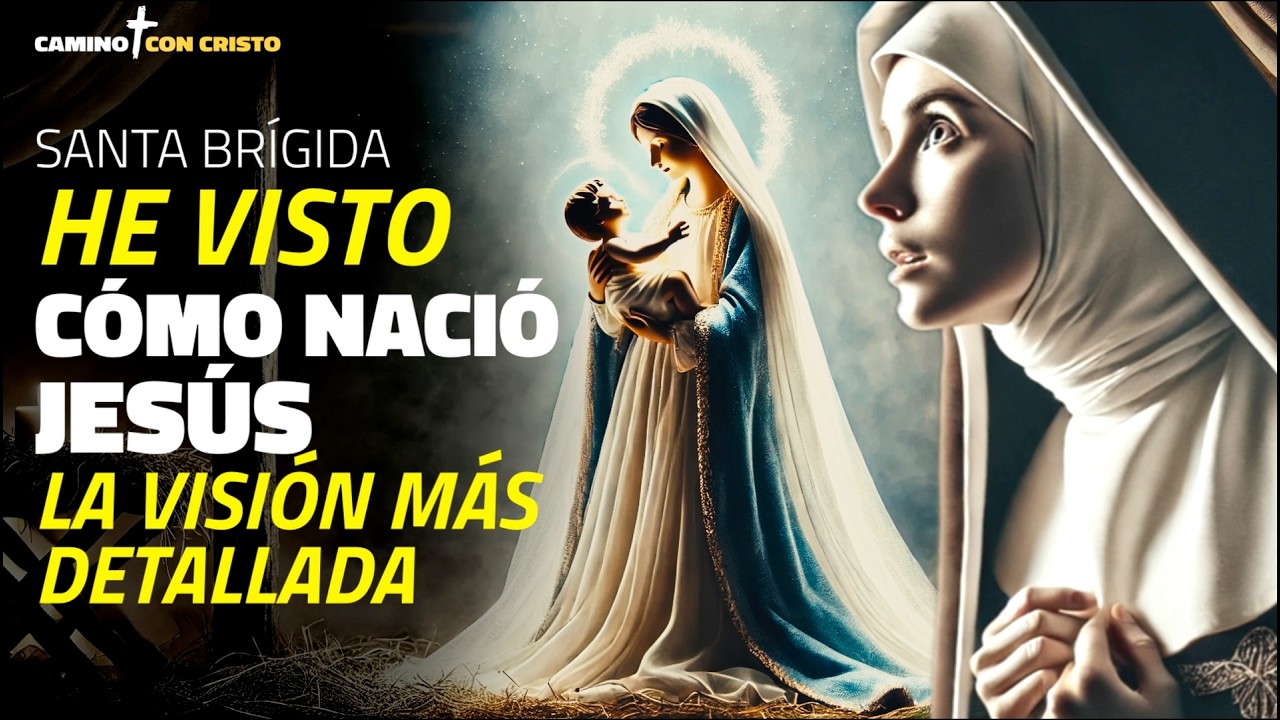
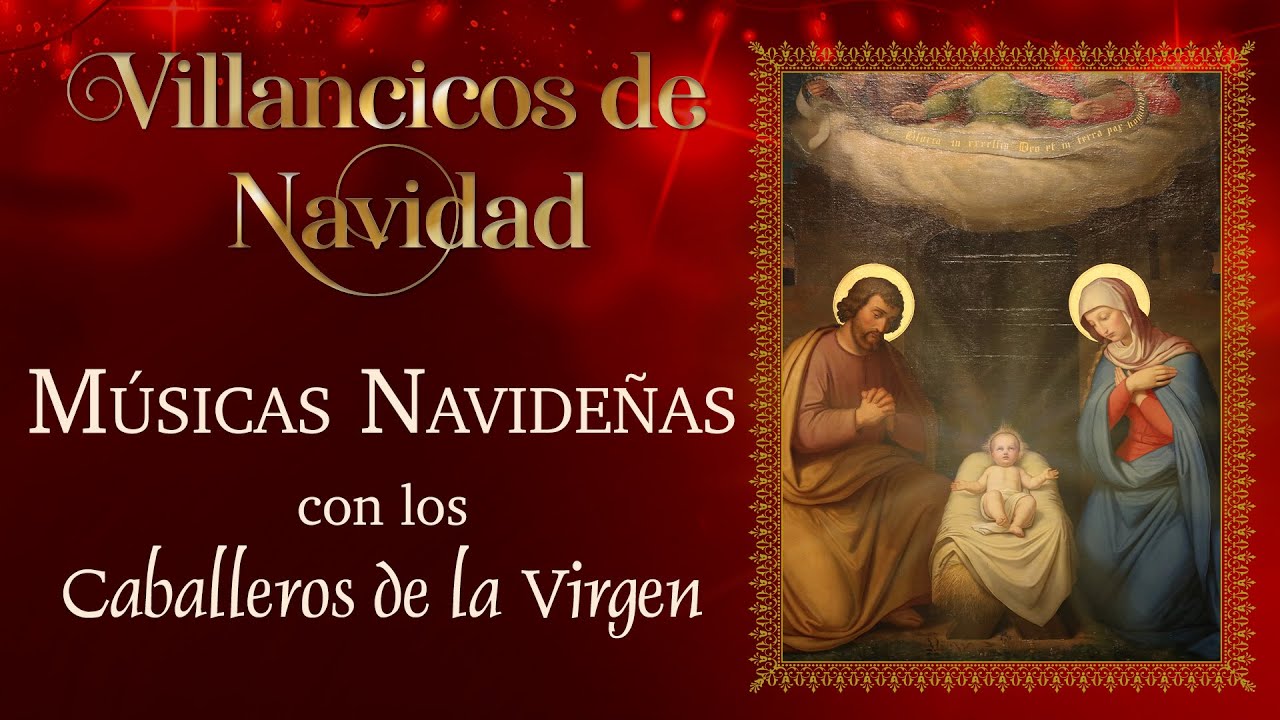
Christmas: how much you have loved me! When we contemplate the nativity scenes, it always teaches me a lot about living Christmas, that mystery of having become poor for love of me, which makes you fall in love. I always love to look at the face of the Virgin, the first worshiper, in the nativity scenes.
And there are hardly any external gestures, it is a contemplation, a constant contemplation that springs from amazement, from an amazement at the mystery, from a 'keeping everything in the heart'. The look that most helps me to present myself before the Child is that look of a wife, of a mother, of a daughter, of a girl with the Child, of a servant, of a queen, which is there as static in Him. It follows Him even in the smallest details.
movements. You don't want to miss anything; that expression: 'I want to learn you by heart', I want to know the mystery of God, embrace it in my entire being, in my entire memory to live from this unprecedented event. It can give us a lot of hope that the Virgin, while looking at the Child, is looking at those who approach, how they arrive, how they kneel or do not kneel, how they are.
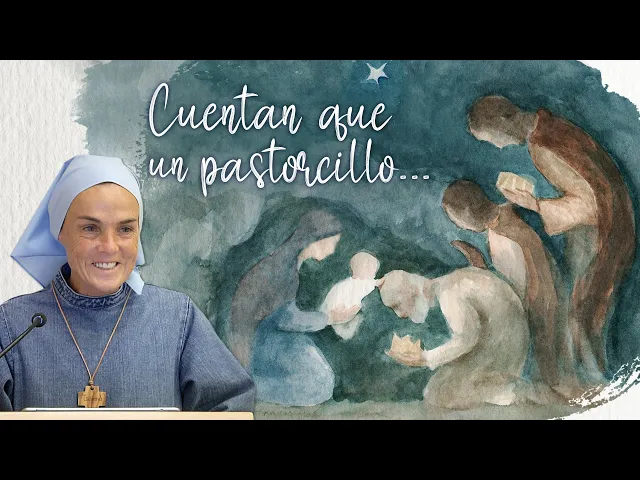
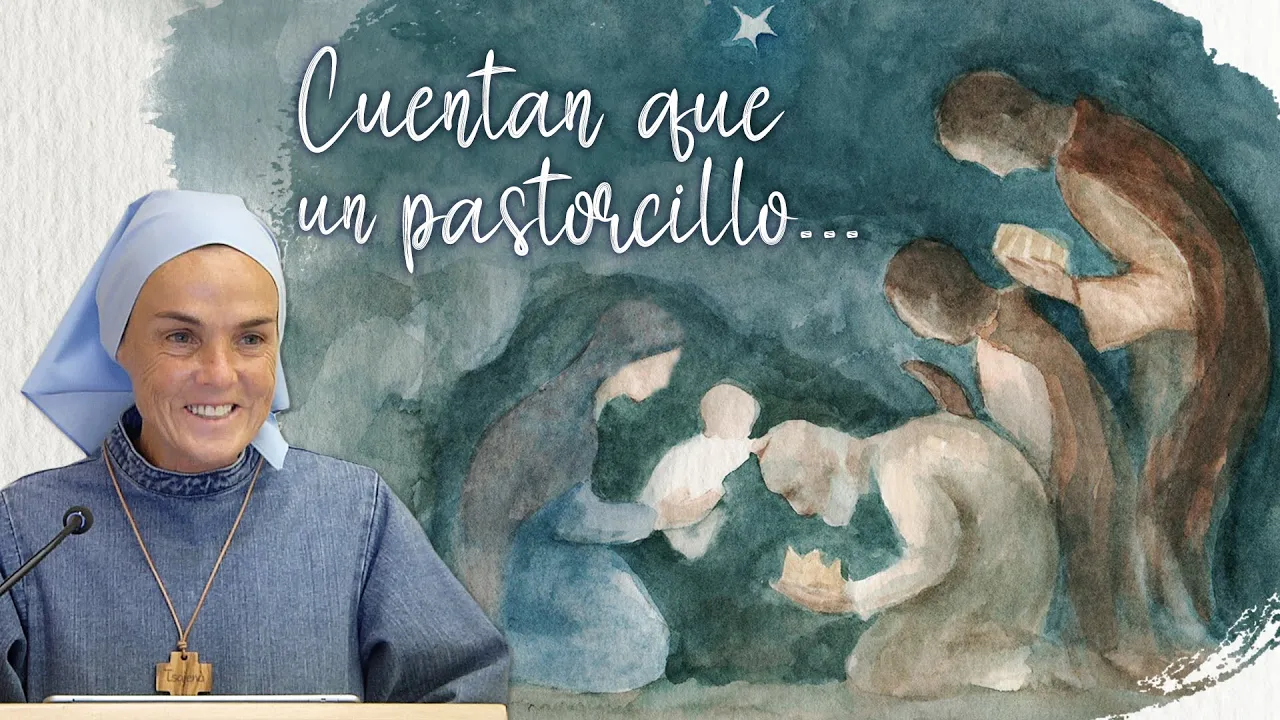
It is a look at the Child and a look at each one of those who love the Child. And they say in a Christmas legend that, among all the shepherds who came on Christmas night to worship the Child, there was one who cried and cried because he wanted to go see the Child, but he felt so poor that he had absolutely no present, no gift, nothing to offer and he was very ashamed. When they arrived at the grotto, everyone offered their gifts.
Mary received them all while holding the Child in her arms. But he saw two steps away, without daring to approach, a shepherd boy who was crying, looking and crying. His hands were free, he had nothing to give.
Then the Virgin, with a smile, draws him towards the Child and says: 'Take the Child Jesus for a moment. ' Having empty hands was the shepherd boy's great luck. It's true, I sometimes think that, if you go to visit a child, and you bring him huge boxes of gifts, the child stays as he is.
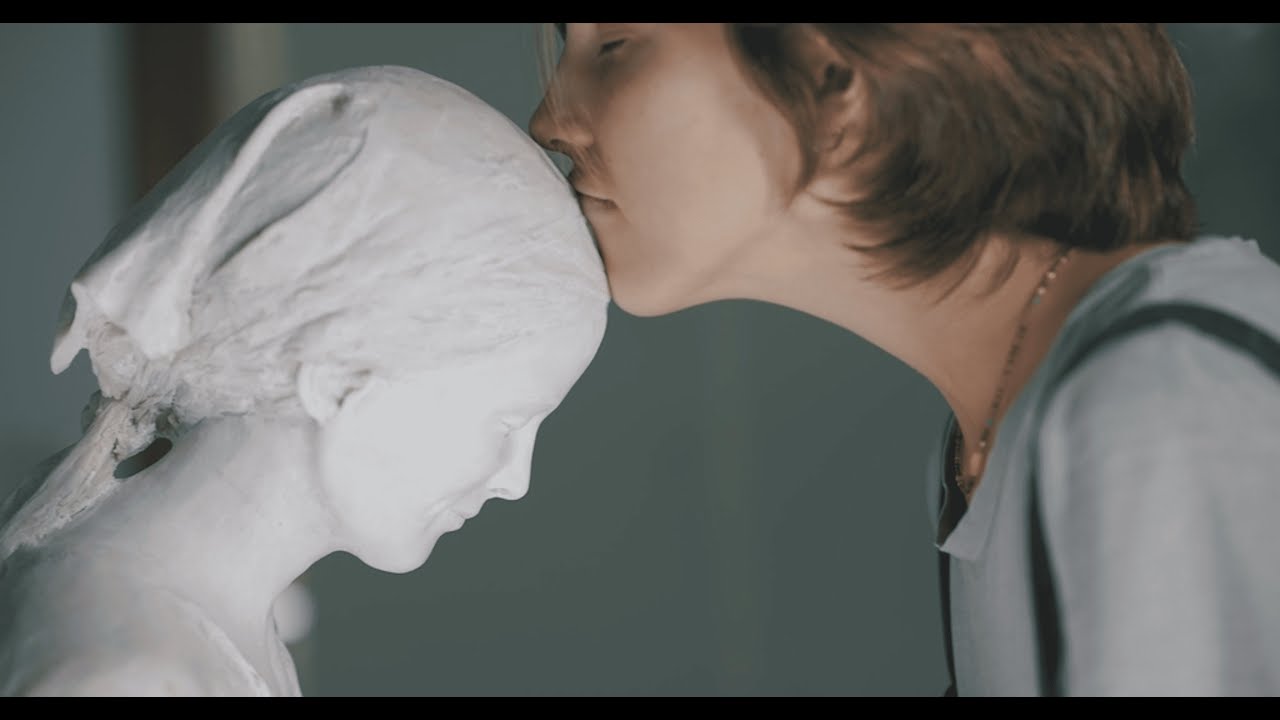
He doesn't know how to open them, he doesn't know what a scalextric is, he doesn't know anything. However, there is a language that we all understand from birth. If you pick up that child, if you kiss him, if you babble at him, the child whimpers, smiles, moves, moves before the stimuli of love.
This is the way, I believe, in which Christians worship God, a King. The King does not need more presents, everything is his. How many times do we want to approach God: 'Look this year, I have loved you more, what I have done for You, here I bring it to You', and He does not understand that.
Just understand that your poverty is where He can place Himself. Do you have your hands free, your heart free, to take it in you, with you? The Mother entrusted it to him who had nothing, because he was free to take it.
It is a call to that freedom, to the undivided heart, which does not even have or boast of its works. Empty hands and a free heart to take Jesus. That is why there are negative poverty that must be remedied, right?
When one closes oneself to love, poverty of affections; when he closes himself in his world and doesn't want to love; when he rejects others. . .
There are negative poverty that is caused by sin, but there is another poverty that God wanted to call blessed and that he has lived, it is poverty of spirit, those who have everything in Him. That little shepherd was so poor who cried and did not dare to approach and found that the Treasure of heaven rested in his hands. You have to truly want that blessed poverty which is not having merits in order to be able to present myself before God.
A poverty that is not proud of what one does, achieves or feels. A poverty that does not feel superior to others but a poverty that causes us to have unlimited trust in Him who is our everything. You are good, all good, supreme good—I love that text by Saint Francis—, You are my wealth to the full, You are my wealth to the full!
What freedom, what rest, and this is what it asks of us: empty hands to hug him. When you have many things in your hands you cannot hug, you have to leave them. Why do we insist so much on wanting to fill ourselves, create methods, paths, riches with God when He asks us for a virgin heart, free hands and trust, unlimited obedience in His love?
We would never have reached God through our merits and works. He descends and rests in the body, in the arms, in the hearts of the simple. The Virgin did not give great things to Jesus, he did not have them, he was poor, he gave himself.
When we worship Jesus, he asks us for everything and nothing. Nothing that we want to burden ourselves with and that would fill us with anxiety to obtain works, etcetera, etcetera. And He asks us for everything, yourself, your love so that He can give Himself completely to you, without obstacles, without complications.