12 reasons why you lose balance after 60 have you ever wondered why it's so common to see older adults struggling with balance but what exactly happens to our bodies as we age and lose this essential ability balance is something many of us take for granted but it's supported by a complex system of coordination between the senses muscles and brain is it just natural aging or are there other hidden factors contributing to this loss of balance as the years go by our ability to maintain balance can be impaired by various reasons from decreased visual Acuity to
muscle weakness and neurological problems what exactly can we do to prevent Falls and maintain our Mobility discover how to identify signs of balance problems and explore effective techniques to improve stability strengthen muscles and enhance proprioception after all what can we do today to ensure a safer and more active future stay with us until the end because reason number 11 is the most dangerous and almost no one knows about it important we have listed all the references used to create this video in the description for you to access whenever you want let's begin why does balance
deteriorate with age balance deteriorates with age due to a combination of physiological and neurological factors as we age there is a natural degeneration of sensory motor and cognitive systems the vestibular system located in the inner ear and crucial for maintaining balance deteriorates reducing sensitivity to position and movement additionally Vision which also contributes to balance can be affected by conditions such as cataracts and macular degeneration muscles and Joints also weaken diminishing the body's ability to respond quickly and efficiently to imbalances the central nervous system responsible for processing sensory information and coordinating motor responses can become less
efficient affecting the ability to maintain balance these changes increase the risk of Falls and injuries in older adults highlighting the importance of strength and balance exercises to minimize these effects 12 reasons why you lose balance after 60 12 sedentary lifestyle the silent danger that steals your Mobility a sedentary lifestyle is a major enemy of Health especially after age 60 as we age the lack of regular physical activity can lead to a range of problems affecting balance and Mobility the human body is designed to move and prolonged inactivity can result in muscle mass loss flexibility and
endurance this happens because muscles that are not used regularly tend to atrophy becoming weaker and less able to support the body adequately additionally a sedentary lifestyle contributes to weight gain which can overburden joints and Bones increasing the risk of Falls lack of exercise also affects the cardiovascular system reducing the efficiency of blood circulation and decreasing the body's response to position changes such as standing up quickly therefore staying active is crucial for preserving mobility and balance regular walks stretching and muscle strengthening exercises are essential to combat the effects of a sedentary lifestyle adopting an active lifestyle
not only improves balance but also promotes a better quality of life allowing older adults to maintain their independence and enjoy daily activities with more safety and confidence 11 vitamin B12 deficiency the essential nutrient you may be missing vitamin B12 is essential for the proper functioning of the nervous system and the production of blood cells with age the absorption of this vitamin May decrease leading to a deficiency that often goes unnoticed vitamin B12 deficiency can cause a range of symptoms that affect balance and coordination including numbness and tingling in the hands and feet gate difficulties and
even memory and concentration problems this is because vitamin B12 is crucial for the maintenance of myin a protective layer surrounding nerves without it nerves can become damaged impairing communication between the brain and the rest of the body additionally B12 deficiency can lead to anemia a condition that reduces the number number of red blood cells in the blood compromising oxygen transport to tissues and causing weakness and fatigue older adults are particularly vulnerable to this deficiency due to dietary changes the use of certain medications that interfere with B12 absorption and health conditions such as atrophic gastritis therefore
it is important to regularly monitor vitamin B12 levels and consider supplementation or dietary adjustments including B12 rich foods like meat fish eggs and dairy Consulting a healthc care professional for evaluation and guidance is essential to prevent complications associated with this deficiency 10 dehydration the small oversight with big consequences dehydration is a common problem that can have serious consequences for older adults including loss of balance with age the sense of thirst diminishes which can lead to insufficient fluid intake additionally some medications and health conditions such as kidney problems and diabetes can increase the risk of dehydration
water is essential for maintaining blood volume regulating body temperature and ensuring the proper functioning of muscles and Joints when the body is dehydrated blood volume decreases which can lead to a drop in blood pressure and The Sensation of dizziness or vertigo especially when standing up quickly this increases the risk of Falls which can be particularly dangerous for older adults additionally dehydration can cause mental confusion fatigue and weakness further affecting stability it is crucial to drink water regularly throughout the day even without feeling thirsty and include water-rich Foods in the diet such as fruits and vegetables
avoiding alcoholic and caffeinated beverages which can contribute to dehydration is also important staying well hydrated is a simple but effective measure to protect health and balance nine diabetes the Hidden Side that affects your feet and balance diabetes is a chronic condition that can significantly impact balance especially when not well controlled one of the main issues related to diabetes is peripheral neuropathy which is damaged to the nerves in the feet and legs this can result in decreased sensation pain tingling and weakness making it difficult for individuals to feel their feet and consequently maintain balance additionally diabetes
can cause blood circulation problems leading to poor healing and increased infection risk further exacerbating foot problems hyperglycemia or elevated blood sugar levels can also cause changes in vision and cognitive processes affecting spatial perception and coordination for older adults who may already be dealing with other factors compromising balance these additional issues can significantly increase the risk of Falls it is essential for people with diabet I abetes to maintain strict blood sugar control practice regular foot care and wear appropriate Footwear regular consultations with an endocrinologist and a podiatrist are recommended to prevent and treat complications thereby protecting
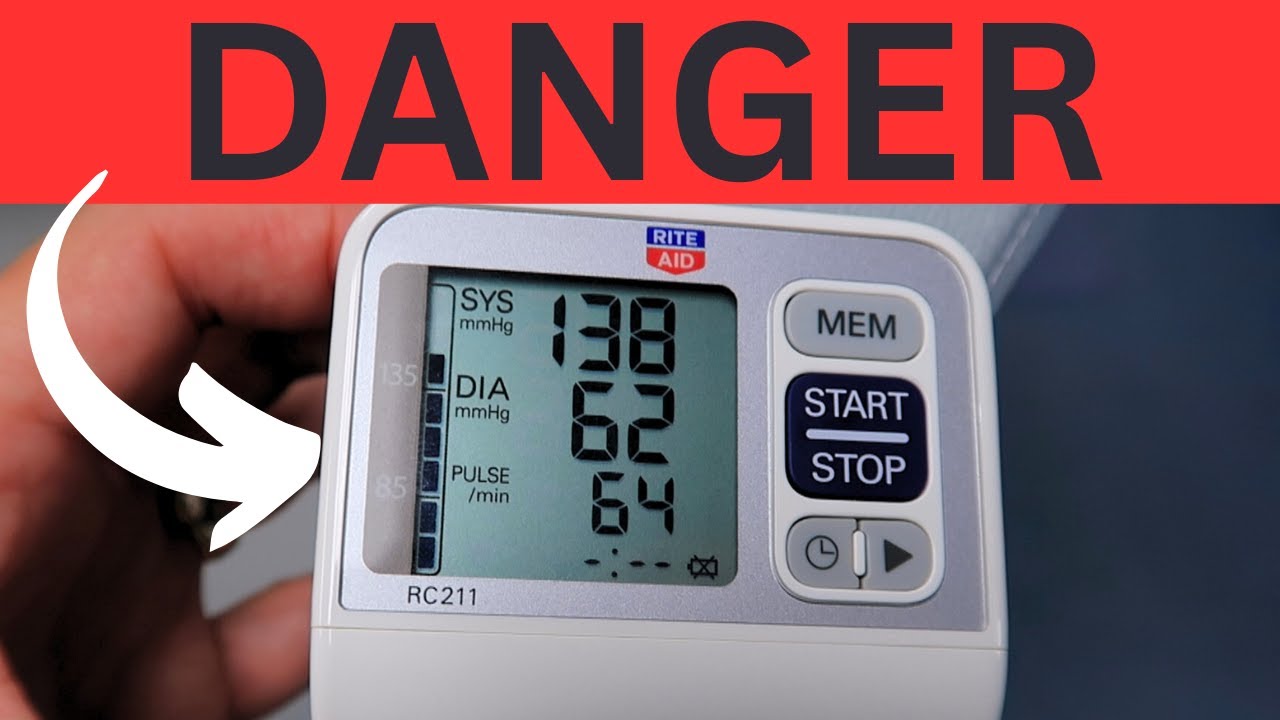
balance and Mobility eight hypertension the hidden cause of dizziness when standing up hypertension or low blood pressure is a condition that can go unnoticed but significantly affects balance especially when standing up when blood pressure is low the blood flow to the brain can be insufficient leading to symptoms such as dizziness fainting and blurred vision this is particularly dangerous when changing positions quickly such as standing up from a chair or bed a condition known as orthostatic hypertension this phenomenon is common in older adults due to a natural decrease in the body's ability to regulate blood pressure
with age and can be exacerbated by medications dehydration or prolonged periods of rest hypertension can not only cause Falls but also contribute to a general feeling of weakness and instability to manage this condition it is important to adopt measures such as getting up slowly avoiding sudden position changes staying well hydrated and in some cases adjusting medication under medical supervision additionally wearing compression stockings can help improve blood circulation Consulting a doctor for proper evaluation and diagnosis is crucial to implement an effective treatment plan and prevent complications seven medications the surprising side effect you didn't expect many
older adults take multiple medications to manage various health conditions however some of these medications can have side effects that affect balance and coordination medications for high blood pressure anti-depressants anti-anxiety medications and even some pain relievers can cause dizziness drowsiness or orthostatic hypotension increasing the risk of Falls the use of multiple medications known as poly Pharmacy can exacerbate these effects especially when the drugs interact with each other additionally sensitivity to medications can increase with age due to changes in how the body processes and eliminates substances it is essential for older adults and their caregivers to be
aware of the potential side effects of medications and monitor any changes in symptoms keeping an updated list of all medications including supplements and regularly reviewing this list with a doctor or pharmacist can help identify potential problems in some cases dosage adjustments or medication changes may be necessary to minimize risks medications should never be discontinued without medical guidance as this can worsen the underlying health condition six inner ear problems how vestibular issues can destabilize you the vestibular system located in the inner ear is crucial for controlling balance and spatial orientation problems with this system known as
vestibular disorders can cause vertigo dizziness and imbalance affecting a person's ability to move safely disorders such as benign paroxysmal positional vertigo bppv labyrinthitis and maners disease are common among older adults and can be triggered by a variety of factors including infections trauma or changes in the inner ear due to aging symptoms of vestibular problems can include the Sensation that the environment is spinning difficulty focusing vision and a general sense of instability which can be exacerbated by rapid head movements this not only increases the risk of Falls but can also cause anxiety and avoidance of activities
that require balance such as walking on uneven surfaces treatment may include canalith repositioning Maneuvers vestibular rehabilitation exercises and in some cases medications to control symptoms Consulting an otolar enologist or a specialist in Hearing and Balance is essential for proper diagnosis and treatment five neurological surprises when the brain impairs balance the brain plays a central role in maintaining balance processing sensory information from the eyes ears and body to help coordinate movements neurological conditions such as Parkinson's disease stroke and multiple sclerosis can affect this function resulting in balance and coordination problems Parkinson's disease for example causes muscle
rigidity Tremors and slow movements making it difficult for the body to respond quickly to position changes or to maintain a stable posture Strokes can damage areas of the brain responsible for motor control and balance leading to muscle weakness loss of coordination and difficulty walking multiple sclerosis which affects the milin sheath of nerves can cause a wide range of symptoms including balance problems weakness and fatigue these neurological disorders not only increase the risk of Falls but can also affect a person's confidence in performing daily activities treatment may involve medication physical therapy and in some cases surgical
intervention to improve motor function and stability it is crucial for individuals with these conditions to receive ongoing medical support and make lifestyle adjustments to manage symptoms and maintain quality of life four Rusty joints how this can hinder your daily life as we age it is common to experience joint stiffness and pain a condition often associated with osteoarthritis this rusting of the joints can limit the range of motion and affect Bal balance making daily activities like walking climbing stairs or even getting up from a chair more challenging osteoarthritis occurs when the cartilage that cushions the ends
of the bones wears down leading to pain swelling and stiffness this can be particularly problematic in weightbearing joints such as the knees and hips loss of mobility and pain can cause people to avoid movement which paradoxically can worsen the situation as movement is essential for maintaining joint health and mind muscle strength additionally improper use of certain joints due to pain can lead to compensatory movement patterns which can cause muscle imbalances and increase the risk of FS treatment for osteoarthritis may include medication for pain relief physical therapy to improve strength and flexibility and in some cases
surgery maintaining a healthy weight practicing low impact exercises and using assistive devices such as canes can also help manage symptoms and improve Mobility three muscle weakness the invisible challenge to your stability muscle weakness is one of the main causes of balance loss among older adults over the years there is a natural decrease in muscle mass known as sarcopenia which can significantly affect the ability to move and maintain stability weak muscles do not provide adequate support to the joints and skeleton increasing the risk of Falls additionally muscle weakness can affect posture causing misalignments that make balance
more difficult lack of strength in the leg and core muscles in particular can compromise the ability to get up from a chair climb stairs or walk safely this not only reduces Mobility but can also lead to Greater dependence on others for daily activities the good news is that muscle weakness can be combed with specific strengthening exercises exercise programs that include resistance training such as using weight or resistance bans as well as balance exercises are highly recommended for older adults staying physically active and incorporating regular activities that strengthen muscles can significantly improve balance coordination and overall
quality of life two hearing loss the silent enemy of your balance hearing loss is a common condition that can affect balance especially in older adults the auditory system not only allows us to hear but also plays a crucial role in our spatial orientation and the ability to maintain balance the inner ear where the auditory and vestibular organs are located sends information to the brain about head movement and body position when hearing is compromised the sensory input that helps maintain balance can be affected increasing the risk of Falls additionally hearing loss can make it difficult to
perceive environmental sounds such as footsteps or approaching objects which are important for safely navigating the environment this can lead to a sense of isolation and decreased confidence in performing daily activities hearing loss is also associated with decreased cognitive function which can exacerbate balance problems it is essential for older adults to have regular hearing tests and if necessary use hearing aids to improve hearing these devices not only help with better hearing but can also contribute to improved balance and safety when walking one declining Vision what you don't see can hurt you Vision plays a crucial role
in maintaining balance helping us perceive the environment around us and navigate safely as we age it is common to experience a decrease in visual Acuity due to conditions such as cataracts age related macular degeneration or glaucoma these conditions can limit the ability to see clearly distinguish colors and contrasts and detect obstacles or changes in surface texture this can lead to an increased risk of Falls especially in poorly lit or unfamiliar environments additionally vision problems can affect the ability to perceive depth and distance which is crucial for activities such as climbing or descending stairs or walking
on uneven terrain adaptation to light can also be slower meaning that sudden changes in lighting can temporarily obscure Vision to minimize the impact of visual loss on balance it is important to have regular eye exams and use glasses or contact lenses with the correct prescription in some cases surgery may be necessary to treat conditions such as cataracts maintaining good lighting at home and eliminating obstacles that could cause Falls are also important measures to ensure safety what are the signs of balance problems one blurred vision blurred vision is an important sign of balance problems because Vision
plays a crucial role in spatial orientation when the eyes do not provide clear and accurate information to the brain it can be difficult to maintain balance conditions such as cataracts glaucoma or uncorrected refractive errors the need for glasses can cause blurred vision additionally blurred vision can be a symptom of more serious conditions such as Strokes or neurological disorders that affect the vestibular system and Body Balance Consulting an opthalmologist is essentially for proper diagnosis and treatment two confusion mental confusion can indicate balance problems especially when associated with other medical conditions confusion can arise due to decreased
cerebral blood flow lack of oxygen or side effects of medications this condition can affect the ability to process sensory information including those needed to maintain balance in severe cases such as Strokes or neurological disorders confusion can be accompanied by memory loss difficulty concentrating and disorientation it is important to seek medical evaluation to identify the underlying cause and receive appropriate treatment three diarrhea diarrhea although not commonly associated with balance problems can cause dehydration which directly affects Body Balance the rapid loss of fluids and electrolytes during episodes of diarrhea can lead to a decrease in blood pressure
and reduced blood volume resulting in dizziness and fainting Sensations these symptoms can compromise a person's ability to stay stable and increase the risk of Falls it is essential to maintain good hydration and if necessary consult a doctor to treat the cause of diara and avoid major complications four dizziness and vertigo dizziness and vertigo are clear signs of balance problems dizziness is a sens of Li headedness or impending fainting while vertigo is the Sensation that the environment is spinning or moving even when the body is stationary these Sensations can be caused by innerer disorders where the
vestibular system is located or by neurological problems other causes include changes in blood pressure dehydration and side effects of medications dizziness and vertigo can be debilitating and significantly increase the risk of Falls requiring immediate medical evaluation five fear panic and anxiety fear panic and anxiety can exacerbate or even cause balance problems these psychological conditions can trigger physical responses such as increased heart rate rapid breathing and muscle tension which affect the vestibular system and the sense of balance the fear of falling for example can lead to rigid posture and hesitant movements further compromising stability additionally hyperventilation
common in panic attacks can cause dizziness and fainting Sensations treatment may include cognitive behavioral therapy medication and relaxation techniques to help manage these symptoms six sensation of falling the sensation of falling even in the absence of movement is a sign that the vestibular system or other parts of the body responsible for balance are compromised this sensation can be triggered by problems in the inner ear where the vestibular system is located or by neurological conditions that affect the perception of the body in space people with this sensation may feel as if the ground is moving or
as if they are being pulled to one side this not only causes discomfort but also increases the risk of real Falls a medical evaluation is essential to determine the underlying cause seven feeling dizzy fainting Oregon floating feeling dizzy as if fainting or floating is a common symptom of balance problems these Sensations can result from a variety of factors including low blood pressure hypoglycemia dehydration or inner ear disorders they can occur suddenly and are often associated with a decrease in blood flow to the brain which can happen when standing up quickly or in situations of extreme
heat these Sensations are warning signs that indicate the need for medical evaluation to prevent Falls and other accidents eight changes in blood pressure changes in blood pressure both increases and decreases can affect balance orthostatic hypotension a sudden drop in blood pressure when standing up can cause dizziness blurred vision and fainting Sensations increasing the risk of falls on the other hand hypertension can damage blood vessels and reduce blood flow to the brain compromising cognitive function and balance medications dehydration and underlying health conditions such as heart disease can contribute to these changes monitoring and managing blood pressure
is crucial to maintaining balance and preventing Falls how to improve or recover your balance one muscle strengthening exercises muscle strengthening exercises are essential for improving balance as they increase the strength and stability of muscle muscles especially in the legs and core practicing activities like weightlifting squats and resistance band exercises helps build muscle and better support body weight reducing the risk of Falls two specific balance exercises specific balance exercises such as standing on one foot walking in a straight line and using unstable surfaces like a cushion help improve coordination and stability these activities train the body
to respond better to position changes and maintain balance in various situations three yoga or taii yoga and taii are excellent practices for improving balance and flexibility these exercises combine slow controlled movements with deep breathing strengthening the core and improving posture additionally they reduce stress and increased body awareness which is crucial for maintaining balance four proprioception training proprioception training involves exercises that improve the perception of the body in space such as using a balance ball or walking with eyes closed this type of training helps the nervous system improve response to movements and adjust posture essential for
avoiding Falls and improving stability five posture Improvement maintaining good posture is vital for balance proper posture involves aligning the spine relaxing the shoulders shoulders and distributing body weight evenly on the feet correcting posture reduces muscle tension and helps the body stay stable and balanced especially during movements and daily activities six adequate hydration and diet adequate hydration is essential for maintaining balance as dehydration can lead to dizziness and weakness a balanced diet rich in nutrients such as proteins vitamins and minerals is also crucial these nutrients are fundamental for muscle and nervous system Health helping maintain balance
and prevent Falls thank you for watching don't forget to subscribe to the channel I wish you great health wealth and happiness see you in the next video