tactical FPS games such as valerant or CS share the same concept of preparation usually refers to the player's ability to read the game walking around and just walking in a stack the land that's why things such as crucial placement and positioning can be seen as absolute fundamentals as they serve as a way of showcasing that the player understand what is about to happen and knows how to prepare himself while these are important many players Plateau after grasping them even Pro players sometimes autopilot their fundamentals to a point they tend to neglect crucial details such as
angle tracing while good preparation offers an advantage we can't neglect the need of aiming even in the case of our initial preparation being successful as even the perfect read still requires some degree of aiming skill so what if we have a good read and Crosser placement but our click timing skills are poor and we tend up during the clicking process ending up clicking away from a Target that's why developing a higher degree of control and stability during the click timing process even on simple moving targets can be extremely useful in context of like FPS games
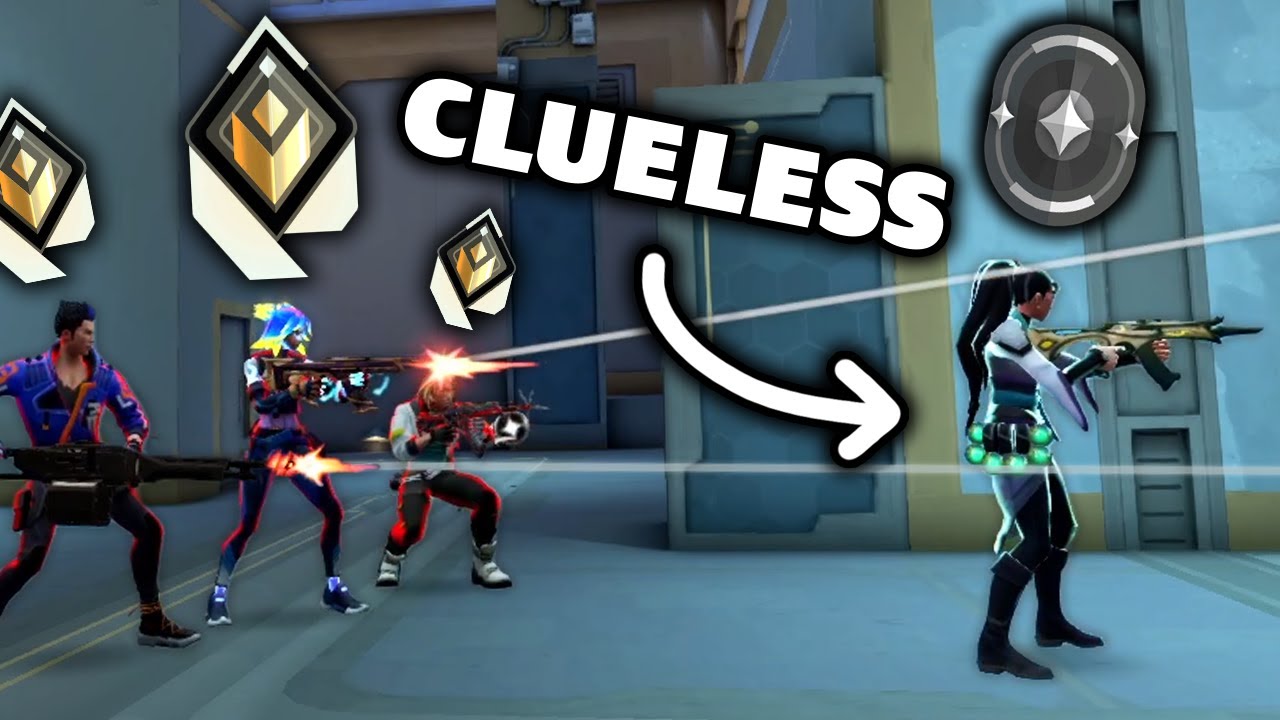
this is why a lot of players have found a good value from grinding ly or dynamic clicking tasks in AIM trainers this type of scenarios usually present you with semi-predictable bot movement patterns that are easy to read which means that you can make your Crosser stable while timing they click accordingly which is very similar to situations in game when your C basement is on the right spot and someone Peaks into you and you have to click time if you want to learn more about this specific category of aiming and why it's useful for TCH FPS
games in a more deeper manner I highly encourage you to take a look at Mattis video about it because he goes very deeply into this topic explaining why it's super useful for Tech FPS games however while lanar clicking is good when we can easily read and predict the target what if our initial reading fails obviously we risk the enemy player to either stop before our Crosser jump over it or move baas with some random strafe causing our preparation to be interrupted which means that we will have to aim at less predictable movement this adds up
a higher degree of aiming skills required to kill a Target just frequent micro adjustments flick Acquisitions or even tracking I hate this kid now I'm pretty sure that you will know at least one person that struggles with hitting moving targets well that person might even be you there are certain reasons to why this is a common problem among so many players even the top tier ones in this video we will delve into the concept of Target winning skills in context of te FPS games and describe the interplay of prediction active and proper aiming habits that
are part of reading skills what we mean by prediction here is guessing where our targets are going to be once they peek into us while queuing up our cral placement or positioning accordingly once that prediction fails due to complexity of Target movement pattern we shall be able to switch into activ reading skills which in this case refers to actively observing the movement of the Target in the present moment and making constant adjustment in real time due to the predictive nature of the game players that exclusively develop their mechanical skill by playing their game have a
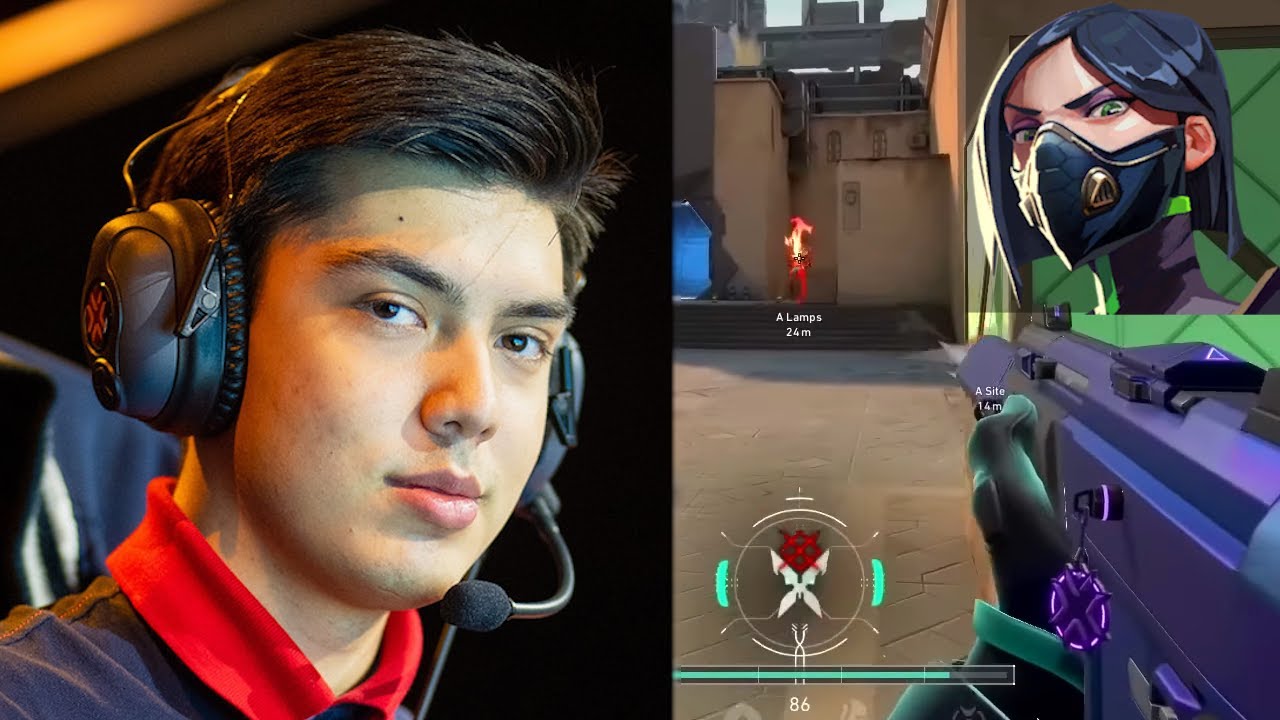
much higher tendency to rely on patterns and prediction even during situations in which movement of the enemy player is really uncertain a good example of that could be kosa professional CS player that recently gets more and more recognition for his skills in his gameplay we can notice how good he is at connecting his first shots based on his initial visualization which can be seen as some sort of a game sense based on the prediction he has built by grinding the game however what happens when this initial prediction fails and the enemy player decides to move
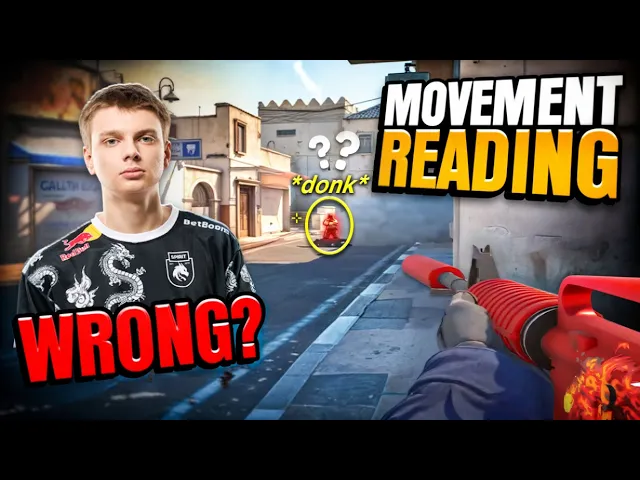
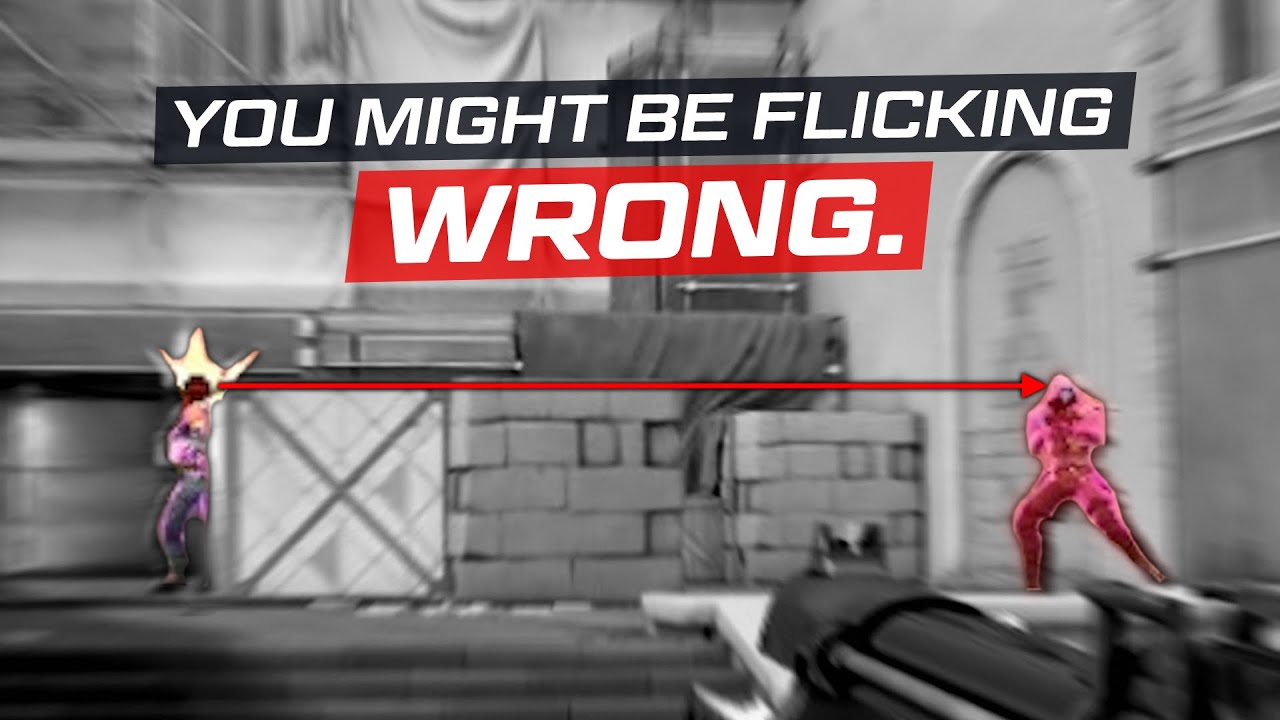
more evasively let's take a look at one of his Clips when he faces Don on D two in which we can clearly observe the prediction after the initial flick when Don started strafing in One Direction we can precisely see at which moment kios stopped continuing his aiming movement assuming the tra will end based on movement prediction which caused him a duel that's a good example of a situation in which we should be switching from our prediction into active reading skills Dong's movement style easily exemplifies why predictions while useful can actually be harming US during the
active aiming process just to Showcase it more intuitively we can see how this prediction would look like in an emper environment we can observe the same type of prediction which is polluting our efficiency and causing us to feel stiff with our micros an ideal approach would be enforcing focus on actively reading the straps and changes of direction of the Target in order to EAS in the ability to coordinate deliberate and efficient micro adjustments essentially allowing us to confidently aim into the target's movement what we mean by that is that we want to be dependent on
our Target tring even when knowing this fundamental we may still face difficulties aiming on moving Targets this is due to the fact that we need to be vers with our technique for instance having the ability to transition from reactive micros into ones containing more smoothness to allow for easier control which helps reduce clutter when aiming on harder to reach strafes we can observe that both players are lacking a lot of stability which comes from the inability to match their aiming speed to the tagas velocity as that will allow for increased stability on top of proper
smoothness application and low tension habits while in both Clips we visibly see issues with hitting a moving Target there's a difference in which approach we want to take when initiating our aiming process on these two patterns once we reach recognize that targets are moving in a more predictable yet evasive way there's no point in going into reactive micros as the really sha and how to read strafes will become harder to perceive with our eyes which means that if our aiming intensity is too high we risk ourselves to over adjust and that's why our approach would
shift into under aiming in order to properly speed match to the target's movement on the other hand if the target happens to get out of this ad spam into more active readable stravs we want to have the ability to transition back into reactive micros to summarize being able to flly switch between aiming techniques based on target running skills is an important fundamental habit that we have to build developing a foundation will require learning how to commit to Target movements rather than anticipating them to do specific things so after missing a shot especially while having pistol
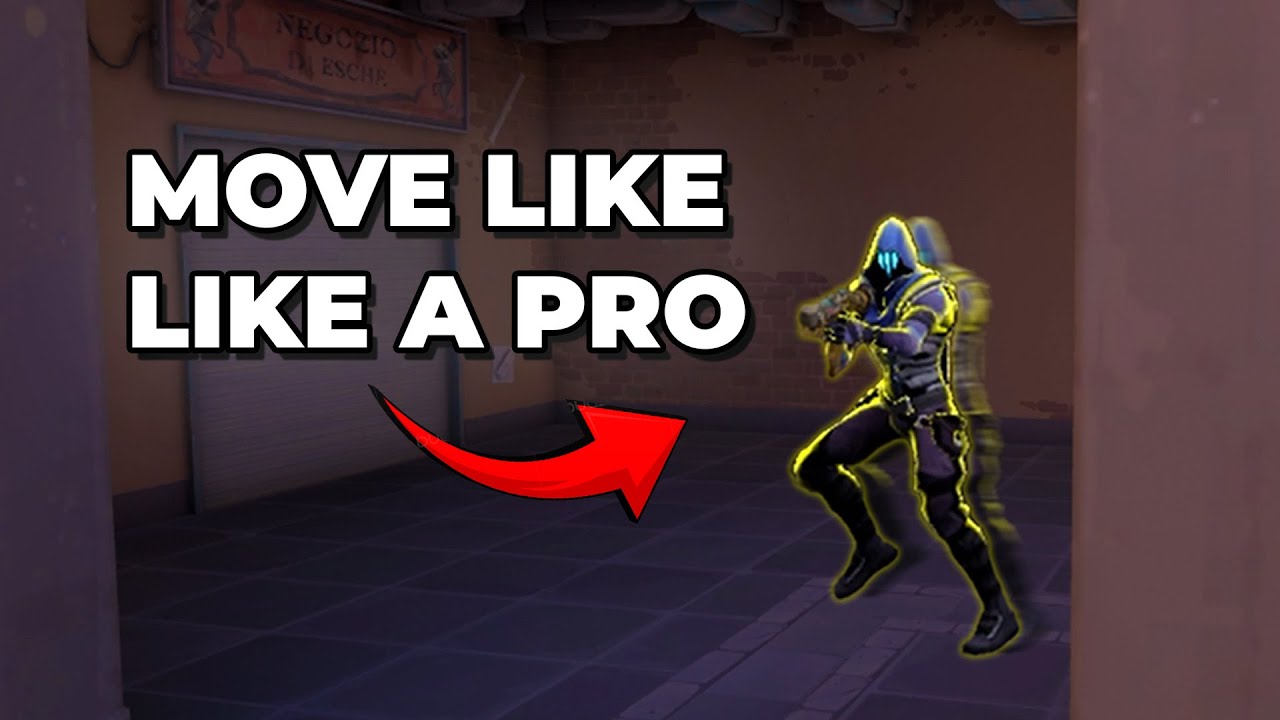
instead of fully relying on prediction by waiting for a Target to get back into your Crosser try to engage in an active aiming and reading process utilizing either reactive micros or under aiming habits when you decrease the intensity of your movements to fit more controlled and smooth micros and of course this would go hand inand with your own movement which is more complex and will require an entire video so let me know if you would want to see a video about movement so the active aiming habits we mentioned before can easily be trained in the
game itself in Counter Strike we can think of doing pistol only DMS while for valant we can maybe consider playing more DMS using guardian and aim trainers can easily accelerate the learning process by offerring isolation with no filters developing a foundation for reading skills will require learning how to commit the target stes fully rather than predicting their movement this means that you will have toar learn how to accurately speed much Target strafing movements while maintaining good smoothness levels without micro jeters that might occur du to prediction in case of training scenarios we can think of
multi clicking tasks in which we aim at an invasively moving targets while having to hit them multiple times before they despawn or some tracking scenarios and yes right now we might be like oh but I don't really track in FPS games yes you're correct but you do a lot of micro adjustments in case of your cross replacement being off the guy picks you you have to do a micro correction and in case you miss this micro correction you have to do another and this frequent micro Corrections that you do in game after missing the shots
are basically what you train on tracking tasks on top of it by playing these tasks you will quickly grasp an idea of making your reading ined rather than rushed which means that instead of spamming flicky movements over the targets you will be able to identify what's going on quicker while applying more consistent aiming habits [Music] n [Music] [Music]